
The very notion of snow gracing the subtropical landscapes of Louisiana often evokes a sense of wonder, a fleeting thought of the extraordinary. For many, the state is synonymous with vibrant bayous, sultry jazz, and Mardi Gras revelry, not winter wonderlands. Yet, the question of “When was the last time it snowed in Louisiana?” isn’t merely a whimsical inquiry; it delves into the fascinating climatic anomalies and historical weather events that have, on rare occasions, transformed the state into an unexpected winter canvas.
While Louisiana‘s climate is predominantly characterized by hot, humid summers and mild winters, the possibility of snowfall, though infrequent, is a documented phenomenon. These occurrences are often tied to powerful cold fronts that sweep down from the north, colliding with the moisture-laden air prevalent in the region. The resulting precipitation can manifest as rain, sleet, or, in truly memorable instances, snow. Understanding these events requires looking back through meteorological records and historical accounts, piecing together the moments when the ordinary gave way to the extraordinary.
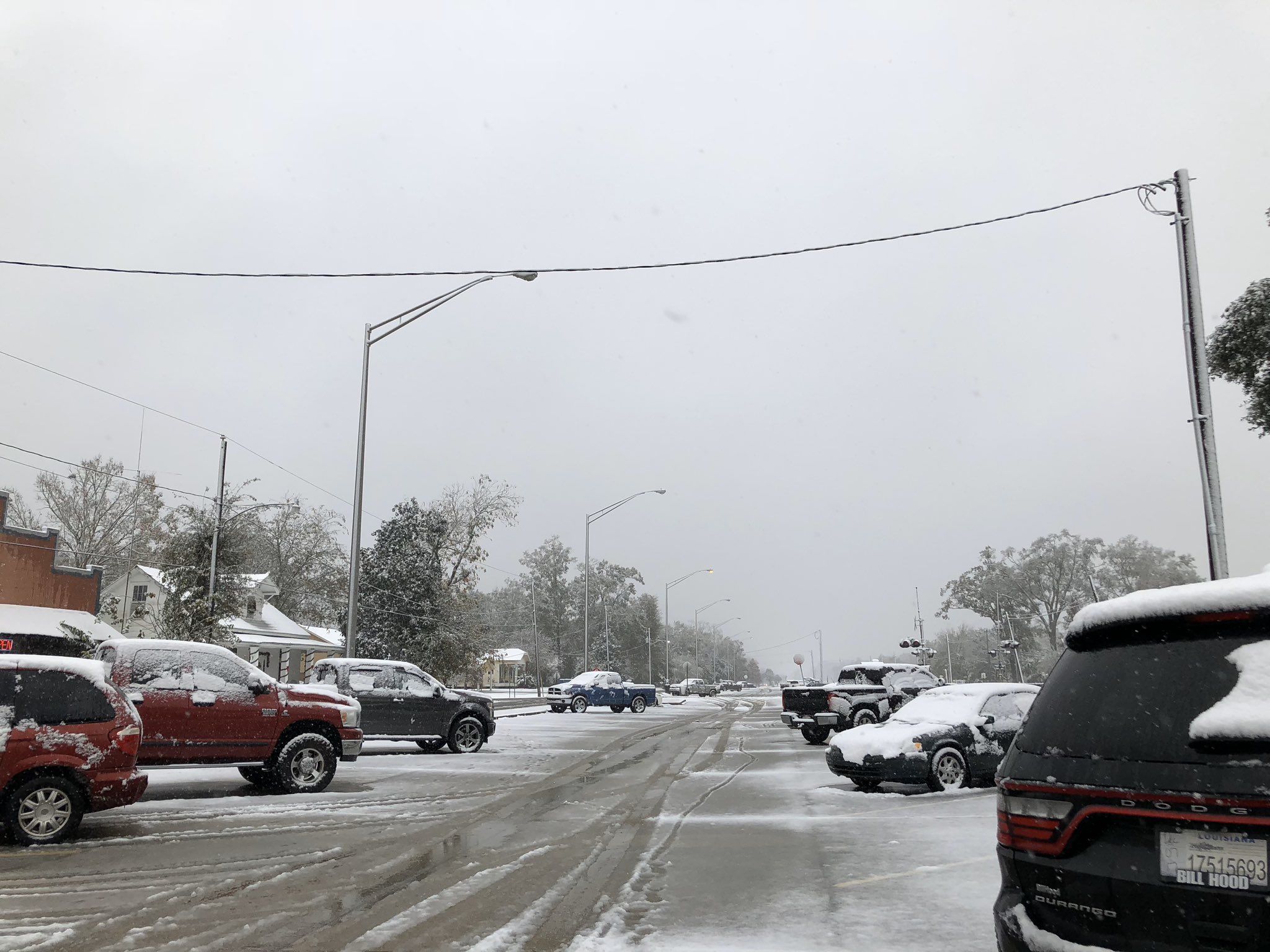
A Glimpse into Louisiana’s Snowy Past
The history of snowfall in Louisiana is a tapestry woven with threads of rarity and surprise. While some winters pass without a single flake, other years have brought forth accumulations that have captivated residents and disrupted daily life, albeit temporarily. These events are not mere anecdotes; they are significant meteorological occurrences that highlight the dynamic nature of weather patterns, even in seemingly predictable climates.
The Unforgettable Winter of 1895: A Statewide Spectacle
Perhaps one of the most significant and widely reported snowfall events in Louisiana‘s history occurred in February 1895. This winter storm was remarkable not only for its intensity but also for its widespread impact across the entire state. From the northern parishes to the southern coast, Louisiana experienced a significant accumulation of snow, a sight so unusual that it became etched in the collective memory of those who witnessed it.
Records indicate that several inches of snow fell in areas that rarely, if ever, see such conditions. New Orleans, a city accustomed to balmy weather, was blanketed in white, transforming its iconic streets and historic architecture into an unfamiliar, frozen landscape. The city’s residents, unprepared for such a spectacle, rushed outdoors to experience the novelty. Children built snowmen, adults marveled at the transformed scenery, and a sense of shared wonder permeated the air. Transportation was disrupted, and daily routines were put on hold as the city embraced the rare beauty of a snowy day.
The 1895 snowfall wasn’t confined to New Orleans. Reports from across the state describe similar scenes: snow-covered fields, frosted sugarcane, and bewildered livestock. The economic impact, while temporary, was felt as businesses closed and agricultural activities were halted. However, the overriding sentiment was one of awe and fascination. This event stands as a benchmark, a powerful reminder that Louisiana‘s climate, while generally warm, is not immune to the dramatic shifts that can occur when atmospheric conditions align perfectly for a winter phenomenon.
Less Frequent, But Memorable Snowfalls in the 20th and 21st Centuries
While the 1895 event remains a legendary occurrence, Louisiana has experienced other notable, albeit less widespread, snowfalls throughout the 20th and early 21st centuries. These events, though often less significant in accumulation, still managed to capture the public’s imagination and provide memorable experiences.
The Winter of 1960: A Widespread but Light Snowfall
Another notable winter event occurred in February 1960. This snowfall was more widespread than some later events, affecting a significant portion of the state. While the accumulation was generally light, with many areas receiving only a dusting, it was enough to cause a stir. The novelty of seeing snow, even in small amounts, brought many Louisianans out to enjoy the fleeting winter beauty. This event further solidified the understanding that while significant snow events are rare, lighter snowfalls are a recurring, though infrequent, possibility.
The “Super Bowl Snow” of 2011: A Surprise for Super Bowl Weekend
Perhaps one of the most recent and widely discussed snow events in Louisiana occurred in February 2011, coincidentally around the time of the Super Bowl, earning it the moniker “Super Bowl Snow.” This event brought a significant, and for many, unexpected, snowfall to parts of south Louisiana, including New Orleans and surrounding areas.
The accumulation varied, with some areas reporting several inches of snow, while others received less. The surprise element was key to its memorability. Many residents had not anticipated winter precipitation, and the roads quickly became slick and hazardous. Schools were closed, and many businesses had to cease operations. Yet, amid the disruption, the familiar sense of wonder returned. Families gathered to witness the unusual sight, and photos of snow-draped palm trees and historic French Quarter balconies circulated widely on social media. This event served as a potent reminder that even in the modern era, Louisiana can still deliver meteorological surprises.
Sporadic Flurries and Sleet: The More Common Winter Precipitation

Beyond these more significant snow events, Louisiana frequently experiences other forms of winter precipitation, such as sleet and freezing rain. These are often associated with the same cold fronts that bring the possibility of snow. While not as visually dramatic as a snowfall, sleet can still cause travel disruptions and create icy conditions, particularly on bridges and overpasses. These more common occurrences, while less celebrated than snow, are a regular feature of Louisiana‘s winter weather and contribute to the overall understanding of its climatic variability.
Factors Influencing Louisiana’s Snowfall
The occurrence of snow in Louisiana is a complex interplay of atmospheric conditions. Understanding these factors helps explain why snow is a rare but not impossible event.
The Role of Cold Air Masses
The primary catalyst for any potential snowfall in Louisiana is the intrusion of a sufficiently cold air mass from the north. These Arctic or polar air masses, when they sweep southward, can significantly lower temperatures across the state. For snow to form, the temperature at ground level must be at or below freezing (0°C or 32°F). If the air aloft is cold enough for snow crystals to form, and the entire atmospheric column down to the surface remains below freezing, then snow is possible.
Moisture Availability: The Essential Ingredient
Cold air alone is not enough; moisture is crucial. For precipitation of any kind to occur, there needs to be a source of water vapor in the atmosphere. This moisture is often brought in by approaching weather systems, such as low-pressure systems or fronts. When a cold air mass is in place and a system carrying moisture moves through, the conditions are ripe for precipitation. If the temperature is right, this precipitation will fall as snow.
Proximity to the Gulf of Mexico: A Double-Edged Sword
The Gulf of Mexico plays a significant role in Louisiana‘s climate. Its proximity provides a constant source of moisture, which is essential for precipitation. However, the Gulf also acts as a moderating influence, keeping winter temperatures milder than they might otherwise be. For significant snowfall to occur, the cold air mass must be strong enough to overcome this moderating influence and push temperatures to freezing or below, while still allowing for sufficient moisture to be drawn in from the Gulf. This delicate balance is why heavy snow is so infrequent.
Experiencing a Louisiana Snowfall: Travel, Tourism, and Lifestyle Implications
The rare occurrence of snow in Louisiana has unique implications for travel, tourism, and the general lifestyle of its residents and visitors. When snow does fall, it transforms the state into an unexpected winter wonderland, offering unique opportunities for exploration and enjoyment.
Travel and Tourism in a Snowy Landscape
When snow blankets Louisiana, it presents a novel experience for both locals and tourists. Cities like New Orleans, typically bustling with visitors seeking sun and southern charm, can offer a completely different, albeit temporary, appeal. Hotels and resorts, often featuring amenities geared towards warmer weather, might find themselves hosting guests eager to experience this unusual phenomenon.
- Unique Attractions: Iconic landmarks, usually admired under a warm sun, take on a new mystique when dusted with snow. Imagine the French Quarter with a delicate layer of white, or the Garden District with its historic mansions framed by snow. While some outdoor activities might be limited, the visual spectacle itself becomes a major attraction.
- Accommodation Experiences: For those staying in Louisiana during a snowfall, the experience can be quite memorable. Booking a room in a charming boutique hotel in New Orleans or a lakeside cabin in northern Louisiana can offer a cozy vantage point from which to witness the rare event. Hotels might even offer special packages or themed events to capitalize on the unusual weather.
- Travel Advisories: On the flip side, snow can significantly impact travel plans. Road conditions can become hazardous, leading to closures and delays. Airlines may experience disruptions. Therefore, staying informed about weather advisories and potential travel disruptions is crucial for anyone visiting or planning to travel within the state during winter months.

Lifestyle and Cultural Impact
A snowfall in Louisiana can temporarily alter the daily rhythm of life.
- Local Culture Embraced: Despite the inconveniences, Louisianans often embrace a snowy day with enthusiasm. It’s a chance to reconnect with a childlike sense of wonder, to gather with family and friends, and to create lasting memories.
- Culinary Delights: While not a traditional winter destination, a snowy Louisiana might inspire indoor activities. Cozying up with a warm beverage and enjoying some of the state’s famous comfort food could become a popular pastime.
- Photography and Social Media: The visual appeal of snow in Louisiana makes it a prime subject for photographers and social media enthusiasts. Images of snow-covered pelicans or frosted magnolia blossoms quickly go viral, sharing the unique experience with a wider audience.
In conclusion, while Louisiana is far from a typical winter destination, its history is punctuated by moments of unexpected snow. These rare events, from the grandeur of 1895 to the surprise of 2011, serve as fascinating meteorological footnotes and delightful anomalies in the state’s otherwise warm and humid climate. They offer a unique lens through which to view Louisiana, reminding us that even in the most predictable of places, nature can still surprise and enchant.
LifeOutOfTheBox is a participant in the Amazon Services LLC Associates Program, an affiliate advertising program designed to provide a means for sites to earn advertising fees by advertising and linking to Amazon.com. Amazon, the Amazon logo, AmazonSupply, and the AmazonSupply logo are trademarks of Amazon.com, Inc. or its affiliates. As an Amazon Associate we earn affiliate commissions from qualifying purchases.