
New Orleans, Louisiana, a city renowned for its vibrant culture, soulful music, distinctive cuisine, and historic architecture, is decidedly not known for its snowfall. Situated firmly in the subtropical climate zone of the United States, the idea of a winter wonderland here seems as improbable as a quiet Bourbon Street on a Saturday night. Yet, on rare and memorable occasions, the unthinkable has happened: flakes have fallen, dusting the city in a fleeting cloak of white, much to the delight and astonishment of its residents and visitors. For those contemplating a trip to this enchanting city, understanding its unique climate, especially the rarity of snow, adds another fascinating layer to its allure. The question “When was the last time it snowed in New Orleans?” is not just a meteorological inquiry, but a gateway to appreciating the city’s exceptional character and the truly extraordinary nature of such an event in the Big Easy.
A Rare Meteorological Phenomenon: The History of Snow in New Orleans
The prospect of snow in New Orleans is so uncommon that it becomes an instant, city-wide celebration when it occurs. Unlike cities further north, where snow is a regular part of winter, a dusting here sends locals into a frenzy of joy, photo opportunities, and shared wonder. These events are etched into local memory, often talked about for years to come.
Tracing the Snowy Past: Notable Occurrences
To truly grasp the rarity, one must look back through the city’s long history. Snowfall significant enough to cover the ground is exceptionally infrequent. Light flurries that melt upon impact are more common, but a measurable accumulation is a once-in-a-generation event for many.
One of the most recent and well-remembered snowfalls occurred on December 11, 2008. That day, residents woke up to a thin but noticeable blanket of snow across much of the metropolitan area. While it only amounted to about an inch or so in many places, and quickly melted as the day progressed, it was enough to cause schools to close temporarily and bring traffic to a near standstill as people cautiously navigated the unfamiliar conditions, or simply pulled over to marvel at the sight. Children, many of whom had never seen snow before, rejoiced in impromptu snowball fights, building tiny snowmen, and reveling in the unusual transformation of their subtropical environment. For a city still recovering from the devastation of Hurricane Katrina just a few years prior, this brief, beautiful anomaly provided a moment of shared joy and wonder, a collective breath of fresh, cold air.

Prior to 2008, the city experienced a more substantial snowfall on Christmas Eve, 2004. This event was particularly magical due to its timing. Families preparing for holiday festivities were surprised by a blanket of white that covered rooftops and trees, creating a picture-postcard scene that felt utterly out of place, yet undeniably charming. It was the first measurable Christmas Eve snowfall in New Orleans in recorded history, making it an exceptionally rare and cherished memory for those who witnessed it. While it, too, was short-lived, the festive timing amplified its impact, creating indelible memories of a truly white Christmas in the South.
Venturing further back, a significant snowfall graced the city on January 16, 1989. This event brought several inches of snow, enough for widespread coverage and more prolonged enjoyment before melting. It’s often cited by older generations as the last “proper” snowfall prior to the 21st century’s occurrences. The city virtually shut down, a common reaction when even a small amount of ice or snow paralyzes a metropolitan area not equipped for such conditions.

Perhaps the most legendary snowfall in New Orleans’ history occurred on February 12, 1895. This unprecedented event saw approximately eight inches of snow accumulate, a record that stands to this day. Imagine the astonishment of residents in the late 19th century witnessing such a profound weather phenomenon! Descriptions from the time speak of a city completely transformed, with horse-drawn carriages struggling through drifts and the normally bustling streets muted by the quiet hush of snow.
These historical snapshots illustrate that while snow is a statistical anomaly, it does happen. Each instance is a memorable chapter in the city’s story, a testament to the unpredictable whims of nature and the unique spirit of a city that embraces every experience, no matter how fleeting.
What Makes Snow So Uncommon Here?
The primary reason snow is such a rarity in New Orleans lies in its geographical location and prevailing climatic conditions. The city sits close to the Gulf of Mexico, which acts as a massive thermal moderator. The warm waters of the Gulf keep air temperatures elevated, particularly during the winter months. For snow to form and accumulate, several conditions must align perfectly:
- Sufficiently Cold Air: Temperatures must be at or below freezing (32°F or 0°C) from the cloud base all the way to the ground. In New Orleans, winter temperatures typically hover above freezing, with average lows in the 40s (around 4-9°C) even during the coldest months. When cold fronts do sweep through, they often bring temperatures down to near freezing, but rarely sustained below it.
- Moisture: There must be enough moisture in the atmosphere to produce precipitation. This is usually not an issue for New Orleans, a city known for its humidity and rainfall. The challenge is having that moisture coincide with sufficiently cold air.
- Specific Atmospheric Dynamics: The exact type of cold air mass required to reach New Orleans and interact with available moisture is quite specific. Often, cold fronts that push through the region are too shallow or warm up as they pass over the Gulf of Mexico before reaching the city. For snow, a deep, persistent pool of arctic air is needed, which typically tracks further north or west.
The combination of warm Gulf waters, a generally mild subtropical climate, and the precise atmospheric conditions required for snow to both form and reach the ground intact makes it an exceedingly rare event, celebrated for its novelty when it does occur.
The Magic and Mayhem of a Snowy Day in the Big Easy
When snow does fall in New Orleans, it transforms the city in ways that are both enchanting and, at times, chaotic. It’s a collective experience that highlights the city’s unique charm and its adaptable spirit.
A City Transformed: Local Reactions and Unique Experiences
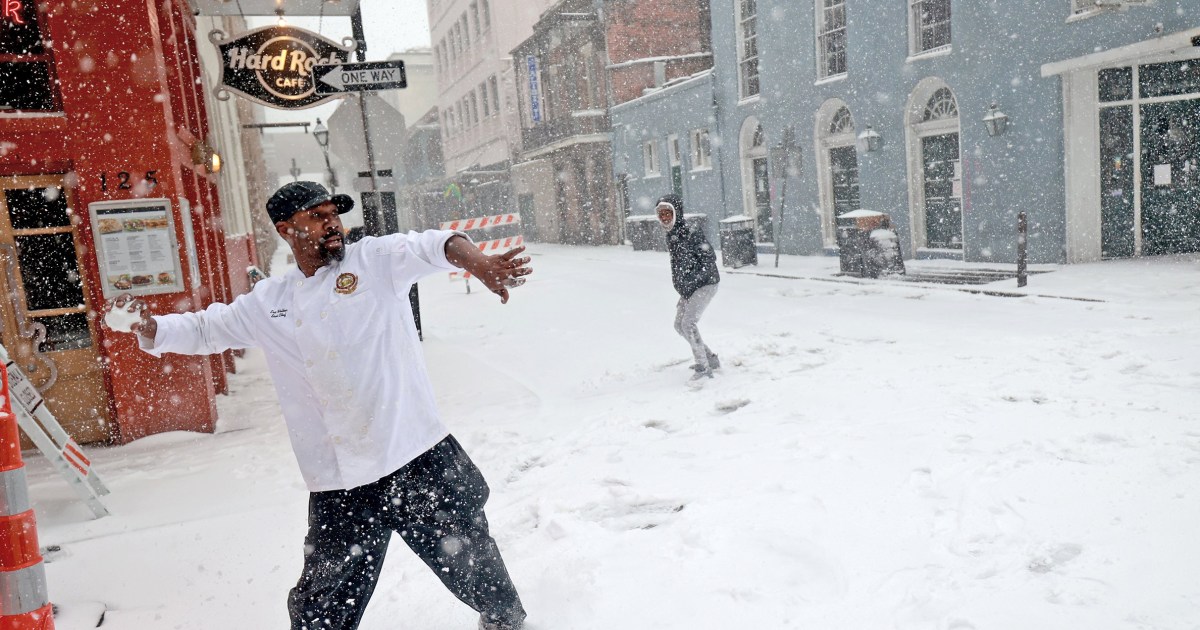
A snowy day in New Orleans is a spectacle. The usually vibrant and colorful city takes on a muted, dreamlike quality under a blanket of white. Iconic landmarks like Jackson Square and St. Louis Cathedral appear almost ethereal, as if pulled from a European fairy tale rather than nestled beside the Mississippi River. Residents, unaccustomed to such weather, react with an almost childlike enthusiasm. Photos flood social media, capturing snow-dusted palm trees, historic streetcars navigating a white landscape, and the sheer delight on people’s faces.
Children, many experiencing snow for the very first time, bundle up in whatever makeshift winter gear they can find, rushing outside to build tiny snowmen or attempt snowball fights, often with slushy results. For adults, it’s a reason to pause, to connect with neighbors, and to collectively marvel at a phenomenon that defies their everyday reality. The bustling energy of New Orleans often gives way to a quieter, more reflective atmosphere, punctuated by shouts of joy and the crunch of unfamiliar footsteps on snow. It’s a moment where the city’s “laissez les bons temps rouler” (let the good times roll) philosophy extends to appreciating even the most fleeting of wonders.
Impact on Tourism and Local Life
While magical, a snowy day can also bring unexpected disruptions to a city not designed for winter weather. For tourists, it can be a mixed bag. Those who happen to be visiting during such an event consider themselves incredibly lucky to witness such a rare sight. Imagine sipping a café au lait and munching on beignets from Café Du Monde while watching snowflakes fall on Jackson Square – it’s an experience few can claim. These rare visitors get to see a side of New Orleans that is almost mythical, providing an unparalleled travel story.
However, the practicalities can be challenging. Infrastructure is not built for snow and ice. Roads can become slick, public transportation might face delays, and services unaccustomed to dealing with frozen conditions can be stretched thin. Local businesses, especially those reliant on foot traffic, might see a temporary dip, though the novelty often encourages brave souls to venture out for a unique hot cocktail or a warm bowl of gumbo. Schools typically close, and non-essential work often comes to a halt, underscoring how unusual and unprepared the city is for such events. Despite the brief inconvenience, the collective joy and the shared memory of such a rare phenomenon often outweigh any temporary disruptions, reinforcing the city’s resilient and celebratory spirit.
Planning Your New Orleans Adventure: Beyond the Snow
While the allure of a snowy New Orleans is undeniably romantic, it’s far from a reliable travel aspiration. The city offers a wealth of experiences year-round, making it a fantastic destination regardless of the weather.
Best Times to Visit New Orleans for Optimal Weather
For most visitors, the ideal time to experience New Orleans is during the cooler, drier months of late fall (October-November) and early spring (February-April). During these periods, temperatures are mild and pleasant, typically ranging from the 60s to low 70s Fahrenheit (15-24°C), with lower humidity. This comfortable climate is perfect for exploring the city’s historic streets, enjoying outdoor festivals, and dining al fresco.
- Fall (October-November): The weather is delightful, and the hurricane season is winding down. It’s a great time for food festivals and enjoying the city before the major holiday crowds.
- Spring (February-April): This is arguably the peak season, coinciding with iconic events like Mardi Gras (usually February or early March) and Jazz Fest (late April/early May). While these periods offer incredible cultural experiences, they also bring larger crowds and higher prices for accommodation and flights.
- Summer (June-September): Summers are hot, humid, and often rainy, with temperatures frequently in the 90s Fahrenheit (32°C+). This is the off-season, offering fewer crowds and potentially better deals on hotels, but requires a high tolerance for heat. Indoor attractions, air-conditioned restaurants, and early morning excursions are key to enjoying a summer trip.
- Winter (December-January): While still relatively mild compared to many parts of the United States, winter can bring occasional cold snaps. Days are generally cool and crisp, making it pleasant for sightseeing, and the holiday season brings its own unique charm with festive decorations and events. It’s also the season where the minuscule chance of snow exists, making any cold snap exciting for locals.
Exploring New Orleans’ Iconic Attractions (Rain, Shine, or Rare Snow)
No matter the season, New Orleans is brimming with attractions that capture the imagination. The rarity of snow simply underscores how unique and resilient this city is, offering vibrant experiences that transcend weather conditions.
- The French Quarter: The historic heart of the city, with its distinctive ironwork balconies, lively street performers, and bustling nightlife, is a must-see. Wander through Jackson Square, admire the majestic St. Louis Cathedral, and soak in the atmosphere of Bourbon Street (though perhaps earlier in the day for a more relaxed experience). Don’t forget to stop for beignets and coffee at Café Du Monde.
- The Garden District: Take a streetcar ride to this opulent neighborhood, famed for its stunning antebellum mansions and lush gardens. A guided walking tour here offers fascinating insights into the city’s architectural history and elite lifestyle.
- Museums and Culture: Immerse yourself in the rich history and culture at the National WWII Museum, a world-class institution. For music lovers, catch a live jazz performance at Preservation Hall in the French Quarter, an intimate venue dedicated to traditional jazz.
- Parks and Green Spaces: Enjoy the sprawling beauty of City Park, one of the largest urban parks in the United States, home to ancient oak trees, the New Orleans Museum of Art, and botanical gardens. Or relax in the serene surroundings of Audubon Park, perfect for a leisurely stroll or picnic.
- Culinary Delights: New Orleans is a foodie paradise. From upscale dining at historic establishments like Commander’s Palace or Antoine’s Restaurant to casual po’boys and gumbo, the city’s culinary scene is unparalleled. Take a cooking class to learn the secrets of Creole and Cajun cuisine.
- Beyond the City: Consider a swamp tour to explore the bayous and spot local wildlife, or take a historic steamboat cruise on the Mississippi River for unique views of the city skyline.
Where to Stay: Accommodations for Every Traveler
New Orleans offers a diverse range of accommodations, from historic luxury hotels to charming boutique guesthouses, catering to every budget and style.
- Luxury and Historic Hotels: For an opulent experience, consider hotels within the French Quarter or Central Business District. The iconic The Roosevelt New Orleans, A Waldorf Astoria Hotel boasts a rich history and grand elegance. The Hotel Monteleone, with its famous Carousel Bar, offers a quintessential French Quarter experience. The Ritz-Carlton, New Orleans, located on Bourbon Street, provides a luxurious escape amidst the lively action.
- Boutique and Trendy Stays: The Warehouse District has become a hub for stylish boutique hotels, blending industrial chic with modern amenities. The Ace Hotel New Orleans is a popular choice for its vibrant atmosphere and design. The historic Pontchartrain Hotel in the Garden District offers classic charm with a sophisticated flair and a rooftop bar with stunning city views.
- Budget-Friendly Options: Beyond the high-end hotels, New Orleans also has numerous guesthouses, hostels, and vacation rentals that offer more affordable options, particularly outside the immediate French Quarter area. Neighborhoods like Marigny and Bywater offer unique local charm with a range of accommodation types.
When booking, consider the proximity to your planned activities and the ambiance you desire. Whether you seek the bustling energy of the French Quarter or the tranquil elegance of the Garden District, there’s a perfect place to rest your head in the Crescent City.
In conclusion, while the sight of snow in New Orleans is a rare and truly magical event, the city’s enduring appeal lies in its unparalleled culture, history, and festive spirit, available in abundance regardless of the weather. Whether you witness a fleeting dusting of white or simply enjoy the usual warm charm, a visit to the Big Easy promises an unforgettable adventure.
LifeOutOfTheBox is a participant in the Amazon Services LLC Associates Program, an affiliate advertising program designed to provide a means for sites to earn advertising fees by advertising and linking to Amazon.com. Amazon, the Amazon logo, AmazonSupply, and the AmazonSupply logo are trademarks of Amazon.com, Inc. or its affiliates. As an Amazon Associate we earn affiliate commissions from qualifying purchases.