
Understanding Tornado Activity in Colorado for Tourists
Colorado is renowned for its majestic Rocky Mountains, vibrant cities like Denver, and an abundance of outdoor activities that draw millions of tourists each year. From skiing in the winter to hiking and exploring in the summer, the state offers diverse experiences. However, like many regions in the United States, Colorado is also susceptible to certain natural weather phenomena, including tornadoes. For visitors planning their trip, understanding the state’s weather patterns, including the infrequent but potential occurrence of tornadoes, is an important aspect of responsible tourism and ensures a safer, more enjoyable experience.
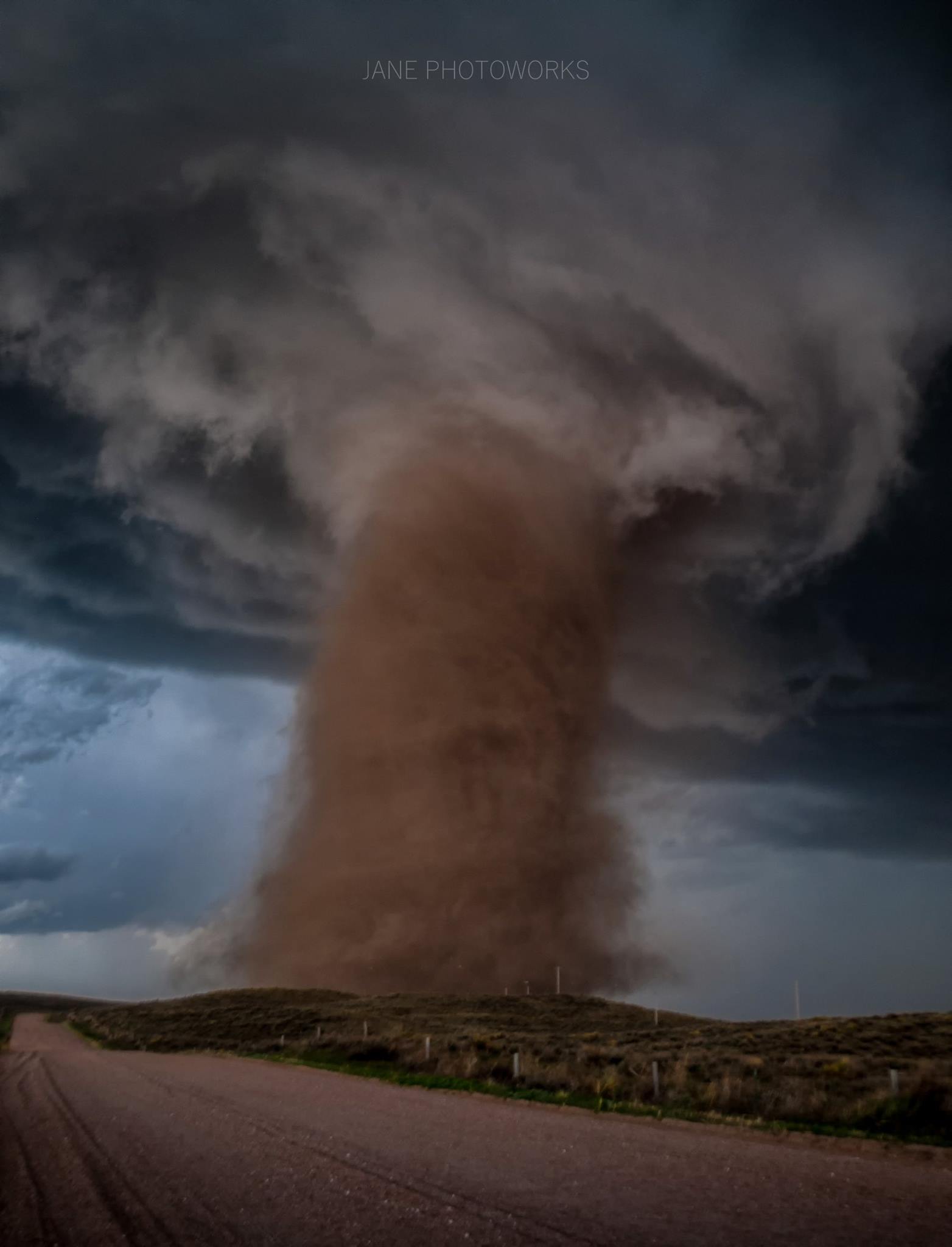
The question of “When was the last tornado in Colorado?” is frequently asked, and the answer often provides insight into the state’s unique meteorological landscape. While Colorado is not typically associated with the high-impact tornado outbreaks seen in the central plains, it does experience these powerful storms, particularly in specific regions and during certain times of the year. The key for tourists is not to fear these events, but to be informed and prepared, much like one would prepare for a sudden mountain thunderstorm or a significant snowfall in the high country.
Colorado’s Tornado Alley: A Misconception?
When people hear “Tornado Alley,” images of states like Oklahoma or Kansas often come to mind. While Colorado is geographically adjacent to these states, its tornado activity differs significantly. The mountainous terrain of western Colorado makes tornado formation extremely rare. The vast majority of tornadoes in Colorado occur on the Eastern Plains of Colorado, extending from the Denver Metro Area eastward to the state line. This area, sometimes informally referred to as Colorado’s Tornado Alley, is characterized by flat, open terrain, where cold, dry air from the mountains meets warm, moist air from the Gulf of Mexico, creating conditions conducive to severe weather.
Even within the Eastern Plains of Colorado, many tornadoes are weak (EF0 or EF1 on the Enhanced Fujita Scale) and often occur in sparsely populated rural areas, posing minimal threat to human life or major infrastructure. However, stronger tornadoes (EF2 and above) are not unheard of, and knowing how to respond is paramount for any visitor, particularly those traveling through or staying in the eastern half of the state.
Seasonal Patterns and Peak Times
Tornado season in Colorado typically runs from May through August, with peak activity often observed in June. This coincides with the prime tourist season for many outdoor activities, making awareness even more crucial. During these months, afternoons and early evenings are the most common times for severe thunderstorm development, which can spawn tornadoes.
Visitors planning summer excursions to popular destinations such as Pawnee National Grassland, or driving across the eastern part of the state to destinations like Rocky Mountain National Park or Great Sand Dunes National Park and Preserve after passing through the plains, should pay particular attention to weather forecasts during this period. While the mountains themselves offer protection from tornadoes, the routes to and from them often traverse tornado-prone areas.
The Most Recent Tornado Events in Colorado
To answer the question directly, Colorado experiences tornadoes almost every year. While major, destructive tornadoes are rare, smaller ones are more common.
One of the most recent confirmed tornado events in Colorado occurred during the active severe weather season of May 2023. On May 23, 2023, several weak tornadoes, primarily EF0 and EF-U (undetermined intensity due to lack of damage indicators), were reported in rural areas of Yuma County and Washington County in the Eastern Plains of Colorado. These events, while significant to local meteorologists for tracking severe weather, caused minimal to no damage to populated areas and mostly affected open fields.
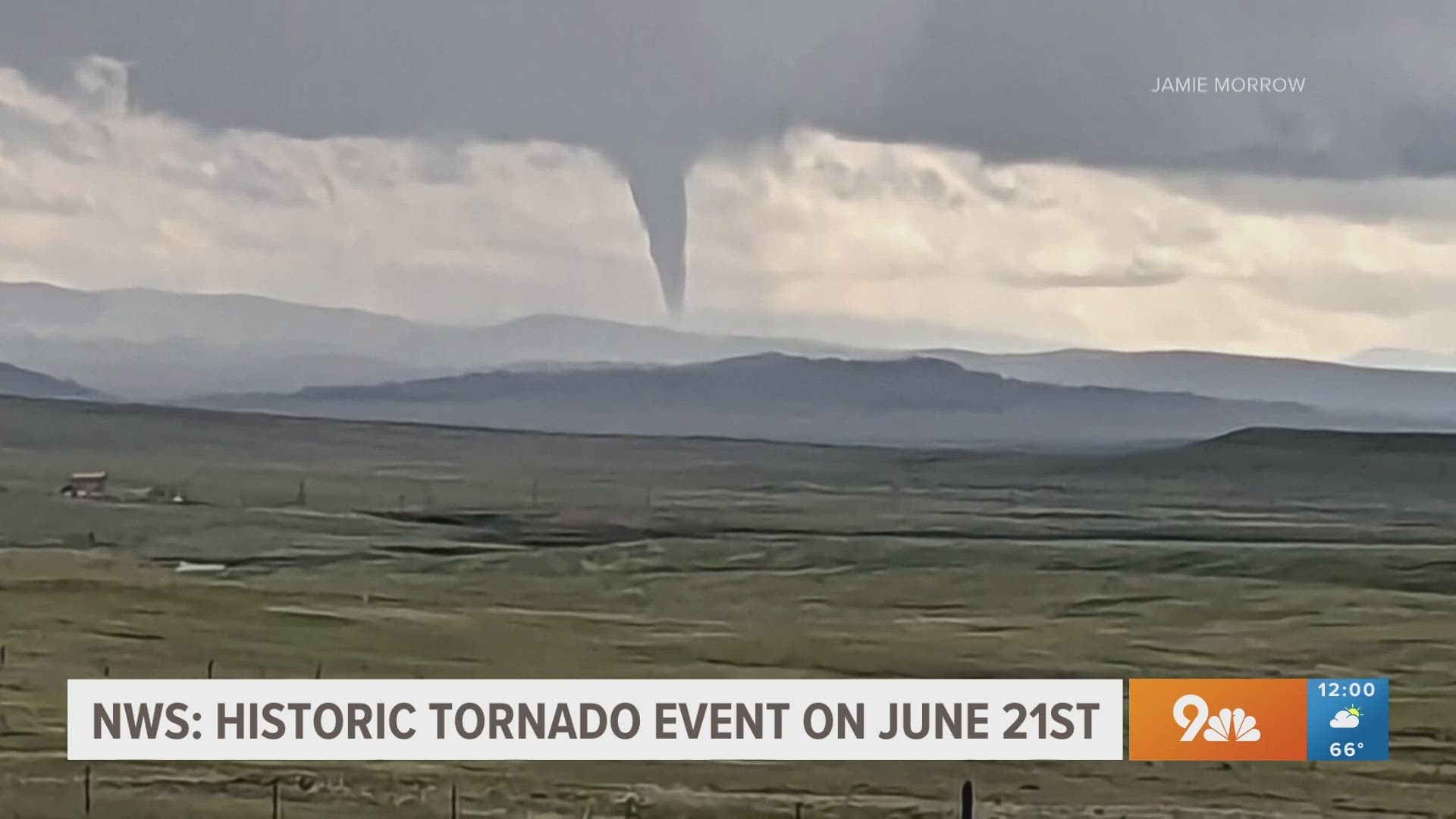
Prior to this, Colorado also saw tornado activity in June 2022 and July 2021, again predominantly in the agricultural regions of the eastern plains. These typically manifest as brief touch-downs, often observed by storm chasers or reported by local residents, but rarely impacting major towns or tourist hubs.
It’s important to distinguish between “tornado warnings” and “actual tornadoes.” Colorado receives numerous tornado warnings during its severe weather season. These warnings indicate that a tornado is either imminent or already occurring, based on radar indications or spotter reports. While warnings are frequent, the actual touchdown of a tornado is less common, and direct impacts on tourists are even rarer. The system of warnings and alerts is designed to provide ample time for individuals to seek shelter, which is why understanding and heeding these alerts is critical.
Essential Safety Tips for Tourists During Tornado Season
For tourists traveling through Colorado during the late spring and summer months, a proactive approach to weather awareness is the best defense. This doesn’t mean canceling your trip, but rather incorporating a few simple safety measures into your travel planning.
Before You Travel: Research and Preparation
- Check Seasonal Forecasts: Before finalizing your travel dates, consult long-range forecasts for the regions you plan to visit, especially if you intend to spend time on the Eastern Plains of Colorado or in towns like Limon, Burlington, or near Colorado Springs or Fort Collins.
- Understand Your Lodging: If staying in a hotel, ask about their severe weather protocols and designated shelter areas. Most modern hotels in tornado-prone areas have internal safe zones. If camping or staying in an RV, be aware of the nearest sturdy building or community shelter.
- Have a Communication Plan: Ensure your cell phone is fully charged and that you have a portable charger. Know how to contact family or friends if separated.
During Your Visit: Staying Informed
- Monitor Local Weather: Download a reliable weather app on your smartphone that can provide real-time alerts. The National Weather Service (NWS) is the official source for warnings. Many local Colorado news stations also provide excellent coverage.
- Listen for Sirens: In many Colorado communities, outdoor warning sirens are activated when a tornado warning is issued for the immediate area. If you hear a siren, seek shelter immediately.
- Utilize NOAA Weather Radio: If you’re going to be in remote areas or camping, a portable NOAA Weather Radio can be a lifesaver, providing continuous weather broadcasts directly from the National Weather Service.
- Stay Updated on Social Media: Follow official National Weather Service accounts for Colorado (e.g., NWS Denver/Boulder, NWS Pueblo) for timely updates.
What to Do if a Tornado Warning is Issued
- Seek Immediate Shelter: The safest place to be during a tornado is in a basement or an interior room on the lowest floor of a sturdy building, away from windows.
- In a Vehicle: Do NOT try to outrun a tornado in a vehicle, especially in urban or congested areas. If you are in a car, the safest options are to find a sturdy structure for shelter, or, as a last resort in open country, to abandon the vehicle and lie in a ditch or other low-lying area, covering your head.
- Mobile Homes/RVs: These offer little protection from tornadoes. Seek shelter in a designated storm shelter or a sturdy building.
- Stay Low: If outdoors with no immediate shelter, lie flat in a ditch or other depression and cover your head and neck with your arms.
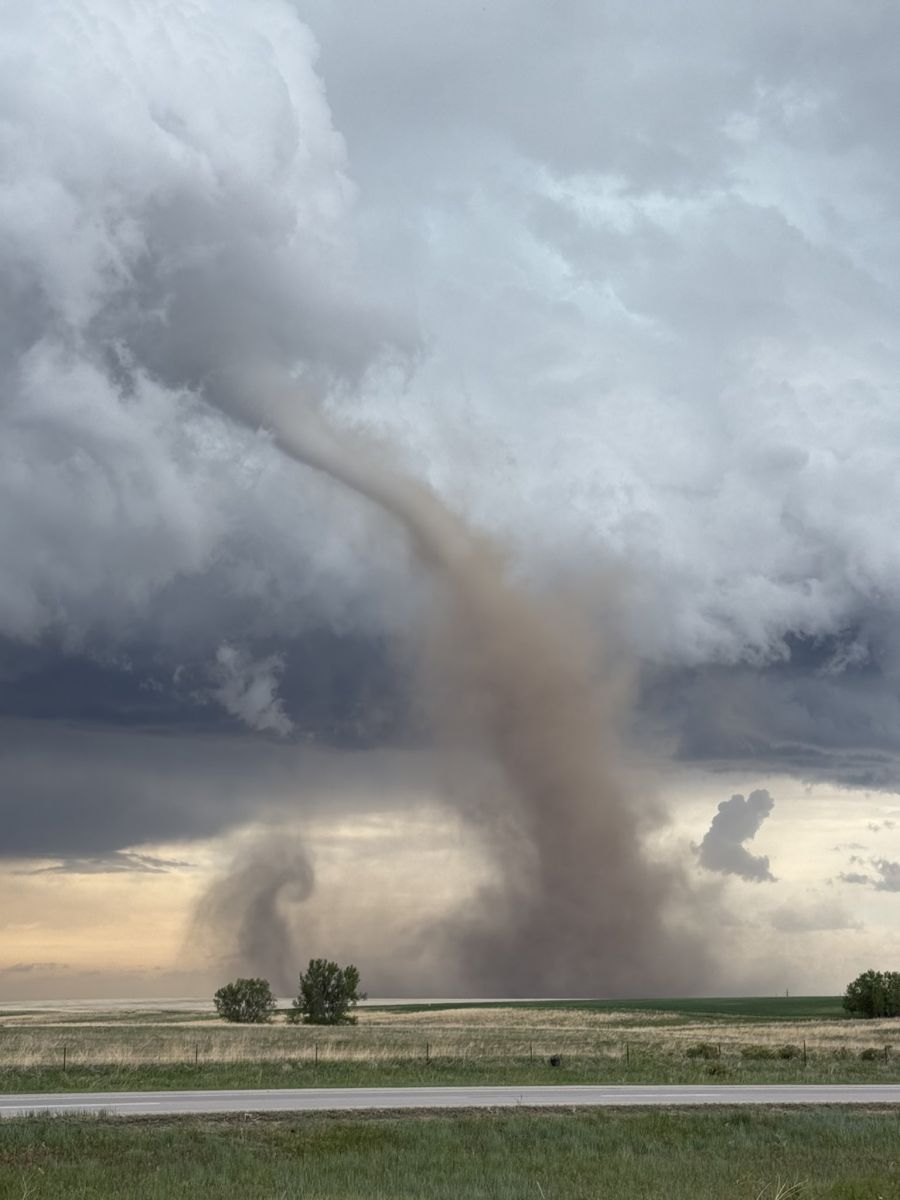
Balancing Adventure and Awareness: Enjoying Colorado’s Diverse Landscapes Safely
Colorado’s natural beauty and recreational opportunities are unparalleled, drawing visitors to its majestic peaks, vibrant cities, and tranquil plains. While tornadoes are a real, albeit often localized and infrequent, phenomenon, they should not deter tourists from experiencing all that the Centennial State has to offer. Instead, they serve as a reminder of the importance of being aware of one’s surroundings and understanding local weather patterns.
By taking a few precautionary steps – checking forecasts, knowing local safety protocols, and understanding how to react to warnings – tourists can ensure their Colorado adventure is not only thrilling but also safe. The state’s tourism infrastructure is well-versed in addressing various weather challenges, and local authorities, including the National Weather Service and local Emergency Alert System providers, work diligently to keep residents and visitors informed. Embrace the beauty of Colorado, plan smartly, and enjoy a memorable and secure journey.
LifeOutOfTheBox is a participant in the Amazon Services LLC Associates Program, an affiliate advertising program designed to provide a means for sites to earn advertising fees by advertising and linking to Amazon.com. Amazon, the Amazon logo, AmazonSupply, and the AmazonSupply logo are trademarks of Amazon.com, Inc. or its affiliates. As an Amazon Associate we earn affiliate commissions from qualifying purchases.