
Florida, often synonymous with sun-drenched beaches, vibrant theme parks, and a relaxed lifestyle, also experiences its share of dramatic weather. While many associate the Sunshine State with tropical storms and hurricanes, tornadoes are another atmospheric phenomenon that can impact the region. Understanding when these powerful vortices have last touched down in Florida is crucial for both residents and the millions of tourists who flock to its shores each year. This article delves into the history of tornadoes in Florida, offering insights relevant to travel, tourism, and lifestyle choices within the state.
Understanding Florida’s Tornado Landscape
Florida’s unique geographical position makes it susceptible to various weather patterns that can spawn tornadoes. Situated in a peninsula with warm, moist air from the Gulf of Mexico and the Atlantic Ocean frequently meeting cooler, drier air from the north, the conditions are ripe for instability in the atmosphere. This instability is a key ingredient for the development of thunderstorms, which are the birthplace of most tornadoes.

The Role of Thunderstorms and Frontal Systems
Tornadoes in Florida are most commonly associated with severe thunderstorms, particularly those that form along cold fronts. As a cold front pushes southward, it lifts the warm, moist air ahead of it, creating a powerful updraft. If the atmospheric conditions are right, this updraft can begin to rotate, forming a mesocyclone, which is the precursor to a tornado.
Unlike the vast plains of states like Texas or Oklahoma, where long-lived, supercell thunderstorms are common, Florida’s tornadoes are often shorter-lived and less intense. They are frequently embedded within squall lines or tropical systems. This means that while devastating tornadoes are less common than in some other parts of the country, the threat is still present and needs to be considered, especially during certain times of the year.
Seasonal Trends and Peak Tornado Activity
While tornadoes can occur in Florida at any time of the year, there are distinct peak seasons. The spring months, from March to May, are generally considered the most active period for tornado outbreaks in the state. During this time, cold fronts are more frequent and intense, interacting with the already warm and humid air.
However, the late summer and early fall, particularly during the hurricane season (June 1 to November 30), can also see tornadoes. These tornadoes are often embedded within the rain bands of tropical cyclones, including hurricanes and tropical storms. While these tornadoes might be weaker than those produced by supercells, they can still cause significant damage, especially in densely populated coastal areas. Understanding these seasonal trends can help individuals and businesses in Florida prepare for potential weather events. For travelers, this means being aware of the prevailing weather conditions when planning a trip, especially during these peak periods.
Recent Tornado Activity in Florida
Pinpointing the exact date of the “last” tornado in Florida requires constant monitoring of weather data. Tornadoes are a relatively frequent occurrence in the state, and official records are maintained by meteorological agencies. It’s important to distinguish between an official tornado report and a general severe thunderstorm warning.
Tornadoes in Specific Regions and Cities
Florida’s diverse geography means that tornado activity is not evenly distributed. Some areas are historically more prone to tornadoes than others. For instance, the densely populated southwestern coast, including cities like Fort Myers and Naples, has seen significant tornado impacts in recent years. Similarly, the central Florida region, known for its numerous lakes and attractions, also experiences tornado events.

The Tampa Bay area, encompassing cities like Tampa and St. Petersburg, is another region that has experienced notable tornado activity. These events can impact major infrastructure, including hotels, resorts, and tourist attractions, underscoring the need for preparedness among businesses and travelers alike.
Notable Tornado Events and Their Impact
Florida has experienced several notable tornado events throughout its history, some of which have been devastating. While a comprehensive list is extensive, understanding the impact of these events highlights the importance of staying informed about weather advisories. For example, a significant outbreak in February 2008 caused widespread damage across the state, particularly in the Lakeland and Polk County areas, resulting in fatalities and extensive destruction of homes and businesses.
More recently, tornadoes have been observed in various parts of the state, often associated with strong cold fronts or tropical systems. These events, even if short-lived, can lead to significant disruptions for travelers, impacting flights, road travel, and access to accommodations. Knowing when the last tornado touched down in a specific area of Florida can offer a localized perspective on recent weather patterns.
Planning Your Florida Visit: Weather Awareness and Safety
For anyone planning a trip to the Sunshine State, understanding the potential for tornadoes is an important aspect of travel planning. This knowledge can influence the choice of destination, the timing of your visit, and the precautions you take.
Travel Tips for Tornado-Prone Periods
When traveling to Florida during the spring tornado season (March-May) or the hurricane season (June-November), it’s advisable to:
- Monitor Weather Forecasts: Stay updated on the weather forecast daily, paying close attention to severe weather advisories issued by the National Weather Service.
- Book Flexible Accommodations: Consider hotels or resorts that offer flexible cancellation policies, especially if your travel dates fall within a period of anticipated severe weather. Properties like the Hyatt Regency Grand Cypress or The Breakers Palm Beach often have such policies for guests.
- Understand Your Accommodation’s Safety Plan: Familiarize yourself with the tornado safety procedures of your chosen hotel, resort, or vacation rental. Know where designated shelter areas are located within the building.
- Be Prepared for Disruptions: Have a contingency plan in case of weather-related travel disruptions. This might include having extra cash on hand, charging electronic devices, and having essential supplies.
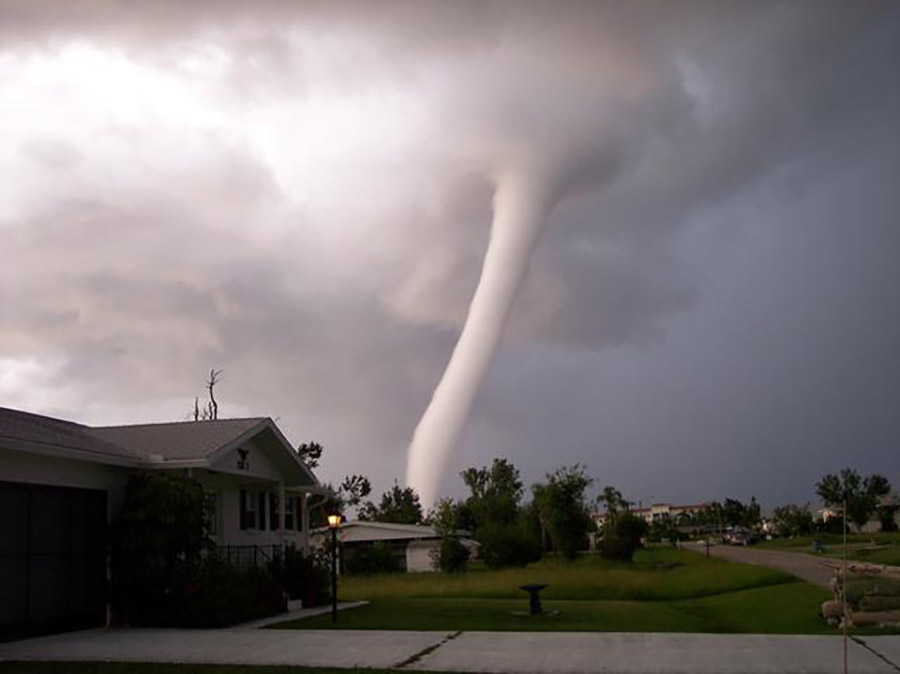
Safety Measures During a Tornado Warning
If a tornado warning is issued for the area where you are staying, immediate action is required:
- Seek Shelter Immediately: Move to the lowest level of the building, such as a basement or an interior room on the lowest floor, away from windows.
- Stay Informed: Continue to monitor weather alerts via battery-powered radios, NOAA Weather Radio, or smartphone apps.
- Protect Yourself: If caught outdoors, lie flat in a ditch or other low-lying area and cover your head with your arms. Never seek shelter under an overpass.
By staying informed and prepared, travelers can significantly mitigate the risks associated with tornadoes and other severe weather events, ensuring a safer and more enjoyable experience in Florida.
In conclusion, while Florida is a premier tourist destination, it’s essential to acknowledge and prepare for all types of weather, including tornadoes. Understanding when the last tornado touched down in Florida, especially in your specific travel area, is part of a comprehensive approach to responsible travel and a safe lifestyle.
LifeOutOfTheBox is a participant in the Amazon Services LLC Associates Program, an affiliate advertising program designed to provide a means for sites to earn advertising fees by advertising and linking to Amazon.com. Amazon, the Amazon logo, AmazonSupply, and the AmazonSupply logo are trademarks of Amazon.com, Inc. or its affiliates. As an Amazon Associate we earn affiliate commissions from qualifying purchases.