
The Pacific Northwest, including the coast of Oregon, is a region of breathtaking natural beauty, characterized by rugged coastlines, dense forests, and the ever-present, powerful Pacific Ocean. While its scenic vistas and recreational opportunities draw millions of visitors annually, the region also sits atop a geologically active zone. Understanding the natural forces at play, including the potential for significant seismic events and subsequent tsunamis, is crucial for both residents and travelers. The question of “When was the last tsunami in [Oregon]?” is not merely an academic one; it touches upon the dynamic geological history of the Pacific Northwest and the ongoing need for preparedness.
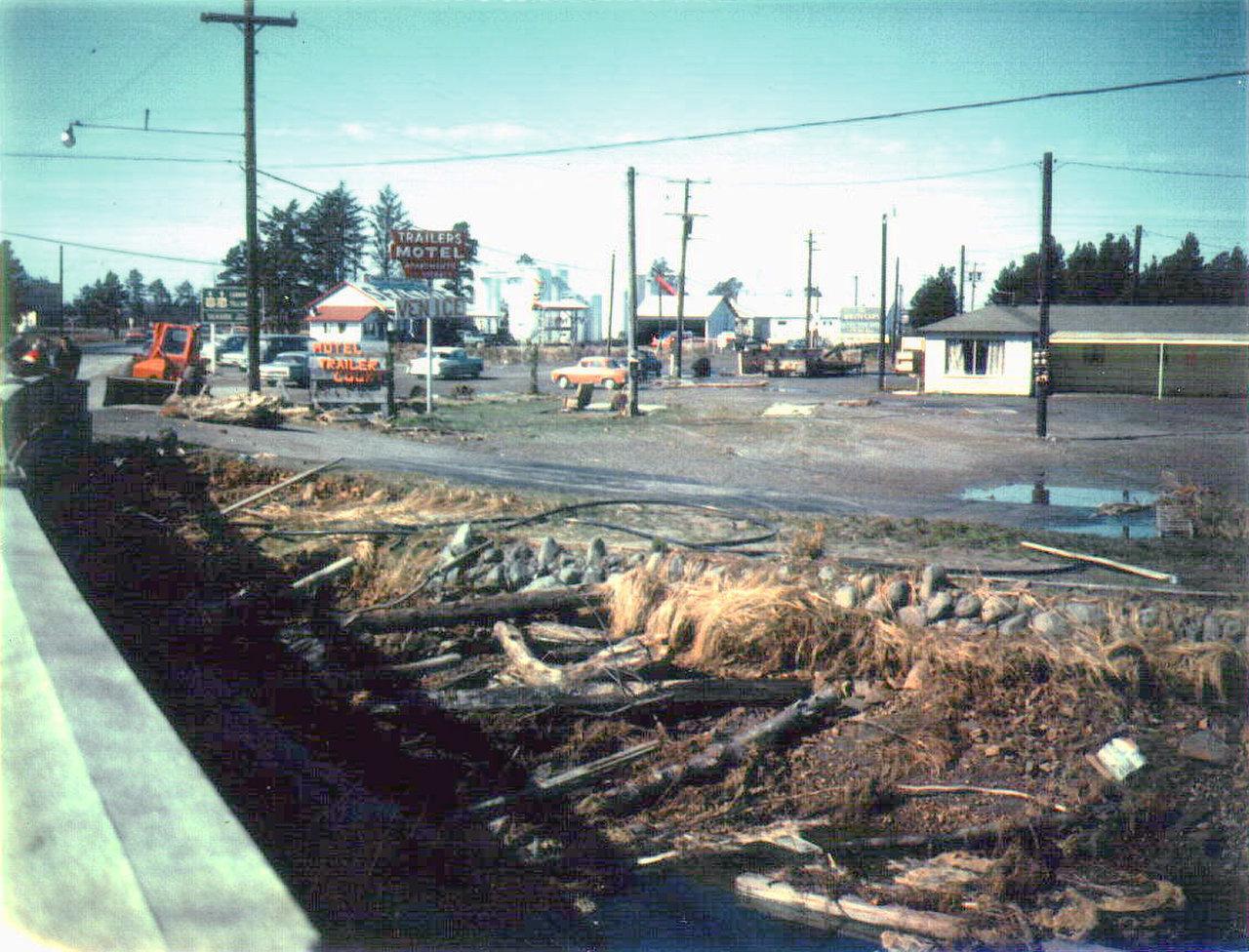
Understanding Tsunami Triggers in the Pacific Northwest
Tsunamis are a series of enormous waves generated by large-scale disturbances, most commonly underwater earthquakes. The Pacific Ring of Fire, a horseshoe-shaped zone of intense seismic and volcanic activity, encircles the Pacific Ocean. The Cascadia Subduction Zone, located off the coast of Oregon, Washington, and British Columbia, is a major source of seismic hazard for the region. This is where the Juan de Fuca tectonic plate is slowly sliding beneath the North American plate. The immense pressure built up over centuries can be released in a massive earthquake, capable of generating destructive tsunamis.
The Cascadia Subduction Zone: A Seismic Powerhouse
The Cascadia Subduction Zone is capable of producing mega-thrust earthquakes, similar to those that have caused devastating tsunamis in places like Japan and Chile. Scientific research, including geological evidence from ancient mud deposits and tree rings, indicates that large earthquakes on this fault occur periodically. These events are characterized by significant ground shaking and, crucially for coastal areas, the potential to displace vast amounts of ocean water, leading to tsunamis.
Other Potential Tsunami Sources
While the Cascadia Subduction Zone is the primary concern for large, locally generated tsunamis, other events can also produce waves that impact the Oregon coast. These include:
- Distant Earthquakes: Large earthquakes occurring in other parts of the Pacific Ocean can generate tsunamis that travel across the ocean basin. These “tele-tsunamis” can take several hours to reach the Oregon coast, offering more time for warning and evacuation. The 2011 Tōhoku earthquake and tsunami in Japan is a prime example, causing measurable wave heights and some damage along the Oregon coast.
- Underwater Landslides: While less common, significant underwater landslides can also displace water and generate localized tsunami waves.
Documented Tsunami Events in Oregon
Pinpointing the absolute last tsunami to reach the shores of Oregon requires careful consideration of what constitutes a “tsunami” and the historical record. Scientifically, a tsunami is a series of waves. However, the most significant and destructive events are often referred to.
The 1700 Cascadia Earthquake and Tsunami: The Prehistoric Giant
The most significant and well-documented tsunami event that impacted Oregon occurred on January 26, 1700. This was not a distant tsunami, but one generated by a colossal earthquake on the Cascadia Subduction Zone. This “mega-thrust” earthquake is estimated to have been a magnitude 9.0, rupturing the entire length of the fault from northern California to southern British Columbia.
The immediate consequence was catastrophic shaking that lasted for several minutes. However, the most devastating impact on coastal areas came from the resulting tsunami. Geological evidence found along the Oregon coast, such as layers of sand deposited inland and the drowning of coastal forests, clearly indicates the powerful reach of this prehistoric wave. Evidence from oral histories of the Native American tribes in the region also describes a massive wave that inundated coastal villages. This event serves as the benchmark for understanding the potential tsunami hazard in Oregon.
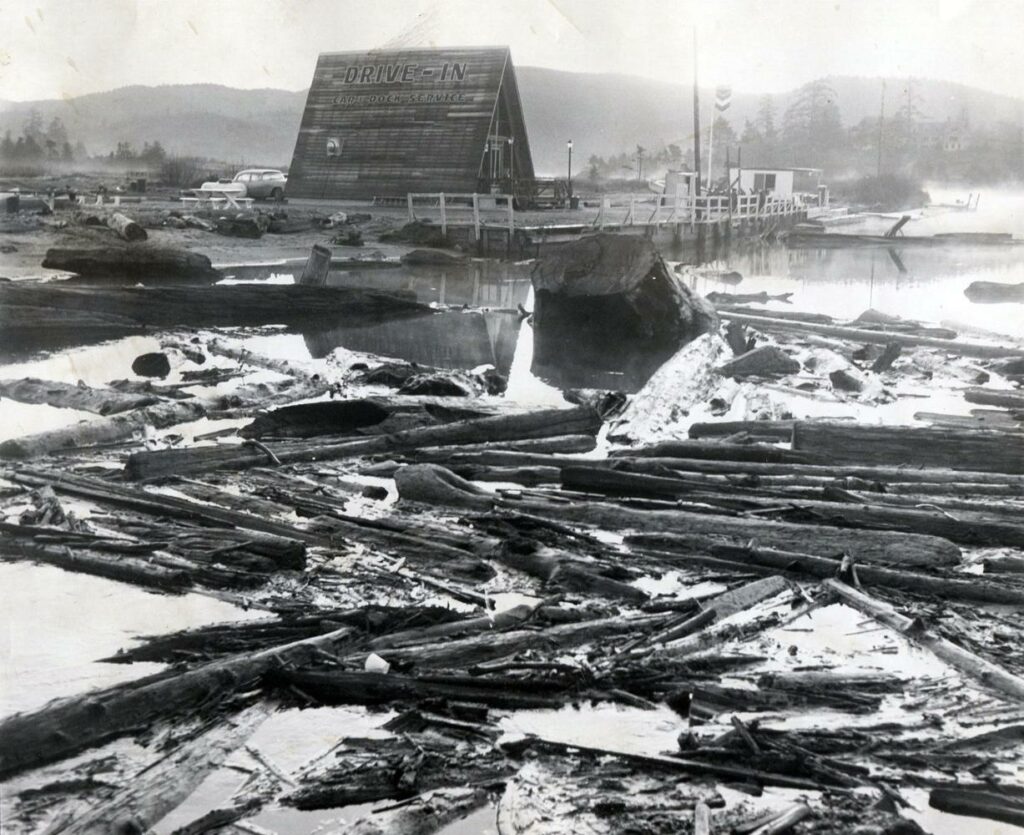
Tsunami Impacts from Distant Earthquakes: The More Recent Past
While the 1700 event was a massive, locally generated tsunami, Oregon has experienced the effects of tsunamis generated by distant earthquakes more recently. The most notable of these was the tsunami generated by the magnitude 9.0-9.1 Tōhoku earthquake and tsunami off the coast of Japan on March 11, 2011.
This tsunami traveled across the entire Pacific Ocean and reached the Oregon coast approximately 10-11 hours after the earthquake. While the waves were significantly diminished compared to their devastating impact in Japan, they were still substantial enough to cause noticeable effects:
- Inundation: The waves caused minor flooding in low-lying coastal areas, particularly around bays and estuaries like Tillamook Bay and the mouth of the Columbia River.
- Damage: Docks, piers, and some coastal infrastructure sustained damage. Debris was carried inland by the surging water, and some boats were swept from their moorings.
- Educational Impact: The 2011 tsunami served as a stark, real-world reminder of Oregon’s vulnerability to Pacific-wide tsunami events. It highlighted the effectiveness of the warning systems and the importance of evacuation procedures.
Therefore, when considering “the last tsunami in [Oregon],” the 2011 event is the most recent significant impact from a tsunami, albeit one generated far from the state’s shores.
Preparedness and Future Outlook
The geological reality of the Cascadia Subduction Zone means that Oregon is overdue for another major earthquake and a subsequent, locally generated tsunami. Scientists estimate that such events occur, on average, every 300 to 500 years. The last one was in 1700, placing the region within the timeframe for the next major rupture.
Tsunami Warning Systems and Evacuation Routes
Recognizing this inherent risk, state and local agencies in Oregon have invested heavily in tsunami preparedness. This includes:
- Tsunami Hazard Maps: Detailed maps identify areas at high risk of inundation from both local and distant tsunamis. These maps are essential for planning evacuation routes and land-use regulations.
- Warning Systems: The National Weather Service operates the Tsunami Warning System, which detects and disseminates warnings for Pacific-wide tsunamis. For a local Cascadia event, seismic detection would trigger immediate warnings.
- Evacuation Routes: Clearly marked evacuation routes are established in coastal communities, directing residents and visitors to higher ground away from immediate coastal inundation zones.
- Public Education: Ongoing public education campaigns aim to inform communities about tsunami risks, warning signs, and essential preparedness actions, such as having an emergency kit and a family communication plan.
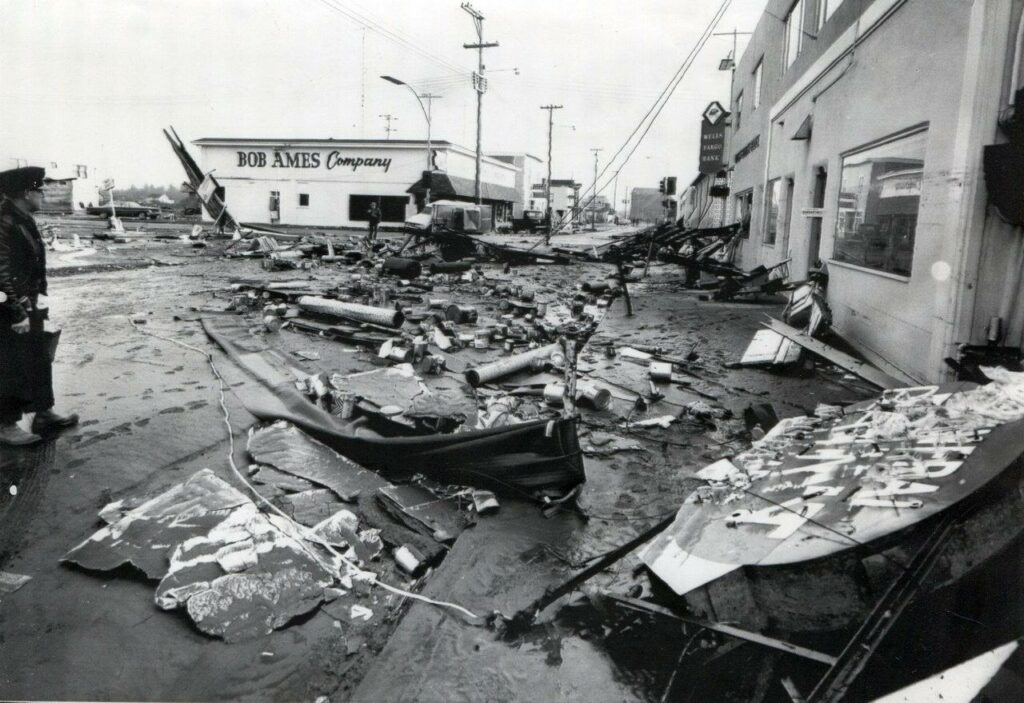
Staying Safe on the Oregon Coast
For visitors to the Oregon coast, understanding the potential for tsunamis is part of responsible travel.
- Heed Warnings: Always pay attention to official warnings issued by emergency management agencies.
- Know Your Surroundings: Familiarize yourself with the location of designated evacuation routes and elevated safe zones.
- Understand Natural Signs: If you are on the coast and feel a strong earthquake that makes it difficult to stand, or if you notice the ocean receding unusually far from the shore, it could be a sign that a tsunami is imminent. In such cases, move immediately to higher ground.
- Respect Posted Signs: Tsunami hazard and evacuation route signs are there for your safety.
The question of “When was the last tsunami in [Oregon]?” is answered by acknowledging both the significant historical event of 1700 and the more recent, less impactful but still noteworthy arrival of waves from the 2011 Japan tsunami. The ongoing scientific study of the Cascadia Subduction Zone underscores the importance of continuous preparedness, ensuring that the stunning Oregon coast can be enjoyed safely by generations to come.
LifeOutOfTheBox is a participant in the Amazon Services LLC Associates Program, an affiliate advertising program designed to provide a means for sites to earn advertising fees by advertising and linking to Amazon.com. Amazon, the Amazon logo, AmazonSupply, and the AmazonSupply logo are trademarks of Amazon.com, Inc. or its affiliates. As an Amazon Associate we earn affiliate commissions from qualifying purchases.