
Oregon, a jewel of the Pacific Northwest, is renowned for its diverse landscapes, from windswept coastlines and lush forests to arid high deserts. Yet, beneath this verdant veneer lies a fiery geological past and present, a testament to the powerful forces that shaped this remarkable state. The question, “When was the last volcano eruption in Oregon?” delves into the very heart of its dynamic landscape, revealing a history punctuated by dramatic geological events that have sculpted some of its most iconic landmarks and continue to draw travelers seeking adventure and natural beauty.
For those planning travel to Oregon, understanding its volcanic story isn’t just a lesson in geology; it’s a key to unlocking unique experiences, from hiking majestic peaks to exploring ancient lava flows. This guide will take you through the vibrant volcanic history of Oregon, pinpoint its most recent volcanic stirrings, and highlight the incredible tourism opportunities that have emerged from this powerful natural heritage. Whether you’re seeking a luxurious resort stay near a volcanic peak or an adventurous trek across volcanic terrain, Oregon’s fiery past offers an irresistible invitation to explore.

Oregon’s Volcanic Legacy: A Land Forged by Fire
Oregon’s geological narrative is inextricably linked to volcanism. Situated on the infamous Pacific Ring of Fire, the state is a prime example of a landscape continually reshaped by tectonic activity. The subduction of the Juan de Fuca Plate beneath the North American Plate has created a chain of stratovolcanoes known as the Cascade Range, stretching from northern California to southern British Columbia. These majestic peaks are not merely mountains; they are active, though mostly dormant, volcanoes, each with its own story of eruption and repose.
This volcanic activity has not only given Oregon its dramatic skyline but also its fertile soils, unique hydrological systems, and a wealth of geothermal features. The resulting landscape is a paradise for adventurers, offering everything from alpine skiing on volcanic slopes to exploring intricate lava tubes. Understanding this deep geological connection enriches every visit, turning a scenic drive into a journey through time and a hike into an exploration of Earth’s raw power.
The Cascade Range: A String of Sleeping Giants
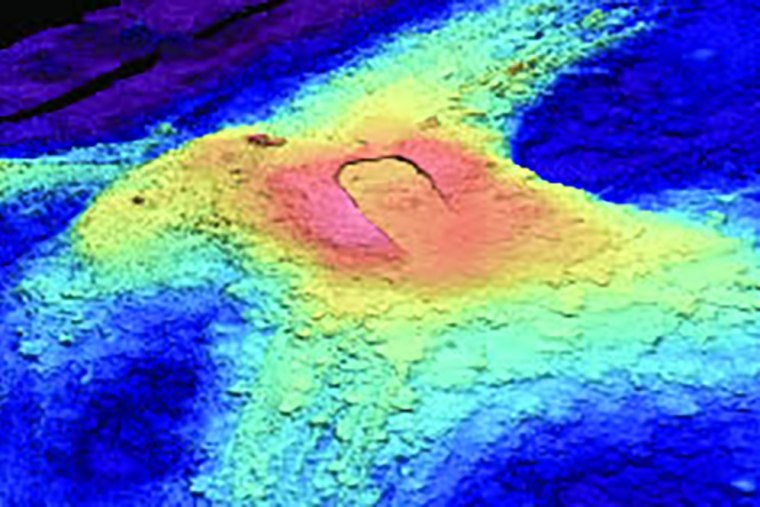
The Cascade Range dominates the western portion of Oregon, forming a natural backbone that influences everything from weather patterns to cultural identities. Within Oregon alone, this chain includes prominent volcanoes such as Mount Hood, the state’s highest peak; the iconic Three Sisters Wilderness (North Sister, Middle Sister, and South Sister); Mount Jefferson; and Mount Bachelor. Each of these stratovolcanoes is considered potentially active, meticulously monitored by the US Geological Survey (USGS) and other scientific bodies.
While these giants are currently in a state of slumber, their past activity has left an indelible mark. Crater Lake National Park, for instance, is the breathtaking caldera of what was once Mount Mazama, which collapsed around 7,700 years ago in one of the most explosive eruptions in North American history. This dramatic event left behind the deepest lake in the United States, a stunning sapphire-blue expanse that attracts visitors from around the globe. The Cascade Range is not just a collection of peaks; it’s a living, breathing geological marvel, offering endless opportunities for adventure and reflection.
The Most Recent Stirrings: Mount Hood and Beyond
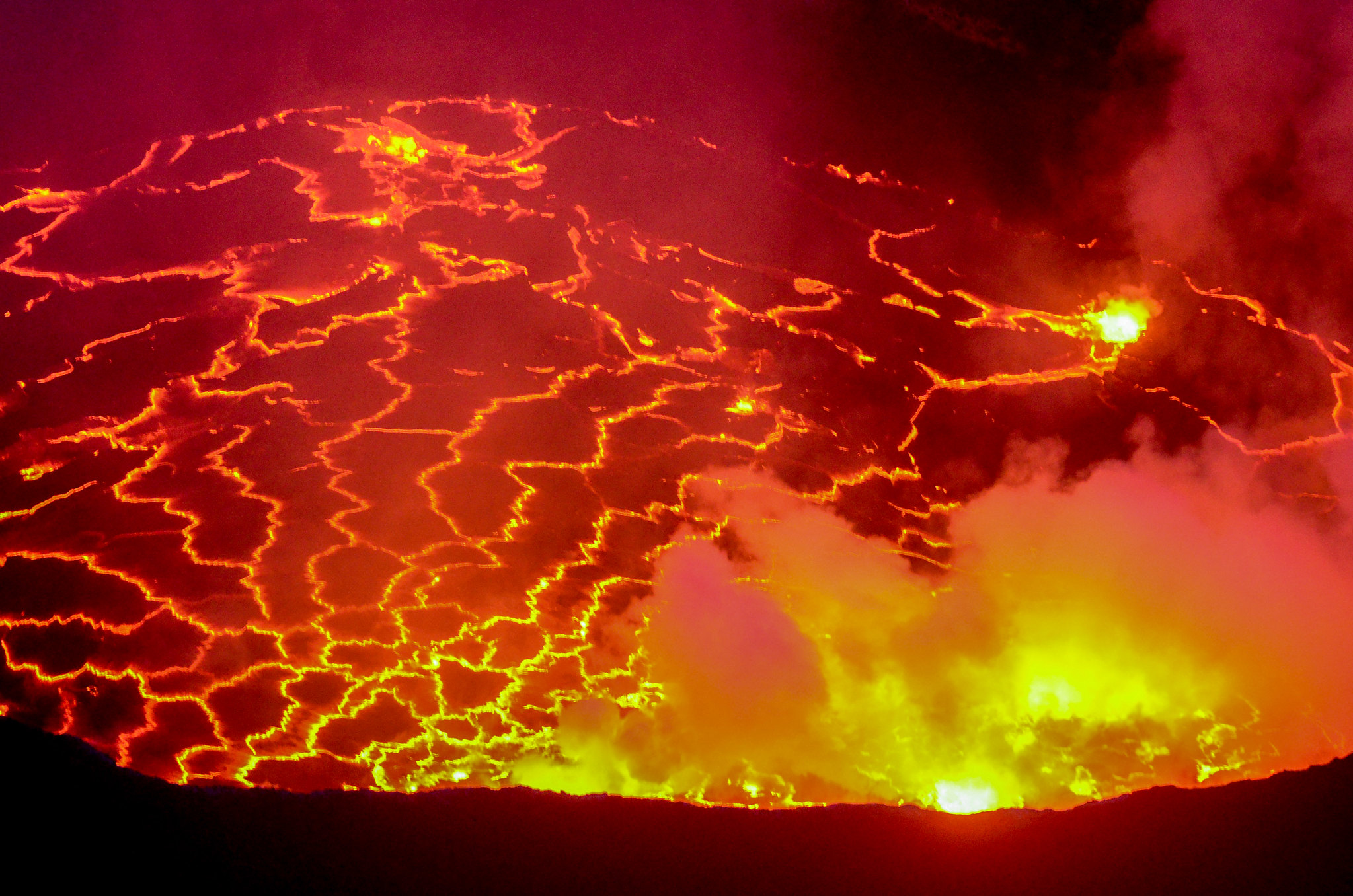
When discussing the last volcano eruption in Oregon, it’s important to distinguish between minor activity (like gas emissions or seismic swarms) and significant effusive or explosive eruptions. The most recent, substantial eruption in Oregon occurred at Mount Hood between 1781 and 1793. This period saw a series of relatively small explosive eruptions and the extrusion of a lava dome, which formed what is known today as the “Crater Rock.” These events were minor compared to ancient eruptions, but they represent the most recent magmatic activity to break the surface within the state.
Prior to Mount Hood’s late 18th-century activity, other notable eruptions within Oregon include:
- Newberry Volcano (part of Newberry National Volcanic Monument): Its last eruption was approximately 1,300 years ago, creating the Big Obsidian Flow, a remarkable landscape of black, glassy rock that visitors can explore today. This volcano is considered one of the most active and potentially hazardous in Oregon.
- South Sister: While not a full eruption, a period of uplift and increased seismic activity occurred between 1997 and 2007, indicating magma movement beneath the volcano. This “bulge” caused concern but eventually subsided, showcasing the dynamic nature of these seemingly dormant giants.
- Mount Mazama (now Crater Lake): As mentioned, this massive eruption around 7,700 years ago was the largest in the last few hundred thousand years in the Cascades and profoundly shaped the region.
It’s crucial to note that while no large-scale, destructive eruption has occurred in Oregon in recent memory, volcanic systems are dynamic. The USGS and the Cascades Volcano Observatory continuously monitor these volcanoes for any signs of unrest, providing early warnings and ensuring public safety for residents and the millions of tourists who visit annually. This constant vigilance allows travelers to confidently enjoy the beauty and majesty of these volcanic landscapes.
Exploring Oregon’s Volcanic Wonders: A Traveler’s Guide
For the adventurous traveler, Oregon’s volcanic terrain is a boundless playground, offering everything from serene lakes nestled in calderas to challenging climbs up glaciated peaks. The interplay of ancient eruptions and ongoing geological processes has created a diverse range of natural attractions that appeal to various lifestyles, from luxury travel experiences to rugged backcountry adventure.
Iconic Volcanic Landmarks and Attractions
- Crater Lake National Park: An absolute must-see, this park offers unparalleled views of the deepest lake in the U.S., formed by the collapse of Mount Mazama. Visitors can drive the scenic Rim Drive, hike to numerous viewpoints, take a boat tour to Wizard Island, or simply marvel at the intense blue of the water. The park offers seasonal accommodation at Crater Lake Lodge, providing a truly immersive experience amidst this volcanic wonder.
- Newberry National Volcanic Monument: Located just south of Bend in Central Oregon, this monument encompasses the caldera of Newberry Volcano, one of the largest volcanoes in the Cascades. Here, you can explore the Big Obsidian Flow, hike to volcanic cones, visit two pristine lakes (East Lake and Paulina Lake) within the caldera, and even descend into lava caves. It’s a fantastic destination for family trips and geological enthusiasts.
- Mount Hood National Forest: Dominating the skyline east of Portland, Mount Hood is an outdoor recreation hub. Its flanks are home to the historic Timberline Lodge, a National Historic Landmark offering year-round skiing, hiking, and luxurious accommodation. The surrounding forest boasts countless trails, waterfalls in the Columbia River Gorge (itself a product of vast basalt flows), and scenic viewpoints.
- Three Sisters Wilderness: Near Bend, this wilderness area offers some of Oregon’s most stunning backcountry hiking and camping. The towering peaks of North Sister, Middle Sister, and South Sister, along with Broken Top and Mount Bachelor, create a dramatic landscape of glaciers, alpine lakes, and volcanic formations. Permits are often required for popular trails, reflecting the area’s popularity.
- Smith Rock State Park: While not a volcano itself, this world-renowned rock climbing destination near Terrebonne features spectacular volcanic tuff and basalt cliffs carved by the Crooked River. It offers breathtaking vistas and challenging activities for climbers, hikers, and photographers.
Activities and Experiences for Every Adventurer
Oregon’s volcanic regions provide a myriad of activities for every type of traveler:
- Hiking and Backpacking: From day hikes to multi-day treks on the Pacific Crest Trail, the Cascades offer trails for all skill levels. Explore alpine meadows, climb to panoramic summits, and discover hidden waterfalls.
- Skiing and Snowboarding: Mount Hood boasts several ski resorts, including Timberline Lodge and Mount Hood Meadows, offering extensive terrain and even summer skiing opportunities. Mount Bachelor near Bend is another premier destination for winter sports.
- Caving and Lava Tube Exploration: Delve into the subterranean world at places like the Lava Cave at Newberry National Volcanic Monument or the many lava tubes near Bend and along the Cascade Lakes Highway. These unique experiences offer a fascinating glimpse into the mechanics of lava flows.
- Photography and Scenic Drives: The dramatic landscapes are a photographer’s dream. The Cascade Lakes Scenic Byway, Rim Drive at Crater Lake, and the routes around Mount Hood provide endless opportunities for capturing stunning images of volcanic peaks, pristine lakes, and lush forests.
- Hot Springs: Volcanic activity often creates geothermal features. Oregon is home to several natural hot springs, such as Bagby Hot Springs or Terwilliger Hot Springs (also known as Cougar Hot Springs), offering a relaxing way to unwind after a day of exploration.
- Mountain Biking: Many volcanic areas, particularly around Bend, feature extensive trail networks perfect for mountain biking enthusiasts, offering varying levels of challenge amidst beautiful scenery.
Planning Your Volcanic Adventure: Where to Stay and What to Know
Embarking on a volcanic adventure in Oregon requires thoughtful planning, especially concerning accommodation, safety, and responsible tourism. The state offers a wide range of options, from rustic camping to luxurious resorts, ensuring every traveler finds their ideal base for exploration.
Accommodation Options Near Oregon’s Volcanic Sites
The regions surrounding Oregon’s volcanic landmarks are well-equipped to host visitors, offering diverse hotel and lodging choices:
- Near Mount Hood: The historic Timberline Lodge provides an iconic stay directly on the mountain. Nearby towns like Government Camp, Hood River, and Welches offer a range of hotels, vacation rentals, and cozy cabins. Hood River is also famous for its vibrant food scene and water sports on the Columbia River.
- Near Bend and the Three Sisters Wilderness: Bend itself is a bustling hub for outdoor enthusiasts, with numerous boutique hotels, luxury resorts (like Sunriver Resort), and ample vacation rentals. Options range from downtown hotels with easy access to breweries and restaurants, to quiet lodges nestled in the pines on the outskirts of town, perfect for those exploring Newberry National Volcanic Monument or the Cascade Lakes Scenic Byway.
- Near Crater Lake National Park: Inside the park, Crater Lake Lodge offers stunning views and historical charm, though it books up quickly. Other options include Mazama Village Motor Inn (seasonal) and numerous camping sites. Outside the park, towns like Klamath Falls, Medford, or Ashland provide a wider array of hotels and services, from budget-friendly motels to upscale resorts and charming bed & breakfasts, perfect for exploring Southern Oregon.
- Camping and RV Parks: For those seeking a closer connection to nature, countless developed campgrounds and dispersed camping opportunities are available in the national forests and parks, offering an immersive outdoor experience.
Safety, Tourism Tips, and Responsible Travel
While the risk of a major volcanic eruption in Oregon at any given moment is low, it’s always wise for travelers to be informed and prepared:
- Stay Informed: Check the USGS Cascades Volcano Observatory website for current alerts and information on volcanic activity before your trip, especially if you plan to venture into remote areas or climb active peaks.
- Weather Awareness: Mountain weather can change rapidly, even in summer. Always pack layers, rain gear, and appropriate footwear for hiking. Check forecasts before heading out.
- Hiking Safety: Stick to marked trails, carry enough water and snacks, and inform someone of your itinerary, especially for longer hikes. Be aware of elevation gain and potential snowfields, even in warmer months.
- Leave No Trace Principles: Practice responsible tourism by packing out everything you pack in, staying on designated trails, respecting wildlife, and minimizing your impact on these pristine natural environments. Preserve the beauty of these volcanic landscapes for future generations.
- Permits: Some popular wilderness areas and specific trails, especially in the Three Sisters Wilderness during peak season, require permits for day use or overnight camping. Check with the National Forest Service or National Park Service before your visit.
- Driving Conditions: Roads in mountainous regions can be winding, and some scenic byways may be closed in winter due to snow. Always check road conditions before setting out, especially during spring and fall.
The Enduring Allure: Why Oregon’s Volcanoes Captivate
The answer to “When was the last volcano eruption in Oregon?” leads us not just to a specific date but to a deeper understanding of a state perpetually shaped by geological forces. While the last significant eruption was centuries ago, the active pulse of these sleeping giants continues to define Oregon’s character. From the mesmerizing depths of Crater Lake to the challenging slopes of Mount Hood, the state’s volcanic landmarks offer profound experiences for every traveler.
Visiting Oregon’s volcanic regions is more than just a sightseeing trip; it’s an opportunity to connect with the raw, untamed power of nature, to marvel at the planet’s continuous evolution, and to partake in a legacy forged by fire and ice. Whether you seek thrilling adventure, serene natural beauty, or fascinating geological insights, Oregon’s volcanic heart promises an unforgettable journey that will leave you inspired and awestruck. Plan your trip, prepare for discovery, and immerse yourself in the vibrant, dynamic landscape that defines one of the Pacific Northwest’s most captivating destinations.
LifeOutOfTheBox is a participant in the Amazon Services LLC Associates Program, an affiliate advertising program designed to provide a means for sites to earn advertising fees by advertising and linking to Amazon.com. Amazon, the Amazon logo, AmazonSupply, and the AmazonSupply logo are trademarks of Amazon.com, Inc. or its affiliates. As an Amazon Associate we earn affiliate commissions from qualifying purchases.