
Southern California, a region synonymous with sun-drenched beaches, iconic Hollywood glamour, breathtaking natural landscapes, and vibrant urban centers, beckons millions of travelers each year. From the glittering shores of Malibu to the serene deserts of Palm Springs, and the bustling metropolises of Los Angeles and San Diego, the Golden State offers an unparalleled array of experiences. However, the region also faces a recurring environmental challenge: wildfires. While often devastating, understanding the nature of these events and how to stay informed is crucial for residents and visitors alike, ensuring that your travel plans remain safe and enjoyable.
For those planning a journey to this diverse corner of the world, knowing “Where are the fires in Southern California?” is more than just a matter of curiosity; it’s a vital component of responsible travel and personal safety. This article aims to equip you with the knowledge needed to navigate Southern California’s fire season, offering insights into preparedness, resource utilization, and how to continue enjoying the region’s abundant attractions and accommodations safely.
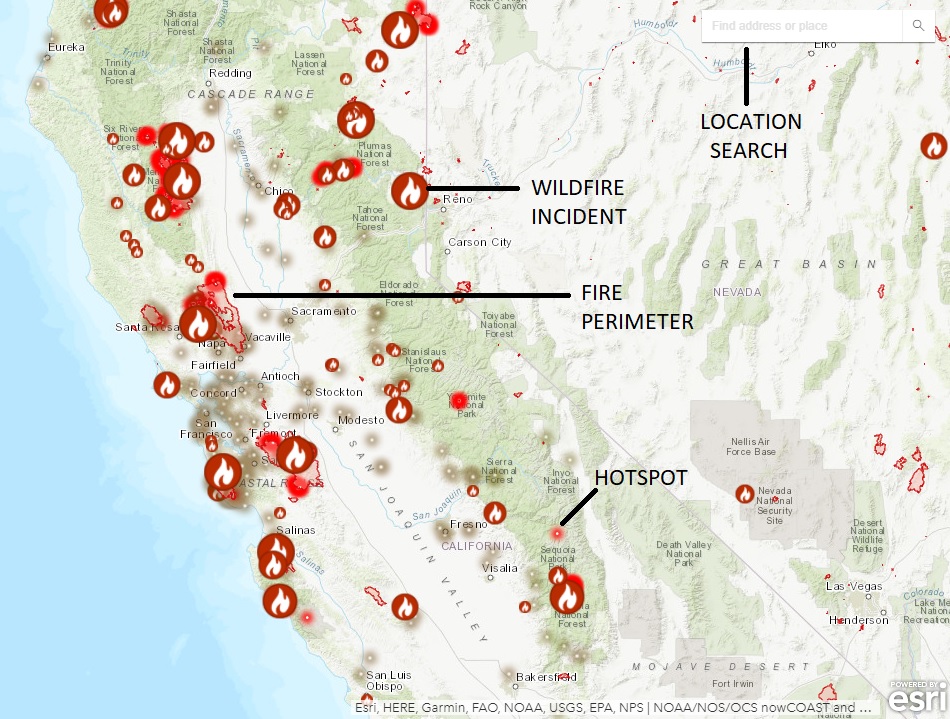
Understanding Southern California’s Wildfire Landscape
Wildfires are a natural, albeit often destructive, part of Southern California’s ecosystem. The region’s unique geography and climate create conditions ripe for fire, particularly during specific times of the year. The primary culprits are the dry chaparral and brush that cover vast areas, combined with extended periods of drought and, most significantly, the infamous Santa Ana winds. These hot, dry winds, typically occurring from late summer through fall, can rapidly spread embers and transform small brush fires into fast-moving infernos, making fire prevention and early detection paramount.
The fire season in Southern California generally peaks from August through November, but can extend beyond these months depending on rainfall and temperature patterns. These fires can impact everything from air quality, which might lead to smoky skies even miles away from the burn area, to the closure of major highways and the issuance of evacuation orders for residential areas and even popular tourist destinations. Understanding these factors is the first step in ensuring a safe and informed visit. This seasonal challenge necessitates a flexible approach to travel planning, especially if your itinerary involves exploring wilderness areas or staying in properties nestled near hillsides and canyons.
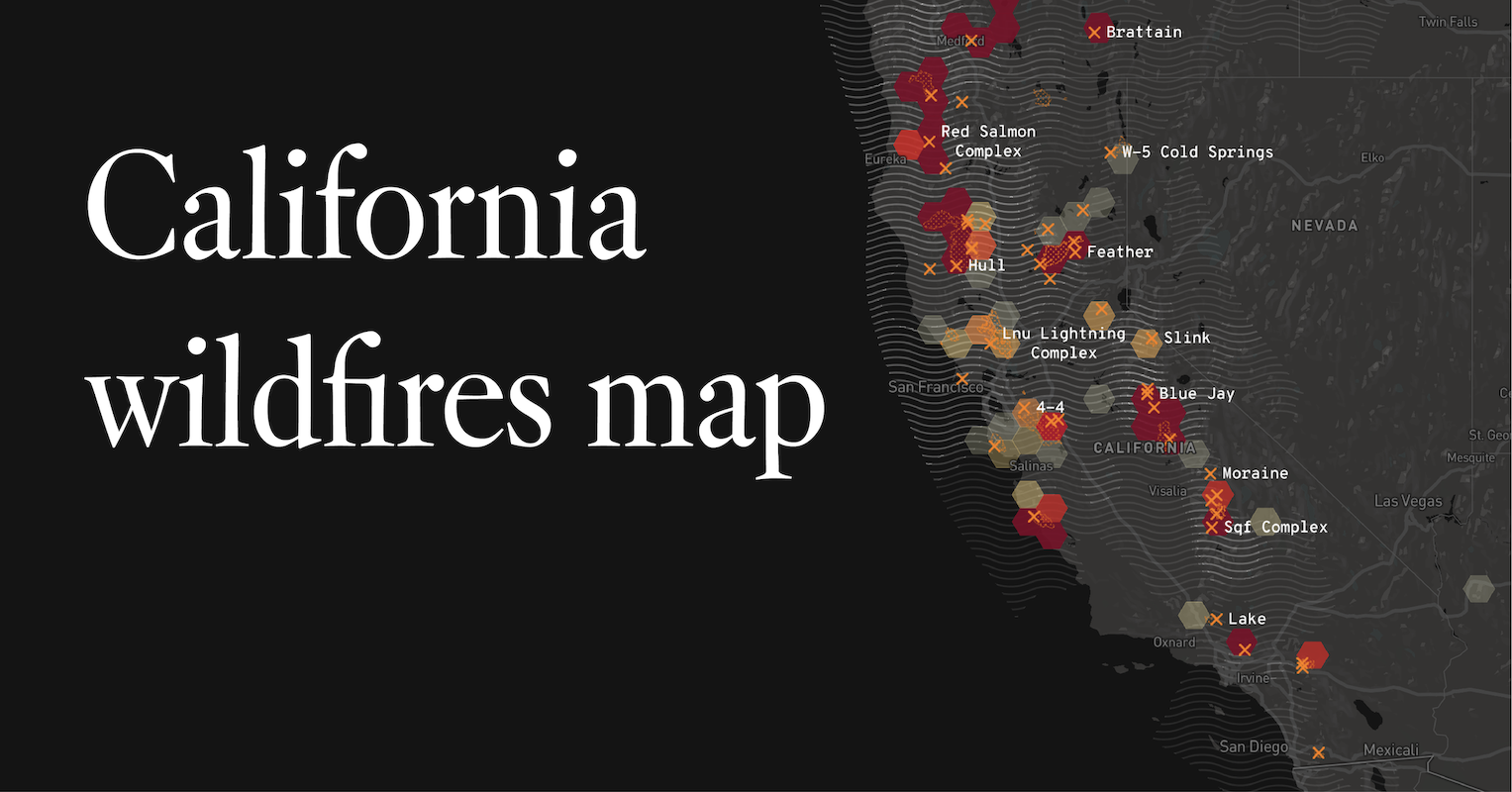
Essential Resources for Real-Time Updates
Staying informed is your best defense against unexpected disruptions. Fortunately, numerous official channels provide real-time updates on active fires, air quality, and road closures. These resources are indispensable for anyone traveling through or residing in Southern California during fire season.
The most critical source of information is CalFire, the California Department of Forestry and Fire Protection. Their website and social media channels offer up-to-the-minute details on fire incidents, including their location, containment status, and any active evacuation warnings. Local county sheriff’s departments and emergency services websites also provide crucial localized information, including specific evacuation zones and community alerts. For road conditions and closures, the Caltrans website is the go-to resource, essential for planning routes and avoiding delays. Additionally, air quality alerts can be monitored through local air quality management districts, which provide data on the Air Quality Index (AQI) to help you decide whether outdoor activities are advisable. By cross-referencing these reliable sources, travelers can gain a comprehensive understanding of the current situation and make informed decisions about their movements and activities.
Navigating Travel During Fire Season: What Travelers Need to Know
Travel to Southern California during fire season doesn’t have to be daunting, but it does require an elevated level of awareness and preparedness. The key is to prioritize safety, remain flexible with your plans, and stay continually updated on local conditions.
First and foremost, heed all official warnings and evacuation orders. Emergency personnel work tirelessly to protect lives and property, and their directives are paramount. Even if a fire seems distant, smoke and rapidly changing wind patterns can quickly alter conditions. Consider travel insurance that covers fire-related cancellations or interruptions, as this can provide peace of mind and financial protection should your plans be disrupted.
When planning your activities, be mindful of where you’re headed. While coastal cities like Santa Barbara, Long Beach, and San Diego are generally less prone to direct fire impact, they can still experience poor air quality due to smoke plume drift. Inland areas, particularly those bordering national forests or wilderness parks such as portions of Angeles National Forest or near Joshua Tree National Park, might be at higher risk or subject to closures. Always check the status of parks and recreational areas before visiting.

Rethinking Your Itinerary: Flexibility and Alternatives
Flexibility is a traveler’s best friend during Southern California’s fire season. If your original plans involve areas currently affected by fire or smoke, be prepared to adjust. This might mean shifting your focus from hiking trails in the hills to urban attractions, coastal walks, or museums.
For instance, if smoke affects the San Bernardino Mountains, you might pivot to exploring the vibrant arts scene in Pasadena, enjoying the theme parks in Anaheim, or relaxing on the beaches of Orange County. The region is so diverse that countless alternatives often lie just a short drive away. Consider attractions like the Getty Center in Los Angeles, the USS Midway Museum in San Diego, or a stroll through Balboa Park. Many hotels and resorts, particularly those in metropolitan areas, are designed with advanced air filtration systems, offering a comfortable sanctuary even if outdoor air quality is temporarily compromised. Embracing this flexibility ensures that your trip remains enjoyable and safe, regardless of local conditions.
Impact on Iconic Destinations and Attractions
Southern California’s rich tapestry of destinations offers something for every traveler, from world-class theme parks like the Disneyland Resort in Anaheim to the natural wonders of its national parks. Wildfires can, at times, affect accessibility or the experience at these iconic spots, making advanced planning crucial.
Urban centers such as Los Angeles, San Diego, and Santa Barbara are typically resilient. While they might experience smoky conditions, the core attractions like the Hollywood Walk of Fame, Universal Studios Hollywood, or the vibrant Gaslamp Quarter in San Diego often remain open. However, natural landmarks and recreational areas in Ventura County, Riverside County, and San Bernardino County, which feature vast wilderness, hillsides, and mountains, are more susceptible to direct fire impact or temporary closure for safety. For instance, sections of the Pacific Coast Highway might be closed if fires threaten coastal communities, and access to popular hiking trails could be restricted. Always verify the operating status of specific attractions, parks, and roads directly with their management or official websites.
Safeguarding Your Stay: Hotels and Resorts in Fire-Prone Areas
For travelers, accommodation is a cornerstone of the travel experience. In Southern California, hotels and resorts, particularly those in scenic, hillside locations like Malibu or Laguna Beach, are often well-versed in emergency preparedness. Many upscale properties, like the Fairmont Miramar Hotel & Bungalows in Santa Monica or the Hotel del Coronado in Coronado, have robust safety protocols, including evacuation plans and advanced air filtration systems.
Before booking, especially during fire season, consider inquiring about your accommodation’s specific safety measures, cancellation policies, and their proximity to natural vegetation. Reputable hotels will have clear communication plans in place for guests in the event of an emergency. If a fire does occur nearby, be prepared for potential temporary disruptions, such as pool closures due to smoke, or even the need for a voluntary or mandatory evacuation. Choosing accommodations in well-established urban centers like Beverly Hills or Downtown Los Angeles might offer a greater sense of security from direct fire impact, though air quality can still be a consideration. Always keep an eye on official alerts and follow the guidance of hotel staff and local authorities.
Exploring Alternative Southern California Gems
When wildfire activity restricts access to certain natural areas, Southern California still boasts an incredible array of indoor and urban attractions that offer equally captivating experiences. Instead of hiking in the hills, consider delving into the world-class museums of Exposition Park in Los Angeles, including the Natural History Museum of Los Angeles County or the California Science Center.
For art enthusiasts, the Broad Museum or the Los Angeles County Museum of Art (LACMA) provide hours of exploration. In San Diego, the San Diego Zoo and various cultural institutions within Balboa Park offer sheltered enjoyment. Even the retail therapy opportunities on Rodeo Drive or the culinary adventures across the region remain vibrant. Coastal areas often present attractive alternatives, with miles of beaches, piers, and boardwalks that are less directly impacted by inland fires. Even during fire season, many luxury resorts like the Ritz-Carlton, Laguna Niguel offer resort amenities, fine dining, and spa services that provide an exceptional and safe escape. Southern California’s versatility ensures that even with disruptions, there are always incredible experiences waiting to be discovered.
Responsible Tourism and Supporting Affected Communities
Being a responsible tourist in Southern California extends beyond personal safety; it also involves mindful engagement with the local environment and economy, especially in times of natural challenge. During and after wildfire events, communities can be deeply affected, and travelers have a role to play in supporting their recovery.
Firstly, respect all emergency warnings and closures. Entering closed areas, even out of curiosity, can hinder emergency operations and put both yourself and rescue personnel at risk. Secondly, if an area has been affected but is deemed safe to visit again, supporting local businesses, hotels, and restaurants is one of the most direct ways to aid in recovery. Many small businesses rely heavily on tourism, and a return to normal patronage can be a lifeline for them. Be patient and understanding with local services, as they may be operating under stressful conditions or with reduced staff. Consider exploring destinations slightly off the beaten path that might benefit from increased visitor traffic. By choosing to visit Southern California responsibly, staying informed, and channeling your tourism dollars thoughtfully, you contribute to the region’s resilience and its ability to bounce back stronger.
Preparing for Your Southern California Adventure
A little preparation goes a long way in ensuring a smooth and safe trip to Southern California, particularly if your visit coincides with fire season.
Beyond checking official fire updates, consider these practical steps:
- Pack Smart: Include essentials like N95 masks for potential smoke exposure, a basic first-aid kit, and any necessary medications. Comfortable clothing suitable for varying temperatures is always a good idea.
- Communication Plan: Ensure your phone is fully charged, and consider carrying a portable power bank. Have a communication plan with travel companions and family, including alternative contact methods if cell service is unreliable in remote areas.
- Vehicle Preparedness: If driving, keep your fuel tank at least half full. Have an emergency kit in your car that includes water, snacks, blankets, and a flashlight. Familiarize yourself with alternative routes to your destinations.
- Accommodation Awareness: Know the emergency exits and procedures for your hotel or rental property. If staying in a vacation rental, confirm with the host about their emergency protocols.
- Stay Hydrated: The Southern California climate can be warm and dry; staying well-hydrated is crucial for overall well-being.
Southern California’s allure is undeniable, and with proper awareness and preparation, you can confidently explore its wonders. By staying informed about potential wildfires, utilizing reliable resources, and embracing flexibility, your visit can be both safe and incredibly rewarding, allowing you to create unforgettable memories in one of the world’s most dynamic destinations.
LifeOutOfTheBox is a participant in the Amazon Services LLC Associates Program, an affiliate advertising program designed to provide a means for sites to earn advertising fees by advertising and linking to Amazon.com. Amazon, the Amazon logo, AmazonSupply, and the AmazonSupply logo are trademarks of Amazon.com, Inc. or its affiliates. As an Amazon Associate we earn affiliate commissions from qualifying purchases.