
Planning a visit to Jacksonville, Florida means preparing for its distinctive climate, which plays a pivotal role in shaping travel experiences, outdoor activities, and even the local lifestyle. Situated in the northeastern corner of the Sunshine State, Jacksonville boasts a humid subtropical climate, characterized by long, hot, and humid summers, complemented by mild, pleasant winters. This unique weather pattern offers a diverse range of experiences throughout the year, making it crucial for travelers to understand what to expect during each season. Whether you’re coming for its beautiful beaches, vibrant culture, historical landmarks, or burgeoning business scene, the weather will undoubtedly influence your itinerary, packing list, and overall enjoyment.
Understanding Jacksonville’s climate goes beyond mere temperature readings; it delves into humidity levels, sunshine hours, and precipitation patterns that define daily life and tourism opportunities. As a gateway to North Florida, this sprawling city, the largest by land area in the contiguous United States, benefits from its proximity to the Atlantic Ocean and the majestic St. Johns River, both of which exert a significant influence on its local weather. This comprehensive guide will navigate you through the seasonal intricacies of Jacksonville’s weather, offering insights into how it impacts your travel plans, accommodation choices, and the array of attractions available, ensuring your trip is as enjoyable and comfortable as possible.
Understanding Jacksonville’s Climate: A Subtropical Overview
Jacksonville’s climate is officially classified as Humid Subtropical Climate, a designation that hints at its key characteristics: warm temperatures year-round and significant humidity, particularly during the warmer months. This climate type is prevalent across the Southeast United States, but Jacksonville’s coastal location adds its own unique flavor, moderating extreme temperatures and often bringing refreshing sea breezes.
General Climate Characteristics
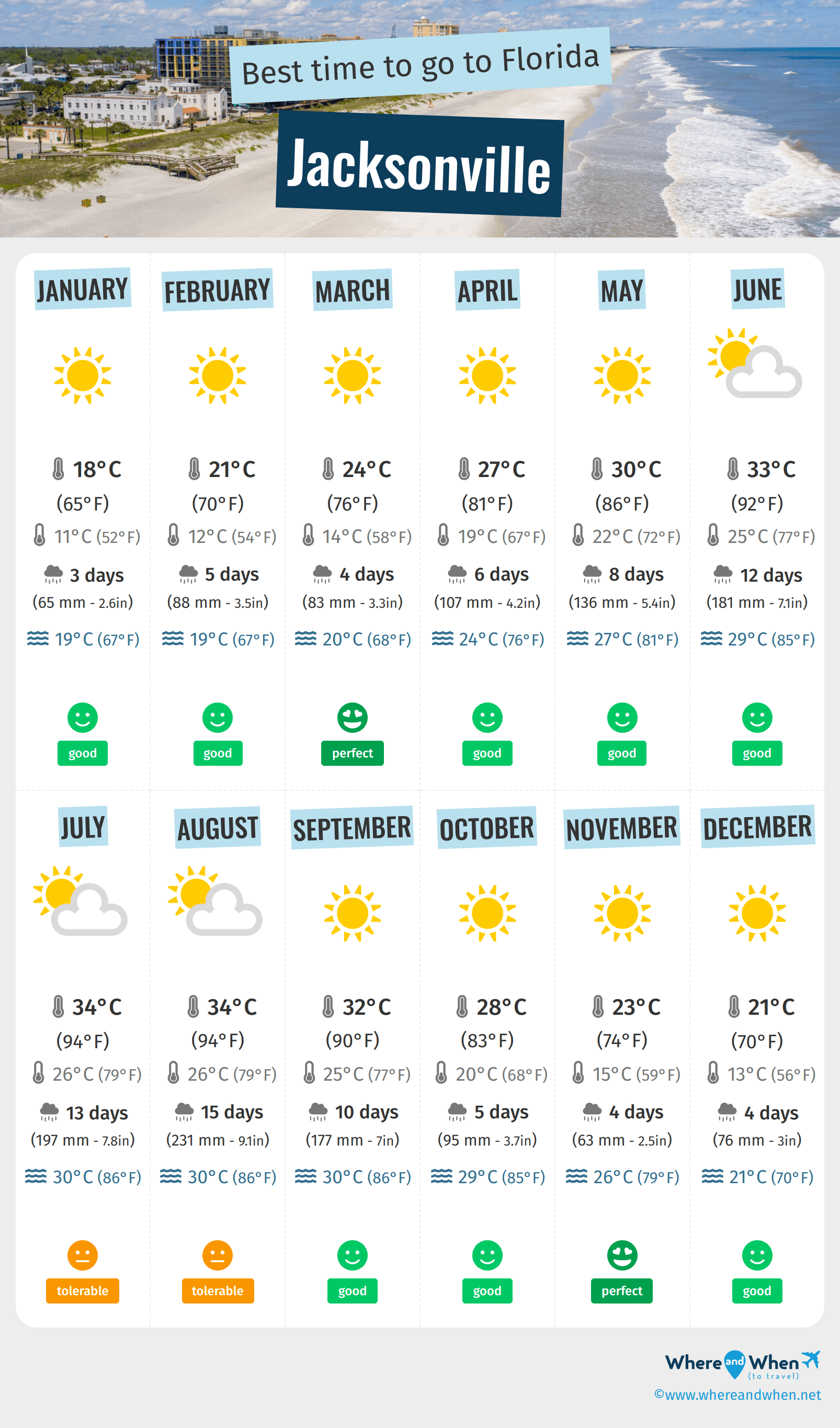
The city enjoys an abundance of sunshine, averaging over 2,800 hours annually, which translates to plenty of bright, sunny days perfect for exploration. Average annual temperatures hover around 68°F (20°C), but this figure masks the distinct seasonal variations. Precipitation is generous, with an average of around 50 inches (1270 mm) of rain per year, primarily concentrated in the summer months through convective thunderstorms. Humidity is a constant companion, especially from late spring through early autumn, often making the actual temperature feel warmer than the thermometer indicates. This necessitates planning for hydration and appropriate clothing, particularly for outdoor excursions.
The proximity to the Atlantic Ocean plays a crucial role in Jacksonville’s climate. Ocean breezes often provide relief from inland heat, especially in coastal areas like Jacksonville Beach, Neptune Beach, and Atlantic Beach. Water temperatures are also influenced by the ocean, remaining warm enough for swimming for a significant portion of the year, from late spring through early fall. The St. Johns River, a vital artery running through the city, also impacts local microclimates, offering waterfront activities and cooler spots along its banks.
Seasonal Nuances: A Brief Introduction
While Jacksonville doesn’t experience the dramatic four-season changes of more northern locales, it does have distinct seasonal patterns that influence tourism and local life.
- Spring (March to May): Generally considered one of the most pleasant times to visit, with mild temperatures and lower humidity.
- Summer (June to August): Hot, very humid, with frequent afternoon thunderstorms. This is prime beach weather, despite the heat.
- Fall (September to November): Marks a transition from summer heat, with gradually decreasing temperatures and humidity. Still warm, but more comfortable than summer. The latter part of fall is often delightful.
- Winter (December to February): Mild and dry, with cool mornings and pleasant afternoons. This season is ideal for outdoor activities without the summer heat.
Each season presents unique opportunities and considerations for travelers, impacting everything from hotel bookings to choices of attractions. Understanding these nuances is key to optimizing your visit to this diverse Florida city.
A Seasonal Guide to Jacksonville Weather and What to Expect
Each season in Jacksonville offers a distinct experience, shaped by temperature, humidity, and rainfall. Planning your visit around these seasonal patterns can significantly enhance your trip.
Spring (March – May): The Sweet Spot for Exploration
Spring in Jacksonville is arguably the most idyllic time of year, making it a favorite for many visitors. Temperatures are wonderfully mild, typically ranging from the low 60s°F (15-18°C) in the mornings to the high 70s°F (24-27°C) by afternoon. Humidity levels are generally lower than in summer, creating a comfortable environment for outdoor activities. Rainfall is moderate, usually in short, refreshing bursts rather than prolonged downpours.
This period is perfect for exploring Jacksonville’s many outdoor attractions. You can enjoy long walks along the pristine sands of Ponte Vedra Beach, cycle through scenic parks like Little Talbot Island State Park or Big Talbot Island State Park, or embark on a kayaking adventure along the Intracoastal Waterway. Cultural events and festivals often take advantage of the superb weather, offering opportunities to immerse yourself in local culture and food. Resorts and hotels may see increased bookings, so early planning for accommodation is advisable.
Summer (June – August): Hot, Humid, and Thundery Delights
Summer in Jacksonville brings classic Florida heat and humidity. Daily high temperatures consistently reach the upper 80s°F (30-32°C) and often climb into the low 90s°F (32-35°C), with heat indices making it feel even warmer. High humidity is a defining characteristic, often lingering around 80-90%. This season is also the wettest, with frequent afternoon thunderstorms. These storms are usually brief but intense, providing a temporary cooldown before the sun returns. Hurricane Season officially begins on June 1st and continues through November. While direct hits are rare, it’s wise to monitor weather forecasts when traveling during this period.
Despite the heat, summer is peak beach season. The Atlantic Ocean waters are warm and inviting, perfect for swimming, surfing, and paddleboarding. Many Jacksonville resorts and hotels feature expansive pools, providing excellent relief from the heat. Indoor attractions like the Cummer Museum of Art & Gardens, the Museum of Science & History (MOSH), and various shopping centers become popular havens during the hottest parts of the day. Hydration and sun protection are paramount, and planning activities around the typical afternoon storm schedule can optimize your day.
Fall (September – November): Cooling Comfort and Continued Sunshine
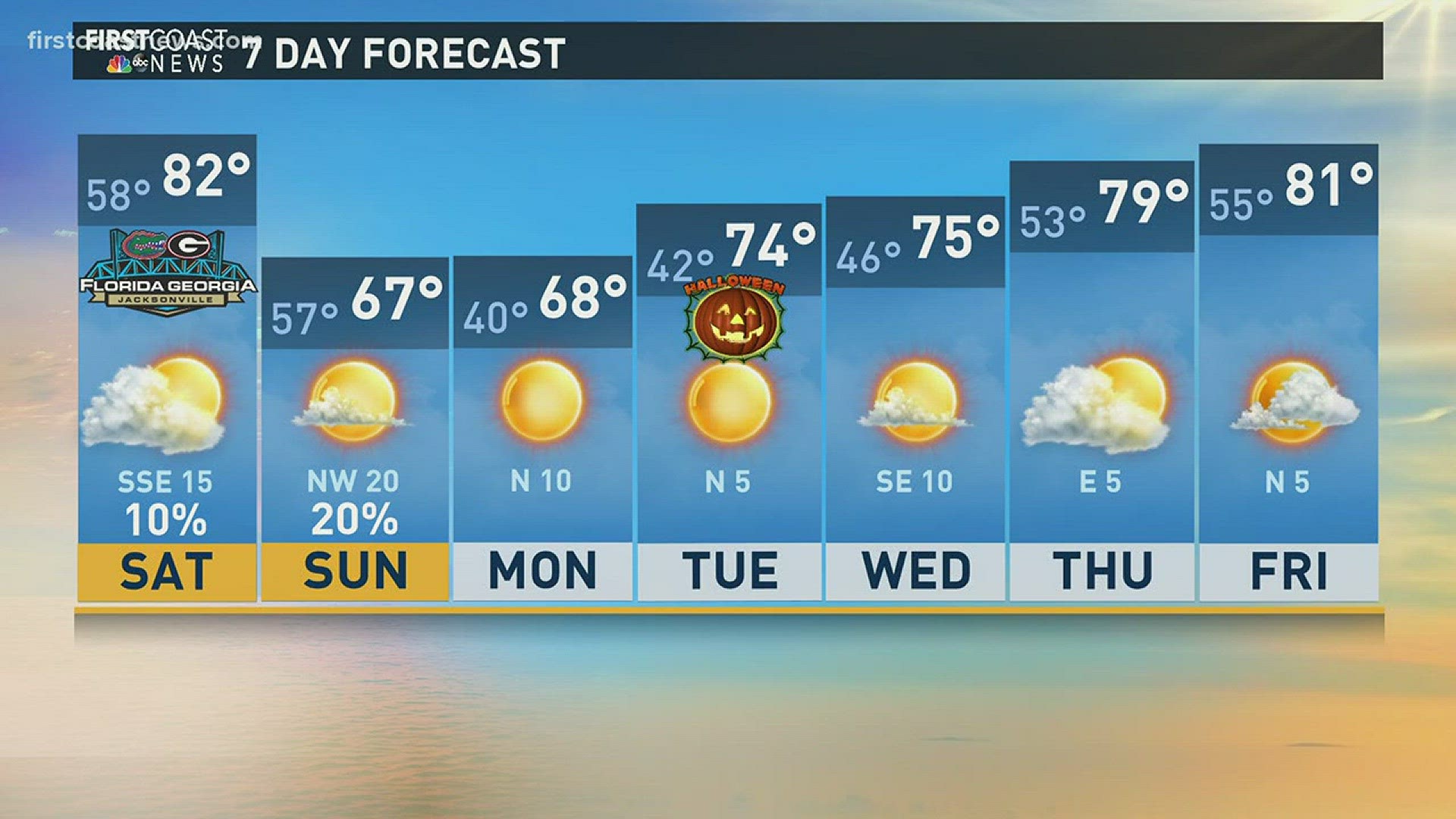
Fall in Jacksonville is a delightful transition, offering a gradual reprieve from summer’s intensity. Early September can still feel very much like summer, with highs in the mid-80s°F (29-31°C) and elevated humidity. However, as the season progresses, temperatures steadily drop into the comfortable 70s°F (21-26°C), and humidity levels decrease significantly. While the threat of hurricanes diminishes towards the end of October, September and October are historically peak months for tropical activity, so travelers should remain vigilant.
The cooler, drier air of late fall creates ideal conditions for outdoor festivals, sporting events, and exploring Jacksonville’s natural beauty. It’s a fantastic time for golfing, fishing, or visiting wildlife sanctuaries like the Catty Shack Ranch Wildlife Sanctuary and the Jacksonville Zoo and Gardens. Major events like the Florida-Georgia Game and various local art fairs draw crowds, contributing to a vibrant atmosphere. Accommodation tends to be slightly less competitive than in spring but can still see surges during popular events.
Winter (December – February): Mild and Marvelous
Jacksonville’s winter is a stark contrast to much of the United States, offering a mild and often sunny escape. Temperatures typically range from cool mornings in the 40s-50s°F (4-12°C) to pleasant afternoons in the 60s-70s°F (15-24°C). Freezing temperatures are rare and usually short-lived. This is the driest season, with clear skies being a common feature.
Winter is an excellent time for those seeking to escape colder climates. It’s perfect for extended outdoor activities like hiking at Fort Caroline National Memorial or within the Timucuan Ecological and Historic Preserve, bird watching, or simply enjoying leisurely strolls along the Riverwalk in Downtown Jacksonville. Golf courses remain in prime condition, and many visitors come to take advantage of the comfortable weather for their sport. Major sporting events, such as the TaxSlayer Gator Bowl, draw significant crowds. While beach swimming might be too chilly for some, the pleasant temperatures are ideal for beachcombing and enjoying the serene coastal environment. Hotels and resorts often cater to a mix of snowbirds and holiday travelers, with varied pricing depending on demand around major holidays.
Planning Your Trip: Weather-Wise Activities and Accommodation
Understanding Jacksonville’s seasonal weather patterns is paramount for optimizing your travel experience. From choosing the best time to visit to packing appropriately and selecting the right accommodation, the climate will be a significant factor in your trip planning.
Best Times to Visit for Optimal Weather
For most visitors, the spring (March-May) and fall (October-November) months offer the most pleasant weather conditions in Jacksonville. These periods feature comfortable temperatures, lower humidity, and less rainfall, making them ideal for exploring the city’s outdoor attractions, enjoying the beaches without the intense summer heat, and participating in various festivals and events. If your priority is comfortable outdoor activity and sightseeing, these seasons are your best bet.
If you’re a fan of hot weather and beach activities, summer (June-August) can still be a fantastic time to visit, provided you’re prepared for the heat and humidity. The warm ocean water is a major draw, and the afternoon thunderstorms, while intense, often pass quickly. Winter (December-February) is perfect for those looking to escape colder northern climates. The mild, sunny days are excellent for golfing, hiking, and enjoying outdoor sports, though beach swimming might be too cool for some.
Preparing for Jacksonville’s Climate: Packing and Tips
Your packing strategy should be dictated by the season of your visit:
- Spring & Fall: Lightweight layers are key. Include light jackets or sweaters for cooler mornings and evenings, comfortable walking shoes, and sun protection (hat, sunglasses, sunscreen).
- Summer: Pack light, breathable clothing made from moisture-wicking fabrics. Swimwear is essential. Don’t forget ample sunscreen, a wide-brimmed hat, and insect repellent. An umbrella or light rain jacket for afternoon showers is also advisable.
- Winter: Layers are still important. Pack long-sleeved shirts, sweaters, and a medium-weight jacket. While typically mild, occasional cold fronts can bring temperatures down, so a warmer coat might be useful if visiting in December or January.
Regardless of the season, always stay hydrated, especially when engaging in outdoor activities. Check the local forecast a few days before your arrival at Jacksonville International Airport to fine-tune your packing.
Embracing the Outdoors: Jacksonville’s Attractions for Every Season
Jacksonville’s array of outdoor attractions ensures there’s always something to do, regardless of the weather:
- The Beaches: Jacksonville Beach, Neptune Beach, and Atlantic Beach are vibrant year-round. In summer, they are buzzing with swimmers and surfers. In spring and fall, they are perfect for long walks and enjoying the ocean breeze. Even in winter, a stroll along the shore is a refreshing experience.
- Parks and Nature Preserves: Little Talbot Island State Park, Big Talbot Island State Park, Fort Caroline National Memorial, and the vast Timucuan Ecological and Historic Preserve offer hiking, biking, kayaking, and birdwatching. These are best enjoyed in the cooler, drier seasons of spring, fall, and winter.
- Sporting Venues: Catch a Jacksonville Jaguars game at TIAA Bank Field (now EverBank Stadium) in the fall or attend a concert at Daily’s Place. The outdoor nature of these venues means pleasant spring or fall weather enhances the experience, though events proceed rain or shine.
Indoor Escapes: When the Weather Isn’t Perfect
On excessively hot, humid, or rainy days, Jacksonville offers numerous indoor alternatives:
- Museums: The Cummer Museum of Art & Gardens (with its indoor galleries and outdoor gardens that can be enjoyed in cooler weather), the Museum of Science & History (MOSH), and various smaller galleries provide cultural and educational enrichment.
- Shopping & Dining: Explore the boutiques and eateries in neighborhoods like San Marco or Five Points, or spend time at one of Jacksonville’s shopping malls.
- Aquariums and Entertainment Centers: While Jacksonville doesn’t have a large public aquarium, the Jacksonville Zoo and Gardens offers a mix of indoor and outdoor exhibits, making it a viable option even on warmer days.
Jacksonville’s Weather and Your Lifestyle Choices
The climate in Jacksonville significantly influences the lifestyle of its residents and visitors, from how they commute to how they spend their leisure time. For travelers, this translates into considerations for luxury versus budget travel, and specific needs for family trips or business stays.
Luxury vs. Budget Travel in Different Seasons
The seasonal weather patterns in Jacksonville can impact travel costs, particularly accommodation:
- Peak Season (Spring & Late Fall): With comfortable weather, demand for hotels and resorts, especially those along The Beaches or near major attractions, tends to be higher. This can translate to increased prices for luxury accommodations and slightly higher rates for budget-friendly options. Booking in advance is recommended.
- Summer (Off-Peak for some): While beach hotels might remain busy, general hotel rates in Jacksonville might see a slight dip outside of coastal areas or around specific events. Budget travelers might find better deals, especially mid-week. Luxury resorts often offer attractive packages to entice guests during the warmer months, often highlighting their pool amenities and indoor services.
- Winter: “Snowbirds” escaping northern winters can drive up demand for extended stays, particularly in rental properties. However, standard hotel rates can be quite competitive, offering good value for those seeking a mild climate escape on a budget. Luxury hotels often cater to holiday travelers and those seeking a serene getaway.
Family Fun and Business Stays
Jacksonville’s weather also plays a role in planning family vacations and business trips:
- Family Trips: For families, the spring and fall are ideal for enjoying Jacksonville’s numerous kid-friendly outdoor attractions without extreme heat or cold. The Jacksonville Zoo and Gardens, local parks, and beach activities are all more comfortable. Summer still offers ample family fun, particularly if a hotel with a great pool is prioritized or if families are prepared to visit indoor attractions during peak heat.
- Business Stays: For business travelers, Jacksonville’s consistent mild winters and pleasant springs/falls provide comfortable conditions for meetings and networking events. Many business hotels offer climate-controlled environments and amenities to ensure comfort year-round. While summer can be hot, the city’s infrastructure is well-equipped to handle it, with air-conditioned venues and transportation. The potential for afternoon thunderstorms in summer might require some flexibility in scheduling outdoor business-related activities. The Mayo Clinic also draws many visitors for medical purposes, and a comfortable climate can be a significant factor for those seeking care or accompanying loved ones.
In conclusion, Jacksonville, Florida, offers a diverse weather palette throughout the year, each season bringing its own charm and considerations for travelers. From the mild breezes of spring to the warm Atlantic waters of summer, the comfortable days of fall, and the gentle sun of winter, this vibrant city caters to a variety of preferences. By understanding the nuances of its humid subtropical climate, you can plan an unforgettable trip, choosing the perfect season to explore its rich history, enjoy its stunning natural beauty, indulge in its local culture and food, and relax in its welcoming accommodations. Jacksonville’s weather isn’t just a forecast; it’s an integral part of the experience, inviting you to discover its unique rhythm and charm.
LifeOutOfTheBox is a participant in the Amazon Services LLC Associates Program, an affiliate advertising program designed to provide a means for sites to earn advertising fees by advertising and linking to Amazon.com. Amazon, the Amazon logo, AmazonSupply, and the AmazonSupply logo are trademarks of Amazon.com, Inc. or its affiliates. As an Amazon Associate we earn affiliate commissions from qualifying purchases.