
The Los Angeles Coliseum, a monumental structure steeped in history and iconic for its association with sporting events and cultural gatherings, stands as a testament to the ambition and architectural prowess of early 20th-century engineering. Its genesis is intertwined with the burgeoning growth of Los Angeles and the city’s desire to host grand athletic spectacles. While its construction was a significant undertaking, the question of precisely “When Was The Los Angeles Coliseum Built?” unlocks a story of planning, vision, and an enduring legacy.
The cornerstone of the Los Angeles Coliseum was laid not with bricks and mortar, but with an idea – the idea of a grand stadium that could accommodate a growing population and attract prestigious events. The initial proposal and subsequent planning phases began in the early 1920s, a period of significant expansion for Southern California. The vision was for a facility that could serve as a lasting landmark and a central hub for athletic competition.
The Genesis of a Grand Arena: Planning and Construction
The impetus for constructing a stadium of this magnitude stemmed from a desire to solidify Los Angeles‘s position on the national and international stage. The city was rapidly growing, and existing venues were proving insufficient for the scale of events it aspired to host. The concept of a colossal stadium capable of housing tens of thousands of spectators began to take shape.
The Vision and Initial Steps
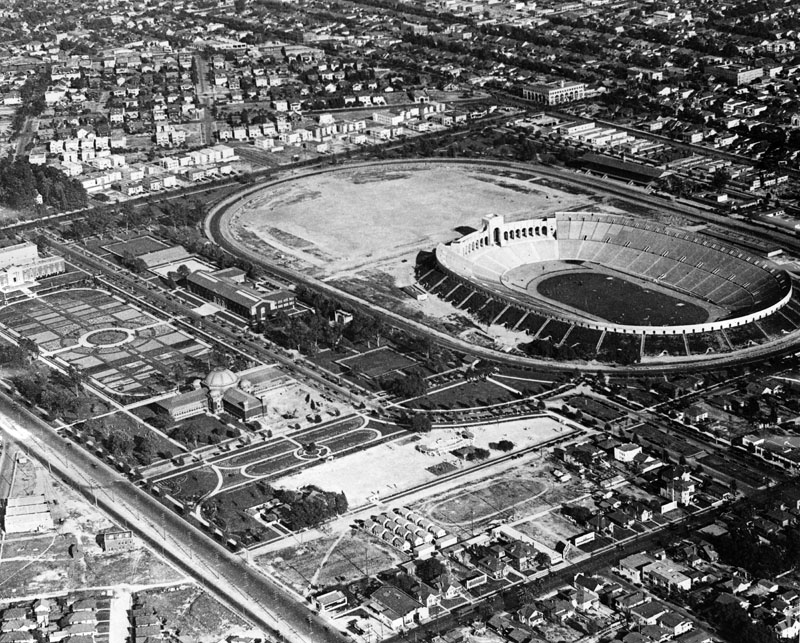
The idea of a large, publicly accessible stadium in Los Angeles gained traction in the early 1920s. Local civic leaders and sports enthusiasts recognized the need for a venue that could not only accommodate athletic contests but also serve as a symbol of the city’s progress and ambition. The specific site chosen, at the heart of Exposition Park, was strategically selected for its accessibility and its already established presence as a cultural and recreational hub.
The planning process involved considerable deliberation regarding design, capacity, and funding. Architects and engineers were tasked with creating a structure that was both functional and aesthetically impressive. The goal was to build a stadium that would be a marvel of its time, capable of hosting a diverse range of events, from track and field to football and even the Olympic Games.
Groundbreaking and Construction Timeline
The official groundbreaking ceremony for the Los Angeles Coliseum took place on December 21, 1921. This marked the commencement of an ambitious construction project that would unfold over the next few years. The construction itself was a monumental feat, employing thousands of workers and utilizing innovative techniques for the era.
The primary construction phase was completed relatively quickly, considering the scale of the project. The Los Angeles Coliseum was officially dedicated and opened on May 1, 1923. This opening date signifies the completion of its initial construction and its readiness to host events. It’s important to note that while May 1, 1923, is the official opening, construction activities continued in some capacity for a short period thereafter as final touches were made and surrounding areas were developed.
The stadium was designed to be a marvel of its time, incorporating a massive seating capacity and a distinctive architectural style that has endured for decades. The elliptical shape and the imposing façade are instantly recognizable and have become synonymous with the history of Los Angeles sports and entertainment.
The Los Angeles Coliseum: A Legacy of Events and Evolution
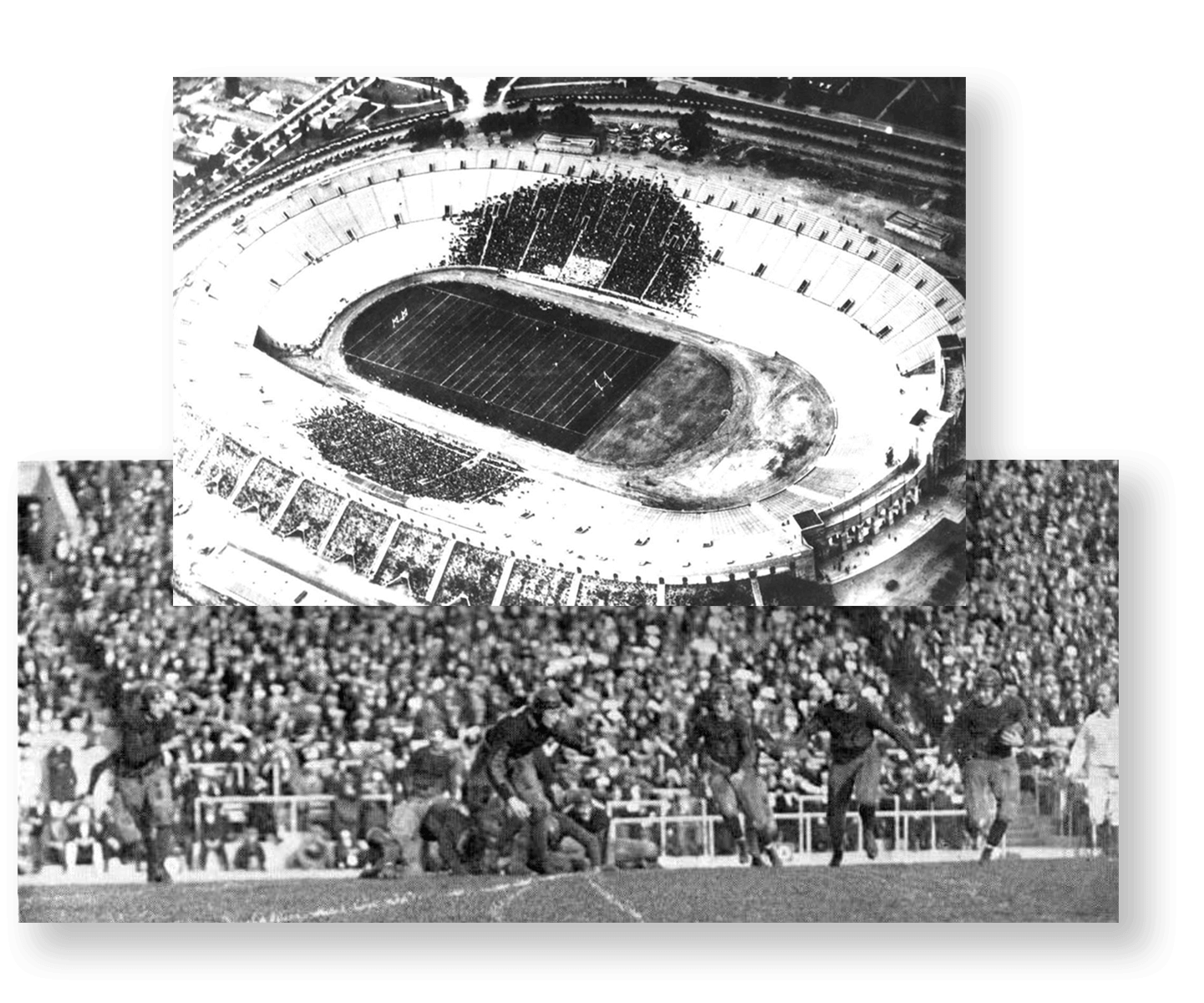
Since its inauguration in 1923, the Los Angeles Coliseum has been a silent witness to an unparalleled array of historical moments, from the roar of the crowds during the Olympic Games to the thunderous cheers of football fanatics. Its architectural grandeur and strategic location have ensured its continued relevance as a premier venue for sporting events, concerts, and significant public gatherings.
Hosting the Olympic Games
One of the most significant chapters in the Los Angeles Coliseum‘s history is its role as the primary venue for the 1932 Summer Olympics and again for the 1984 Summer Olympics. The 1932 Games marked a pivotal moment for Los Angeles, showcasing its capabilities as an international host city and cementing the stadium’s place in Olympic lore. The 1984 Games further reinforced this legacy, with the Coliseum serving as the centerpiece of a remarkably successful and financially sound Olympic event. Its capacity and infrastructure were well-suited to the demands of hosting such a prestigious international competition, underscoring its enduring design and adaptability. The stadium’s ability to host these two landmark events speaks volumes about its initial foresight in design and its ongoing capacity to meet modern sporting needs.
Beyond the Olympics, the Los Angeles Coliseum has been the hallowed ground for countless other significant sporting events. It has hosted numerous Rose Bowl games, national championships in track and field, and the home games for several professional football teams, including the Los Angeles Rams and the Los Angeles Raiders. The sheer volume and caliber of events held within its walls have contributed immeasurably to its storied past.
Architectural Significance and Notable Features
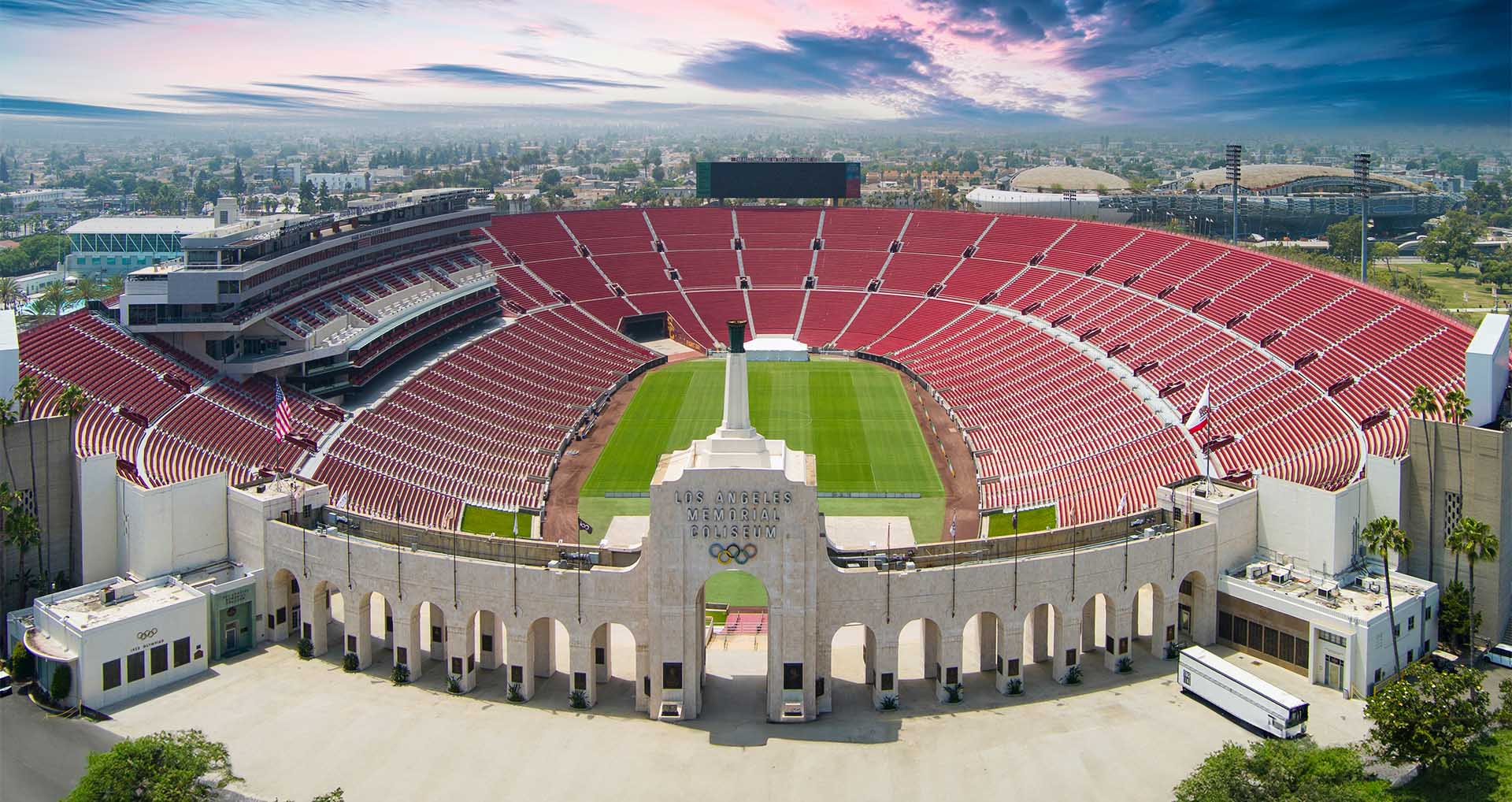
The Los Angeles Coliseum is not just a sports venue; it’s a landmark of architectural significance. Designed by the architectural firm Meyer & Holler, its most striking feature is its massive Roman-inspired architecture. The peristyle end, with its grand arches and statues, is an iconic element that evokes a sense of classical grandeur. This architectural style was chosen to convey a sense of permanence and prestige, aligning with the ambitions of Los Angeles at the time of its construction.
The stadium’s capacity has evolved over the years. Initially, it could hold over 75,000 spectators. Through various renovations and updates, its capacity has fluctuated but has consistently remained one of the largest in the United States. The sheer scale of the structure, with its vast expanse of seating and imposing outer walls, has always been awe-inspiring.
The peristyle, in particular, is a notable architectural element. Designed by John Russell Pope, it features a large archway and was originally intended to house statues representing the athletic gods of antiquity. This grand entrance and decorative facade have become synonymous with the stadium’s identity and contribute to its historical and cultural value.
Enduring Relevance and Future Prospects
The Los Angeles Coliseum continues to be a vital part of the Los Angeles landscape. Despite its age, it has undergone significant renovations and upgrades to meet contemporary standards and to ensure its continued functionality. These modernizations have preserved its historic character while enhancing its amenities and safety features.
In recent years, the stadium has seen substantial investment in its renovation and modernization. These efforts aim to prepare it for future large-scale events, including its role as a venue for the 2028 Summer Olympics. This upcoming role will mark a historic third time the Los Angeles Coliseum will host the Olympic Games, a feat unmatched by any other stadium in the world. This underscores the enduring vision of its creators and its remarkable adaptability across generations. The ongoing commitment to its preservation and enhancement ensures that the Los Angeles Coliseum will remain a relevant and cherished landmark for decades to come, continuing to host iconic events and attract visitors from around the globe. Its history is a living testament to the spirit of Los Angeles and its enduring commitment to sports, culture, and monumental architecture.
LifeOutOfTheBox is a participant in the Amazon Services LLC Associates Program, an affiliate advertising program designed to provide a means for sites to earn advertising fees by advertising and linking to Amazon.com. Amazon, the Amazon logo, AmazonSupply, and the AmazonSupply logo are trademarks of Amazon.com, Inc. or its affiliates. As an Amazon Associate we earn affiliate commissions from qualifying purchases.