
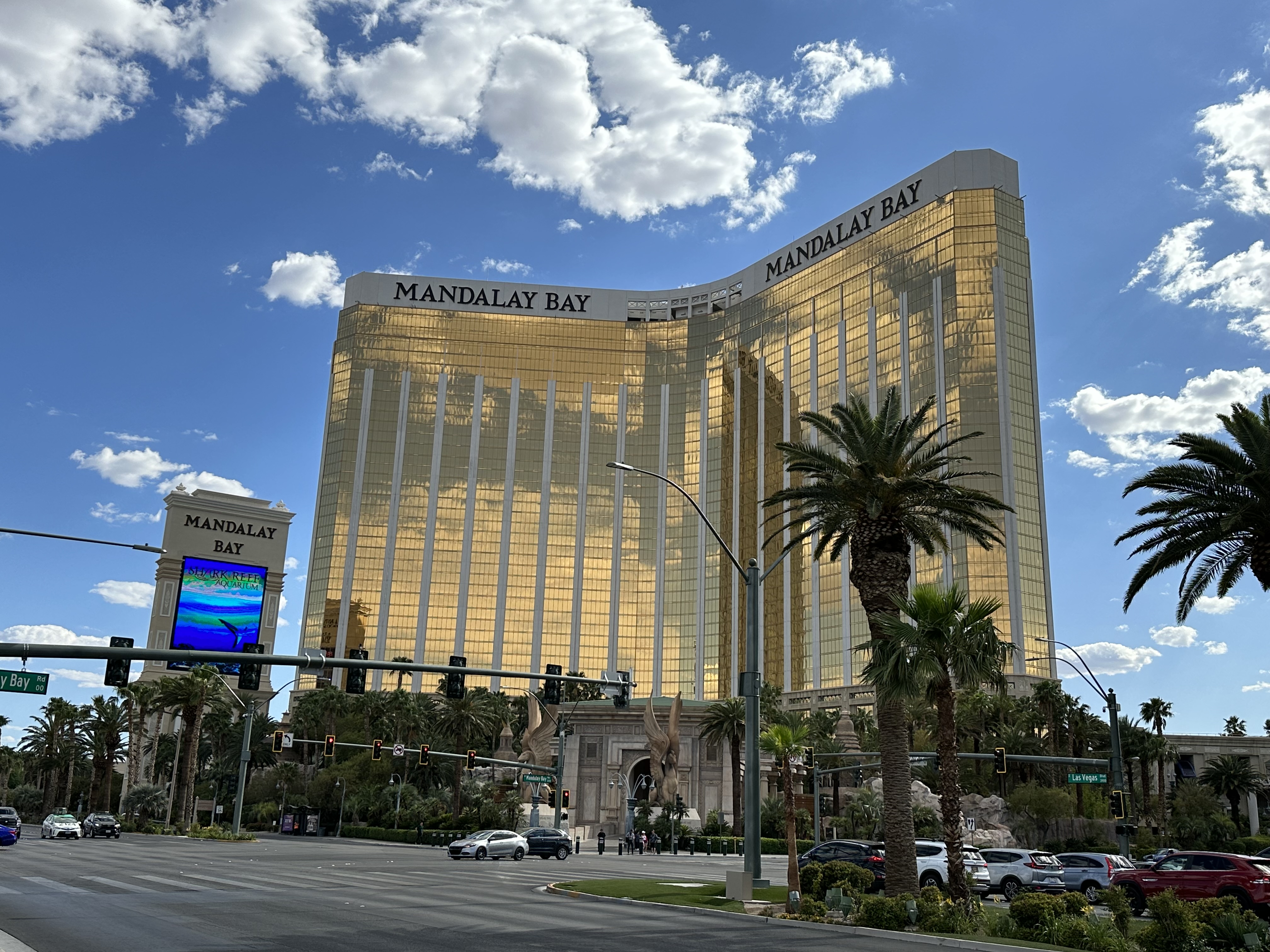
The Mandalay Bay stands as one of the most recognizable silhouettes against the Las Vegas skyline. With its distinct gold-leaf exterior and sprawling 11-acre pool complex, it represents a pivotal era in the evolution of the Nevada desert metropolis. To understand the history of this massive resort, one must look back to the late 1990s, a time of immense transition for the Las Vegas Strip.
The Origins and Construction of Mandalay Bay
The story of the resort began long before its grand opening. Development was spearheaded by Circus Circus Enterprises, a company that sought to transition away from the budget-themed resorts of the past toward the high-end, luxury mega-resorts that were beginning to dominate the market.
Breaking Ground in the Desert
Construction on the project commenced in 1997. The site was previously occupied by the Hacienda, a long-standing, low-rise hotel and casino that was imploded to make way for the new construction. The transition from the old-school charm of the Hacienda to the ultramodern ambition of the Mandalay Resort Group signaled a permanent shift in how visitors experienced the United States gambling capital.
The Grand Opening
After two years of intense building, the resort officially opened its doors on March 2, 1999. The opening ceremony was a star-studded affair, complete with a procession of showgirls and celebrities who marched from the neighboring Luxor to christen the new property. When it debuted, the hotel featured over 3,300 rooms and set a new standard for tropical-themed luxury in a landlocked desert environment.
Design Philosophy and Architectural Significance
The architecture of this resort was not merely about size; it was about creating a self-contained island of luxury. The gold glass windows, which reflect the harsh sunlight of Clark County, were a design choice intended to give the property a regal, shimmering appearance.
A Tropical Oasis
One of the most significant architectural features is the Mandalay Bay Beach. By incorporating a massive wave pool, a lazy river, and real sand imported to the desert, the designers succeeded in creating an experience that felt leagues away from the dusty landscape of the Mojave Desert. This focus on “experiential amenities” became a blueprint for other developers throughout the early 2000s.

Integration with The Shoppes and Convention Facilities
As part of its growth, the resort also integrated the Mandalay Bay Convention Center. By connecting to the Delano and the Four Seasons, the facility transformed into one of the largest hospitality complexes in the world. This synergy between luxury accommodation and massive exhibition space helped stabilize the local economy during fluctuations in the gambling industry.
Evolution and Modernization Over Two Decades
Since its completion in 1999, the property has not remained stagnant. It has undergone several phases of renovation and expansion to maintain its competitiveness against newer properties rising along Las Vegas Boulevard.
The Rise of The Hotel and Delano
In 2003, the company opened an all-suite tower originally branded as THEhotel. This was a strategic move to attract a different demographic—those seeking a quieter, more exclusive experience away from the traditional casino floor noise. In 2014, this tower was rebranded as the Delano Las Vegas, bringing a boutique aesthetic to the MGM Resorts International portfolio.
Entertainment and Cultural Impact
The resort also became a hub for world-class entertainment. The Michelob Ultra Arena, formerly known as the Mandalay Bay Events Center, has hosted everything from major boxing matches to championship WNBA games. Furthermore, the Shark Reef Aquarium remains one of the most visited non-gaming attractions in the city, showcasing the property’s dedication to family-friendly, high-end entertainment.
Why the Date of Construction Still Matters
Understanding that this hotel was built in 1999 helps travelers appreciate its place in history. It sits at the intersection of the “old” Vegas—defined by the Rat Pack era—and the “new” Vegas, which is defined by corporate mega-resorts, celebrity chefs, and global conventions.
The Legacy of the 1999 Expansion
The late 90s saw a massive boom in construction projects, including the Venetian and the Paris Las Vegas. Because this resort was part of that specific wave, it captures a very distinct aesthetic of late-century modernism. It serves as a reminder of a time when developers were racing to create the largest, most opulent structures the world had ever seen.

Maintaining Excellence in the 21st Century
Today, the hotel serves as a benchmark for how older properties can successfully pivot to modern trends. Through continuous technology upgrades and the renovation of its guest rooms and dining venues, it has managed to stay relevant. When guests walk through the main lobby today, they are experiencing a building that is over two decades old, yet it retains the polish and sophistication expected of a top-tier destination in North America.
In conclusion, the construction of this iconic landmark was the culmination of a bold vision in the late 1990s. From the demolition of the old Hacienda to the unveiling of the golden towers, the timeline of this resort is deeply intertwined with the growth of modern tourism. Whether it is the draw of the expansive convention facilities, the aquatic allure of its man-made beach, or the upscale atmosphere of its suites, the resort remains a testament to the enduring appeal of the world’s most famous gambling destination.
LifeOutOfTheBox is a participant in the Amazon Services LLC Associates Program, an affiliate advertising program designed to provide a means for sites to earn advertising fees by advertising and linking to Amazon.com. Amazon, the Amazon logo, AmazonSupply, and the AmazonSupply logo are trademarks of Amazon.com, Inc. or its affiliates. As an Amazon Associate we earn affiliate commissions from qualifying purchases.