
The annals of American sports history are replete with iconic moments, but few resonate with the dramatic flair and sheer improbability of “The Minneapolis Miracle.” For those who witnessed it live or have since revisited the unforgettable play, the date remains seared into memory. For others, particularly those exploring Minneapolis as a vibrant tourist destination, understanding this pivotal moment offers a deeper insight into the city’s passionate culture and enduring spirit. The Minneapolis Miracle occurred on January 14, 2018, a date that transformed a routine NFL playoff game into an instant classic and solidified its place in the lore of professional football, subsequently becoming a significant touchstone for local pride and a point of interest for visitors to the city.

This legendary event, far from being just a footnote in sports, has become an integral part of Minneapolis‘s narrative, contributing to its identity as a city that embraces dramatic triumphs and boasts a fiercely loyal fanbase. For tourists seeking to immerse themselves in local culture, understanding the Miracle provides a gateway into the heart of Minneapolis – a city where sports, history, and community spirit converge to create unique experiences.
A Moment Etched in Sports History and Local Lore
The Minneapolis Miracle isn’t merely a play; it’s a narrative arc compressed into a few breathtaking seconds. It embodies the essence of underdog triumph, the agony of defeat, and the ecstasy of an unexpected victory. This moment transcends the confines of the football field, becoming a shared cultural experience for residents and an intriguing historical event for visitors.
The Unforgettable Play and Its Significance
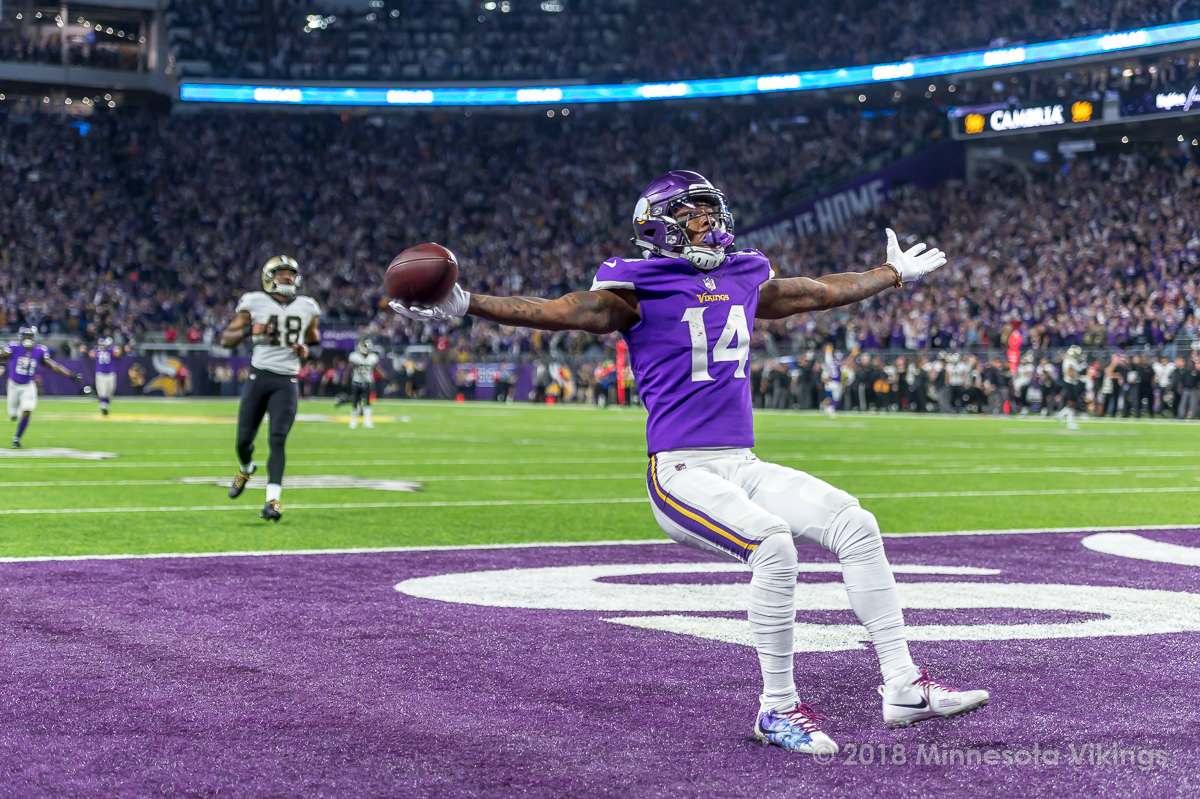
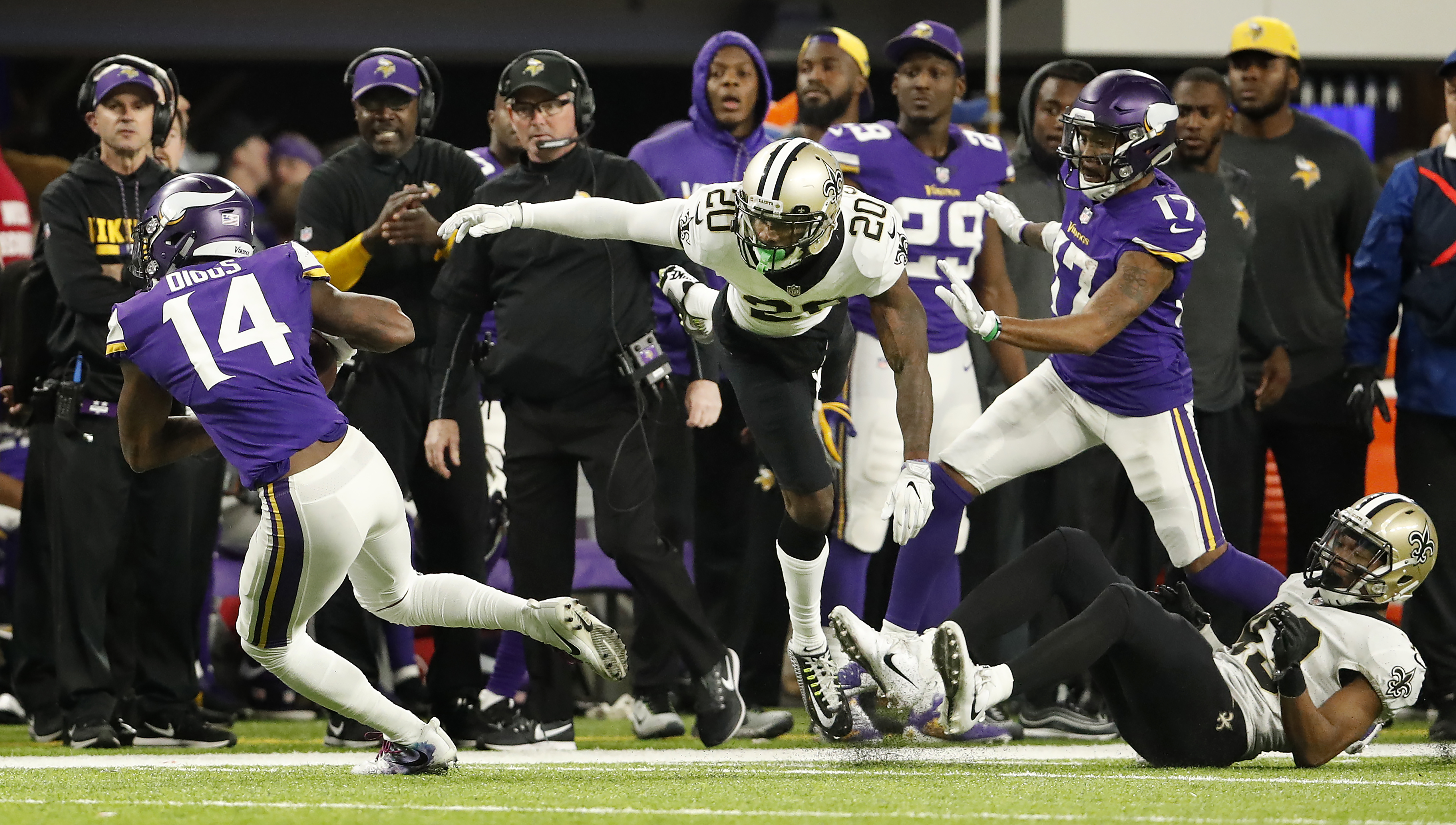
At its core, the Minneapolis Miracle refers to the improbable game-winning touchdown catch by wide receiver Stefon Diggs of the Minnesota Vikings against the New Orleans Saints in the NFC Divisional Playoff game. With only 10 seconds remaining on the clock, trailing by one point, and no timeouts left, the Minnesota Vikings were on their own 39-yard line. Quarterback Case Keenum launched a pass down the right sideline to Diggs, who, after a miscommunication by the New Orleans Saints defender, managed to leap, catch the ball, and miraculously stay in bounds. What followed was an even more stunning turn: instead of simply securing the catch, Diggs maintained his balance and sprinted untouched into the end zone for a 61-yard touchdown as time expired.
The roar that erupted in U.S. Bank Stadium was deafening, a visceral outpouring of disbelief, joy, and collective catharsis. It was the first-ever walk-off touchdown in NFL playoff history, solidifying its place as one of the most iconic and improbable finishes in any sport. For tourists, recognizing this moment isn’t just about sports trivia; it’s about appreciating a piece of Minneapolis’s emotional landscape, understanding the depth of passion that surrounds its local teams, and grasping a story that locals will eagerly recount.
Minneapolis’s Sporting Legacy
Minneapolis boasts a proud and storied sporting heritage, encompassing not only football but also basketball, baseball, hockey, and collegiate athletics. The Minnesota Vikings have been a cornerstone of this legacy for decades, cultivating a fanbase renowned for its loyalty and unwavering support, often through seasons of both triumph and heartache. The Miracle, therefore, wasn’t an isolated event but rather a culmination of years of fervent dedication from the community.
For visitors interested in the local culture, this strong sporting tradition is palpable throughout the city. From dedicated sports bars adorned with team memorabilia to public art celebrating athletic achievements, the spirit of competition and camaraderie is woven into the urban fabric. The Minneapolis Miracle serves as a powerful symbol within this legacy, an event that encapsulates the city’s resilience and its capacity for producing unforgettable moments. It draws attention to the state-of-the-art facilities like U.S. Bank Stadium and highlights the passion that makes attending a local sporting event an authentic Minneapolis experience.
The Date and The Details: Reliving the Miracle
To truly appreciate the magnitude of the Minneapolis Miracle, it’s essential to pinpoint the exact moment it unfolded and understand the context surrounding it. This precise historical detail is what gives the event its concrete place in both sports and local history, making it a point of genuine interest for those exploring the city’s past and present.
January 14, 2018: A Day That Changed Everything
The specific date of the Minneapolis Miracle was Sunday, January 14, 2018. This was a pivotal day in the 2017-2018 NFL playoffs. The game, an NFC Divisional Playoff matchup, was crucial for both teams, as the winner would advance to the NFC Championship Game and be one step closer to the Super Bowl. The air was thick with anticipation, as the Minnesota Vikings had enjoyed a remarkable season and were playing at home, hoping to reach the Super Bowl which, coincidentally, was scheduled to be held in their very own stadium two weeks later. This added an extraordinary layer of pressure and aspiration, making the stakes even higher and the eventual outcome even more dramatic.
For tourists, knowing this date allows for a more profound connection to the event. One might visit Minneapolis around the anniversary of the Miracle, or simply appreciate how recent this historical event is, still fresh in the minds of many locals. It connects the visit to a tangible, recent past that continues to shape local narratives.
The Teams and The Stakes
The game pitted the Minnesota Vikings against the New Orleans Saints. Both teams had strong seasons, making for a compelling playoff clash. The Minnesota Vikings, led by quarterback Case Keenum and a formidable defense, finished the regular season with a 13-3 record. The New Orleans Saints, guided by legendary quarterback Drew Brees and a dynamic offense, also had a stellar 11-5 record.
The stakes were immense: a trip to the NFC Championship Game, with the ultimate prize of the Super Bowl looming. For the Minnesota Vikings and their fans, the dream of playing in a Super Bowl on their home turf was a powerful motivator, adding emotional weight to every play. The game itself was a back-and-forth battle, characterized by dramatic swings in momentum, culminating in the breathtaking final seconds. Understanding these dynamics helps tourists grasp the emotional investment of the local population and the sheer relief and exhilaration that followed the Miracle.
U.S. Bank Stadium: The Stage of Greatness
The Minneapolis Miracle unfolded at U.S. Bank Stadium, the stunning home of the Minnesota Vikings since 2016. Located in downtown Minneapolis, this architectural marvel is a landmark in itself, known for its striking design, vast glass pivoting doors, and a transparent roof that offers city views while protecting fans from the elements.
On January 14, 2018, U.S. Bank Stadium was a cauldron of sound and emotion, packed with over 66,000 screaming fans. The energy within the stadium was a critical component of the Miracle, as the home crowd’s unwavering support undoubtedly played a role in the team’s late surge. For tourists, a visit to U.S. Bank Stadium (perhaps through a guided tour or by attending another event) offers a direct connection to this historic moment. One can stand where the miracle happened, feel the scale of the venue, and imagine the deafening roar that once filled its confines, providing a tangible link to Minneapolis’s sporting legend.
The Miracle’s Enduring Impact on Minneapolis Tourism
The Minneapolis Miracle, beyond its immediate sports ramifications, has left an indelible mark on the city’s tourism landscape. It’s a story that enriches the visitor experience, adding a layer of contemporary history and local flavor to the myriad attractions Minneapolis has to offer.
A Magnet for Sports Enthusiasts
For sports tourists, or those who appreciate historical moments, the Minneapolis Miracle acts as a significant draw. It’s a benchmark event that places Minneapolis firmly on the map for those who follow NFL history or seek out venues where legendary plays have occurred. Visitors often seek out experiences that offer an authentic connection to a city’s identity, and the Miracle provides just that for sports fans. It encourages them to explore U.S. Bank Stadium, visit sports-themed bars, or even plan their trips around future Minnesota Vikings games, hoping to catch a glimpse of the passion that fuels the fanbase. The story itself becomes a recommended “activity” for those looking to understand the local vibe.
Beyond the Game: Exploring Minneapolis’s Vibrant Culture
While the Miracle is a sports event, its impact on local pride and conversation extends far beyond the stadium walls. Tourists who delve into Minneapolis’s local culture will inevitably encounter references to the Miracle in various forms – from casual conversations with locals to themed merchandise. This connection can serve as an entry point to discovering the city’s broader appeal. After learning about the Miracle, visitors might be inspired to explore the city’s other vibrant offerings: its world-class art museums like the Walker Art Center and the Minneapolis Institute of Art, its renowned theater scene, the picturesque Chain of Lakes, or its innovative culinary landscape. The enthusiasm generated by such a historical moment reflects a broader civic pride that permeates other aspects of Minneapolis life, making the overall tourist experience richer and more engaging.
Local Pride and Global Recognition
The Minneapolis Miracle undoubtedly boosted the city’s profile, not just within the sports world but globally. News of the dramatic finish traveled far and wide, shining a spotlight on Minneapolis as the host of such an unforgettable event. This global recognition contributes to a city’s appeal, drawing visitors who might not have considered it otherwise. More importantly, it solidified a profound sense of local pride among residents. This collective joy and shared memory foster a welcoming atmosphere for tourists, as locals are often eager to share their city’s triumphs and unique stories. This authentic enthusiasm for their home city is a valuable asset for tourism, making visitors feel more connected to the destination.
Experiencing Minneapolis Today: A City Shaped by Moments
For those planning a trip to Minneapolis, understanding the Miracle is more than just learning a historical fact; it’s about accessing a key part of the city’s identity. The story can inform and enhance a visitor’s experience, connecting them to the spirit and passions of the Twin Cities.
Visiting U.S. Bank Stadium: Tours and Events
A visit to U.S. Bank Stadium offers a tangible link to the Minneapolis Miracle. The stadium frequently offers guided tours that take visitors behind the scenes, offering insights into its architecture, operational functions, and historical moments, including the Miracle. During these tours, guests can stand on the field, see the locker rooms, and hear stories about the game-winning play, fully immersing themselves in the event’s legend. Beyond tours, attending any event at U.S. Bank Stadium – whether another Minnesota Vikings game, a concert, or a major convention – allows tourists to experience the grand scale and electric atmosphere of the venue where history was made. This direct experience deepens the appreciation for the event and its setting.
Engaging with Minneapolis’s Sports Scene
For tourists keen to experience the local culture, diving into Minneapolis’s vibrant sports scene is highly recommended. Beyond the Minnesota Vikings, the city is home to other professional teams such as the Minnesota Twins (MLB), Minnesota Timberwolves (NBA), and Minnesota Wild (NHL). Attending a game for any of these teams offers a lively local experience, complete with passionate fans, unique stadium foods, and a palpable sense of community. Visiting local sports bars, especially those near the downtown area or in popular entertainment districts, is another excellent way to soak in the atmosphere. These establishments often display memorabilia, replay highlights of historic moments like the Miracle, and offer a chance to interact with locals about their beloved teams.
Planning Your Sports-Themed Trip to the Twin Cities
For visitors specifically interested in sports history and culture, planning a trip around the Minneapolis Miracle and Twin Cities sports scene is a rewarding endeavor. Consider visiting during the NFL season to catch a live Minnesota Vikings game. Combine a stadium tour with visits to other local landmarks. Explore areas like North Loop or Northeast Minneapolis for excellent dining and craft brewery experiences, where sports conversations are always on the menu. Don’t forget to check out the local sports museums or hall of fame exhibits that might feature artifacts or stories from the Miracle. By integrating this historical moment into your travel itinerary, you’re not just visiting a city; you’re connecting with its soul and experiencing the lasting impact of an unforgettable event that continues to define a part of the Minneapolis identity. The Minneapolis Miracle, truly, is more than just when it happened; it’s about what it represents for the city and its enduring appeal to those who seek to understand its spirit.
LifeOutOfTheBox is a participant in the Amazon Services LLC Associates Program, an affiliate advertising program designed to provide a means for sites to earn advertising fees by advertising and linking to Amazon.com. Amazon, the Amazon logo, AmazonSupply, and the AmazonSupply logo are trademarks of Amazon.com, Inc. or its affiliates. As an Amazon Associate we earn affiliate commissions from qualifying purchases.