
The founding of the New Hampshire Colony is a pivotal moment in the early history of North America, marking the genesis of one of the thirteen original colonies that would eventually form the United States of America. Understanding its establishment requires delving into the complex web of colonial ambitions, land grants, and the individuals who shaped its initial trajectory. The story is not one of a single, definitive founding date but rather a series of events and claims that coalesced to define the colony’s boundaries and governance.
Early Claims and Visionaries
The seeds of the New Hampshire Colony were sown by ambitious individuals who saw the potential of the land for trade and settlement. These early endeavors were characterized by a mix of royal patronage and private enterprise, laying the groundwork for future colonial expansion.
The Role of Sir Ferdinando Gorges and Captain John Mason
The primary figures associated with the early claims to the territory that would become New Hampshire are Sir Ferdinando Gorges and Captain John Mason. Both men were influential figures involved in the colonization efforts of New England.
-
Sir Ferdinando Gorges: A prominent English military officer and governor of Plymouth, Gorges was instrumental in the formation of the Council for New England. This council was granted a vast territory by King James I in 1620, encompassing much of what is now the northeastern United States. While Gorges had ambitions for a large, unified colony, his primary focus was often on what would become Maine.
-
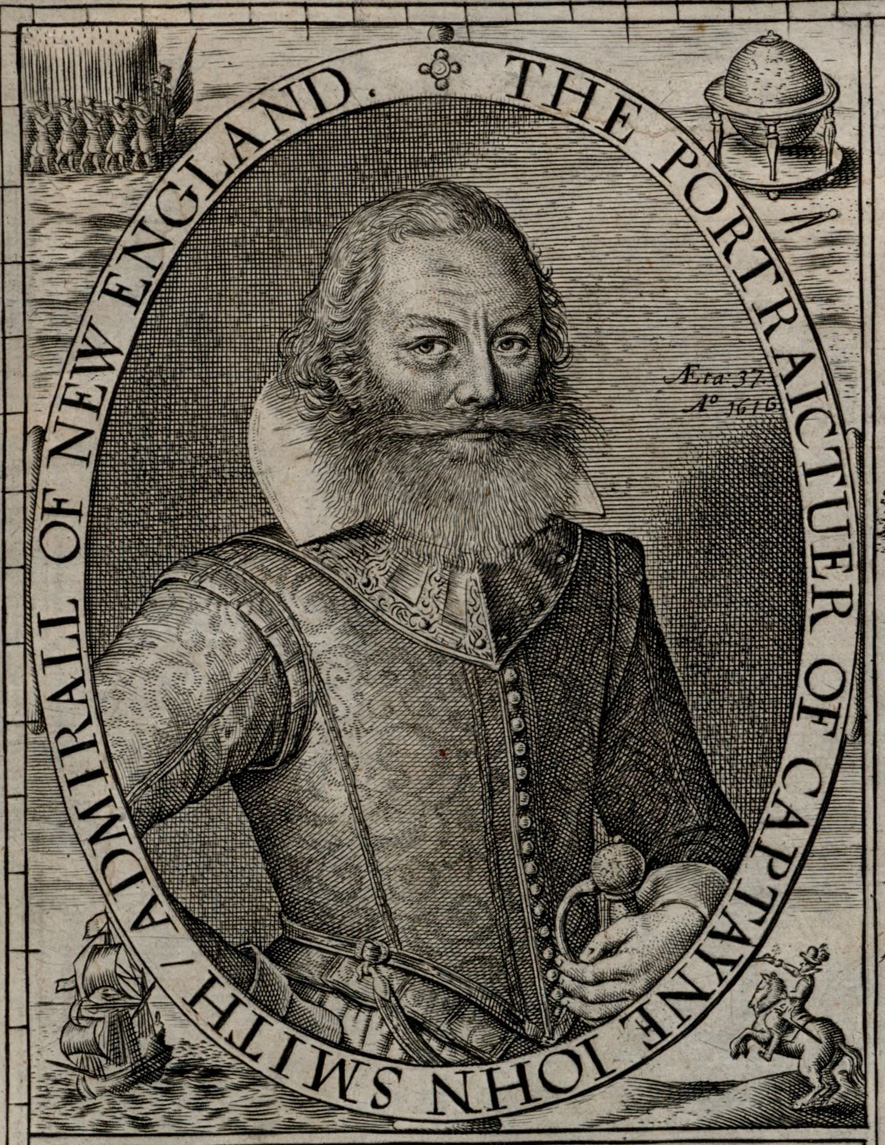
Captain John Mason: A skilled soldier and landowner, Mason was a protégé of Sir Ferdinando Gorges. Mason received a land grant from the Council for New England in 1629, covering the territory between the Merrimack and Kennebec rivers. He named this land “Province of New Hampshire” in honor of his former home county in England, Hampshire. This naming is a crucial marker in the identity formation of the future colony.
The First Settlements
Following their land grants and vision, attempts were made to establish permanent settlements. These early outposts were vital in asserting claims and beginning the process of colonization.
-
Dover (1623): One of the earliest permanent English settlements in New Hampshire was established in 1623, likely at what is now Dover. This settlement was part of the initial land grant to John Mason and Sir Ferdinando Gorges. The precise location and initial inhabitants are subjects of historical discussion, but its establishment predates many other significant settlements in the region.
-
Portsmouth (1630): Around 1630, another settlement, which would eventually become Portsmouth, was established near the mouth of the Piscataqua River. This location was strategically important for trade and fishing, and it quickly grew into a vital port. The area was initially known as “The Plantation” or “Strawberry Bank” before evolving into Portsmouth.
The Complex Path to Royal Colony Status
The early years of the New Hampshire Colony were marked by uncertainty regarding governance and ownership. Disputes over land, the death of key figures, and shifting political landscapes in England meant that the colony’s status remained fluid for decades.
Early Governance and Proprietary Claims

The initial grants to Mason and Gorges established a proprietary claim. However, the practicalities of establishing effective governance over a vast, sparsely populated territory proved challenging.
-
The Masonian Proprietors: Following Captain John Mason’s death in 1635, his heirs struggled to maintain control over their vast holdings. The claims to the territory became fragmented and contested. Eventually, a group known as the Masonian Proprietors emerged, continuing to assert proprietary rights over much of the land in New Hampshire.
-
Union with Massachusetts Bay Colony: A significant chapter in New Hampshire’s early history involved its de facto union with the Massachusetts Bay Colony. Due to the lack of strong central authority and the need for protection, the New Hampshire settlements voluntarily placed themselves under the jurisdiction of Massachusetts in 1641. This arrangement lasted for several decades, influencing the development and administration of the region.
Royal Intervention and Definitive Founding
The desire for clarity and royal control over colonial territories eventually led to direct intervention from the English Crown. This intervention ultimately defined the boundaries and established a separate governmental structure for New Hampshire.
-
The Mason Claims Reaffirmed (1660s-1670s): Following the Restoration of the monarchy in England with King Charles II, the Mason family renewed their claims to the New Hampshire territory. Royal commissions were sent to investigate these claims and to establish a more defined colonial administration.
-
Establishment as a Royal Colony (1679): After extensive deliberation and legal maneuvering, the Crown formally separated New Hampshire from Massachusetts Bay Colony in 1679. On September 18, 1679, King Charles II issued a commission establishing New Hampshire as a royal province, with its own governor appointed by the Crown. This date is often cited as the official founding of the New Hampshire Colony as a distinct political entity.
The Significance of the Founding Date
The founding of the New Hampshire Colony in 1679 represents a crucial step in the consolidation of English authority and the development of distinct colonial identities in North America. It signifies the transition from a series of loosely connected settlements and competing proprietary claims to a structured, Crown-governed entity.
Colonial Identity and Governance
The establishment of a royal province meant that New Hampshire would have a governor and a council appointed by the king, alongside an elected assembly. This form of governance, while still subject to royal oversight, provided a greater degree of administrative stability and a clearer path for its development.
-
The First Royal Governor: In 1680, John Cutt was appointed as the first president of the New Hampshire province, effectively serving as the first royal governor. His administration marked the beginning of a new era for the colony, focused on consolidating royal control and expanding settlement.
-
Defining Boundaries: The royal commission of 1679 also played a role in defining the territorial boundaries of New Hampshire. While disputes over exact borders would continue for years, particularly with neighboring Massachusetts, the royal declaration provided a foundational definition for the colony’s extent.
The Legacy of the Founding
The founding of the New Hampshire Colony in 1679 cemented its place among the distinct colonies of British North America. It contributed to the rich tapestry of regional differences and political developments that would ultimately shape the course of American history. The early settlements at Dover and Portsmouth, along with the enduring legacy of figures like John Mason, are integral to understanding the origins of the Granite State. The journey from initial land grants and tentative settlements to a formally recognized royal colony underscores the complex, often contentious, but ultimately formative process of colonial establishment.
LifeOutOfTheBox is a participant in the Amazon Services LLC Associates Program, an affiliate advertising program designed to provide a means for sites to earn advertising fees by advertising and linking to Amazon.com. Amazon, the Amazon logo, AmazonSupply, and the AmazonSupply logo are trademarks of Amazon.com, Inc. or its affiliates. As an Amazon Associate we earn affiliate commissions from qualifying purchases.