
The establishment of The New York Times is a story deeply interwoven with the growth of New York City itself, a landmark institution whose history is as rich and storied as many of the famed landmarks it has chronicled. To understand when this venerable publication began is to glimpse into a pivotal moment in American journalism and the evolution of how news shaped public discourse.
The Genesis of a Newspaper Giant
The origins of The New York Times can be traced back to the mid-19th century, a period of significant industrialization and urban expansion in the United States. The desire for a newspaper that offered serious, objective reporting, free from the sensationalism and partisan bias of many of its contemporaries, was palpable. It was into this landscape that Henry Jarvis Raymond and George Jones stepped, envisioning a publication that would cater to a more discerning readership.

Founding Vision and Partnership
Henry Jarvis Raymond, a journalist and politician, had previously been involved with Horace Greeley’s New-York Tribune. However, he harbored ambitions for a newspaper that would champion integrity and accuracy above all else. He found a kindred spirit in George Jones, an accountant and businessman, who shared this vision and possessed the financial acumen to help realize it. Together, they pooled their resources and expertise to launch a new daily newspaper.
The Inaugural Issue
The very first edition of The New York Times rolled off the presses on September 18, 1851. It was initially titled The New-York Daily Times. The paper was founded with a commitment to providing comprehensive coverage of domestic and international news, as well as in-depth analyses of political, social, and economic issues. Its early editorial stance was generally moderate Republican, advocating for free labor and opposing the expansion of slavery, aligning with the burgeoning abolitionist sentiment of the era. The inaugural issue set a tone of seriousness and intellectual rigor that would come to define the publication.
Early Years and Evolution
The initial years of The New York Times were marked by a struggle for readership and financial stability, as is common for any new venture. However, Raymond and Jones’s dedication to quality journalism gradually began to pay dividends. The paper distinguished itself through its thorough reporting, its thoughtful editorials, and its avoidance of the “yellow journalism” practices that were becoming prevalent in some other New York papers.
Establishing a Reputation
The paper’s commitment to factual reporting and its willingness to tackle complex issues without resorting to sensationalism helped it carve out a distinct niche. It gained a reputation for being a reliable source of information, attracting a readership that valued depth and accuracy. This foundational ethos, established in its nascent years, would prove crucial to its long-term success and its eventual status as a globally respected news organization.
The Shadow of Civil War
The New York Times played a significant role in covering the American Civil War, a period of immense national upheaval. Its correspondents provided detailed dispatches from the battlefields, offering readers a vivid and often unvarnished account of the conflict. The paper’s coverage contributed to shaping public opinion and understanding of the war’s unfolding events. This era solidified its importance as a chronicler of significant historical moments, a role it continues to fulfill today.
The Ochs Era and Modernization
While The New York Times had established a solid foundation, its transformation into the modern institution we recognize today truly began under the ownership of Adolph Ochs. His acquisition of the paper in 1896 marked a turning point, injecting new life and a renewed sense of purpose into its operations. Ochs’s philosophy of unbiased reporting and his understanding of the newspaper’s role in a democratic society are central to its enduring legacy.
Adolph Ochs’s Vision
Adolph Ochs, who had previously revitalized The Chattanooga Times, purchased The New York Times when it was in financial distress. He famously declared his intention to make the paper “a medium for the collection and diffusion of intelligence, and to make it a profitable enterprise without assuming a partisan attitude.” He believed in the power of facts and the importance of providing readers with the information they needed to form their own judgments. This commitment to objectivity, while aspirational and subject to ongoing interpretation, became a guiding principle.
The Birth of the “Gray Lady”
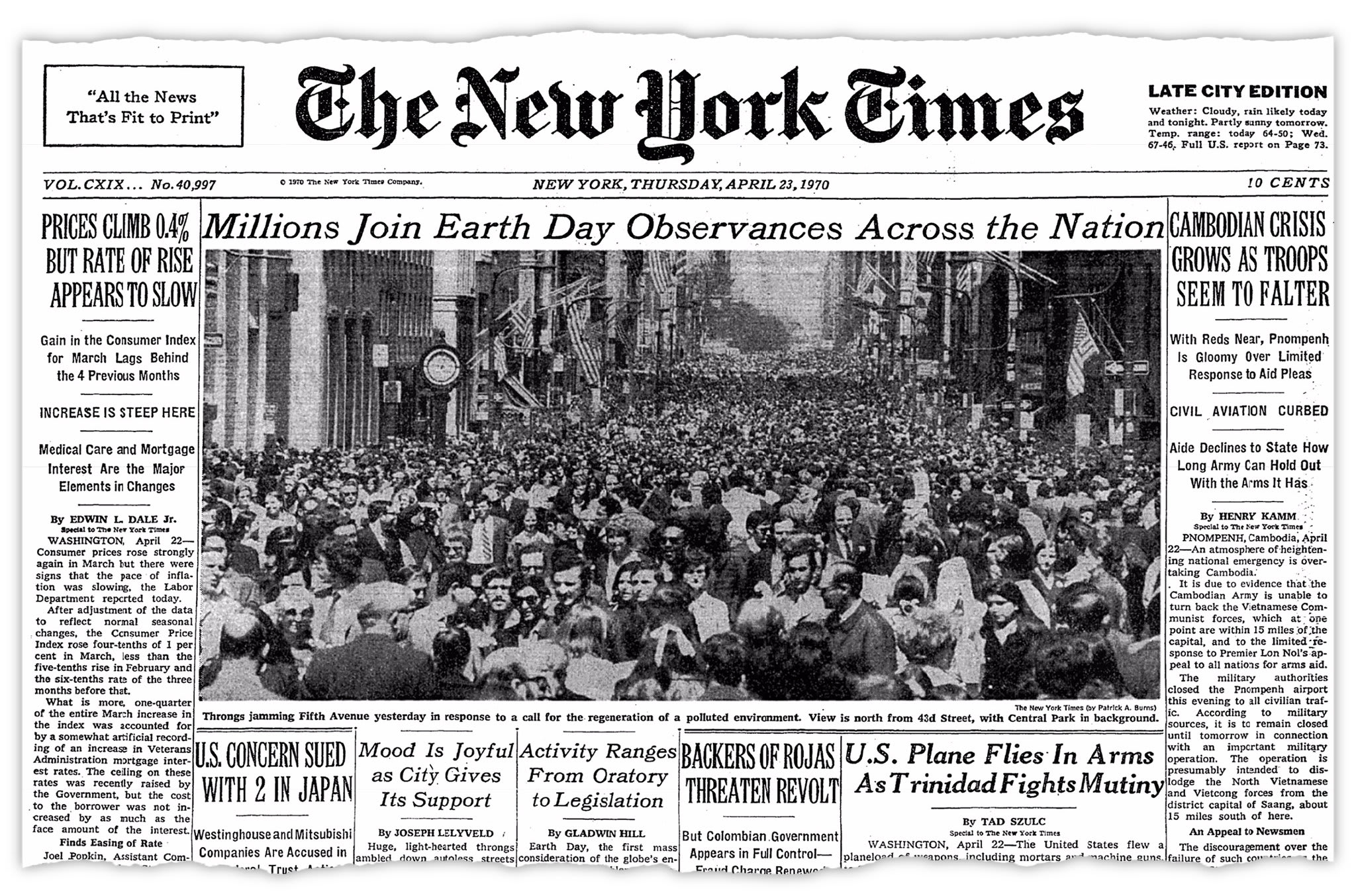
Under Ochs, the paper began to shed its previous, more partisan leanings and embrace a more neutral and informative approach. This shift, coupled with a focus on comprehensive news coverage, led to The New York Times being nicknamed “The Gray Lady,” a moniker that reflected its serious, sober, and trustworthy demeanor. The distinctive masthead font, a classic serif typeface, further contributed to this image of gravitas and permanence.
Expanding Reach and Influence
Ochs’s leadership saw a significant expansion in the paper’s scope and influence. He invested in talent, improved printing technologies, and broadened the paper’s coverage to include more international news, arts, culture, and business. The introduction of sections like the Sunday Book Review and the Sunday Magazine catered to a wider range of intellectual interests, further cementing its appeal to an educated and engaged readership. The paper’s reporting on major world events, from World War I to the Great Depression, solidified its position as a primary source of information for a global audience.
The New York Times as a Landmark of Journalism
From its inception on September 18, 1851, The New York Times has not merely reported on history; it has been an integral part of it. Its establishment was a bold move to create a newspaper dedicated to truth and integrity in an era of partisan clamor. Over its more than 170 years of existence, it has evolved from a metropolitan daily into a global news powerhouse, a testament to its enduring commitment to journalistic excellence.
Enduring Principles
The principles of thorough reporting, in-depth analysis, and a dedication to the public interest, first articulated by Raymond and Jones and later championed by Ochs, continue to guide the publication. The paper’s commitment to investigative journalism has brought to light critical issues, holding power accountable and informing public debate. Its reporting on everything from the Vietnam War to the Watergate scandal has had a profound impact on American society and its understanding of itself.

A Global Chronicle
Today, The New York Times is recognized internationally for its comprehensive coverage of global affairs. Its journalists are stationed around the world, providing on-the-ground reporting that connects readers to distant events and diverse cultures. The paper’s digital transformation has further extended its reach, making its in-depth journalism accessible to a vast online audience. Its consistent reporting on significant global events and its dedication to detailed features on various destinations and their unique aspects make it a valuable resource for those interested in understanding the world. Its historical archives also serve as an invaluable resource for researchers and historians studying past events, providing a detailed look at how different periods were perceived and documented. The paper’s coverage of global tourism trends, architectural marvels, and significant natural landmarks further aligns it with the broader scope of exploration and understanding that defines the categories of Travel, Tourism, and Landmarks.
The founding of The New York Times was not just the birth of a newspaper; it was the establishment of an institution dedicated to illuminating the world, a mission it continues to pursue with unwavering resolve. Its history is a powerful reminder of the enduring value of credible journalism in a complex and ever-changing world.
LifeOutOfTheBox is a participant in the Amazon Services LLC Associates Program, an affiliate advertising program designed to provide a means for sites to earn advertising fees by advertising and linking to Amazon.com. Amazon, the Amazon logo, AmazonSupply, and the AmazonSupply logo are trademarks of Amazon.com, Inc. or its affiliates. As an Amazon Associate we earn affiliate commissions from qualifying purchases.