
The landscape of California is often characterized by its dramatic natural beauty, from the towering sequoias of the Sierra Nevada to the rugged coastline along the Pacific Ocean. However, this same beauty is also susceptible to the powerful forces of nature, particularly wildfire. Among the many devastating fires that have swept through the state, the Paradise Fire stands out as a stark reminder of the destructive potential of these events and their profound impact on communities and natural landmarks. Understanding the timeline and context of such fires is crucial for appreciating their historical significance and for informing future preparedness and recovery efforts.
The Onset and Spread of the Paradise Fire
The Paradise Fire, more commonly and officially known as the Camp Fire, ignited in the early hours of November 8, 2018. The point of origin was located near Pulga in Butte County, a region characterized by dense chaparral and mixed conifer forests, making it highly susceptible to rapid fire spread. The initial ignition was attributed to faulty equipment belonging to Pacific Gas and Electric Company (PG&E), a detail that later became a significant point of legal and public scrutiny.
The conditions on that fateful morning were exceptionally conducive to extreme fire behavior. A severe drought had gripped California for years, leaving vegetation tinder-dry. Compounding this was the presence of strong, dry northeasterly winds, often referred to as “diablo winds” in this region. These winds, combined with low humidity and high temperatures, created a firestorm scenario where flames moved with astonishing speed and intensity.
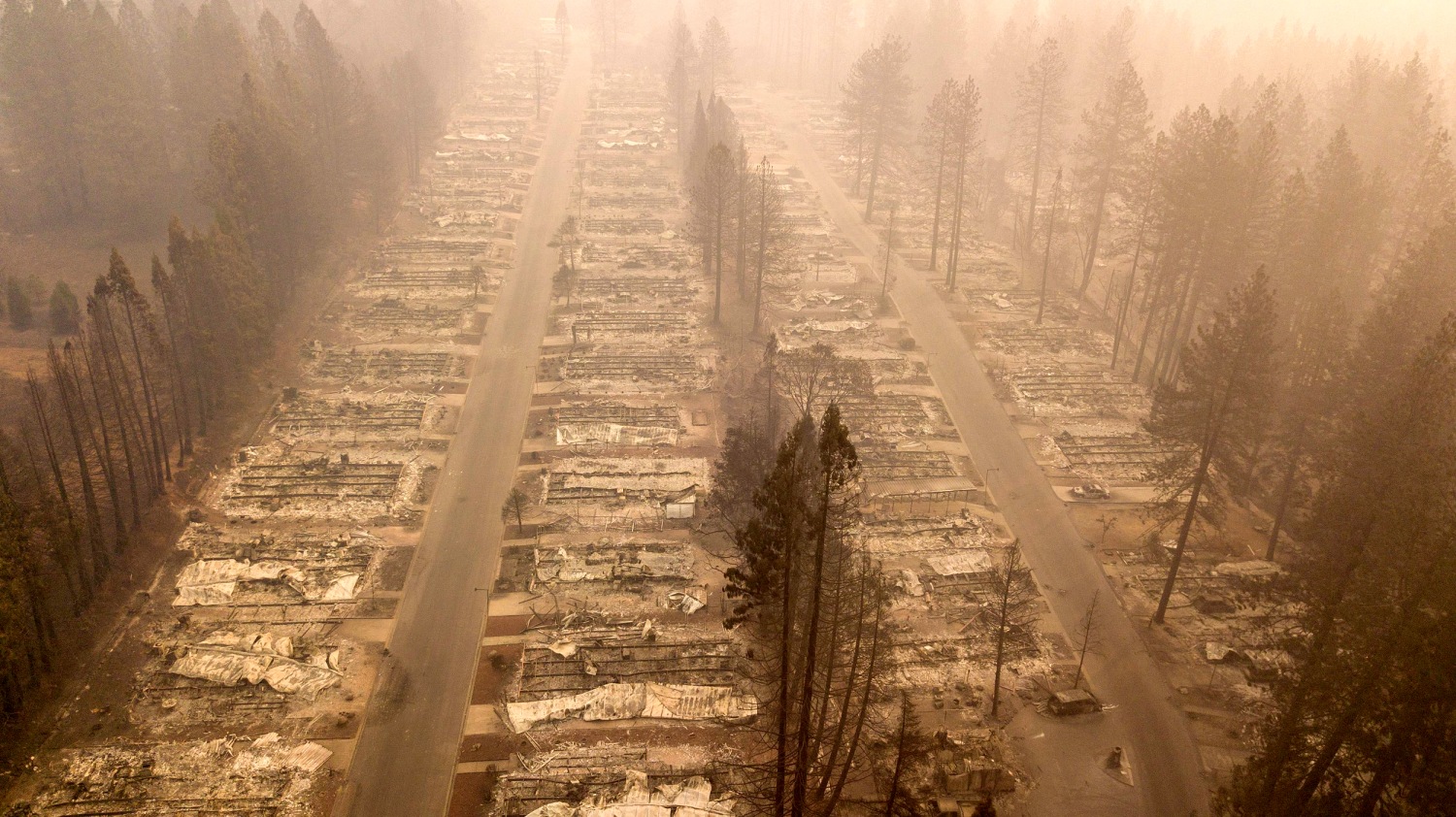
Within hours of its ignition, the Camp Fire had exploded into an inferno, quickly engulfing the town of Paradise, a community nestled in the Feather River canyon. The fire’s rapid advance left residents with little to no time to evacuate, leading to a chaotic and tragic exodus. The wind-driven flames jumped from structure to structure, reducing much of the town to ashes. The fire’s speed and ferocity meant that many escape routes became impassable, trapping individuals in their homes or vehicles. Emergency responders, themselves struggling with difficult conditions and the sheer scale of the disaster, were overwhelmed by the unprecedented nature of the fire’s spread.
The fire’s trajectory was relentlessly aggressive. By the end of the first day, it had already consumed vast swathes of land and a significant portion of Paradise. The following days saw the fire continue its destructive path, driven by the persistent winds, threatening adjacent communities and further expanding its footprint across Butte County. The scale of destruction was immense, leaving behind a scarred landscape and a community shattered by loss.
The Devastation in Paradise
The impact on the town of Paradise was catastrophic. The community, home to approximately 26,000 residents, was largely destroyed. The fire obliterated an estimated 14,000 homes and 7,000 other structures, including businesses, schools, and public facilities. The charismatic charm that had drawn many to Paradise – its mature trees, its peaceful atmosphere, and its close-knit community – was reduced to charred skeletons of former buildings and blackened, desolate landscapes.

The human toll was equally heartbreaking. The Camp Fire became the deadliest wildfire in California history and the most destructive in the United States in over a century. Sadly, 85 civilians lost their lives, many of whom were elderly or infirm and unable to evacuate in time. The stories of survival and loss that emerged from the ashes were poignant and deeply affecting, painting a vivid picture of the terror and desperation experienced by residents. The emergency services played a heroic role, but the speed and ferocity of the blaze made comprehensive rescue efforts extraordinarily challenging.
The economic and social fabric of Paradise was irrevocably altered. Residents lost not only their homes but also their livelihoods, their personal belongings, and the sense of security that defines a community. The displacement of thousands of people created a humanitarian crisis, with many forced to seek shelter in temporary accommodations or relocate entirely. The long-term recovery for Paradise became a monumental undertaking, involving immense efforts in debris removal, rebuilding infrastructure, and supporting the emotional and psychological well-being of its survivors. The recovery process has been a testament to the resilience of the human spirit, though the scars of the fire, both physical and emotional, remain deep.
The Camp Fire’s Wider Impact and Aftermath
Beyond the immediate devastation in Paradise, the Camp Fire had significant repercussions for the wider region and the state of California. The sheer scale of the fire meant that it consumed over 153,000 acres of land, impacting natural habitats, watersheds, and recreational areas. The air quality across a vast portion of northern and central California deteriorated drastically due to the dense smoke plumes, forcing many schools to close and prompting health advisories for vulnerable populations.
The fire also highlighted critical issues regarding California’s forest management practices and the aging infrastructure of its utility providers. Investigations revealed that the ignition was linked to aging power lines and equipment operated by PG&E. This led to significant legal battles, financial settlements, and a re-evaluation of how utility companies manage their assets in high-risk fire zones. The event spurred renewed discussions about the role of vegetation management, controlled burns, and the potential need for undergrounding power lines in fire-prone areas.
The economic fallout was substantial. PG&E faced billions of dollars in damages and liabilities, ultimately leading to its bankruptcy. The cost of firefighting efforts, disaster relief, and long-term rebuilding efforts ran into the billions, placing a considerable strain on state and local resources. The insurance industry also experienced significant claims related to property damage.

Long-Term Recovery and Rebuilding Efforts
The path to recovery for Paradise and its surrounding areas has been a long and arduous one. In the immediate aftermath, the focus was on search and rescue, providing temporary shelter, and beginning the massive task of debris removal. The sheer volume of destruction meant that entire neighborhoods had to be cleared of hazardous materials and rubble before any rebuilding could commence.
Community resilience has been a defining characteristic of the recovery. Residents, united by their shared trauma, have been instrumental in driving the rebuilding process. Non-profit organizations, government agencies, and volunteers have all played crucial roles in providing support, resources, and expertise. Efforts have focused not only on physical reconstruction but also on rebuilding the social and economic infrastructure of Paradise.
The rebuilding process has involved careful planning to enhance the community’s resilience to future fires. This includes adopting stricter building codes, creating defensible spaces around homes, and investing in improved emergency communication systems. The landscape itself is slowly beginning to heal, with reforestation efforts underway, though it will take decades for the ecosystem to fully recover. The memory of the Camp Fire serves as a constant reminder of the imperative to adapt to a changing climate and to prioritize safety and preparedness in California’s fire-prone regions. The story of Paradise is one of immense tragedy, but also one of extraordinary courage and an unwavering commitment to rebuilding and forging a stronger future.
LifeOutOfTheBox is a participant in the Amazon Services LLC Associates Program, an affiliate advertising program designed to provide a means for sites to earn advertising fees by advertising and linking to Amazon.com. Amazon, the Amazon logo, AmazonSupply, and the AmazonSupply logo are trademarks of Amazon.com, Inc. or its affiliates. As an Amazon Associate we earn affiliate commissions from qualifying purchases.