
The tragedy that unfolded in Las Vegas remains one of the most significant and somber events in the history of the modern travel and tourism industry. Understanding the timeline and the context of this event is essential for those who study the evolution of safety protocols, crowd management, and the historical record of major United States tourist destinations.
The Timeline of the October 1st Incident
On the evening of October 1, 2017, the city of Las Vegas experienced a horrific act of violence during the final night of the Route 91 Harvest festival. This country music event, which had drawn thousands of visitors to the Las Vegas Strip, became the site of a targeted attack that would forever change how large-scale public gatherings are managed.
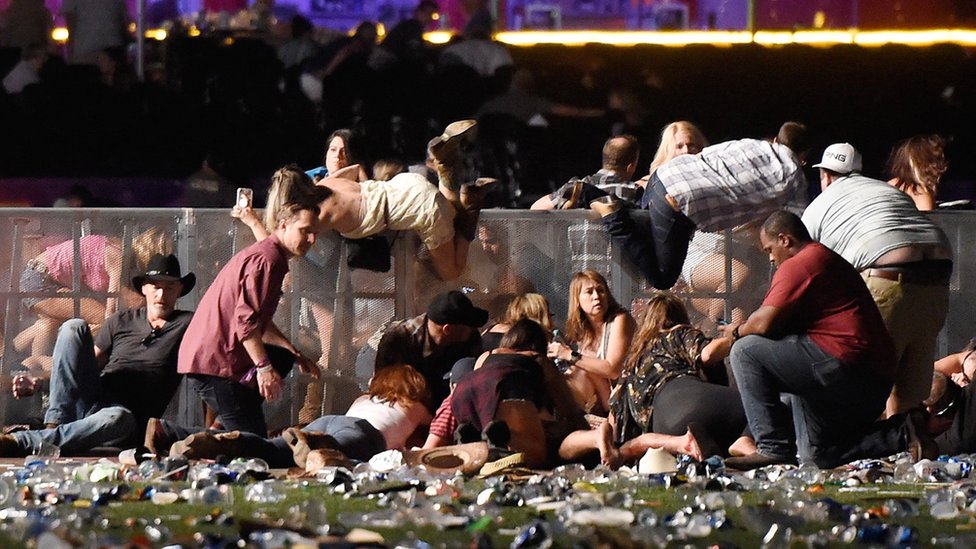
The Events at the Route 91 Harvest Festival
The festival was held on an open-air site located across from the Mandalay Bay Resort and Casino. As the headlining act, Jason Aldean, was performing on stage, the sound of rapid-fire gunfire began, initially mistaken by many in the crowd for pyrotechnics or malfunctioning speakers. The shooting lasted for several minutes, causing widespread panic and a mass exodus from the venue.
The Response and Aftermath
Law enforcement officials and first responders reacted rapidly, deploying specialized units to the Mandalay Bay Resort and Casino after identifying the source of the gunfire. The incident resulted in the loss of 60 lives and injured hundreds more, marking it as the deadliest mass shooting by a single perpetrator in modern American history. The aftermath led to a period of deep national mourning and a comprehensive review of security procedures within the hospitality and tourism sectors.
The Impact on Las Vegas Tourism and Public Safety
The events of October 1, 2017, prompted a fundamental shift in how the hospitality industry approaches guest safety. Las Vegas has long been a global beacon for entertainment, and the city’s ability to recover from such a trauma became a testament to its resilience.
Enhanced Security in Hotels and Resorts
Following the event, major hotel operators and resort owners throughout the Las Vegas Strip began implementing more stringent security measures. These include:
- Enhanced monitoring of luggage and guest activities in high-rise accommodations.
- Increased integration between local police departments and private hotel security teams.
- Advanced surveillance technology in public areas, including lobbies and elevator access points.
- Revised emergency evacuation plans for large-scale resorts like the MGM Grand and Caesars Palace.
Reassuring the Traveling Public
The tourism industry in Nevada faced a significant challenge in the months following the shooting: restoring confidence in the safety of Las Vegas as a premier travel destination. Industry leaders launched marketing campaigns emphasizing that the city remained a vibrant, welcoming place for visitors. The collective message was one of unity and strength, urging the public to continue supporting the city’s diverse range of entertainment, dining, and artistic attractions.

Remembering the Victims and Honoring the Community
The response from the local community and the global tourism industry was immediate and overwhelming. In the years since, the focus has shifted toward memorializing those who were lost and ensuring that the legacy of the event is one of healing and progress.
The 1 October Memorial Committee
Recognizing the importance of a permanent tribute, the Las Vegas community established the 1 October Memorial Committee. This group was tasked with developing a fitting permanent memorial to honor the victims, survivors, and first responders. The goal of this initiative is to create a space of reflection and remembrance that captures the spirit of the city while respecting the gravity of the event.
The Evolution of Public Gathering Protocols
The lessons learned from the events at Mandalay Bay Resort and Casino have had a lasting impact on how outdoor festivals and public events are organized across the United States. Today, event organizers work more closely with local authorities to ensure that venues are better protected, sightlines are monitored, and emergency response teams are positioned for immediate deployment.
The integration of these safety measures into the fabric of the tourism experience has ensured that cities like Las Vegas continue to host world-class events, ranging from the Electric Daisy Carnival to major boxing matches at T-Mobile Arena.
Las Vegas Today: A Resilient Destination
Today, Las Vegas remains a global hub for business and leisure. The city has continued to expand its footprint with new architectural marvels like the Sphere and the continued development of the Las Vegas Strip.
Commitment to Security and Hospitality
Visitors traveling to Las Vegas today will find a city that is as dynamic and exciting as it has ever been, with an added layer of professional vigilance. The hospitality sector, including iconic institutions like The Venetian and Bellagio, remains committed to maintaining the highest standards of safety for every guest.
The tragedy of October 1, 2017, is an indelible part of the city’s history, but it does not define its future. Instead, the focus has remained on the city’s ability to thrive despite adversity. By fostering a culture of preparedness and community support, the tourism industry in Nevada continues to evolve, ensuring that Las Vegas serves as a beacon of entertainment and international travel.

Understanding the Importance of Context
For travelers, researchers, and history buffs, knowing when the shooting occurred provides a necessary anchor for understanding how tourism destinations adapt to crisis. It serves as a reminder that the travel industry is not just about the destinations themselves, but also about the people, the safety protocols, and the resilience of the communities that make global travel possible. Whether one is visiting a museum in Washington D.C. or attending a conference in Las Vegas, the context of our modern world requires us to appreciate the dedication of those who keep our travel experiences secure.
LifeOutOfTheBox is a participant in the Amazon Services LLC Associates Program, an affiliate advertising program designed to provide a means for sites to earn advertising fees by advertising and linking to Amazon.com. Amazon, the Amazon logo, AmazonSupply, and the AmazonSupply logo are trademarks of Amazon.com, Inc. or its affiliates. As an Amazon Associate we earn affiliate commissions from qualifying purchases.