
The University of Texas, a cornerstone of higher education and a beacon of academic excellence in the United States, officially opened its doors for classes on September 15, 1883. This momentous occasion, however, was the culmination of decades of visionary planning, legislative debate, and dedicated effort to bring a world-class public university to the great Lone Star State. More than just an educational institution, the University of Texas at Austin has evolved into a vibrant cultural landmark, an economic engine, and a major draw for tourism and lifestyle experiences in the heart of Texas. For travelers, prospective students, and history enthusiasts alike, understanding its origins provides a richer appreciation for its current stature and the dynamic environment it fosters.
The Genesis of a Lone Star Institution
The idea for a public university in Texas predates the Civil War, rooted in the very fabric of the republic itself. Early settlers and leaders recognized the imperative of establishing an institution that would educate the state’s citizens and contribute to its future prosperity. This vision eventually materialized into one of the nation’s most respected public universities, deeply intertwined with the history and identity of Texas.
Early Vision and Legislative Acts
The concept of a “university of the first class” was first enshrined in the Texas Constitution of 1876, a document that laid the groundwork for the state’s post-Reconstruction future. Article VII, Section 10 of this constitution mandated the creation of a university, stating, “The Legislature shall, as soon as practicable, establish, organize and provide for the maintenance, support and direction of a University of the first class, to be located by a vote of the people of this State, and styled, ‘The University of Texas,’ for the promotion of literature, and the arts and sciences, including an agricultural and mechanical department.” This constitutional directive was not merely aspirational; it was a clear command for action, reflecting a profound commitment to public education that had been championed by figures like Mirabeau B. Lamar, often referred to as the “Father of Texas Education,” even decades earlier.
The subsequent years saw considerable debate and planning. The exact location of the university was a hotly contested issue, demonstrating the high value placed on this future institution. Competing towns vied for the prestigious honor. In a statewide election held on September 6, 1881, the citizens of Texas voted to locate the main university campus in Austin, while the medical department was to be established in Galveston. This decision cemented Austin’s destiny as a hub of learning and innovation. The legislative act establishing the university was passed by the Texas Legislature on March 30, 1881, setting in motion the final preparations for its opening. This act outlined the governance structure, designated funding mechanisms, and provided for the initial faculty and curriculum.
Overcoming Obstacles: From Concept to Campus
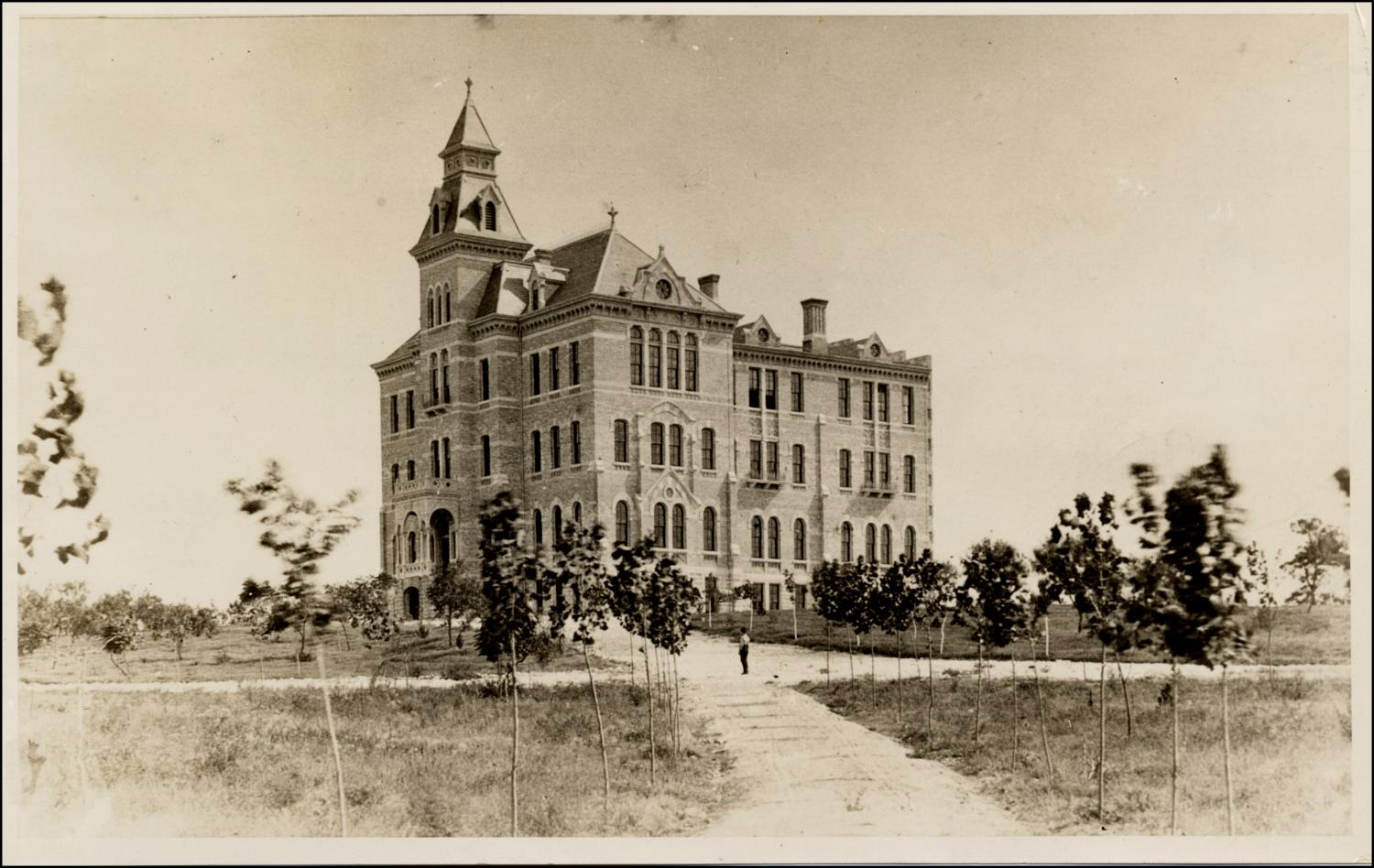
While the legislative framework was in place, the path to opening was not without its challenges. The state faced the monumental task of constructing facilities, recruiting faculty, and admitting students. The initial campus, famously known as the “Forty Acres,” was barren land when designated. Architects were commissioned, and construction began in earnest. The first building, an imposing Victorian Gothic structure, would stand where the iconic UT Tower now proudly rises. Financial constraints were persistent, and the nascent university relied heavily on land grants and, later, the burgeoning oil revenues from West Texas to fund its ambitious growth.
Despite these hurdles, the dedication of founding regents and early administrators prevailed. On September 15, 1883, the doors of the University of Texas formally opened, admitting its first class of 221 students and welcoming a faculty of eight professors. Dr. John W. Mallet served as the first Chairman of the Faculty, and his leadership was instrumental in shaping the university’s early academic direction. The curriculum initially focused on liberal arts, with departments in ancient languages, modern languages, history, philosophy, pure and applied mathematics, physics, and chemistry. From these humble beginnings, an academic powerhouse was born, destined to profoundly impact the educational, cultural, and economic landscape of Texas and beyond.
The University of Texas at Austin: A Landmark of Learning and Culture
Today, the University of Texas at Austin is much more than an educational institution; it is a sprawling urban landmark, a vibrant cultural center, and a significant magnet for tourism, drawing visitors from across the globe. Its architectural grandeur, rich history, and dynamic offerings make it a compelling destination for anyone exploring Austin.
Architectural Marvels and Iconic Sites
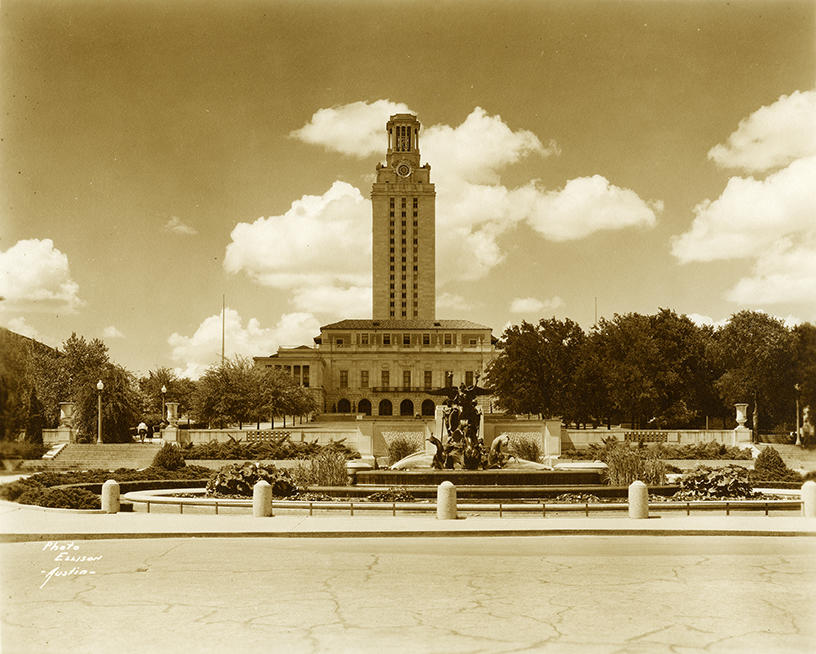
The campus itself is a testament to thoughtful urban planning and striking architecture, evolving from the original Victorian building to a diverse collection of structures reflecting various periods and styles. At its heart stands the majestic 307-foot UT Tower, designed by architect Paul Cret, which became the central library and an enduring symbol of the university. The UT Tower, often illuminated in celebratory orange, offers panoramic views of the city and serves as an unmistakable beacon for the campus.
Beyond the UT Tower, visitors can explore a plethora of architecturally significant buildings and serene green spaces. The Littlefield Fountain, a stunning Beaux-Arts masterpiece by Pompeo Coppini, commemorates the university’s students and alumni who died in World War I. Nearby, the Blanton Museum of Art boasts one of the largest university art collections in the United States, featuring European paintings, American art, and Latin American art, making it a must-visit for art aficionados. The Harry Ransom Center is another cultural treasure, housing an extraordinary collection of literary and cultural artifacts, including the Gutenberg Bible and the world’s first photograph. For those interested in natural history, the Texas Memorial Museum offers fascinating exhibits on dinosaurs, fossils, and the diverse ecosystems of Texas.
The campus landscaping, with its ancient oaks and well-maintained quadrangles, provides a peaceful respite from the urban bustle, inviting leisurely strolls and quiet contemplation. The blend of historical structures and modern facilities creates a unique atmosphere that is both grand and welcoming, making it an ideal destination for those seeking a blend of history, culture, and natural beauty.
Cultural Hub and Tourist Attraction
The University of Texas at Austin is not only an academic powerhouse but also a dynamic cultural hub that significantly contributes to Austin’s reputation as a vibrant city. Its influence extends far beyond its academic programs, impacting local tourism, arts, and entertainment.
Sports play a colossal role in the university’s identity, attracting tens of thousands of visitors annually. The Texas Longhorns athletic teams are legendary, particularly the football program. Games at the Darrell K Royal-Texas Memorial Stadium are major events, transforming Austin into a sea of burnt orange and generating significant tourism revenue for hotels, restaurants, and local businesses. Beyond football, basketball games at the Moody Center (formerly Frank Erwin Center), baseball, and other collegiate sports draw enthusiastic crowds, offering exciting experiences for sports lovers.
The university also hosts a rich array of performing arts events. The Bass Concert Hall, part of the Texas Performing Arts complex, is Austin’s premier venue for Broadway shows, concerts, and dance performances, bringing world-class entertainment to the city. University departments regularly stage plays, musical performances, and film screenings, providing affordable cultural enrichment for both students and the public. These cultural offerings, combined with the numerous museums and galleries on campus, solidify UT Austin’s status as a top tourist attraction. For travelers planning their itineraries, checking the university’s event schedule can often reveal unique cultural opportunities that enhance a visit to Austin.
Exploring Austin: Travel, Accommodation, and Lifestyle Around UT
The presence of the University of Texas at Austin profoundly shapes the surrounding neighborhoods and the city’s overall travel and lifestyle appeal. Its central location makes it an excellent starting point for exploring Austin’s diverse attractions, and the array of accommodations caters to every type of traveler.
Accommodations for Every Visitor
Whether you’re visiting a prospective student, attending a game, exploring the city’s landmarks, or on a business trip, Austin offers a wide spectrum of hotels and accommodations convenient to the UT campus. Luxury travelers can find upscale hotels downtown or near the State Capitol, offering premium amenities, fine dining, and stunning city views. Many of these establishments are just a short drive or walk from the university, making them ideal for those seeking comfort and convenience. Examples include high-end resorts along Lady Bird Lake or boutique hotels nestled in historic districts.
For those on a budget, numerous mid-range hotels, extended-stay apartments, and charming guesthouses are available in the neighborhoods surrounding the university, such as West Campus or North Campus. These options often provide excellent value, offering essential amenities without compromising on location. Airbnb and other vacation rental platforms also thrive in Austin, offering travelers the chance to experience local living in fully furnished apartments or houses, suitable for families or longer stays. This variety ensures that every visitor, from the solo adventurer to a large family, can find suitable accommodation that fits their preferences and financial plan. Booking in advance, especially during major university events like graduation or football games, is highly recommended to secure the best rates and availability.
Embracing the Austin Lifestyle
The University of Texas at Austin is intrinsically linked to the city’s unique “Keep Austin Weird” ethos. The area around campus, particularly along Guadalupe Street and Speedway, buzzes with student life, featuring an eclectic mix of bookstores, coffee shops, eateries, and unique boutiques. This energy spills over into the wider city, influencing Austin’s renowned food scene, live music venues, and vibrant arts community.
Visitors can dive into the authentic Austin lifestyle by exploring the numerous culinary delights, from famous Texas barbecue joints to innovative food trucks offering global cuisines. The city’s reputation as the “Live Music Capital of the World” is well-deserved, with countless venues on Sixth Street, Rainey Street, and throughout the city showcasing everything from country and blues to indie rock. For those seeking outdoor adventures, Austin provides ample opportunities, including kayaking or paddleboarding on Lady Bird Lake, hiking and biking trails in Zilker Park, or swimming in the refreshing waters of Barton Springs Pool.
The university’s presence also enriches Austin’s intellectual and cultural fabric. Beyond the campus museums, the city hosts the Bullock Texas State History Museum and the Elisabet Ney Museum, offering further historical and artistic exploration. The dynamic interplay between the university and the city creates an environment that is both intellectually stimulating and incredibly fun, making Austin a top destination for travel and lifestyle experiences.

Planning Your Visit to the Forty Acres
A visit to the University of Texas at Austin offers a deep dive into the history, culture, and academic spirit of Texas. To make the most of your travel experience, consider a few practical tips. Guided campus tours are available for prospective students and general visitors, providing insights into the university’s history and facilities. Self-guided tours are also popular, allowing visitors to explore at their own pace.
Parking on and around campus can be challenging, especially during peak hours or event days, so utilizing Austin’s public transportation system, ride-sharing services, or walking from nearby hotels is often the most convenient option. The campus is easily accessible from downtown Austin via Congress Avenue or San Jacinto Boulevard, placing it within reach of many major tourist attractions. Checking the university’s official website for events, museum hours, and specific departmental offerings can help tailor your visit to your interests. Whether you are coming to Austin for an academic conference, a football game, a cultural outing, or simply to experience the vibrant pulse of the Lone Star State, the University of Texas at Austin stands as an essential destination, embodying the pioneering spirit and intellectual ambition that has defined Texas since its inception.
In conclusion, the University of Texas was established with its first classes commencing on September 15, 1883, realizing a vision that began decades earlier. From a legislative mandate to a bustling educational, cultural, and economic powerhouse, its journey reflects the growth and aspirations of Texas. Today, it is not only a beacon of learning but also a premier landmark that enriches the travel, accommodation, and lifestyle landscape of Austin, offering an unforgettable experience for every visitor.
LifeOutOfTheBox is a participant in the Amazon Services LLC Associates Program, an affiliate advertising program designed to provide a means for sites to earn advertising fees by advertising and linking to Amazon.com. Amazon, the Amazon logo, AmazonSupply, and the AmazonSupply logo are trademarks of Amazon.com, Inc. or its affiliates. As an Amazon Associate we earn affiliate commissions from qualifying purchases.