
The construction and opening of The Venetian Hotel in Las Vegas marked a significant moment in the evolution of the city’s iconic skyline and its identity as a premier entertainment and hospitality destination. More than just a hotel, The Venetian was conceived as an ambitious themed resort, aiming to transport guests directly to the romantic canals and architectural grandeur of Venice, Italy. Understanding its construction timeline and the forces behind its creation offers valuable insight into the burgeoning luxury tourism market of the late 20th century and the innovative spirit that defines Las Vegas.
Genesis of a Venetian Dream
The idea for The Venetian Hotel was born from the vision of its developer, Sheldon Adelson, and his company, The Las Vegas Sands Corporation. At a time when themed resorts were gaining traction on the Las Vegas Strip, Adelson sought to create an experience that was not merely a pastiche of Italianate architecture but a meticulously crafted immersion. The inspiration was deeply rooted in the allure of Venice – its winding canals, ornate bridges, and the sophisticated atmosphere that has captivated travelers for centuries.
The Pre-Construction Phase
Before any physical construction could commence, extensive planning and design were essential. This involved:
- Conceptualization and Design: Architects and designers were tasked with translating the essence of Venice into a functional and visually stunning resort. This included replicating iconic landmarks such as the St. Mark’s Square and the Rialto Bridge, as well as integrating the signature canals with gondola rides. The goal was to create a sense of authenticity, even within the arid landscape of the Nevada desert.
- Securing Funding and Permits: The sheer scale of the project necessitated substantial financial backing. The Las Vegas Sands Corporation secured the necessary capital, and the complex web of permits and approvals from local and state authorities in Nevada was navigated.
- Site Preparation: The chosen location on the Las Vegas Strip required extensive site preparation. This involved clearing existing structures and preparing the ground for the immense undertaking of building what would become one of the largest hotels in the world.
The Construction Journey
The construction of The Venetian Hotel was a monumental feat of engineering and logistics, reflecting the ambition and rapid development characteristic of Las Vegas during this era. The project was divided into phases to manage its complexity and ensure a timely opening.
Phase One: The Grand Opening
The first phase of The Venetian Hotel officially opened its doors on May 3, 1999. This initial opening encompassed a significant portion of the resort, including the iconic canal system, the casino floor, a selection of restaurants, and a substantial number of guest suites. The unveiling was met with widespread media attention and public fascination, drawing immediate crowds eager to experience the novelty of a Venetian-themed resort in the heart of the desert.
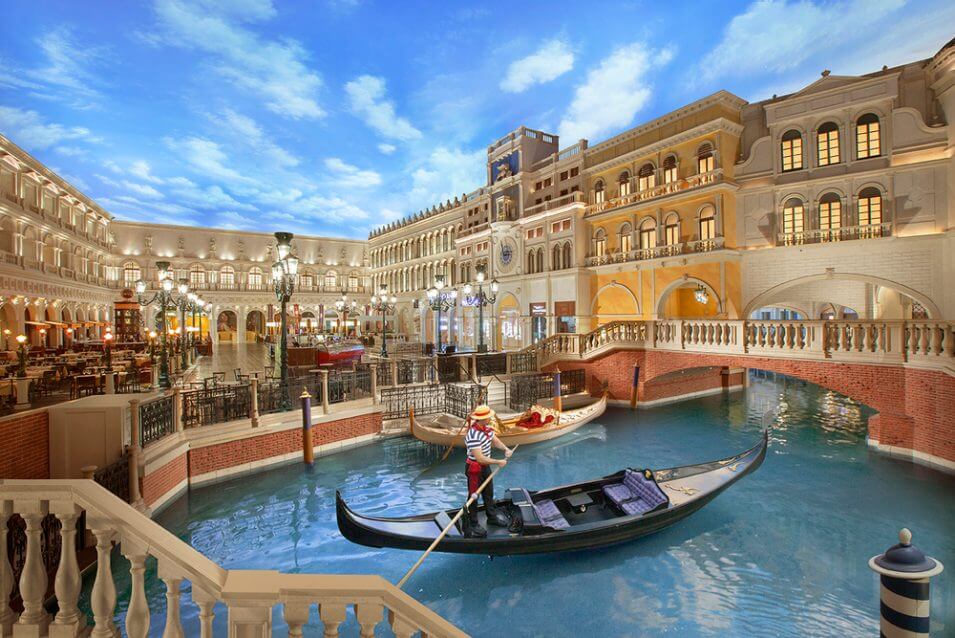
The design of the initial phase focused on capturing the visual and sensory elements of Venice. Hand-painted ceilings, detailed stonework, and authentic Italian art were incorporated throughout the property to enhance the immersive experience. The famous indoor canals, complete with replica gondolas and serenading gondoliers, quickly became a signature attraction, differentiating The Venetian from its competitors.
Phase Two: Expansion and Completion

Following the successful launch of the first phase, construction continued to expand the resort’s offerings. This second phase was critical in fully realizing Adelson’s vision and solidifying The Venetian’s position as a comprehensive destination.
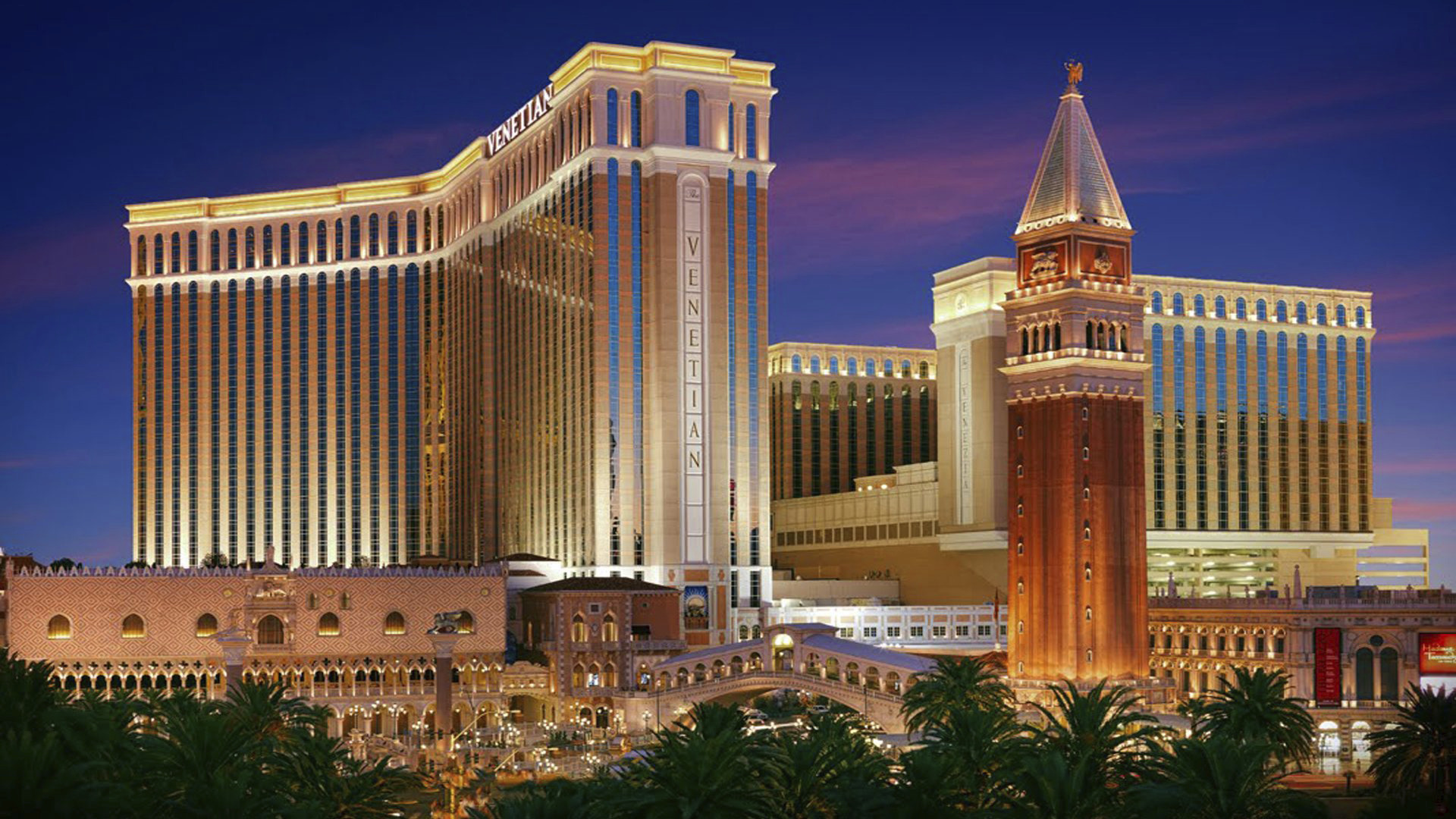
- The Venetian Towers: The construction of additional hotel towers was a major component of the expansion. These towers significantly increased the property’s capacity, offering more guest rooms and suites. The architectural style of these towers was designed to complement the original structure, maintaining the Venetian aesthetic.
- Expanded Amenities and Attractions: Phase two also saw the addition of more world-class dining establishments, retail outlets within the Grand Canal Shoppes, and entertainment venues. The goal was to create a self-contained destination where guests could spend their entire vacation without needing to leave the resort.
- The Palazzo: While not part of the original construction timeline of The Venetian Hotel itself, it is important to note the subsequent development of The Palazzo. Connected to The Venetian and sharing many amenities, The Palazzo opened in December 2007, further expanding the resort complex and contributing to its status as one of the largest hotels in the world by room count. The construction of The Palazzo represented a continuation of the luxury themed resort model pioneered by its sister property.
Architectural and Engineering Marvels
The construction of The Venetian Hotel presented unique architectural and engineering challenges, particularly in recreating a water-based city like Venice in a desert environment.
Recreating the Canals
One of the most ambitious aspects of the project was the creation of the indoor and outdoor canals. These were meticulously engineered to simulate the experience of Venice’s waterways.
- Water Systems: Advanced water filtration and pumping systems were installed to maintain the clarity and quality of the canal water. The intricate network of pumps and filtration ensures that the water remains pristine for the gondola rides and aesthetic appeal.
- Gondola Design: The gondolas themselves were designed to be authentic replicas, crafted to evoke the traditional Venetian boats. They are operated by skilled gondoliers, many of whom are trained in the art of Venetian singing, further enhancing the immersive experience.
- Structural Integration: Integrating these water features into the overall hotel structure required significant structural engineering. The weight of the water and the potential for leaks or other water-related issues were carefully considered and mitigated through robust construction techniques.
The Architectural Palimpsest
The architecture of The Venetian is a deliberate homage to its namesake. The designers aimed to capture the essence of Venetian Gothic, Renaissance, and Baroque architectural styles.
- Facade and Exterior: The exterior features ornate stonework, arched windows, and decorative elements that are characteristic of Venetian palaces. The use of color and texture further contributes to the illusion of being transported to Italy.
- Interior Design: Inside, the resort is adorned with replicas of famous Venetian landmarks, including the Doge’s Palace and the Bridge of Sighs. The Grand Canal Shoppes are designed to mimic the narrow streets and piazzas of Venice, complete with a painted sky ceiling that simulates daylight and evening.
- Suite Design: Even the guest suites were designed with an emphasis on space and luxury, often featuring separate living areas and bathrooms adorned with Italian marble. This commitment to thematic consistency extended to every aspect of the guest experience.
Impact and Legacy
The opening of The Venetian Hotel in 1999 had a profound impact on the Las Vegas hospitality scene and the broader tourism industry. It solidified the trend of mega-resorts and demonstrated the viability of highly themed, immersive experiences.
- Elevating the Themed Resort Concept: The Venetian elevated the concept of the themed resort from a novelty to a sophisticated offering. Its attention to detail, quality of execution, and commitment to guest experience set a new benchmark for luxury and immersion in Las Vegas.
- Economic Contributions: The resort has been a significant economic driver for Las Vegas, creating thousands of jobs in construction, hospitality, and entertainment. Its continued success contributes to the city’s robust tourism economy.
- Architectural Landmark: The Venetian has become an enduring architectural landmark on the Las Vegas Strip. Its distinctive silhouette and unique attractions continue to draw millions of visitors each year, making it a quintessential example of Las Vegas innovation and ambition. The successful implementation of its ambitious design and construction timeline in 1999 solidified its place in the pantheon of iconic global resorts.