
The history of the Chicago Bears is a storied narrative, deeply woven into the fabric of American sports and the vibrant local culture of Chicago. For tourists exploring the Windy City, understanding the origins of this iconic National Football League (NFL) franchise offers a unique window into the city’s passionate identity and enduring legacy. The answer to “When were the Chicago Bears founded?” takes us back over a century, to a small city in Illinois and the visionary leadership of one man who would shape professional football forever.
The Chicago Bears were founded in 1920, not initially in Chicago, but in Decatur, Illinois. They were originally known as the Decatur Staleys, sponsored by the A.E. Staley Manufacturing Company, a starch manufacturer. This foundational year predates the official establishment of the NFL itself, placing the Bears among the truly pioneering franchises of professional football. Their journey from a company team in a small town to one of the most revered institutions in sports history is a testament to perseverance, innovation, and an unwavering commitment to the game.
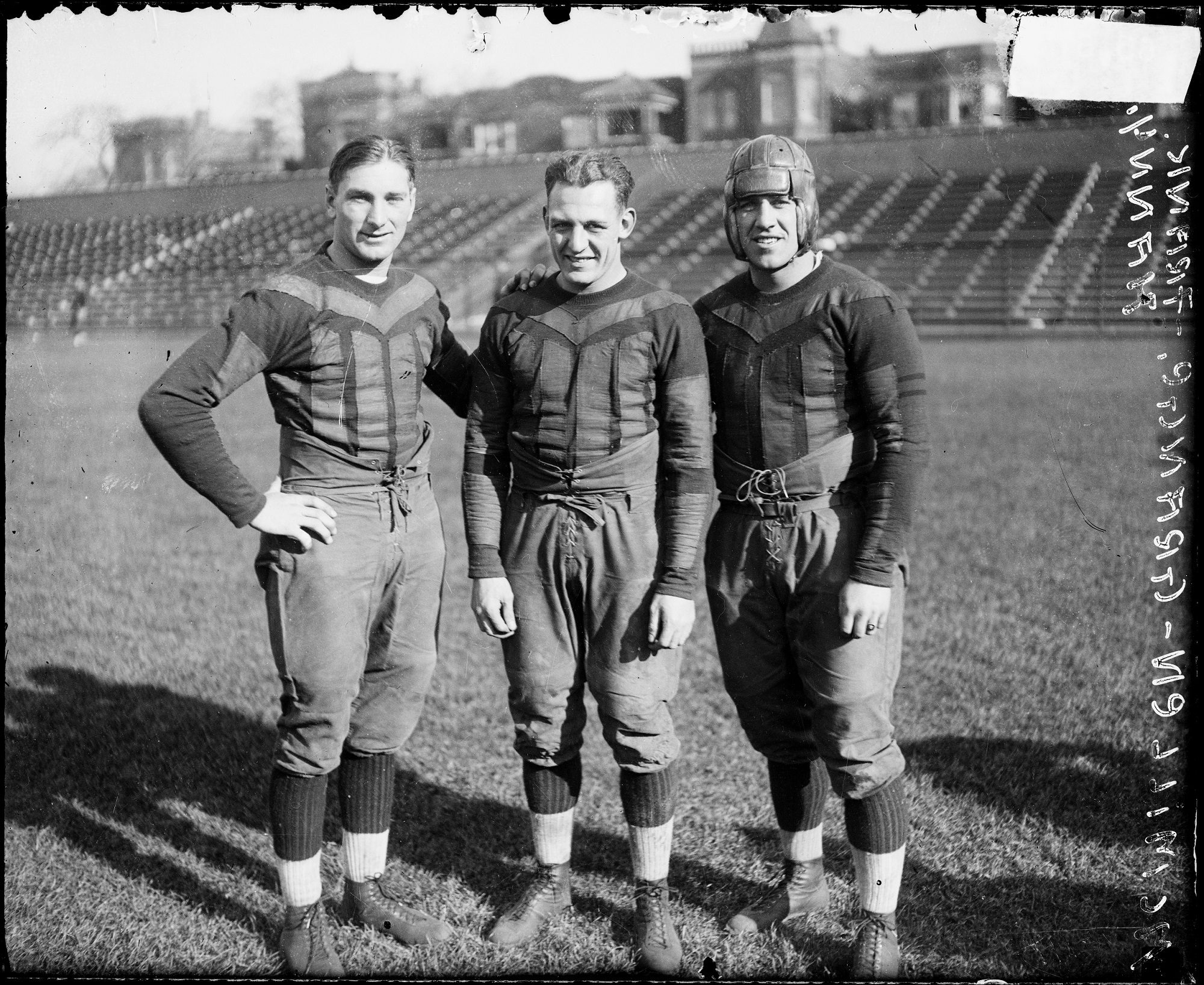
The Birth of a Gridiron Giant: A Foundation in Decatur
The story of the Chicago Bears begins in the bustling industrial town of Decatur, Illinois, during a transformative period for American sports. The year 1920 marked a pivotal moment for professional football, an era often characterized by barnstorming teams and nascent organizations striving for legitimacy. It was in this context that the A.E. Staley Manufacturing Company decided to sponsor a company football team. Their motivation was simple yet profound: to boost employee morale and company advertising. Little did anyone know at the time that this humble beginning would spark a legacy that would echo through generations.
The initial formation of the team was largely spearheaded by A. E. Staley himself, the company’s founder. He sought out a promising talent to lead his team, a move that would prove to be one of the most impactful decisions in sports history. His choice was a young player named George Halas, a former multi-sport athlete from the University of Illinois. Halas was not only an exceptional player but possessed an entrepreneurial spirit and a deep understanding of the game that would transcend the playing field. He was hired to work for the A.E. Staley Manufacturing Company and simultaneously manage and coach the company’s football team. This dual role cemented Halas’s position at the helm, setting the stage for his legendary career as a player, coach, and owner.
From Staleys to Bears: A Name Change and Relocation
The Decatur Staleys enjoyed immediate success in 1920, compiling a remarkable 10-1-2 record. However, financial realities soon prompted a significant change. Despite the team’s on-field prowess, Mr. Staley found that maintaining a professional football team was a considerable expense for his manufacturing business. Recognizing George Halas’s unparalleled dedication and the team’s potential, Staley offered Halas the opportunity to take over the franchise. In 1921, Halas purchased the team from A.E. Staley for a symbolic $100, along with the commitment to retain the “Staleys” name for one more season. This transaction, seemingly modest, marked the true birth of the independent franchise that would become the Chicago Bears.
Recognizing the immense potential of a larger market, Halas swiftly relocated the team to Chicago in 1921. Chicago was a burgeoning metropolis, a hub of industry, culture, and sports, offering a far larger fan base and greater financial opportunities. Upon moving to Chicago, the team continued to be known as the Chicago Staleys for the 1921 season, even winning their first official National Football League championship that year. Then, in 1922, George Halas made another iconic decision, changing the team’s name to the Chicago Bears. This renaming was not arbitrary; it was a deliberate choice to align with Chicago’s existing baseball team, the Chicago Cubs. The idea was that if the baseball team was the Cubs, then the football team, being bigger and stronger, should be the “Bears.” This clever marketing move cemented the team’s identity and its connection to the city it now called home.
George Halas: The Architect of a Dynasty
George Halas, affectionately known as “Papa Bear,” is arguably the most influential figure in the history of the Chicago Bears and one of the pioneers of the entire National Football League. His vision, leadership, and unyielding dedication were instrumental in the team’s establishment, survival, and eventual rise to prominence. From being a player, to a coach, to an owner, Halas wore multiple hats, shaping every aspect of the franchise for over six decades.
Halas’s impact extended far beyond merely founding and moving the team. He was a strategic innovator, credited with introducing numerous fundamental elements to professional football that are still in use today. These include the T-formation offense, the two-minute drill, and the practice of regular film study. He was a relentless advocate for the sport’s professionalization, playing a crucial role in establishing the legitimacy and organizational structure of the nascent National Football League. His dedication to the game and his team created a winning tradition that became synonymous with the Chicago Bears name, earning them eight NFL championships during his tenure. For any tourist interested in sports history, understanding Halas’s legacy is essential to grasping the deep roots of the Chicago Bears and the broader development of American football.
Early Years and the Genesis of the NFL
The period following the Chicago Bears’ founding was a dynamic and formative era for professional football. The sport was still finding its footing, grappling with issues of legitimacy, organization, and public appeal. The Bears, under George Halas’s shrewd guidance, were at the forefront of this evolution, playing a critical role in shaping what would become the modern National Football League. Their early success not only solidified their own standing but also contributed significantly to the growing popularity and structure of the league as a whole.
The 1920s and 1930s saw the Bears establish themselves as a dominant force. This era was characterized by fierce competition, often played on rudimentary fields, with teams relying on grit and strategy. The Bears’ style of play, known for its tough, defensive-minded approach and innovative offensive schemes (many developed by Halas), quickly garnered a loyal following in Chicago. The team became a symbol of the city’s blue-collar work ethic and resilient spirit, a connection that endures to this day.
Pioneering the National Football League
The Chicago Bears’ founding year, 1920, coincides with the birth of what would become the National Football League. Originally, the league was known as the American Professional Football Association (APFA), established in a Canton, Ohio, automobile dealership. George Halas was a key participant in these foundational meetings, advocating for rules, structure, and professionalism. The Decatur Staleys were one of the original franchises of the APFA, making the Chicago Bears one of the two remaining charter members of the NFL (the other being the Arizona Cardinals, originally the Chicago Cardinals).
In 1922, the APFA officially rebranded itself as the National Football League, solidifying its ambition to be the premier professional football organization. The Bears, with their strong team and visionary leadership, were instrumental in laying the groundwork for this new league. They helped set precedents for player contracts, league scheduling, and the overall governance of the sport. Their commitment to integrity and competitive excellence helped professional football gain credibility and appeal in an era when college football still dominated the public imagination.
Rivalries and Early Championships

The early years of the Chicago Bears were marked by intense rivalries that captured the public’s imagination and helped popularize the nascent NFL. Chief among these was the legendary rivalry with the Green Bay Packers, which began in 1921 and quickly became one of the most enduring and fiercely contested rivalries in all of sports. Games between the Bears and the Packers were not just contests; they were epic battles that showcased the raw physicality and strategic depth of early professional football. These matchups drew huge crowds and generated significant interest, helping to establish professional football as a viable spectator sport.
The Bears quickly translated their competitive spirit into success, securing their first unofficial league championship in 1921 as the Chicago Staleys. This was followed by numerous division titles and additional NFL championships throughout the 1930s and 1940s. These early victories were crucial for building the franchise’s reputation and establishing a winning tradition that became a cornerstone of Chicago’s identity. For tourists, understanding these early triumphs and rivalries provides context to the passion and fierce loyalty that defines Bears fandom today. It highlights how deeply ingrained this team’s history is within the broader narrative of American sports and Chicago’s competitive spirit.
The Bears’ Enduring Legacy in Chicago’s Culture
More than a century after their founding, the Chicago Bears remain an indelible part of Chicago’s identity. Their history is not merely a chronicle of wins and losses but a narrative intertwined with the city’s industrial heritage, its resilience, and its vibrant local culture. For tourists, encountering the Bears’ legacy means more than just knowing a founding date; it means understanding the emotional resonance the team holds for millions and how it contributes to the unique character of the city.
The Bears symbolize Chicago’s tenacity and enduring spirit. From the grit of their defensive prowess to the roar of the crowd at Soldier Field, the team embodies a no-nonsense, hardworking ethos that mirrors the city itself. This deep cultural connection makes the Bears much more than just a sports team; they are a shared experience, a collective memory, and a source of immense pride for Chicagoans, defining a significant aspect of the city’s tourism appeal for those seeking authentic local culture.
Soldier Field: A Home for Generations
The spiritual home of the Chicago Bears is Soldier Field, an iconic stadium that stands as a testament to both athletic achievement and architectural grandeur. While the Bears have played at various venues throughout their history, including Wrigley Field, Soldier Field has been their primary home since 1971. Originally built in 1924 as a memorial to American soldiers, the stadium itself holds historical significance, blending classical architectural elements with modern sports infrastructure.
For tourists, visiting Soldier Field offers a tangible connection to the Bears’ legacy. Even outside of game days, the stadium’s presence on the shores of Lake Michigan is a powerful visual. Its distinctive colonnades and the recent renovation, which seamlessly integrated a modern bowl within the historic shell, make it a unique landmark. It’s not just a place where games are played; it’s where generations of fans have gathered, where historic moments have unfolded, and where the collective heartbeat of Bears fandom resonates. Experiencing Soldier Field is to step into the ongoing story of the Chicago Bears and its deep roots in Chicago’s public life.
The Heartbeat of a City: Fanbase and Identity
The Chicago Bears’ fanbase is legendary for its unwavering loyalty and passionate dedication. This isn’t just about supporting a team; it’s about being part of a community, a shared identity that transcends demographics. The “Monsters of the Midway” mantra, referring to their formidable defensive teams, encapsulates a hard-nosed, resilient spirit that resonates deeply with Chicagoans. The team’s colors—navy blue and orange—are ubiquitous throughout the city, adorning everything from jerseys to flags to public murals.
For tourists, observing or participating in this fandom is an integral part of experiencing Chicago’s local culture. Whether it’s the roar of “Bear Down, Chicago Bears!” or the palpable excitement that grips the city on game day, the team creates a powerful sense of unity and collective purpose. This deep connection to the city’s identity makes the Bears a significant cultural landmark, an experience that enriches any visit to Chicago for those keen on understanding the genuine spirit of its people. The team’s century-long history has forged an unbreakable bond, making the Bears an indispensable part of what it means to be from Chicago.
Visiting Chicago: Experiencing Bears History and Culture
For any tourist visiting Chicago who is keen to delve beyond the typical architectural tours and culinary experiences, immersing oneself in the history and local culture surrounding the Chicago Bears is an enriching endeavor. The team’s century-plus history offers a fascinating glimpse into the evolution of American sports and its deep cultural impact on a major metropolitan city. From iconic landmarks to the sheer vibrancy of game-day traditions, there are numerous ways to connect with the legacy of the Bears.
Understanding “When were the Chicago Bears founded?” is just the beginning. The real experience comes from seeing where that history lives and breathes in the modern city. The Bears are more than a sports franchise; they are a living piece of Chicago’s soul, offering tourists a unique perspective on the city’s passions and enduring traditions.
Must-See Bears Attractions for Tourists
While the exact founding location in Decatur, Illinois might be a bit of a drive, Chicago itself offers several key sites for Bears enthusiasts:
- Soldier Field: The most obvious and impactful stop. Tourists can take stadium tours (when available) to explore the locker rooms, press box, and historic grounds. Even simply walking around the exterior offers a sense of its grandeur and historical significance. The surrounding Museum Campus also places the stadium in a broader cultural context, near other major attractions like the Field Museum and Shedd Aquarium.
- Halas Hall: Located in Lake Forest, the team’s administrative and training facility is not typically open to the public for tours. However, its existence and location emphasize the team’s ongoing commitment to excellence and the legacy of its founder, George Halas.
- Sports Bars and Eateries: To truly feel the pulse of Bears fandom, visit some of Chicago’s quintessential sports bars. Establishments like Ditka’s Restaurant (named after legendary Bears coach Mike Ditka) or other local haunts offer an authentic atmosphere, especially during football season. This is where the local culture comes alive, with passionate discussions, game replays, and memorabilia.
- Memorabilia Shops: Numerous sports merchandise stores across Chicago offer official Bears gear and historical items, allowing visitors to take a piece of the team’s legacy home.
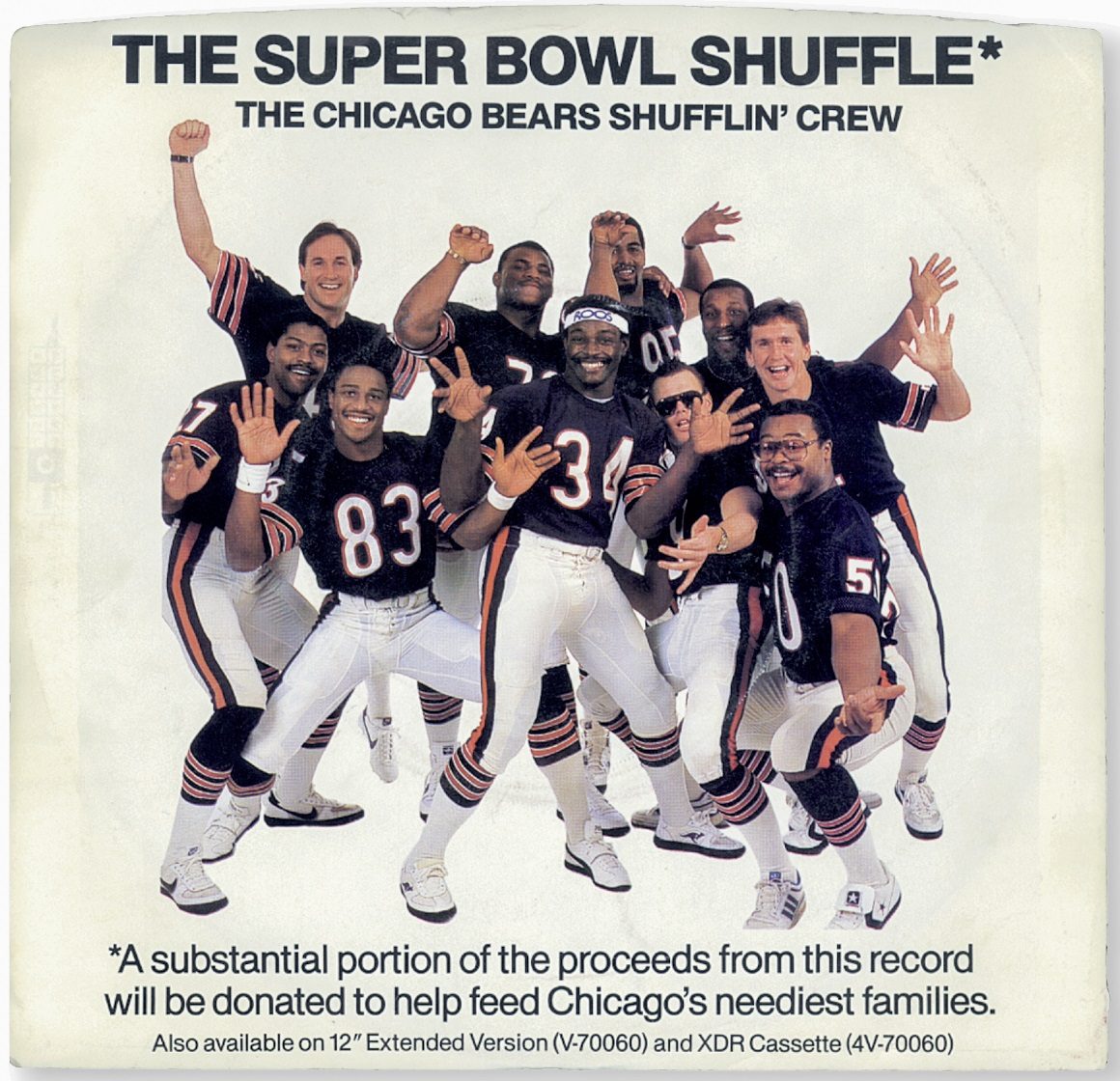
Connecting with the Legacy: Game Day Experience and Beyond
The ultimate way for a tourist to connect with the Chicago Bears’ legacy is to experience a game day at Soldier Field. The atmosphere is electric, a symphony of cheers, chants, and shared anticipation. Attending a game offers a direct immersion into the passion and tradition that has defined the Bears for over a century. From tailgating rituals in the parking lots to the roar of the crowd during a pivotal play, it’s an unforgettable cultural experience unique to Chicago.
Beyond game days, simply engaging with locals about their beloved team can provide profound insights. Chicagoans are proud of their history and their teams, and many are eager to share stories and perspectives. Learning about the Bears’ founding, their legendary players, and their historic triumphs, contributes to a richer understanding of Chicago as a destination. The Chicago Bears are not just a sports team; they are a historical landmark, a cultural institution, and a vibrant thread in the tapestry of one of America’s greatest cities, making their history an essential part of any comprehensive tourist experience.
LifeOutOfTheBox is a participant in the Amazon Services LLC Associates Program, an affiliate advertising program designed to provide a means for sites to earn advertising fees by advertising and linking to Amazon.com. Amazon, the Amazon logo, AmazonSupply, and the AmazonSupply logo are trademarks of Amazon.com, Inc. or its affiliates. As an Amazon Associate we earn affiliate commissions from qualifying purchases.