
The venerable history of the Chicago Cubs is steeped in tradition, resilience, and a passionate fanbase that has followed the team through generations. To understand the enduring appeal of this iconic Major League Baseball franchise, one must delve into its origins, tracing the lineage of what is now a cornerstone of Chicago sports culture. The question of “When were the Chicago Cubs founded?” is not merely a historical footnote; it’s the genesis of a saga that has captivated millions and solidified the team’s place as a beloved landmark in the city’s landscape.
The story begins in the late 19th century, a period of significant growth and transformation in American cities, including Chicago. The emergence of professional baseball leagues was a burgeoning phenomenon, and Chicago was determined to have a significant presence. The franchise that would eventually become the Cubs has a somewhat complex founding narrative, involving a few name changes and foundational moments that solidified its presence in the National League.

The Genesis of a Baseball Dynasty: Early Years and Identity
The franchise’s official lineage traces back to 1876, the inaugural year of the National League of Professional Baseball Clubs. On April 22, 1876, a team known as the Chicago White Stockings played their very first game. This marked the beginning of professional baseball in Chicago and established the team as one of the charter members of the new league. The name “White Stockings” was a common moniker for baseball teams in the era, reflecting the common practice of wearing white stockings as part of the uniform.
The early years of the White Stockings were marked by success. Under the leadership of figures like manager and star player Cap Anson, the team quickly established itself as a formidable force in the nascent league. They won multiple championships in the late 1870s and 1880s, laying the groundwork for a legacy of winning that would continue, albeit with significant periods of drought, for over a century.
Evolution of a Name: From White Stockings to Colts
Over the subsequent decades, the franchise underwent several name changes, reflecting the dynamic nature of professional sports and evolving team identities. The “White Stockings” name persisted for several years, but by the late 1880s and early 1890s, the team began to be referred to by other nicknames.
In 1890, the team was known as the Chicago Colts. This era saw a shift in the team’s fortunes, with less consistent success compared to their early championship years. The “Colts” nickname was adopted following a significant turnover of players, suggesting a “younger” or “newer” team. This period was characterized by a rebuilding phase, with the franchise striving to recapture the glory of its initial championship runs. The team’s performance during this time often mirrored the struggles of a developing entity, trying to find its footing amidst the competitive landscape of the National League.
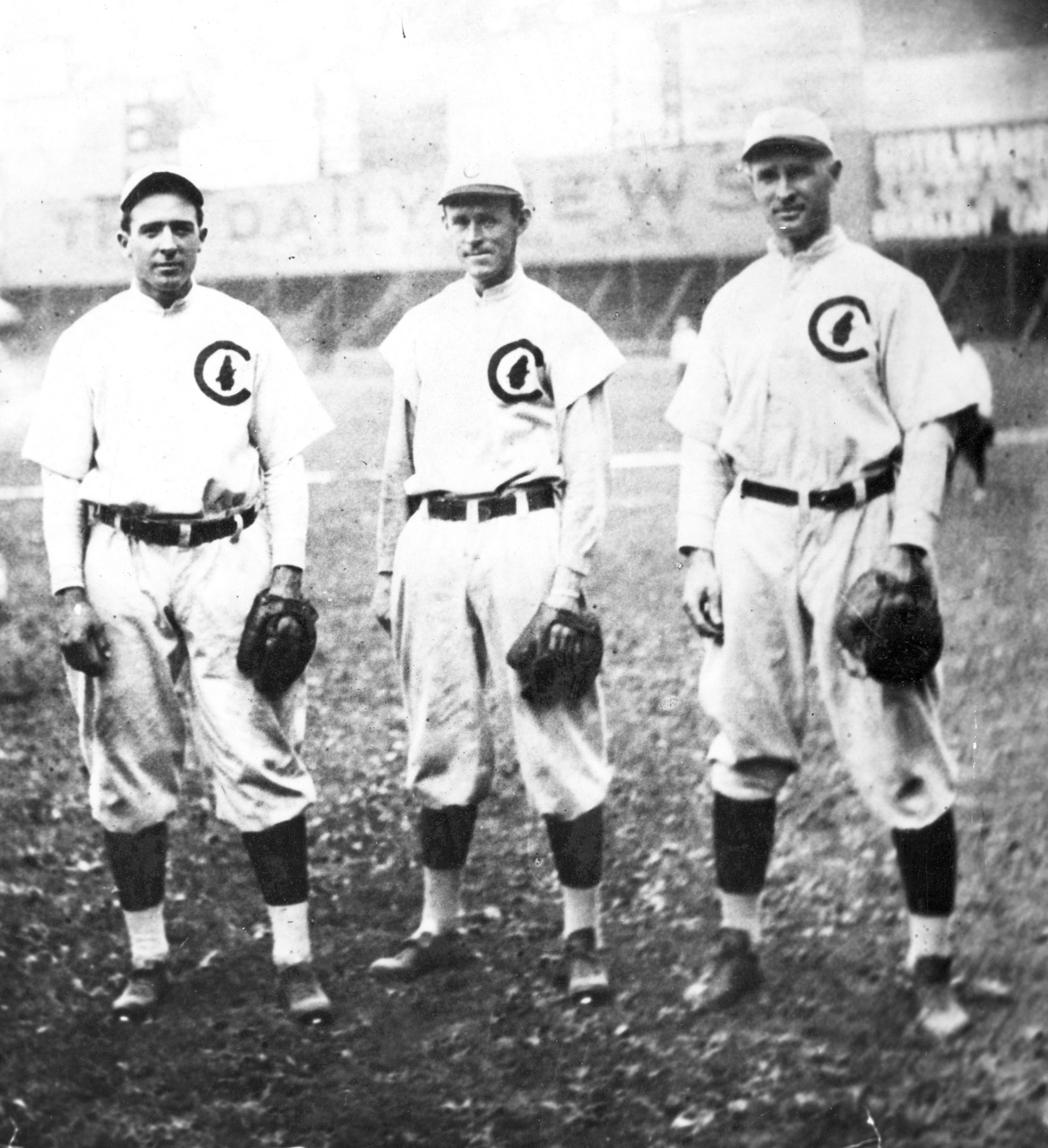
The “Orphans” and the Dawn of the “Cubs”
The nickname “Colts” was short-lived, and by 1894, the team became known as the Chicago Orphans. This name change reflected a period of further team upheaval, with many of the veteran players from the “Colts” era having departed. The term “Orphans” carried a connotation of being without experienced leadership or a strong established core, highlighting a sense of being left behind or adrift.
It was during this transitional period that the seeds of the “Cubs” identity were sown. Newspaper writers and fans began to refer to the younger players on the roster as “cubs,” emphasizing their youthful energy and potential. This informal moniker gradually gained traction. The transition from “Orphans” to “Cubs” was not an immediate, official decree but rather a natural evolution of team branding, driven by public perception and journalistic shorthand.
The official adoption of the name “Chicago Cubs” occurred in 1903. This marked a pivotal moment, establishing a moniker that would become synonymous with the team and resonate with generations of fans. The name “Cubs” evoked images of youth, vigor, and the promise of future success, a stark contrast to the melancholic “Orphans.” This rebranding coincided with a period of renewed optimism and improved performance for the franchise, setting the stage for a more competitive era.
Wrigley Field: A Landmark of Cubs Lore
While the founding date is a historical marker, the identity of the Chicago Cubs is inextricably linked to their iconic home, Wrigley Field. Though not built until much later, the stadium’s history is a vital part of the Cubs’ narrative. Construction of Wrigley Field began in 1914, and the ballpark, then known as Weeghman Park, opened its gates in 1916. It was renamed Cubs Park in 1920 and finally became Wrigley Field in 1927, in honor of the team’s owner, [P.K. Wrigley](https://lifeoutofthebox.com/p-k- Wrigley).
Wrigley Field is more than just a stadium; it is a historic landmark that embodies the spirit of the Cubs and the enduring charm of baseball in Chicago. Its ivy-covered outfield walls, hand-operated scoreboard, and intimate atmosphere have made it a mecca for baseball enthusiasts and a significant tourist attraction. The ballpark has witnessed countless historic moments, triumphs, and heartbreaks for the Cubs, solidifying its place as an essential component of the team’s identity. Visiting Wrigley Field offers a tangible connection to the team’s long and storied past, a journey through decades of baseball history.

The Significance of 1876
Therefore, when considering the founding of the Chicago Cubs, the most accurate and historically significant date is 1876. This was the year the franchise began its journey as the Chicago White Stockings, marking its official entry into professional baseball and its status as a charter member of the National League. While the team’s name and identity have evolved significantly since then, the 1876 founding provides the crucial historical anchor, signifying the beginning of a continuous legacy that has shaped Chicago’s sporting identity and contributed a rich chapter to the annals of American baseball. The subsequent name changes to “Colts,” “Orphans,” and finally “Cubs” represent chapters in the team’s ongoing narrative, but the origin point remains firmly in the 19th century.
The enduring appeal of the Chicago Cubs lies not just in their historical establishment but in their ability to evoke a sense of continuity and tradition. Their journey from the White Stockings to the beloved Cubs is a testament to the ever-evolving nature of sports franchises and their deep integration into the cultural fabric of their host cities. For any visitor to Chicago seeking to understand its landmarks and historical narratives, exploring the origins of the Cubs is an essential excursion into the heart of the city’s sporting soul.
LifeOutOfTheBox is a participant in the Amazon Services LLC Associates Program, an affiliate advertising program designed to provide a means for sites to earn advertising fees by advertising and linking to Amazon.com. Amazon, the Amazon logo, AmazonSupply, and the AmazonSupply logo are trademarks of Amazon.com, Inc. or its affiliates. As an Amazon Associate we earn affiliate commissions from qualifying purchases.