
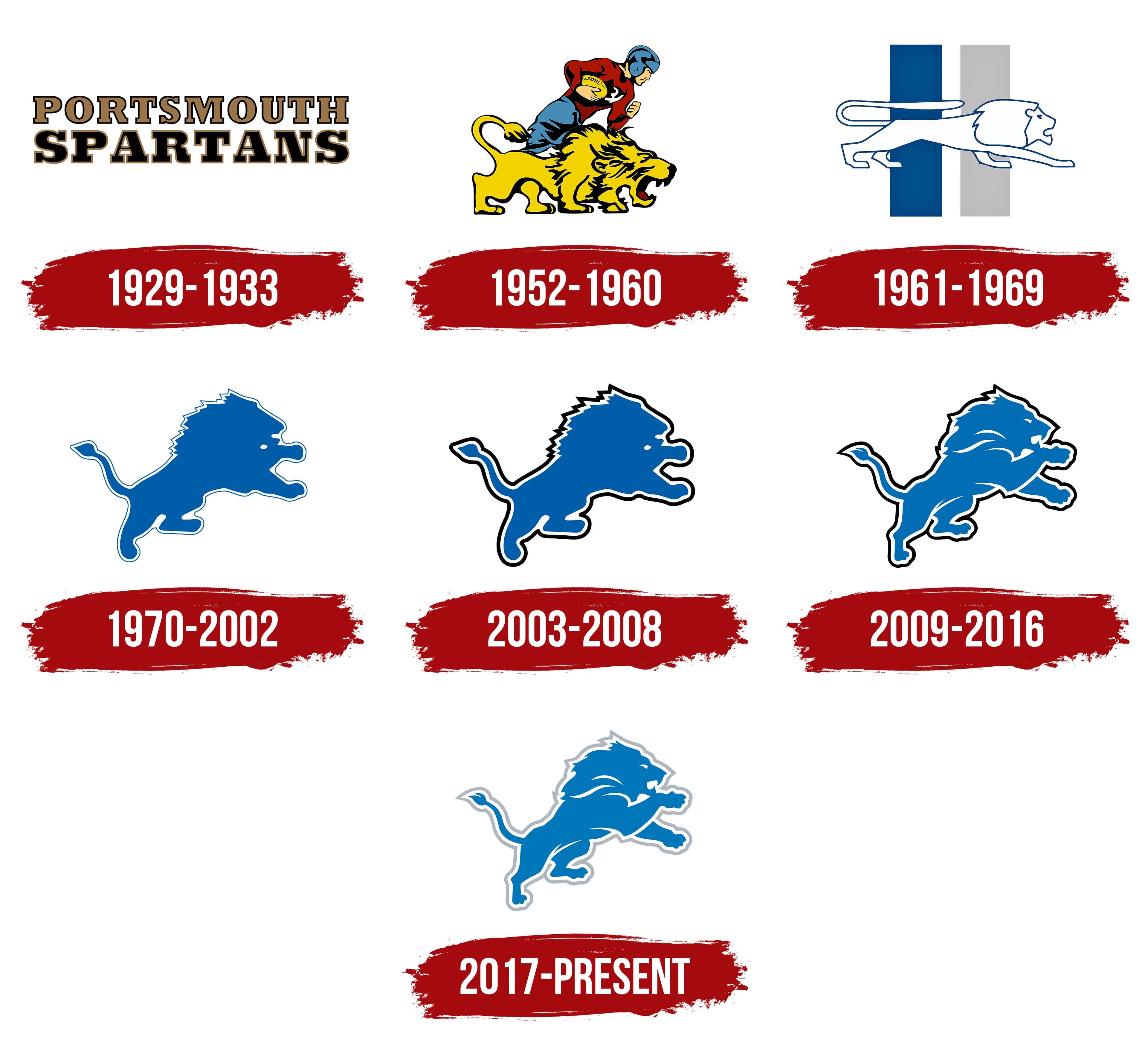
The genesis of any institution steeped in history often involves a winding path, and the Detroit Lions are no exception. Far from being an overnight sensation, the storied NFL franchise boasts a history that began not in Detroit, but over 250 miles away in a different state. To accurately answer the question of their founding, one must delve into the early days of professional football, a time when teams were transient, and the league itself was still finding its footing. The Detroit Lions were initially established as the Portsmouth Spartans in 1929 in Portsmouth, Ohio. Their relocation to Detroit and subsequent rebranding in 1934 marked a pivotal moment, cementing their place as a cultural and historical landmark within the Motor City. This dual origin story provides a rich backdrop for understanding not just when the team was founded, but how it evolved into the enduring symbol it is for Michigan‘s largest city.

The Genesis of a Sporting Icon: From Ohio Roots to the Motor City
The journey of the Detroit Lions is a fascinating narrative that intertwines with the evolution of professional sports in America and the unique economic and cultural landscape of the Roaring Twenties and the ensuing Great Depression. Their establishment speaks volumes about the entrepreneurial spirit of the era and the growing appeal of organized football.
From Portsmouth to the Motor City: Early Origins
The story begins in 1929 with the formation of the Portsmouth Spartans. Portsmouth, Ohio, a relatively small industrial city, was an unlikely hotbed for professional football, yet it harbored a passionate fan base eager for local entertainment. The Portsmouth Spartans quickly established themselves as a formidable team, joining the NFL (then known as the American Professional Football Association until 1922, but by 1929, it was officially the NFL) in 1930. Despite their on-field success, including an impressive 10-3-1 record in 1931, the economic realities of the Great Depression began to take a severe toll. A small market like Portsmouth, Ohio struggled to generate sufficient revenue to sustain a professional football franchise, especially as larger metropolitan areas began to dominate the league’s landscape. The financial strain made it increasingly clear that a move to a larger city was inevitable for the team’s survival.
The Move and Rebranding: Solidifying Identity
The pivotal year was 1934. Amidst the economic turmoil, George A. Richards, a prominent radio executive and owner of Detroit’s WJR radio station, purchased the Portsmouth Spartans for a reported sum of $7,500. Richards saw the immense potential for a professional football team in Detroit, a thriving industrial hub with a burgeoning population and a strong sporting tradition. Upon moving the team to Detroit, Richards sought to imbue the franchise with a new identity that resonated with its new home. He renamed them the Detroit Lions, a name chosen to symbolize strength, power, and the regal nature of the city’s automotive prowess. The lion, a king among beasts, was a fitting emblem for a team intended to conquer the gridiron. This move in 1934 marks the official founding of the Detroit Lions as the franchise we know today, firmly establishing its roots in Detroit’s historical and cultural fabric.
Building a Legacy: Early Years and Challenges
The transition to Detroit brought with it a fresh start and immediate aspirations for greatness. The initial years were marked by both thrilling successes and the inherent challenges of establishing a new professional sports entity in a competitive market.
Initial Successes and the NFL Landscape
Under Richards’s ownership and with a vibrant new city backing them, the Detroit Lions wasted no time in making their presence felt in the NFL. In their very first season in Detroit in 1934, the team finished with a remarkable 10-3 record, only narrowly missing out on the Western Division title to the formidable Chicago Bears. This immediate competitiveness galvanized the city and demonstrated the wisdom of Richards’s investment. The following year, in 1935, the Detroit Lions achieved their first championship, defeating the New York Giants in the NFL Championship Game. This early triumph was instrumental in solidifying the team’s identity and creating an immediate bond with the people of Detroit. It wasn’t just a football victory; it was a source of pride for a city navigating the lingering effects of the Great Depression, showcasing resilience and the power of collective effort.
The Roaring Twenties and the Great Depression’s Shadow
The backdrop against which the Detroit Lions were founded and initially flourished is crucial to understanding their historical significance. The Roaring Twenties had seen an explosion of leisure activities, including professional sports, but the stock market crash of 1929 and the subsequent Great Depression reshaped the economic and social landscape entirely. For many Americans, entertainment became a necessary escape from hardship. Professional football, with its raw physicality and unpredictable drama, offered an accessible form of diversion.
For Detroit, a city built on the automotive industry, the Great Depression hit particularly hard. Unemployment soared, and economic uncertainty was rampant. In this context, a successful sports team like the Detroit Lions became more than just a source of entertainment; it was a symbol of hope and community spirit. The team’s early success, culminating in the 1935 championship, provided a much-needed morale boost and served as a cultural landmark, a beacon of shared experience in challenging times. It demonstrated that even amidst despair, the city could rally around a common cause and achieve greatness.
The Detroit Lions as a Cultural Landmark
Beyond their athletic achievements, the Detroit Lions have evolved into a significant cultural landmark for the city of Detroit. Their history is inextricably linked to the city’s identity, reflecting its triumphs, struggles, and enduring spirit.
More Than Just a Team: Community and Civic Pride
For generations of Detroit residents, the Detroit Lions are far more than a professional sports franchise. They represent a collective identity, a source of civic pride, and a focal point for community gathering. The team’s presence in Detroit over nearly a century has woven it into the fabric of daily life, creating traditions, fostering intergenerational bonds, and serving as a constant thread through the city’s changing fortunes. From early games at Tiger Stadium (then known as Briggs Stadium or Navin Field) to the modern era at Ford Field in Downtown Detroit, the stadiums themselves become gathering places, historical sites where countless memories are made and shared. The Lions’ games are communal events, drawing people from all walks of life together, fostering a sense of belonging and shared purpose that transcends wins and losses. This deep-seated connection makes the team an intangible, yet profoundly impactful, landmark.
The Enduring Spirit of Detroit Football
The enduring spirit of Detroit football, as embodied by the Detroit Lions, mirrors the resilience and fortitude of the city itself. Through decades of highs and lows, the fan base has remained fiercely loyal, a testament to the strong bond forged between the team and its community. This unwavering support, even through challenging seasons, is a defining characteristic of Detroit’s cultural landscape. The Lions’ journey from a struggling team in a small Ohio town to a cornerstone of a major American city’s identity highlights a significant aspect of Detroit’s historical narrative: its ability to adapt, persevere, and maintain an indomitable spirit. The team stands as a living monument to this history, constantly reminding residents of their collective strength and shared heritage.
Key Figures and Defining Moments in Founding History
The establishment and early success of the Detroit Lions were not accidental; they were the result of visionary leadership and strategic decisions made during a critical juncture in both sports and national history.
The Visionaries Behind the Franchise
While the Portsmouth Spartans had their own founding figures, it was George A. Richards who truly forged the Detroit Lions as they are known today. Richards’s foresight in recognizing Detroit’s potential as a professional sports market was crucial. He understood the power of sports to captivate an audience and unify a city, especially one undergoing significant social and economic shifts. His background in radio also played a role in popularizing the team, using his media empire to broadcast games and create a buzz that resonated throughout Michigan. His decision to rename the team to the “Lions” was not merely a marketing gimmick; it was a deliberate choice to craft an identity that would inspire pride and symbolize the strength of Detroit. This early leadership laid the groundwork for the franchise’s long-term presence and enduring legacy in the city.
Early Venues and the Evolution of the Game
The physical spaces where the Detroit Lions played their early games also form part of their historical landmark status. Upon their arrival in Detroit, the Lions made their home at Tiger Stadium (then known variously as Navin Field or Briggs Stadium), sharing the venue with the Detroit Tigers baseball team. This multi-purpose stadium became a historical site in its own right, witnessing not only baseball legends but also the birth of Detroit football tradition. The shared stadium arrangement reflected the common practice of the era and underscored how sports were integrated into the city’s urban landscape. Over the decades, as the game evolved, so too did the venues, culminating in the move to the modern Ford Field in 2002. Each of these locations holds a piece of the Lions’ history, serving as physical landmarks of their journey and the changing face of professional sports.
The Detroit Lions Today: A Historical Perspective
Understanding the founding and early history of the Detroit Lions provides crucial context for appreciating the team’s present-day significance and its ongoing role as a cornerstone of Detroit’s identity.
Connecting Past and Present
The 1929 founding of the Portsmouth Spartans and their 1934 transformation into the Detroit Lions are more than mere dates; they are anchors in a rich tapestry that connects generations of fans. This history informs the narrative of the team, adding depth to every victory and every challenge. For a city like Detroit, which has experienced profound economic and social shifts, the continuity offered by institutions like the Detroit Lions is invaluable. They provide a link to the past, reminding residents of where they came from and the journey they have collectively undertaken. The enduring presence of the Lions is a testament to the power of sports to create lasting legacies that transcend the confines of the athletic field.
The Unbreakable Bond with the City
In conclusion, the Detroit Lions were initially founded in 1929 as the Portsmouth Spartans and definitively established as the Detroit Lions upon their relocation to Detroit in 1934. This dual founding date highlights a critical period of growth and consolidation within the NFL and underscores the strategic vision that brought professional football to the Motor City. From their humble beginnings in Ohio to their permanent home in Detroit, the Lions have woven themselves into the historical and cultural fabric of the region. As a living landmark, the team represents more than just a sports franchise; it embodies the resilience, pride, and unwavering spirit of Detroit, a bond that continues to thrive and evolve with each passing season. The story of the Lions is, in essence, a story of Detroit itself – complex, enduring, and always looking forward.
LifeOutOfTheBox is a participant in the Amazon Services LLC Associates Program, an affiliate advertising program designed to provide a means for sites to earn advertising fees by advertising and linking to Amazon.com. Amazon, the Amazon logo, AmazonSupply, and the AmazonSupply logo are trademarks of Amazon.com, Inc. or its affiliates. As an Amazon Associate we earn affiliate commissions from qualifying purchases.