
The dream of zipping across the Golden State on a state-of-the-art high-speed rail system has been a long time coming. The California High-Speed Rail project, a monumental undertaking aimed at revolutionizing travel throughout the state, has captured the imagination of residents and visitors alike. The promise is alluring: swift, convenient, and environmentally friendly journeys connecting major urban centers from San Francisco to Los Angeles and beyond. Yet, for years, the question on everyone’s mind has been a simple yet complex one: When will California High-Speed Rail be finished?
This ambitious endeavor, often lauded as one of the most significant infrastructure projects in the United States, has faced a multitude of challenges since its inception. From securing funding and navigating complex political landscapes to overcoming environmental hurdles and engineering complexities, the path to completion has been anything but smooth. Understanding the current status, the projected timelines, and the factors influencing these dates is crucial for anyone interested in the future of travel in California.
The Ambitious Vision and Its Evolutionary Journey
The concept of high-speed rail in California is not a new one. Discussions and proposals have circulated for decades, with the idea gaining significant momentum in the early 2000s. Voters approved a substantial bond measure in 2008, paving the way for the project’s official launch. The initial vision was grand: a network that would connect the San Francisco Bay Area to Southern California and eventually extend to Sacramento and San Diego, offering a viable alternative to air and car travel.
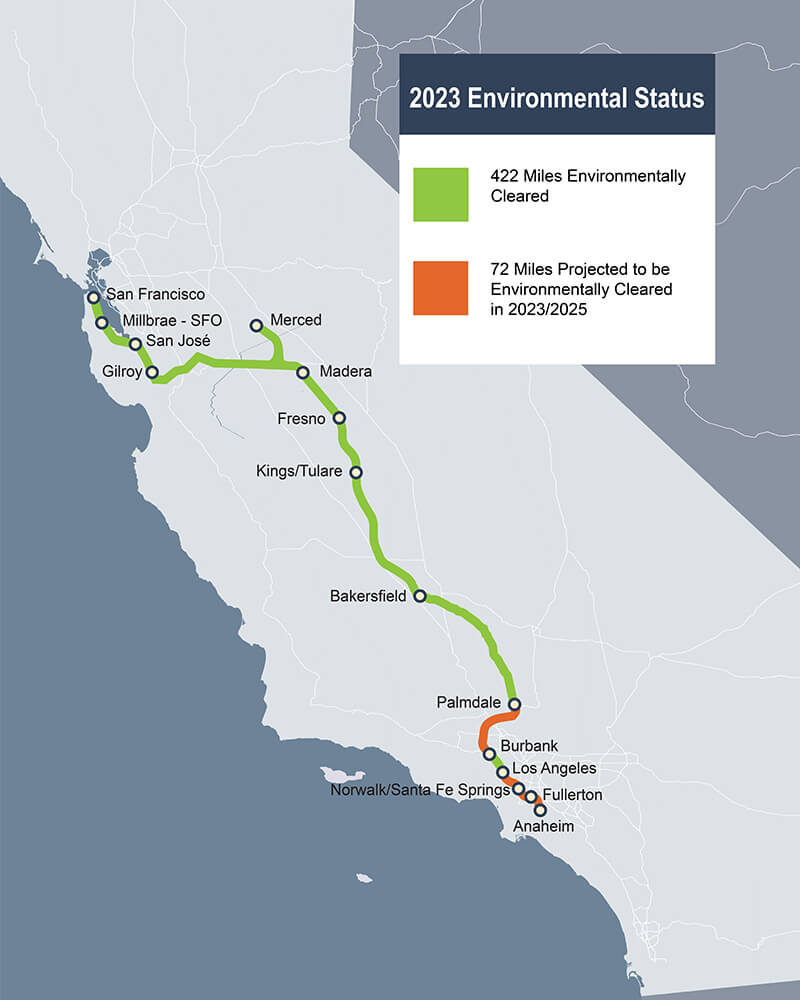
The project is being developed in phases, with the initial focus on building a segment in the Central Valley. This section, from Merced to Bakersfield, is intended to serve as the backbone of the future system and is crucial for demonstrating the technology and operational feasibility of the high-speed rail. While this might seem like a relatively short stretch compared to the entire state, it represents a critical and complex stage of construction, involving significant land acquisition, track laying, and station development.
The Central Valley Backbone: Progress and Hurdles
The Central Valley segment, often referred to as the “Phase 1” construction, is where the most visible progress has been made. This 119-mile stretch is intended to be the first operational piece of the system. Significant milestones have been achieved, including the construction of numerous bridges, viaducts, and tunnels. Crews have been actively laying track and building infrastructure in areas around Madera, Fresno, and Visalia.
However, even this initial phase has encountered its share of delays and cost overruns. These challenges are not uncommon in mega-infrastructure projects of this scale. Factors such as unexpected geological conditions, the need for extensive environmental reviews and mitigation, and the complexities of coordinating with numerous stakeholders have all contributed to a slower-than-anticipated pace. Securing continued funding, both state and federal, has also been a persistent challenge, requiring constant negotiation and advocacy.
The original goal for the Central Valley segment to be operational has been pushed back multiple times. While initial projections were more optimistic, the realities of construction on such a vast scale have led to revised timelines. The focus now is on completing this segment as a proof of concept, a vital step before expanding to the more densely populated and complex urban corridors of Los Angeles and the Bay Area. The completion of the Central Valley segment is seen as a crucial indicator of the project’s viability and a key factor in attracting further investment and political support.
Connecting the Major Metropolises: The Next Frontier
Once the Central Valley segment is operational, the real challenge – and perhaps the most anticipated part of the project – will be extending the high-speed rail lines to the major population centers of Los Angeles and the San Francisco Bay Area. This is where the engineering complexities and land acquisition challenges become exponentially greater.
The Southern California Corridor
The route through Southern California is particularly intricate. It involves traversing densely populated urban areas, navigating challenging terrain including mountain passes, and integrating with existing transportation networks. The Los Angeles World Airports area is a key destination point, envisioned as a major hub connecting passengers to the high-speed rail system. The route will need to connect Los Angeles Union Station, a historic transportation hub, with other parts of the Los Angeles metropolitan area and ultimately with the Central Valley segment.
Securing the right-of-way in such a built-up environment is a monumental task. It often involves intricate negotiations with property owners, extensive environmental impact studies, and the potential for significant disruptions during construction. The design and construction of tunnels, bridges, and elevated tracks in urban settings are complex and expensive undertakings. The cost associated with building through the San Gabriel Mountains, for example, is considerable.
The Bay Area Integration
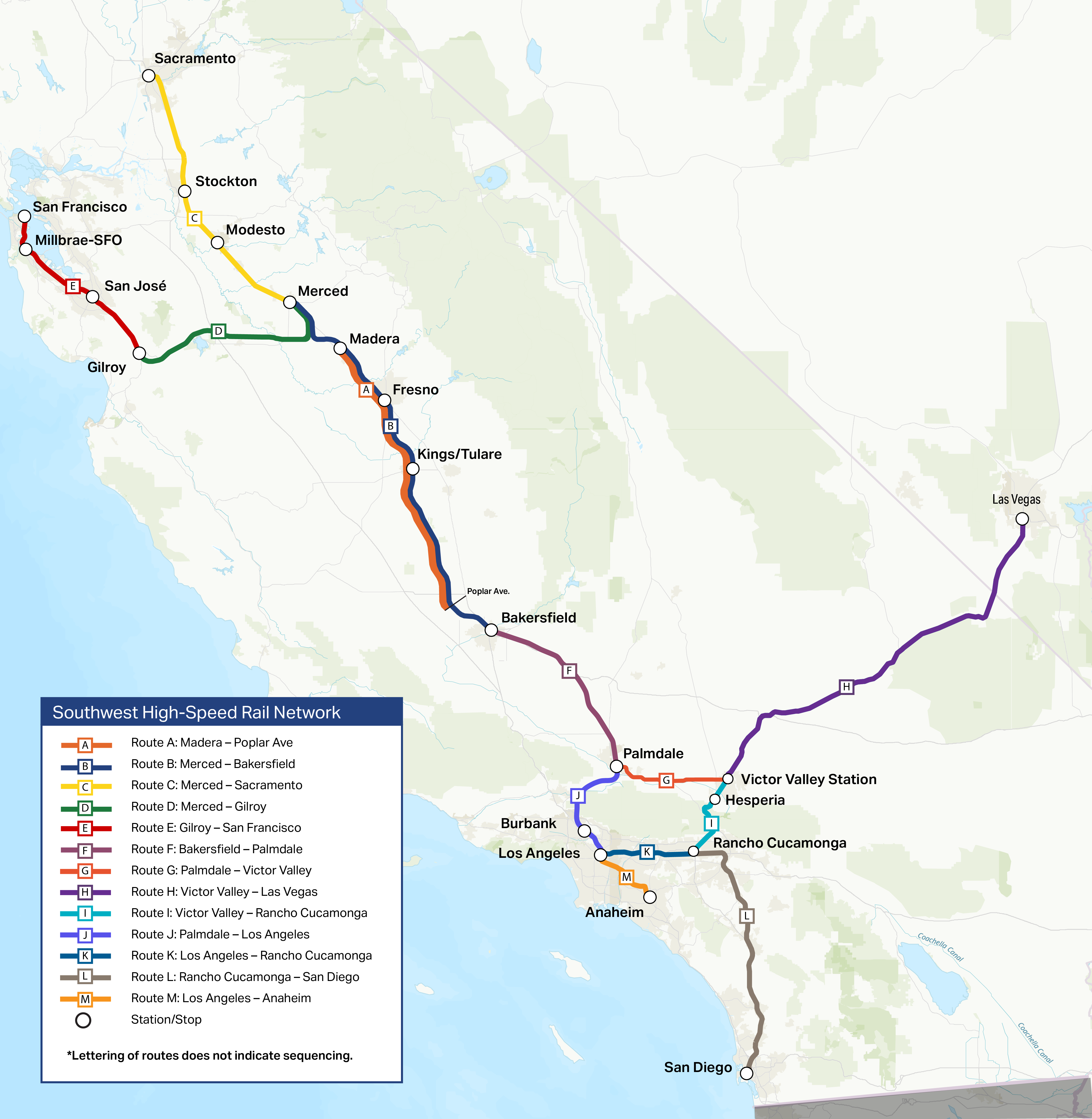
Similarly, extending the high-speed rail into the San Francisco Bay Area presents its own unique set of challenges. The route will need to connect with major transit hubs like Transbay Terminal in San Francisco and integrate with existing commuter rail lines such as Caltrain. The terrain in the Bay Area, with its hills and waterways, adds to the engineering complexity.
The environmental considerations in the Bay Area are also paramount, given the region’s sensitive ecosystems and high population density. Obtaining the necessary permits and approvals from various local and regional agencies can be a lengthy and intricate process. The integration with existing transit systems is critical for the ultimate success of the high-speed rail, ensuring seamless transfers for passengers.
Factors Influencing the Finish Line
The question of “when” is intrinsically linked to a multitude of factors that continuously shape the project’s trajectory. These include:
Funding Realities and Political Will
Perhaps the most significant determinant of the project’s completion date is its funding. The California High-Speed Rail Authority relies on a combination of state bonds, federal grants, and private investment. Securing consistent and sufficient funding has been an ongoing challenge. Political support, both at the state and federal levels, plays a crucial role in the allocation of these funds. Changes in administration or shifts in political priorities can impact the flow of financial resources, directly affecting construction timelines. The project has seen periods of robust funding and periods of uncertainty, which inevitably leads to adjustments in the projected completion dates.
Engineering and Environmental Complexities
As mentioned, the sheer scale and complexity of the engineering required for a high-speed rail system across such a diverse geographical landscape are immense. Building through mountains, valleys, and urban centers presents unique challenges that require innovative solutions and can lead to unforeseen delays. Furthermore, the rigorous environmental review processes in California are designed to protect the state’s natural resources and ecosystems. While essential, these processes can be time-consuming, requiring extensive studies, public consultations, and mitigation measures, all of which can impact the construction schedule.
Technological Advancements and Innovation
The development of high-speed rail technology is an evolving field. As the project progresses, engineers and planners are continually evaluating and incorporating the latest advancements in track technology, signaling systems, and train design. While these innovations aim to improve efficiency and safety, they can also introduce new phases of testing and integration, potentially influencing the overall timeline.
The Evolving Timeline: From Initial Hopes to Revised Projections
Given the dynamic nature of such a colossal undertaking, specific completion dates have been subject to frequent revision. Initially, ambitious targets were set for the entire system to be operational by the early 2020s. However, as the project encountered its inherent complexities, these timelines were gradually extended.
Currently, the California High-Speed Rail Authority is focused on achieving a substantial operational segment. The goal for the Central Valley segment to be operational is now anticipated in the coming years. Beyond that, the timelines for connecting to Los Angeles and the Bay Area are much more fluid. Projections for full system completion, connecting all major hubs, often extend well into the late 2030s or even the 2040s, depending on funding, political will, and the successful navigation of ongoing construction phases.
A Phased Approach to Realizing the Dream
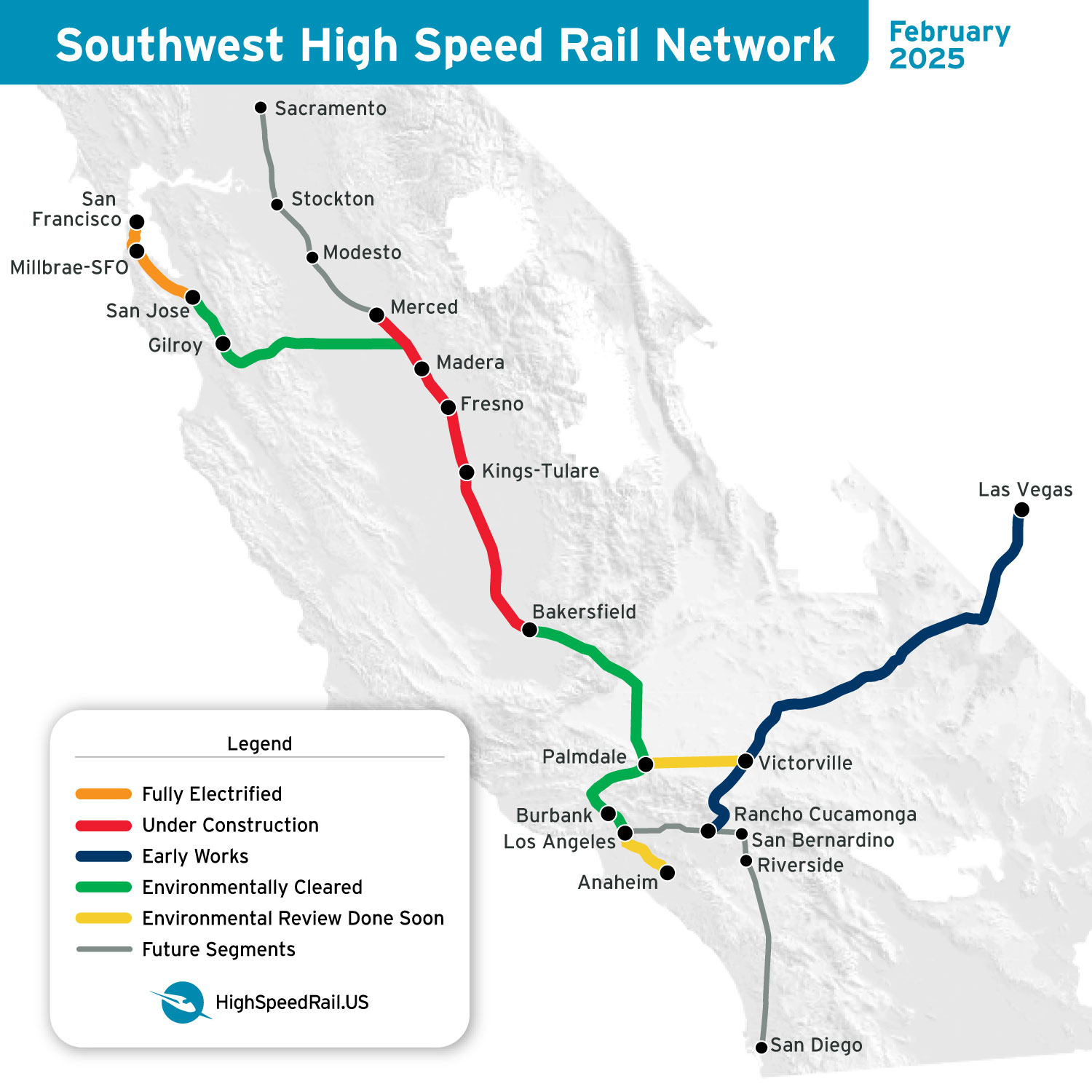
The reality of completing such a massive infrastructure project is that it will likely be realized in phases rather than as a single, fully operational system from day one. The Central Valley segment will be the first tangible step, providing valuable operational experience and demonstrating the system’s capabilities. Subsequent phases will focus on extending the network to Los Angeles and the Bay Area, likely with segments becoming operational incrementally.
This phased approach allows for learning and adaptation, and it means that parts of the high-speed rail network could be in use while other sections are still under construction. For travelers, this could mean experiencing the speed and convenience of high-speed rail on shorter, more localized routes before the entire network is connected.
The vision of a California connected by high-speed rail remains a powerful one. While the question of “when” continues to be debated and refined, the project’s progress, though sometimes slow, is undeniable. The journey to completion is a testament to ambitious planning, engineering prowess, and the enduring desire for a more efficient, sustainable, and connected future for the Golden State. As the project continues to unfold, the anticipation for that future grows, with each completed bridge and laid track section bringing the dream a little closer to reality.
LifeOutOfTheBox is a participant in the Amazon Services LLC Associates Program, an affiliate advertising program designed to provide a means for sites to earn advertising fees by advertising and linking to Amazon.com. Amazon, the Amazon logo, AmazonSupply, and the AmazonSupply logo are trademarks of Amazon.com, Inc. or its affiliates. As an Amazon Associate we earn affiliate commissions from qualifying purchases.