
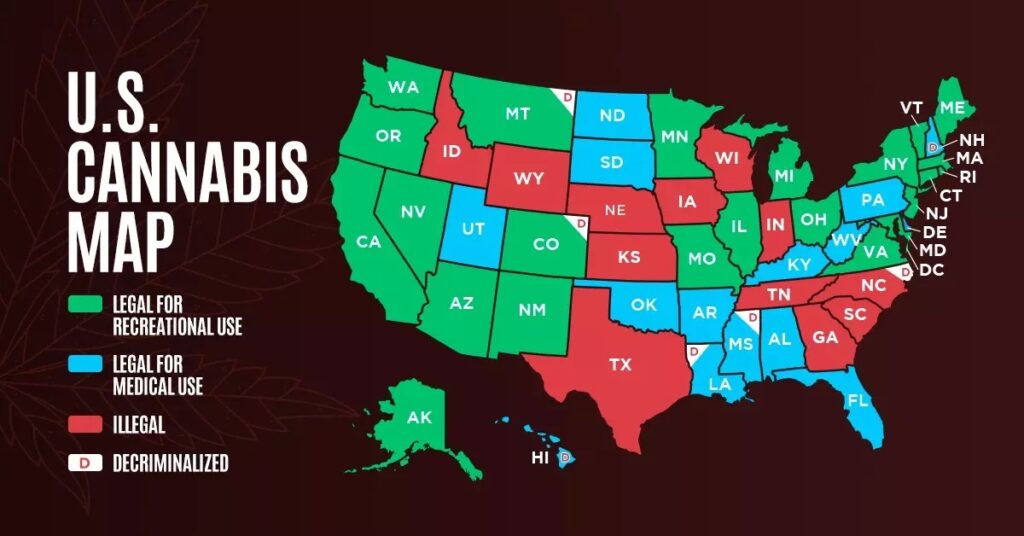
As the landscape of cannabis legalization continues to evolve across the United States, many eyes are turning towards the Sunshine State, Florida. Known for its vibrant tourism, diverse attractions, and bustling cities, Florida has long been a focal point in discussions surrounding cannabis policy reform. While medical marijuana is currently accessible to qualified patients, the question of full recreational legalization remains a significant point of interest for residents and potential visitors alike, particularly those planning their travel experiences and considering various accommodations and tourism activities. Understanding the current status and future prospects of recreational cannabis in Florida is crucial for shaping expectations and planning future travel itineraries.
The Current State of Cannabis in Florida
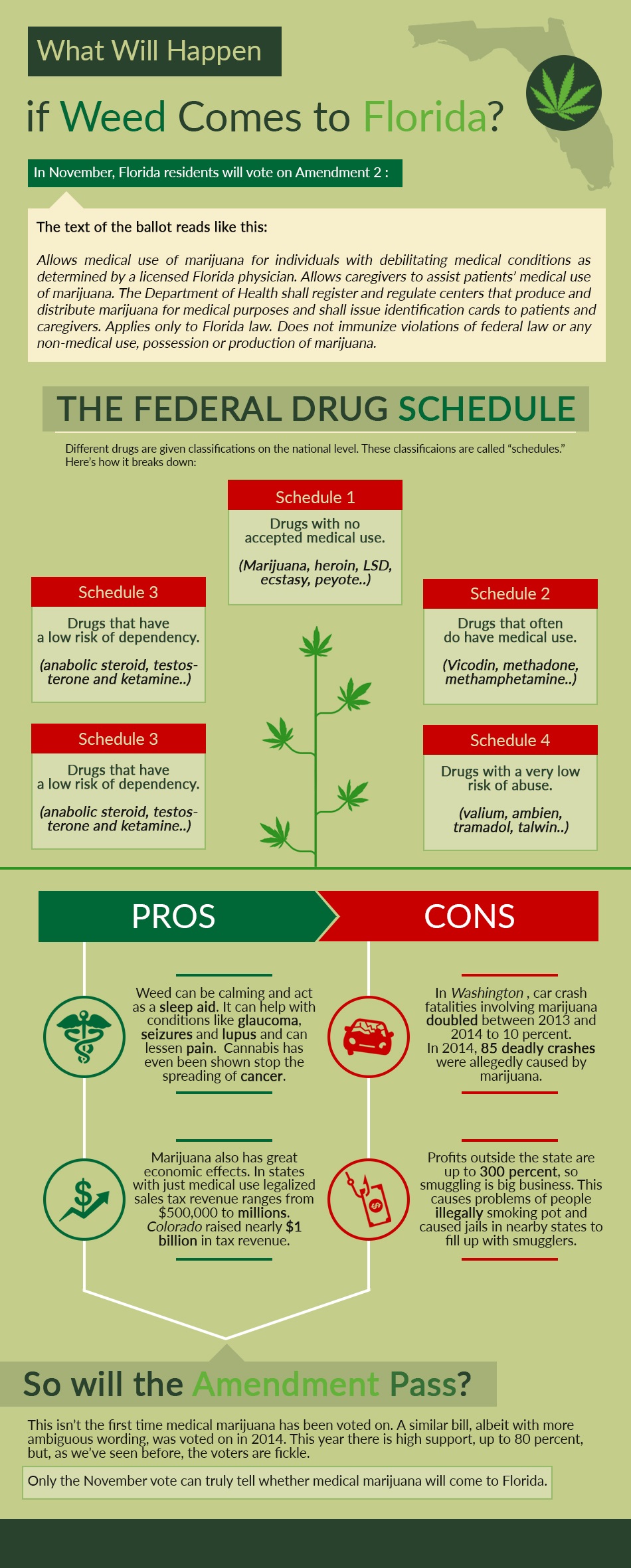
Florida’s journey with cannabis has been a measured one. In 2016, voters overwhelmingly approved Amendment 2, which legalized the use of low-THC cannabis for medical purposes. This marked a significant step, but it did not extend to recreational use. The subsequent passage of a medical marijuana legalization bill in 2017 established a framework for licensed dispensaries and physician certifications, making a range of cannabis products available to patients with qualifying medical conditions. These conditions include, but are not limited to, cancer, epilepsy, glaucoma, and chronic non-malignant pain.
Medical Marijuana Access
For individuals who qualify under the state’s medical marijuana program, accessing cannabis products in Florida has become increasingly streamlined. Licensed dispensaries, such as Trulieve, Surterra Wellness, and Curaleaf, operate across the state, offering a variety of forms including edibles, tinctures, vaporizers, and topicals. To obtain medical cannabis, patients must be evaluated by a qualified physician and registered with the Florida Medical Marijuana Use Registry. This process ensures that access is controlled and intended for therapeutic purposes. The availability of medical marijuana has undoubtedly impacted the experiences of some patients visiting or residing in Florida, influencing their daily routines and wellness practices.
The Recreational Legalization Movement
Despite the established medical program, there is a persistent and growing movement advocating for the full legalization of recreational cannabis. This movement is driven by various factors, including the desire to generate new tax revenue, reduce law enforcement resources spent on marijuana-related offenses, and align Florida with other states that have already legalized adult-use cannabis. Advocates argue that a regulated recreational market would provide consumers with safe, tested products and create significant economic opportunities. This push for recreational legalization is often framed within the broader context of personal liberty and the economic benefits associated with a new industry.
Legislative Efforts and Ballot Initiatives
The path to recreational cannabis legalization in Florida has been paved with numerous legislative attempts and ballot initiatives, each with varying degrees of success. Understanding these efforts provides insight into the political climate and the challenges involved in changing state law.
Past Legislative Attempts
Over the years, various bills have been introduced in the Florida Legislature aiming to decriminalize or legalize recreational marijuana. These bills have often faced strong opposition from conservative lawmakers and law enforcement groups, leading to their stagnation in committees or failure to pass. The legislative process in Florida requires broad consensus, which has been difficult to achieve on the issue of cannabis. Debates typically center on public health concerns, potential increases in impaired driving, and the societal impact of wider cannabis availability.
Ballot Initiative Hurdles
Florida allows for citizen-initiated ballot measures to amend the state constitution. This avenue has been the most prominent route for cannabis legalization advocates. In 2014, the “Drug Abuse – Prevention and Relief Initiative” (which would have legalized medical marijuana) failed to meet the required 60% supermajority for constitutional amendments. More recently, in 2022, the “Adult Personal Use of Marijuana Initiative” garnered significant support and signatures but was ultimately blocked by the Florida Supreme Court, which deemed it “facially invalid” due to misleading language regarding the scope of the proposed law. This ruling highlighted the strict legal scrutiny that ballot initiatives in Florida face.
Future Ballot Prospects
Despite previous setbacks, advocacy groups are not deterred. New initiatives are continually being drafted and proposed for future ballot consideration. The success of these initiatives hinges on their ability to withstand judicial review and garner the necessary popular support and signatures. The sheer number of tourists and residents in Florida, particularly in hubs like Orlando and Miami, means that any potential legalization would have a significant impact on the tourism sector and the availability of cannabis-related experiences.
Potential Impact on Tourism and Travel
The legalization of recreational cannabis in Florida would undoubtedly have a profound impact on its renowned tourism industry. As a state that draws millions of visitors annually for its theme parks like Walt Disney World and Universal Orlando Resort, beaches, and cultural attractions, the introduction of a legal cannabis market raises several considerations for travelers and businesses.
Adapting Hospitality to a New Market
Hotels, resorts, and vacation rental providers in popular destinations like Miami Beach and the Florida Keys would need to navigate new regulations. This could involve establishing designated smoking areas, creating cannabis-friendly amenities, or developing policies regarding consumption on their properties. For example, a resort might consider offering packages that include curated tourism experiences alongside access to legal cannabis products, catering to a specific segment of the traveling population. The development of cannabis lounges or consumption spaces could also become a new facet of the tourism landscape, offering alternatives to consuming in private accommodations.
Integrating Cannabis into Tourist Activities
Beyond accommodation, the integration of cannabis into other tourist activities would be a significant development. This could include cannabis-themed tours, culinary experiences featuring cannabis-infused foods (subject to strict regulations), or partnerships with dispensaries in areas accessible to tourists. Cities like Tampa and St. Petersburg might see new businesses emerge that cater to both locals and visitors seeking to explore the lifestyle aspects of cannabis. However, careful consideration would be needed to ensure that these activities remain respectful of public spaces and do not negatively impact family-friendly attractions.
Regulatory Framework and Tourist Safety
A key factor in the successful integration of recreational cannabis into Florida’s tourism sector would be a clear and comprehensive regulatory framework. This framework would need to address issues such as age restrictions, public consumption laws, driving under the influence, and product safety. For tourists, clear guidelines on where and how cannabis can be purchased and consumed would be essential to avoid legal issues. The experience of states like Colorado and California provides valuable lessons on managing the complexities of a legal cannabis market within a tourism-driven economy. Ensuring tourist safety and a positive experience would be paramount, balancing the economic benefits with responsible implementation.
What to Expect and When
Predicting the exact timeline for recreational cannabis legalization in Florida is challenging, given the complex political and legal landscape. However, by examining ongoing efforts and the general trajectory of cannabis reform, one can form an educated outlook.
The Road Ahead for Ballot Initiatives
The current focus for legalization advocates remains on qualifying a new ballot initiative for the 2024 or subsequent election cycles. This involves successfully drafting a measure that can withstand judicial scrutiny and mobilize sufficient voter support. If a new initiative is approved by the courts and gathers the necessary signatures, it would then face the voters. Given Florida’s history with constitutional amendments, a 60% supermajority would be required for passage. This is a high bar, but not an insurmountable one, especially with growing public acceptance of cannabis.
Potential Legislative Pathways
While ballot initiatives have been the primary route, legislative action cannot be entirely ruled out. As public opinion continues to shift, and neighboring states (like those in the US Southeast) potentially move towards legalization, political pressure on the Florida Legislature may intensify. A scenario where the legislature proactively crafts and passes a recreational cannabis bill, perhaps to preempt a ballot initiative or to have more control over the regulatory details, is plausible in the long term. However, this would likely require a significant shift in the political composition of the state government.
Timelines and Projections
Based on current trends and the challenges involved, it is reasonable to project that full recreational cannabis legalization in Florida is unlikely to occur before 2025, and possibly later. The process of drafting, qualifying, campaigning for, and then implementing a new legal framework is time-consuming. Should a ballot initiative pass in a future election, the state would still need to establish regulations, license businesses, and set up the operational infrastructure for a recreational market. This period of transition could take an additional year or more. Therefore, travelers planning trips to Florida in the immediate future should still adhere to the existing medical marijuana laws or abstain from cannabis use, while keeping an eye on the evolving legal landscape for potential future changes that could impact their travel experiences and choices in accommodations and activities. The anticipation of legal changes, however, is already a part of Florida’s evolving narrative.
LifeOutOfTheBox is a participant in the Amazon Services LLC Associates Program, an affiliate advertising program designed to provide a means for sites to earn advertising fees by advertising and linking to Amazon.com. Amazon, the Amazon logo, AmazonSupply, and the AmazonSupply logo are trademarks of Amazon.com, Inc. or its affiliates. As an Amazon Associate we earn affiliate commissions from qualifying purchases.