
The perennial debate over Daylight Saving Time (DST) sparks conversations across the United States each spring and fall. For travelers, hoteliers, and anyone involved in the vibrant tourism industry, the shifting clocks can present a peculiar set of challenges and opportunities. In Florida, the “Sunshine State,” this discussion takes on particular importance, with a long-standing desire to make DST permanent. The question isn’t just a matter of convenience; it’s deeply intertwined with the state’s identity as a premier travel destination, impacting everything from beach vacations to theme park visits. So, what’s the current status, and when can we expect Florida to potentially stop observing the bi-annual time change?
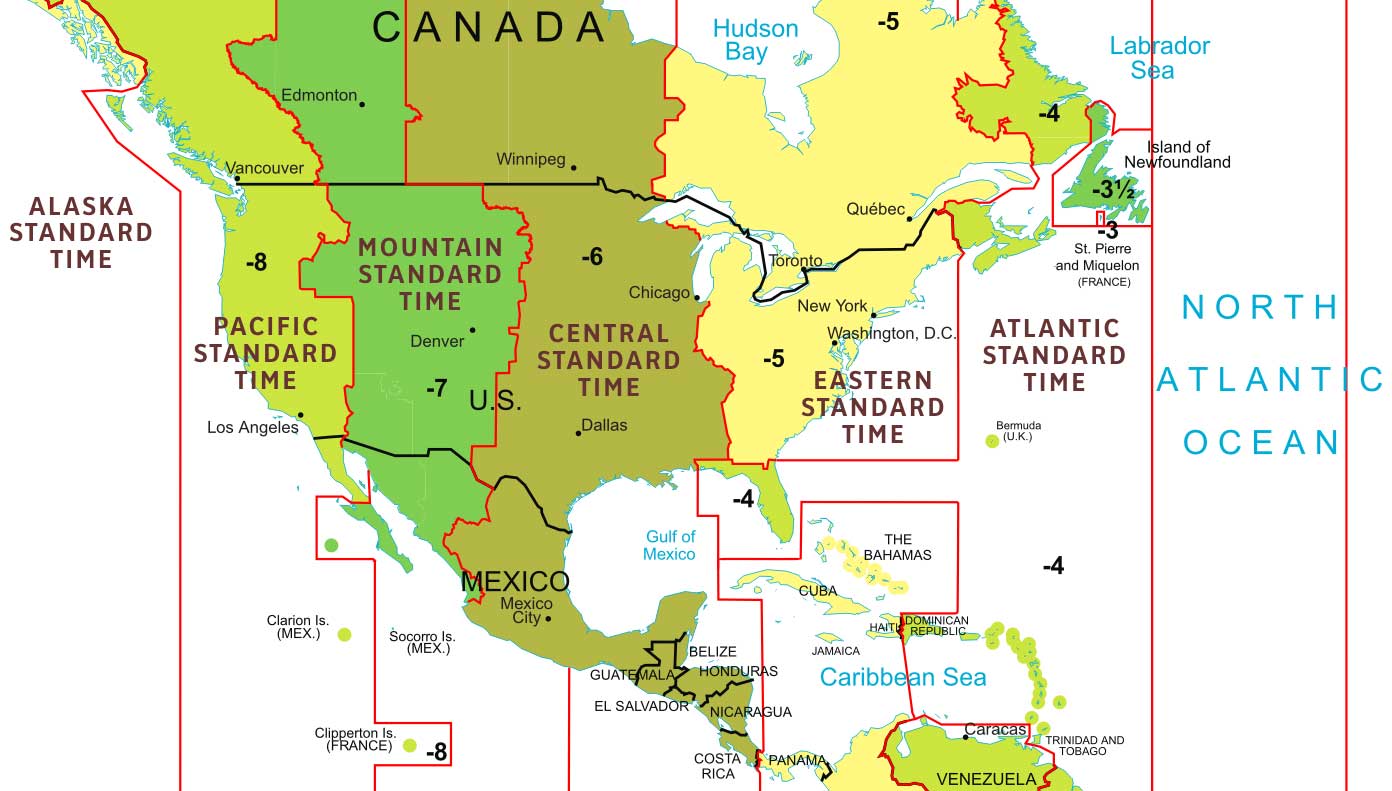
The Sunshine State’s Quest for Permanent Daylight
Florida’s pursuit of permanent Daylight Saving Time is a reflection of its unique climate and tourism-driven economy. With its abundant natural light and outdoor lifestyle, the state has long sought to maximize its daylight hours, believing it enhances both resident quality of life and visitor experience.
Understanding Florida’s Stance on DST
For many years, the sentiment in Florida has leaned heavily towards making DST a year-round standard. The logic is simple: more daylight in the evenings means more time for recreational activities, dining out, and enjoying the state’s countless attractions. Imagine extending your day at the beach in Miami, enjoying an extra hour at Walt Disney World in Orlando, or taking a leisurely stroll through St. Augustine’s historic district as the sun sets a bit later. This desire for more usable daylight is not just anecdotal; it’s a significant factor in promoting the state’s tourism and lifestyle.
The Legislative Journey: From Statehouse to Capitol Hill
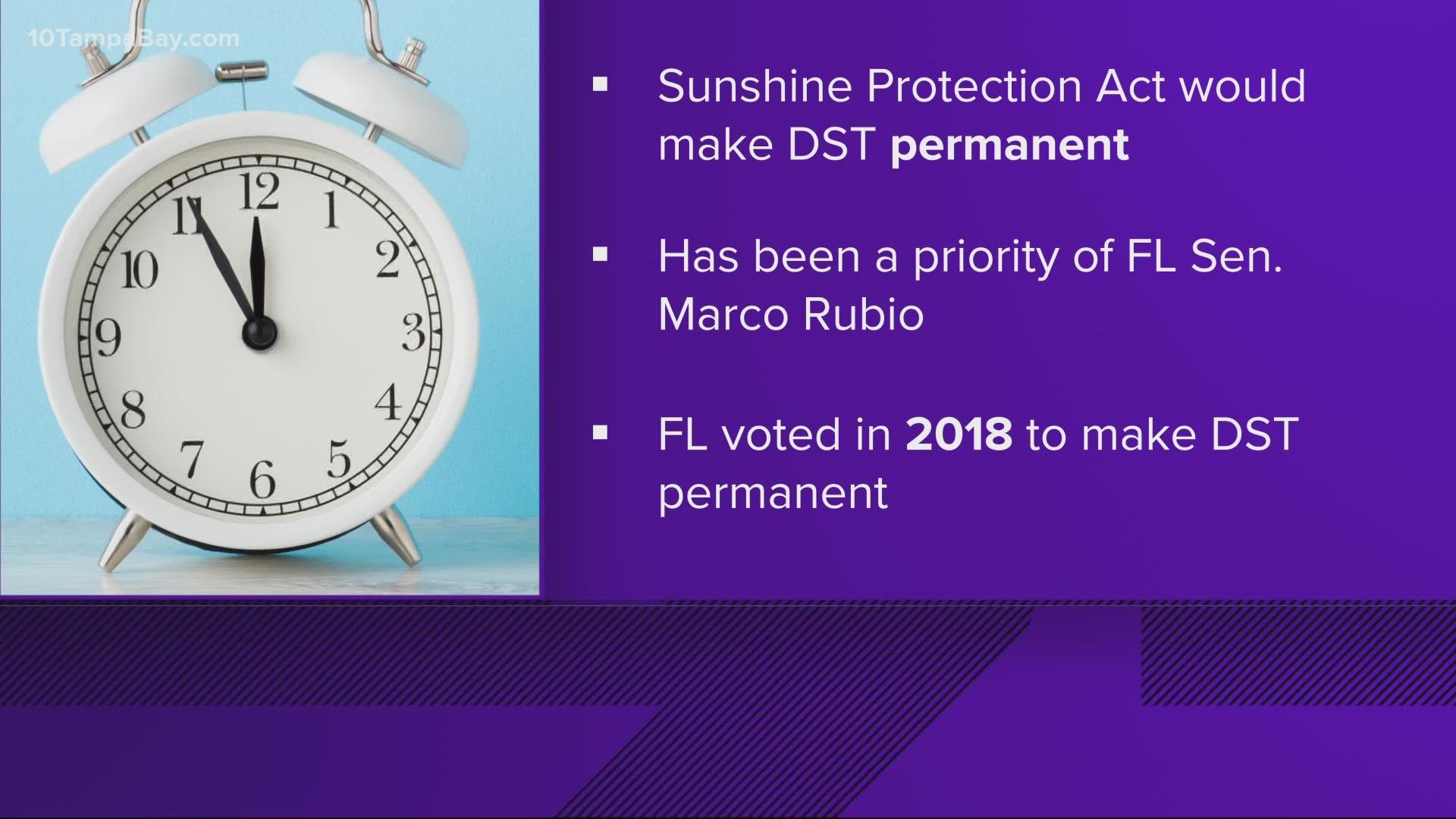
The journey to permanent Daylight Saving Time for Florida began in earnest at the state level. In 2018, the Florida Legislature passed the Sunshine Protection Act. This groundbreaking bill proposed that Florida would observe DST permanently, effectively eliminating the “spring forward” and “fall back” ritual. Then-Governor Rick Scott swiftly signed the bill into law, demonstrating broad state-level support for the initiative.
However, there’s a crucial catch: states cannot unilaterally decide to observe DST permanently. Federal law dictates that states can either observe Daylight Saving Time or opt out and remain on standard time year-round (as Arizona and Hawaii do). They cannot, however, permanently remain on DST without an act of U.S. Congress.
Following Florida’s lead, a federal version of the Sunshine Protection Act was introduced in Congress by Senator Marco Rubio. This federal bill, if passed, would allow states like Florida to make Daylight Saving Time permanent. The bill has garnered bipartisan support and has passed the Senate on at least one occasion, but has yet to make it through the House of Representatives and be signed into law by the President. Until then, [Florida](https://lifeoutofthebox.com/florida] remains in a holding pattern, with its state law on permanent DST awaiting federal approval.
Impact on Florida’s Vibrant Tourism and Travel Industry
The potential shift to permanent Daylight Saving Time holds immense implications for Florida’s tourism, travel, and accommodation sectors. It’s not merely a theoretical change; it promises tangible benefits for millions of visitors each year.
Extended Daylight for Iconic Attractions and Outdoor Adventures
One of the most immediate and celebrated impacts of permanent DST would be the extended daylight hours in the evening. For a state renowned for its outdoor attractions, this is a game-changer. Imagine:
- Theme Parks: Visitors to Universal Studios Florida, SeaWorld Orlando, or Busch Gardens Tampa Bay could enjoy an extra hour of rides and shows under natural light, reducing the feeling of rush and allowing for a more relaxed pace. The experience of the evening parades and fireworks at Epcot or Magic Kingdom feels less abruptly cut short when the sun sets later.
- Beaches: From the white sands of Clearwater Beach to the vibrant shores of South Beach, an additional hour of daylight means more time for swimming, sunbathing, paddleboarding, and enjoying spectacular sunsets. This is especially appealing for families who want to maximize their beach time after a day of other activities.
- Nature and Wildlife: Exploring the Everglades National Park or kayaking through the mangroves of the Florida Keys would be even more rewarding with extended light, allowing for longer excursions and better visibility for spotting wildlife.
- Dining and Nightlife: Outdoor dining, particularly in picturesque areas like Naples or St. Pete Beach, becomes more appealing when daylight lingers. It encourages longer evenings out, stimulating local restaurants and entertainment venues.
This extension of “prime time” daylight directly enhances the value proposition for travelers, offering them more opportunities to engage with Florida‘s natural beauty and man-made wonders.
Streamlining Schedules for Hotels and Accommodation Providers
The consistent time afforded by permanent DST would also bring significant operational benefits to Florida’s vast array of hotels, resorts, and vacation rentals.
- Guest Experience: For guests, a fixed time throughout the year eliminates the confusion and disruption of clock changes. This is particularly beneficial for international travelers or those with tight itineraries. Consistent check-in and check-out times, reliable breakfast hours, and predictable pool and amenity schedules would contribute to a smoother, more enjoyable stay. Imagine booking a stay at a Hyatt Regency or an Embassy Suites and knowing exactly when the sun will rise and set, regardless of the season.
- Operational Efficiency: Hotel staff, from housekeeping to concierge services, would benefit from a stable schedule, reducing the need for adjustments twice a year. This can lead to better staff morale, more efficient planning for shifts, and improved service delivery. Resorts offering curated experiences, like the Boca Raton Resort & Club or the Don CeSar Hotel, could more easily plan their daily activities and events without seasonal time shifts.
- Booking and Marketing: Simplified time zones could make Florida an even more attractive destination for vacation planning, especially for those seeking to escape shorter, darker days in other regions during the fall and winter months. Marketing efforts could consistently highlight the “extended sunshine” available year-round.
Boosting Local Economies and Visitor Experiences
Beyond the immediate operational advantages, permanent Daylight Saving Time is anticipated to provide a substantial economic boost to Florida.
- Increased Spending: More daylight encourages visitors to stay out longer, dine out more frequently, and participate in additional activities such as shopping, golf, or evening entertainment. This translates directly into increased revenue for local businesses, from small boutiques in Key West to major shopping centers in Fort Lauderdale.
- Job Creation: A thriving tourism sector driven by extended daylight can lead to more jobs in hospitality, entertainment, and related services, further strengthening Florida’s economy.
- Improved Visitor Satisfaction: Ultimately, a more seamless and enjoyable visitor experience, facilitated by consistent time and more daylight, fosters positive reviews, repeat visits, and word-of-mouth recommendations, solidifying Florida’s reputation as a world-class destination.
Navigating the Time Change: Practical Advice for Travelers
While Florida awaits federal approval for permanent Daylight Saving Time, travelers should still be prepared for the biannual clock adjustments. Understanding the current situation is key to a smooth and stress-free trip.
Planning Your Itinerary with Confidence
Until the Sunshine Protection Act becomes federal law, Florida will continue to spring forward and fall back like most other states. Here’s how to plan your trip effectively:
- Be Aware of the Dates: Always check the dates for Daylight Saving Time changes if your trip falls around these periods (typically the second Sunday in March and the first Sunday in November). A quick search for “DST dates Florida [current year]” will give you the precise information.
- Confirm Operating Hours: When booking tours, making dinner reservations, or planning visits to attractions like the Kennedy Space Center Visitor Complex or the Ringling Museum, double-check their operating hours, especially if your visit coincides with a time change. Most major attractions are adept at managing these shifts, but it’s always wise to confirm.
- Adjust Your Devices: Ensure your smartphone and other electronic devices automatically update to the correct time. For analog clocks, remember to manually adjust them. This small step can prevent missed flights or appointments.
Adapting to the Florida Lifestyle
Beyond practicalities, consider how the current time changes might impact your overall experience and lifestyle choices during your Florida vacation.
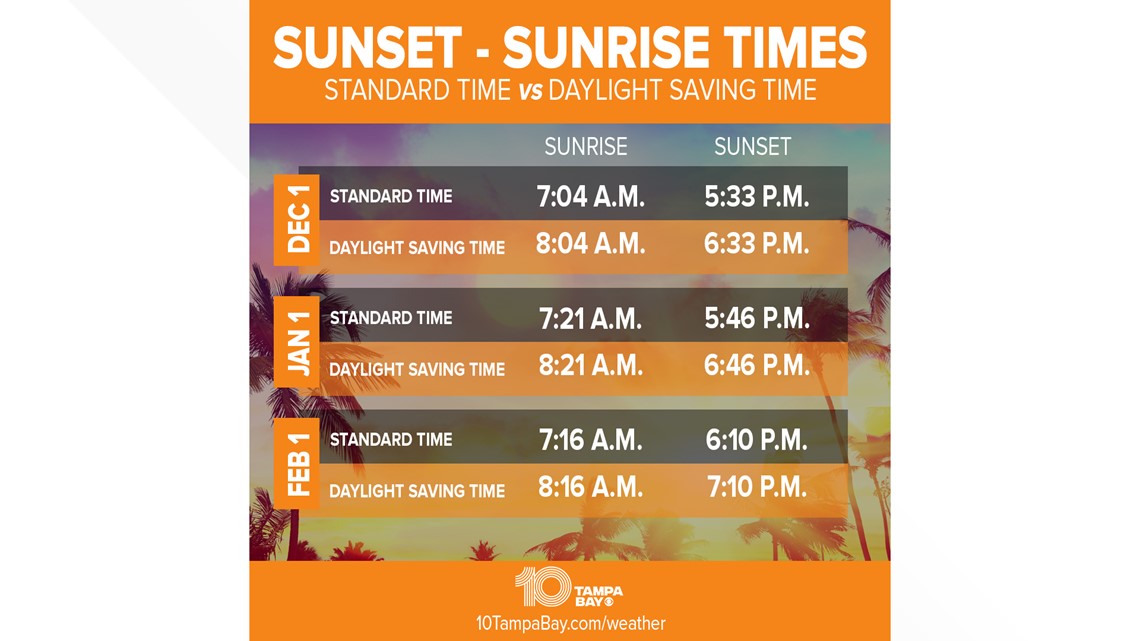
- Enjoying the Evenings: During DST, the later sunsets are perfect for enjoying outdoor dining, evening strolls along Cocoa Beach, or experiencing the nightlife in South Florida. In contrast, during Standard Time, evenings can feel shorter, encouraging earlier dinners or indoor entertainment options.
- Sunrise Activities: If you’re an early riser hoping to catch a sunrise on the Atlantic coast, the actual clock time will differ depending on whether you’re in DST or Standard Time. Plan accordingly to capture those stunning moments.
- Jet Lag Considerations: While not true jet lag, the one-hour shift can still affect sleep patterns, especially for children. Factor this into your first day’s plans, allowing for a relaxed start.
The Future of Time in the Sunshine State
The question “When will Florida stop Daylight Saving Time?” is not a matter of if, but when the federal government gives its stamp of approval. The state has already expressed its clear intention.
What Lies Ahead for Travelers and Residents
For now, travelers to Florida should continue to anticipate the biannual clock changes. However, the consistent reintroduction of the Sunshine Protection Act in U.S. Congress indicates strong, ongoing momentum. Should it pass, the implications for Florida would be profound, solidifying its status as a permanent haven of extended evening daylight.
Imagine a future where a winter escape to Sarasota or a spring break in Panama City Beach consistently offers bright evenings, unburdened by the need to adjust clocks. This consistency would simplify travel planning, enhance the overall visitor experience, and further boost the state’s vital tourism economy. For residents, it promises a more consistent daily rhythm, aligning better with the outdoor-centric Florida lifestyle.
While the exact timeline remains uncertain, the resolve of Florida and its advocates in Congress suggests that the Sunshine State is steadily moving towards a future where the sun truly shines later, all year round. Until then, remember to set your clocks accordingly and enjoy every moment of your journey to this magnificent destination.
LifeOutOfTheBox is a participant in the Amazon Services LLC Associates Program, an affiliate advertising program designed to provide a means for sites to earn advertising fees by advertising and linking to Amazon.com. Amazon, the Amazon logo, AmazonSupply, and the AmazonSupply logo are trademarks of Amazon.com, Inc. or its affiliates. As an Amazon Associate we earn affiliate commissions from qualifying purchases.