
The allure of the Sunshine State is undeniable. From the pristine shores of Miami Beach to the magical theme parks of Orlando and the historic charm of St. Augustine, Florida consistently ranks as a top destination for travelers worldwide. However, for those planning a visit, especially during certain times of the year, a crucial question often arises: “When will a hurricane hit Florida?” While no one can predict the exact timing or location of a future hurricane, understanding hurricane season, probabilities, and effective preparedness strategies is key to ensuring a safe and enjoyable Florida experience.
This comprehensive guide aims to demystify hurricane season in Florida, providing invaluable insights for both prospective travelers and long-term residents. We’ll delve into the specifics of when these powerful storms are most likely to occur, how to mitigate risks through smart planning and appropriate accommodation choices, and what steps to take should a storm threat materialize. By equipping yourself with knowledge and practical tips, you can confidently navigate the dynamics of Florida’s weather and still embrace everything this vibrant state has to offer, from luxurious resorts to budget-friendly adventures.
Understanding Florida’s Hurricane Season: What Travelers Need to Know
For many, the idea of a hurricane can be daunting, but understanding the cyclical nature of these weather events is the first step toward informed travel planning. Florida, situated between the Atlantic Ocean and the Gulf of Mexico, is indeed susceptible to tropical cyclones. However, this susceptibility is concentrated within a specific timeframe known as hurricane season.
The Peak Season: Dates and Historical Context
The official Atlantic Hurricane Season runs annually from June 1st to November 30th. During this six-month period, conditions in the tropical Atlantic basin are conducive to the formation of tropical depressions, tropical storms, and hurricanes. While storms can occur at any point within this window, historical data indicates a distinct peak.
The most active period for hurricane activity typically falls between mid-August and late October. September, in particular, has historically seen the highest number of named storms and major hurricanes. This is due to a combination of factors, including warmer ocean waters, reduced wind shear, and favorable atmospheric patterns. Iconic storms like Hurricane Andrew (1992), Hurricane Irma (2017), and Hurricane Michael (2018) serve as powerful reminders of the potential impact during this peak season. While these events capture headlines, it’s crucial to remember that not every season brings a direct hit to Florida, and many years pass without significant impact on popular tourist destinations.
Probability and Preparation: A Realistic Outlook
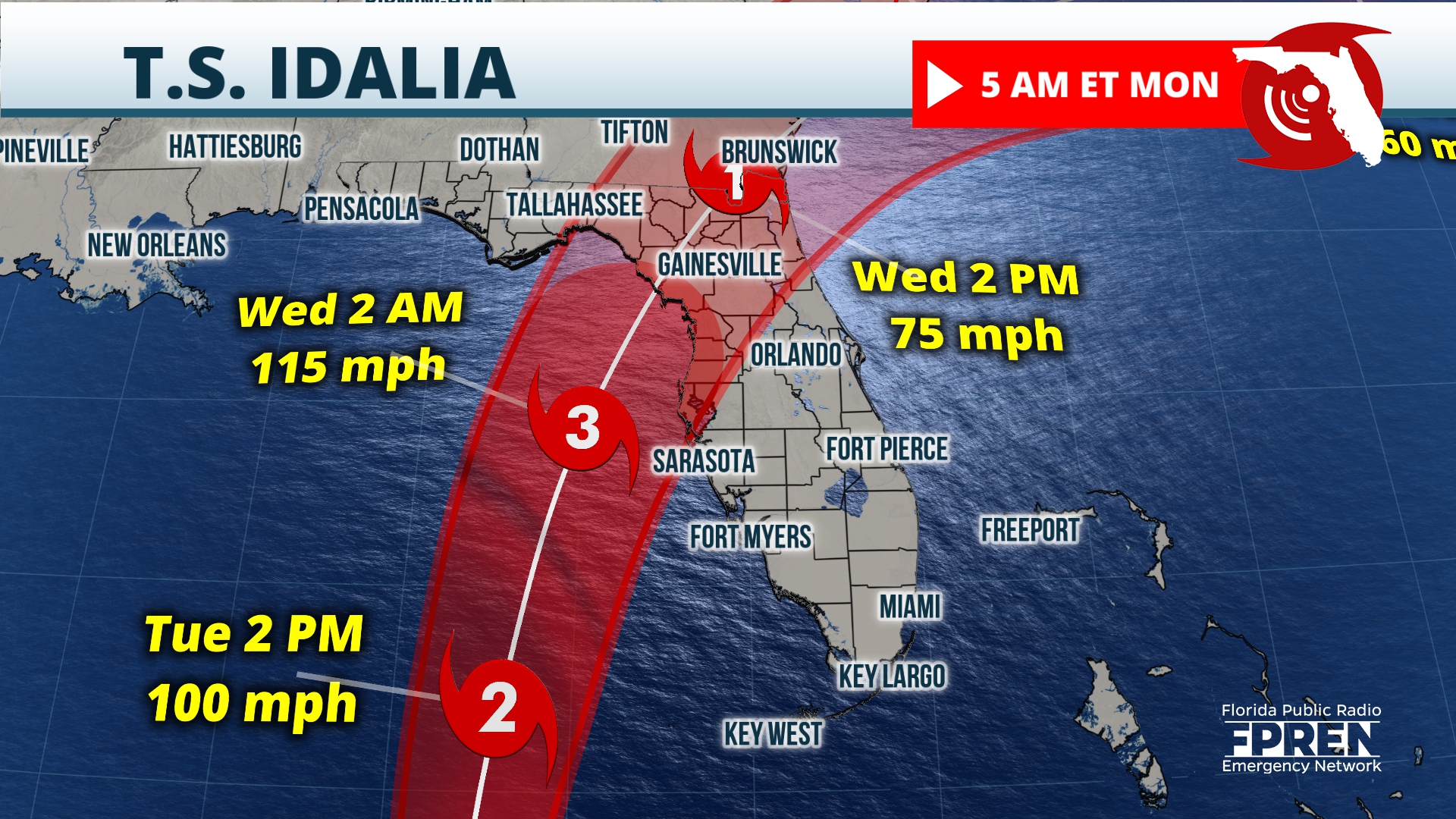
The likelihood of a specific location in Florida being directly impacted by a hurricane on any given day, even during peak season, remains relatively low. Florida is a vast state, and a storm threatening one region, such as the Florida Keys, might have no impact on the Panhandle or the Space Coast near the Kennedy Space Center. However, a realistic outlook emphasizes preparedness rather than undue alarm.
The National Hurricane Center (NHC), part of the National Oceanic and Atmospheric Administration (NOAA), continuously monitors the Atlantic basin for developing systems. Their advanced forecasting models provide several days’ warning for potential threats, giving residents and travelers ample time to prepare or adjust plans. This early warning system is a cornerstone of Florida’s successful disaster management strategy and is something every visitor should be aware of and utilize. Trusting official sources and understanding basic weather terminology will empower you to make informed decisions about your travel and accommodation during these months.

Preparing for Your Florida Trip During Hurricane Season
Traveling to Florida during hurricane season doesn’t mean you have to forgo your plans entirely, but it does require a heightened level of preparation and flexibility. By taking proactive steps, you can significantly reduce stress and ensure your trip is as smooth as possible, even if adverse weather emerges.
Essential Travel Insurance and Flexible Bookings
One of the most critical elements of preparing for a Florida trip during hurricane season is securing comprehensive travel insurance. Look for policies that specifically cover trip cancellation or interruption due to weather-related events, including hurricanes. Some policies may have “named storm” clauses, meaning coverage only kicks in once a storm is officially named. Be sure to read the fine print and understand what is covered, especially concerning flight cancellations, hotel closures, and mandatory evacuations. Reputable providers like Travelers Insurance or those offered through major booking platforms often have various options.
In addition to insurance, prioritizing flexible booking options for flights, hotels, and other accommodations is highly recommended. Many airlines and resorts offer more lenient cancellation or rebooking policies during hurricane season, sometimes even waiving fees if a hurricane watch or warning is issued for your destination. Opt for refundable rates whenever possible. If you’re booking through online travel agencies like Expedia or Booking.com, understand their specific terms and conditions for weather-related disruptions. Choosing boutique hotels or luxury resorts known for excellent customer service may also provide added peace of mind.
Monitoring Weather and Official Alerts
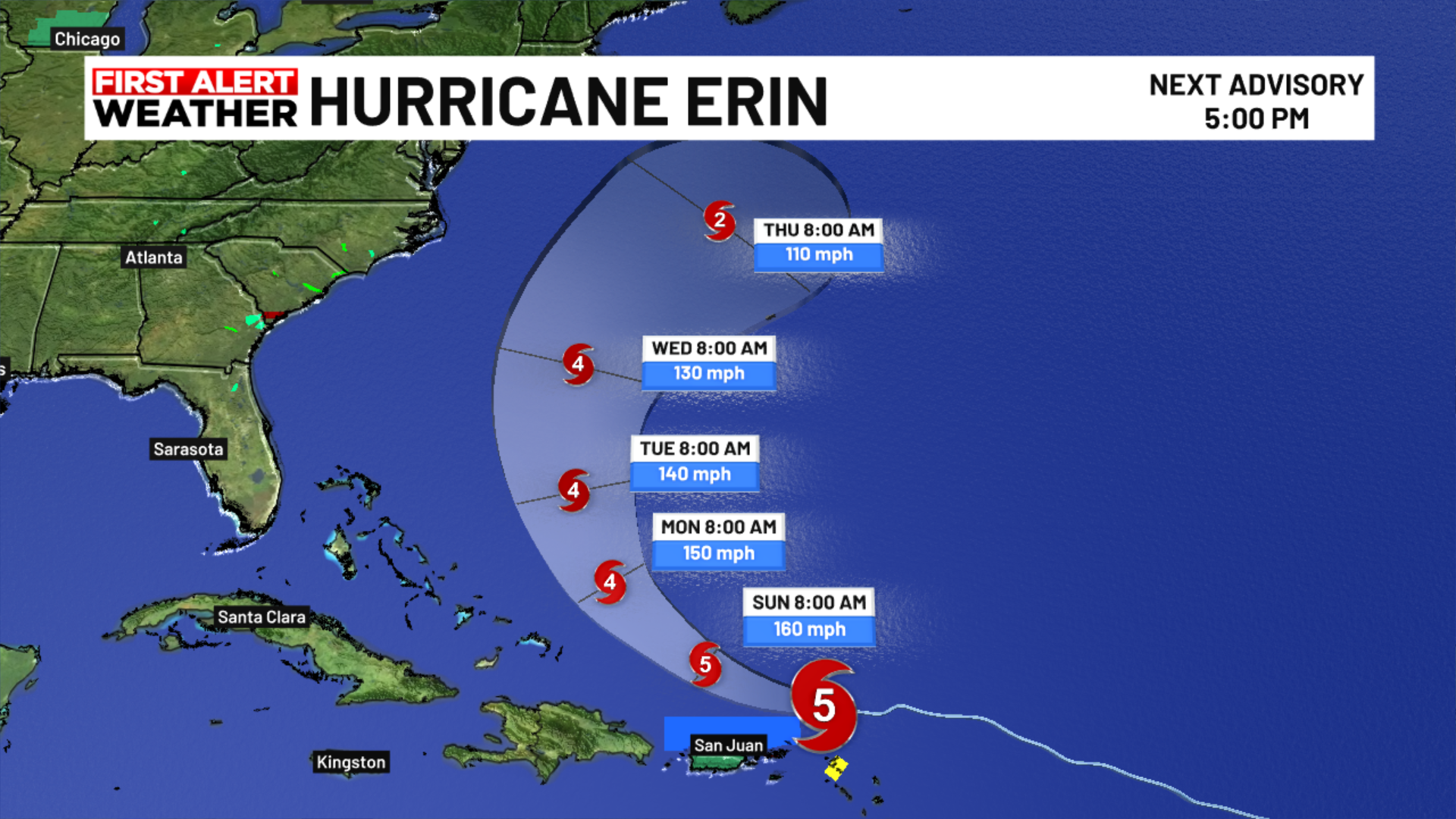
Staying informed is paramount. Before and during your trip, make it a habit to regularly check weather forecasts from reliable sources. The National Weather Service (NWS) website and local Florida news channels provide up-to-the-minute information. Download weather apps that offer push notifications for severe weather alerts in your specific location.
Pay close attention to official advisories issued by the National Hurricane Center (NHC) and the Florida Division of Emergency Management (FDEM). These agencies are your best source for understanding storm tracks, intensity, and potential impacts. Familiarize yourself with terms like “Tropical Storm Watch/Warning” and “Hurricane Watch/Warning,” as these indicate varying levels of threat and required actions. Many counties in Florida also have their own emergency management websites and social media accounts that offer localized updates. Early vigilance allows you to make timely decisions, whether that means altering your travel plans or preparing to hunker down.
Packing Smart: Emergency Kits for Travelers
Even for a short trip, having a small emergency kit prepared can make a significant difference. While hotels and resorts are generally well-equipped, self-sufficiency is key during a widespread event. Your kit should include:
- Essential Documents: Copies of passports, IDs, insurance policies, and reservation confirmations, preferably stored in a waterproof bag.
- Medications: At least a 3-5 day supply of any prescription medications.
- Cash: ATMs may be unavailable or run out of cash during power outages.
- Chargers and Power Bank: Keep your cell phone and other essential devices charged. A portable power bank is invaluable.
- Flashlight: With extra batteries.
- First-Aid Kit: Basic supplies for minor injuries.
- Non-Perishable Snacks and Water: A small supply, especially if you anticipate being confined to your room.
- Comfort Items: A book, cards, or small games can help pass the time during a power outage.
If you are traveling with family, particularly with young children, tailor your kit to their specific needs. Many modern resorts and apartment-style accommodations will have some emergency provisions, but having your own ensures you’re never caught off guard. This proactive approach is a hallmark of responsible tourism and lifestyle choices during hurricane season.
Safety First: During a Hurricane Threat in Florida
Should a hurricane threat escalate during your Florida stay, knowing the proper safety protocols is paramount. Panic can be avoided with clear information and a plan of action.
Evacuation Procedures and Shelters
If authorities issue a mandatory evacuation order for your area, follow it immediately. Evacuation orders are issued to protect lives, and delay can put you and first responders at risk. Understand your accommodation’s specific evacuation plan. Many hotels and resorts have established procedures, and some may even offer shuttle services or assistance for guests.
Familiarize yourself with designated evacuation routes for your specific location. The Florida Department of Transportation (FDOT) provides real-time information on road conditions and closures. If you plan to leave the area, do so well in advance of the storm’s arrival, as traffic can become heavily congested.
If you are unable to evacuate or advised to shelter in place, know the location of the nearest designated public shelters. These shelters are managed by local emergency services and the Federal Emergency Management Agency (FEMA) and are designed to provide basic safety and care during the storm. Remember that shelters often have limited amenities, so bring your emergency kit and any comfort items you can.
Securing Your Accommodation: Hotels and Rentals
For those staying in hotels or rental properties and advised to shelter in place, take steps to secure your immediate environment.
- In a Hotel: Follow staff instructions explicitly. Many hotels like Hilton or Marriott are built to withstand hurricane-force winds and have designated safe areas. Stay away from windows, move to an interior room if possible, and listen for updates from the front desk.
- In a Rental/Apartment: Bring in any outdoor furniture, trash cans, or decorative items that could become projectiles. Secure windows and doors. If you have shutters, deploy them. Turn your refrigerator and freezer to their coldest settings to keep food fresh longer in case of a power outage. Fill bathtubs with water for flushing toilets or non-drinking needs.
- Utilities: Be prepared for power outages. Have flashlights ready. If advised, turn off propane tanks and consider turning off your main water supply to prevent flooding from broken pipes.
Your chosen accommodation, whether it’s a vibrant villa in Naples, a cozy apartment in Tampa, or a sprawling resort in Key West, will likely have specific hurricane preparedness plans. Inquire about these plans upon check-in or booking to ensure you understand their protocols.
Communication and Emergency Contacts
Before a storm hits, establish a communication plan with family and friends, both those traveling with you and those back home. Text messages often get through when phone calls won’t. Designate an out-of-state contact person who everyone can check in with, as local lines may be jammed.
- Emergency Contacts: Program essential numbers into your phone, including local emergency services (911 in the USA), your accommodation’s front desk, and your travel insurance provider.
- Battery Life: Conserve cell phone battery life by minimizing usage. Turn off Wi-Fi and Bluetooth when not in use. A portable power bank is essential.
- NOAA Weather Radio: Consider bringing a battery-powered or hand-crank NOAA Weather Radio for continuous updates, especially if power and cell service are lost.
Clear and consistent communication is critical during emergencies. Being prepared with a plan ensures that everyone knows what to do and how to stay in touch, significantly reducing anxiety during a stressful event.
Post-Hurricane Florida: Resilience and Recovery
Even after a hurricane passes, the impacts can linger. Understanding what to expect in the aftermath and how to be a responsible visitor during recovery efforts is crucial. Florida’s resilience is legendary, and recovery often begins swiftly.
Assessing the Aftermath: Travel Advisories and Reopening
Immediately after a hurricane, travel may be severely impacted. Roads could be flooded, damaged, or blocked by debris. Airports may be closed, and public transportation halted. It is vital to heed official travel advisories and only venture out when authorities declare it safe. Do not attempt to sightseeing or assess damage yourself, as this can impede recovery efforts and put you in danger.
Many popular attractions and theme parks like Walt Disney World and Universal Studios Florida have robust hurricane plans and often reopen relatively quickly if they sustain minimal damage, especially those inland. Coastal areas, however, might face more extensive damage to beaches, infrastructure, and resorts, leading to longer recovery times. The Florida Tourism Industry Association and local tourism boards will provide updates on which areas and attractions are open for visitors. Always check official websites and news sources before planning any activities in the days following a storm. Patience and understanding are key as communities work to restore normalcy.
Supporting Local Communities and Responsible Tourism
When it is safe to return or visit a storm-affected area, responsible tourism plays a vital role in recovery. By continuing your travel plans, you inject much-needed funds into the local economy, helping businesses and residents rebuild.
- Choose Local: Dine at local restaurants, shop at small businesses, and hire local guides. Your spending directly supports the people and communities that have been impacted.
- Be Patient: Understand that services might be limited, and some amenities may not be fully operational. Patience and a positive attitude go a long way.
- Volunteer (if appropriate): If you are a resident or on an extended stay and have relevant skills, consider volunteering with reputable disaster relief organizations. However, avoid self-deploying to disaster zones, as untrained volunteers can sometimes hinder official efforts.
- Respect the Environment: Be mindful of debris, damaged natural areas, and ongoing cleanup efforts. Avoid interfering with wildlife and follow all posted warnings.
By being a conscientious traveler, you can transform a challenging situation into an opportunity to contribute positively to Florida’s enduring spirit and aid in its swift return to being a premier global destination.
Enjoying Florida Safely: Beyond Hurricane Season
While hurricane season demands careful consideration, it’s essential to remember that Florida offers incredible experiences year-round. Understanding the best times to visit and exploring the state’s diverse attractions can enhance your travel planning.
Best Times to Visit for Sunny Skies
For those who prefer to avoid the hurricane season entirely, the optimal time to visit Florida is generally from December to May. During these months, the weather is typically mild, humidity is lower, and the chances of tropical storms are minimal.
- Winter (December-February): Offers pleasant temperatures, especially in South Florida like Key West and Naples, making it ideal for beach vacations, golfing, and exploring natural landmarks like the Everglades National Park. Northern Florida can experience cooler temperatures, occasionally dipping below freezing.
- Spring (March-May): Characterized by warm temperatures, less rain, and vibrant spring break energy. This period is excellent for visiting theme parks, enjoying the Florida springs, or taking a cruise from PortMiami or Port Canaveral.
These seasons are popular, leading to higher prices for accommodation and potentially more crowded attractions. However, the trade-off is often guaranteed sunny days and a much lower risk of weather disruptions, perfect for a carefree family trip or a luxurious escape.
Exploring Florida’s Year-Round Attractions
Beyond the beaches and theme parks, Florida boasts a wealth of unique attractions that can be enjoyed almost any time of year.
- Cultural and Historic Sites: St. Augustine, the nation’s oldest city, offers rich history with its Castillo de San Marcos and quaint streets. Ybor City in Tampa provides a glimpse into Florida’s Cuban heritage. These urban destinations are often less impacted by severe weather compared to coastal areas.
- Nature and Wildlife: The vast Everglades National Park is a unique ecosystem worth exploring, though airboat tours might be limited during heavy rain. Crystal River is famous for its manatees, best viewed in cooler months.
- Space Exploration: The Kennedy Space Center Visitor Complex provides an inspiring and educational experience that is largely unaffected by typical summer weather, though launches can be delayed by storms.
- The Arts: Cities like Sarasota and Miami offer world-class museums, galleries, and performing arts venues that provide excellent indoor alternatives on rainy days.
Ultimately, the question of “When will a hurricane hit Florida?” is best answered with preparedness and flexibility. While the season runs for several months, informed planning, smart booking choices, and a commitment to safety allow visitors to experience the magic of Florida with confidence, regardless of the time of year. Whether you seek thrilling experiences, tranquil resorts, or a deeper dive into local culture, Florida remains an unparalleled destination for every lifestyle.
LifeOutOfTheBox is a participant in the Amazon Services LLC Associates Program, an affiliate advertising program designed to provide a means for sites to earn advertising fees by advertising and linking to Amazon.com. Amazon, the Amazon logo, AmazonSupply, and the AmazonSupply logo are trademarks of Amazon.com, Inc. or its affiliates. As an Amazon Associate we earn affiliate commissions from qualifying purchases.