
The anticipation surrounding Hurricane Milton’s potential landfall in Florida is a paramount concern for residents and travelers alike. As a major weather event, a hurricane can drastically alter travel plans, impact the safety of a destination, and redefine the travel experience for weeks or even months. For those planning a trip to the Sunshine State, understanding the dynamics of such a storm, its potential trajectory, and the necessary precautions is not just advised—it’s essential. This article delves into the critical aspects travelers need to consider as Hurricane Milton approaches, offering insights into preparation, safety, and the broader implications for travel to Florida.
Understanding Hurricane Milton’s Threat to Florida Travel
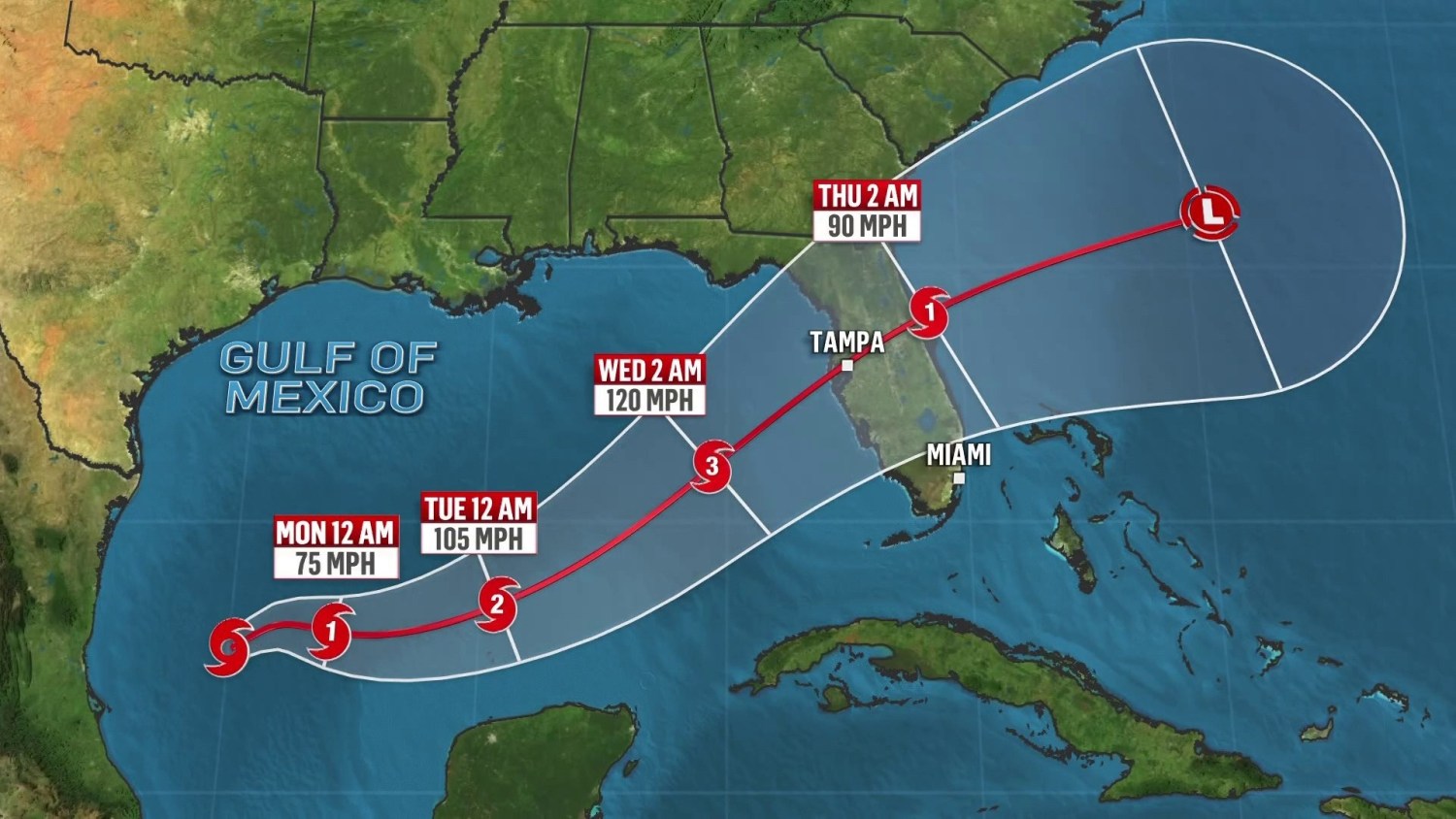
The immediate and primary concern for any traveler heading to Florida during hurricane season is accurate, real-time information about an approaching storm. Hurricane Milton presents a significant threat, and its potential path dictates the severity of travel disruptions across various regions of the state.
Current Forecast and Potential Path
Monitoring the official forecasts from reputable sources like the National Hurricane Center (NHC) is the first step for any traveler. These advisories provide crucial details regarding the hurricane’s strength, speed, and projected track. Even a slight shift in a hurricane’s path can mean the difference between minor weather disturbances and catastrophic impacts for a particular area. Travelers should pay close attention to the NHC’s cone of uncertainty, which illustrates the probable track of the storm’s center. This information directly influences decisions regarding whether to proceed with travel, postpone, or evacuate. For instance, if Milton is projected to impact South Florida, major hubs like Miami and Fort Lauderdale would be on high alert, affecting flights and ground transportation. Conversely, if the Florida Panhandle is in the crosshairs, cities such as Pensacola and Panama City Beach would face different, but equally serious, challenges.
Risk Zones and Evacuation Protocols
Florida is meticulously divided into hurricane evacuation zones, designed to facilitate an orderly and safe departure of residents and visitors from high-risk areas. These zones are typically based on storm surge vulnerability, not just wind. Travelers staying in coastal hotels or low-lying areas should familiarize themselves with the designated evacuation zones for their specific location. County emergency management websites, like the Florida Division of Emergency Management, offer interactive maps and detailed instructions. Understanding whether your destination falls within a mandatory evacuation zone is critical. Failure to evacuate when mandated can put travelers at severe risk and strain emergency services. For example, popular tourist destinations like the Florida Keys often have early evacuation orders due to their unique geographical vulnerabilities and limited escape routes, significantly impacting travel to Key West and surrounding islands.
Impact on Air, Land, and Sea Travel
A hurricane’s approach invariably leads to widespread travel disruptions. Airports like Orlando International Airport (MCO) and Miami International Airport (MIA) are often among the first to announce flight cancellations and closures, sometimes days in advance. Airlines prioritize passenger safety, leading to grounding aircraft and diverting flights, impacting travelers far beyond Florida’s borders.
On land, major interstates such as I-95, I-75, and I-4 can become gridlocked during evacuations, turning what would normally be a few hours’ drive into an arduous, days-long journey. Fuel shortages and limited access to necessities along evacuation routes are also common.
For sea travel, cruise lines operating out of Port Canaveral, Port Everglades, and PortMiami will reroute ships, cancel sailings, or delay departures. A cruise vacation could be significantly altered or outright cancelled by a hurricane, affecting passengers booked on lines like Carnival Cruise Line or Royal Caribbean out of these ports. It is imperative for travelers to monitor updates directly from their respective airlines, cruise lines, or transportation providers.
Prioritizing Safety: Essential Travel Preparations
When a hurricane threatens, proactive preparation is paramount. Travelers have a responsibility to themselves and their loved ones to take all necessary steps to ensure safety, even if it means altering or cancelling long-anticipated plans.
Monitoring Official Advisories and Alerts
Beyond national forecasts, local advisories from county emergency services, local news outlets, and even social media accounts of official bodies become critical. These sources often provide hyper-localized information about shelter openings, road closures, and specific evacuation orders that might not be immediately apparent from broader national updates. Travelers should ensure their mobile devices are charged, consider carrying a portable power bank, and sign up for local emergency alerts for the area they are visiting or transiting through. Apps from the American Red Cross or local weather channels can also provide invaluable real-time updates. Keeping abreast of the situation allows travelers to make informed decisions swiftly, avoiding potential hazards.
Securing Travel Insurance and Rebooking Options
Travel insurance is an often-overlooked but crucial investment, especially during hurricane season in Florida. Policies that cover weather-related cancellations, trip interruptions, and emergency evacuations can save travelers significant financial strain. It’s vital to read the fine print regarding “named storms” and “cancel for any reason” clauses. Many policies have cut-off dates for coverage once a storm is named.
If a hurricane is imminent, contact your airline, hotel, or tour operator immediately to understand their rebooking or refund policies. Many companies offer waivers for changes or cancellations during severe weather events, though these often come with specific deadlines. Having flexible booking options or understanding your cancellation rights can mitigate losses and provide peace of mind. For example, major resorts like Walt Disney World Resort and Universal Studios Florida typically have well-defined hurricane policies, which visitors should review if their travel coincides with a storm.
Emergency Kits and Personal Safety Measures
For travelers who are already in Florida when a hurricane warning is issued, or those who cannot evacuate, preparing an emergency kit is non-negotiable. This should include:
- Essential Documents: Identification, insurance policies, booking confirmations, and a list of important contacts, all stored in a waterproof bag.
- Medications: A sufficient supply of prescription drugs and over-the-counter necessities.
- First-Aid Supplies: Bandages, antiseptic wipes, pain relievers.
- Water and Non-Perishable Food: Enough for several days, especially if roads become impassable or services are interrupted.
- Communication Devices: Fully charged phones, portable chargers, and potentially a hand-crank radio.
- Cash: ATMs may be inoperable after power outages.
- Basic Hygiene Items: Hand sanitizer, wipes, personal toiletries.
Staying in a sturdy building, ideally away from coastal areas, is critical. Follow all instructions from hotel management and local authorities. Do not venture outside during the storm, and be aware of potential hazards like downed power lines, flooding, and debris once the storm passes.
Navigating Post-Landfall Travel Challenges
Even after a hurricane makes landfall and passes, its effects can linger for days, weeks, or even months, posing continued challenges for travel and tourism.
Assessing Damage and Infrastructure Recovery
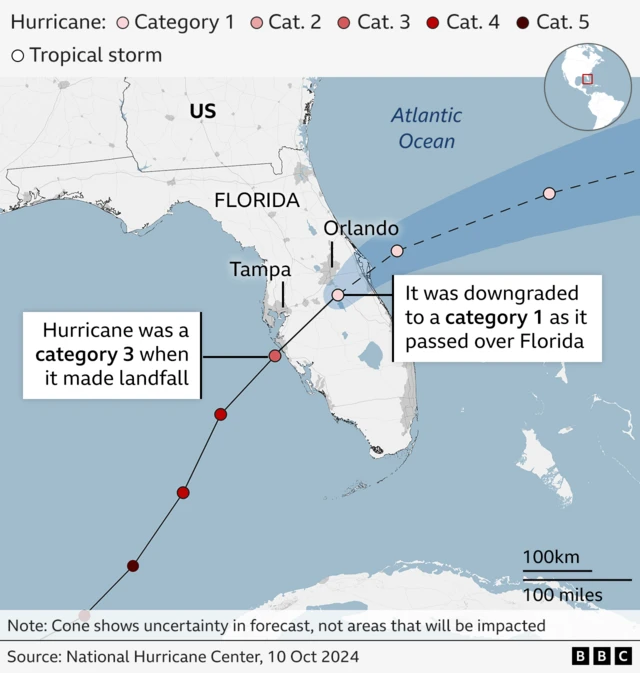
Immediately after landfall, the focus shifts to search and rescue, and damage assessment. Infrastructure—roads, bridges, power grids, communication networks—can be severely compromised. Travelers attempting to enter or exit affected areas will likely face significant delays, detours, or outright closures. Cities like Naples or Sarasota, if directly hit, could see major damage to their airports, ports, and main thoroughfares, making travel to and from them extremely difficult. It’s crucial for travelers to understand that “all clear” from the storm does not mean immediate normalcy. Recovery is a phased process, and patience is essential.
Reopening of Attractions and Services
Tourist attractions, theme parks, hotels, restaurants, and shops may remain closed for extended periods after a hurricane. While major attractions like Kennedy Space Center Visitor Complex might have robust contingency plans, smaller businesses, especially in severely impacted coastal towns, could face extensive damage and lengthy rebuilding efforts. Travelers should not assume that just because a storm has passed, their planned activities will resume as scheduled. Directly contacting specific attractions or checking their official websites for reopening statuses is vital before attempting to visit. The goal is to avoid disappointment and conserve resources in areas still grappling with recovery.
Support for Stranded Travelers
For those caught in Florida during a hurricane, various resources are typically activated to assist stranded travelers. Local emergency management agencies, often in conjunction with state authorities, will establish shelters, aid stations, and information hotlines. Embassies and consulates may also assist their citizens. Travelers should keep their travel documents accessible and maintain contact with their families or support networks outside the affected zone. The kindness of local communities in times of crisis is often profound, but travelers should still be self-reliant as much as possible, having planned for emergencies. St. Petersburg and Tampa, for instance, often coordinate regional aid efforts that can be critical for those stuck in the area.
Florida’s Resilience: Future Travel Considerations
Florida has a long history of weathering hurricanes and demonstrating remarkable resilience. While Hurricane Milton will undoubtedly present challenges, the state’s spirit of recovery and its enduring appeal as a travel destination remain strong.
Long-Term Recovery and Tourism Rebound
The recovery process after a significant hurricane is a multi-faceted endeavor that often involves substantial federal, state, and local resources. This includes rebuilding homes, restoring natural environments like those in the Everglades National Park, and repairing tourism infrastructure. Historically, Florida’s tourism industry has shown incredible resilience, bouncing back strongly after previous storms. Areas that might be severely impacted initially, like segments of the Treasure Coast or specific beaches, often make remarkable comebacks. Understanding that some areas might need more time to fully recover is important for future travel planning.
Planning Future Trips to the Sunshine State
For those whose travel plans to Florida were disrupted by Hurricane Milton, postponing rather than cancelling entirely is often a good option. The state offers diverse experiences, from the vibrant culture of Miami to the theme park magic of Orlando and the pristine beaches of the Gulf Coast. Once the immediate crisis passes and recovery efforts are underway, Florida will once again welcome visitors. Travelers should research specific destinations within Florida that may have been less affected or have completed their recovery, ensuring their rescheduled trip is as enjoyable as initially planned. Local tourism boards, such as Visit Florida, provide up-to-date information on the status of various regions and attractions.

Contributing to Local Recovery Efforts
Travelers looking to make a positive impact can consider visiting Florida once the affected areas are deemed safe and open for tourism. By spending money at local businesses, staying in hotels, and enjoying attractions, visitors directly contribute to the economic recovery of communities hit by the hurricane. Volunteering with reputable organizations involved in disaster relief and rebuilding efforts is another meaningful way to help. Supporting Florida’s return to normalcy after Hurricane Milton ensures that the destinations we cherish continue to thrive for years to come.
LifeOutOfTheBox is a participant in the Amazon Services LLC Associates Program, an affiliate advertising program designed to provide a means for sites to earn advertising fees by advertising and linking to Amazon.com. Amazon, the Amazon logo, AmazonSupply, and the AmazonSupply logo are trademarks of Amazon.com, Inc. or its affiliates. As an Amazon Associate we earn affiliate commissions from qualifying purchases.