
The allure of the Sunshine State, Florida, is undeniable. Year-round sunshine, pristine beaches, thrilling theme parks, and a vibrant cultural tapestry draw millions of visitors annually. However, for many, especially those accustomed to milder climates, the question “When will it cool down in Florida?” becomes a crucial factor in planning their visit. While Florida is synonymous with warmth, the intense heat and humidity of its summer months can be a significant consideration. This guide delves into the nuances of Florida‘s climate, helping you pinpoint the ideal time to visit when the “cool down” you’re seeking is most palpable, and exploring how to make your stay comfortable no matter the season.

Understanding Florida’s Climate: Beyond the Sunshine
Florida‘s climate is broadly classified as humid subtropical, with distinct variations between its northern and southern regions. The state experiences two primary seasons: a hot, humid, and wet summer, and a warm, dry, and pleasant winter. The “cool down” most travelers refer to is essentially the transition into and the duration of the cooler, more comfortable winter months.
The Summer Season: Heat, Humidity, and Hurricane Possibilities
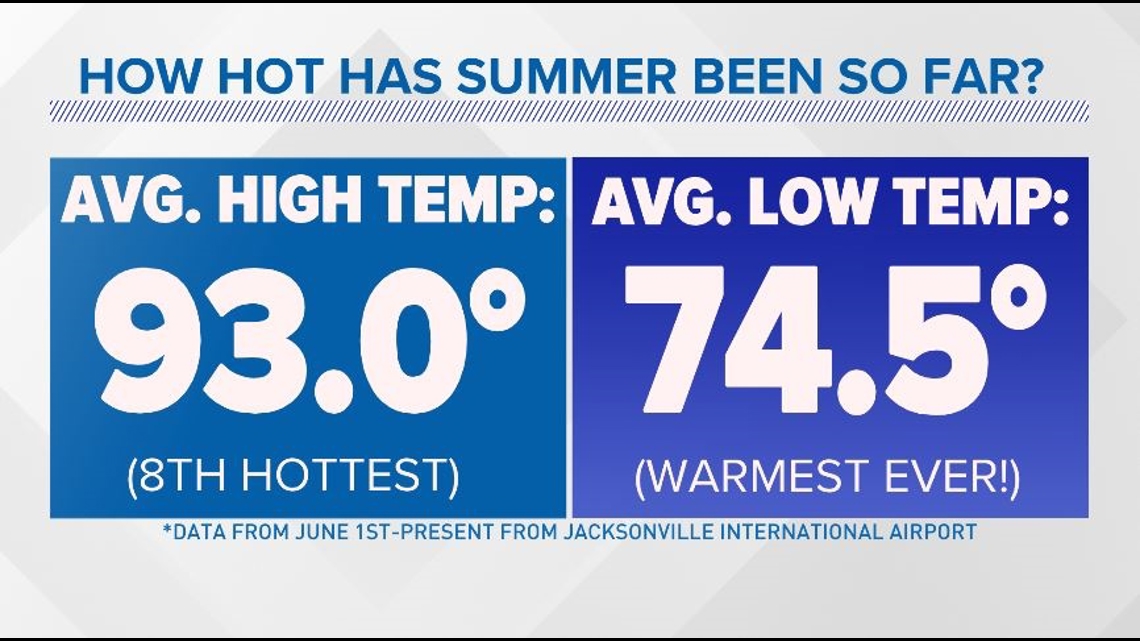
From late May through early October, Florida is in the grip of its summer season. This period is characterized by consistently high temperatures, often reaching into the high 80s and 90s Fahrenheit (around 30-35°C), accompanied by oppressive humidity that can make the “feels like” temperature soar even higher. Afternoon thunderstorms are a daily occurrence, offering temporary relief from the heat but also contributing to the overall humidity.
This period also coincides with the Atlantic hurricane season, which officially runs from June 1 to November 30. While direct hits are not guaranteed, the possibility of tropical storms and hurricanes can impact travel plans, leading to cancellations or disruptions. For those sensitive to heat and humidity, or those who prefer outdoor activities without feeling constantly overheated, this is generally not the ideal time to visit. However, it’s important to note that even during the summer, certain strategies can mitigate the heat. Resorts with excellent air-conditioned amenities, indoor attractions like the Walt Disney World Resort or Universal Orlando Resort, and early morning or late evening outdoor excursions can still make a summer trip enjoyable.
The Winter Season: Florida’s Cooler, Drier “Cool Down”
The period generally considered the “cool down” in Florida spans from late November through April. This is Florida‘s peak tourist season for a reason. Temperatures become significantly more pleasant, with daytime highs typically ranging from the low 70s to low 80s Fahrenheit (around 22-28°C). Humidity levels drop considerably, making outdoor activities much more enjoyable. Evenings can be cool enough for a light jacket, especially in the northern parts of the state.
This is the time when exploring Florida’s numerous natural wonders, from the tranquil waters of the Florida Keys to the unique ecosystem of the Everglades National Park, becomes truly delightful. Theme park visits are more comfortable, and exploring the historic streets of St. Augustine or the lively atmosphere of South Beach in Miami becomes a more pleasant experience. It’s also the prime time for outdoor pursuits like golf, tennis, and sailing. However, it’s crucial to book accommodations and popular attractions well in advance, as this is the busiest period for Florida tourism.
Navigating Florida’s Seasons: Tips for Every Traveler
Whether you are planning a long-term stay or a short getaway, understanding Florida‘s climatic nuances will help you pack appropriately and plan your itinerary for maximum enjoyment.
Spring and Fall: The Shoulder Seasons of Comfort
The shoulder seasons, spring (March to May) and fall (September to November), offer a sweet spot for many travelers seeking a balance between pleasant weather and slightly fewer crowds than the peak winter months.
Spring: As Florida transitions from its cooler winter into summer, spring offers a delightful climate. Temperatures are warm but not yet oppressive, and humidity is generally manageable. This is an excellent time for enjoying Florida‘s beaches and outdoor attractions. Spring Break can bring larger crowds, particularly to coastal areas and theme park destinations, so booking in advance is still recommended.
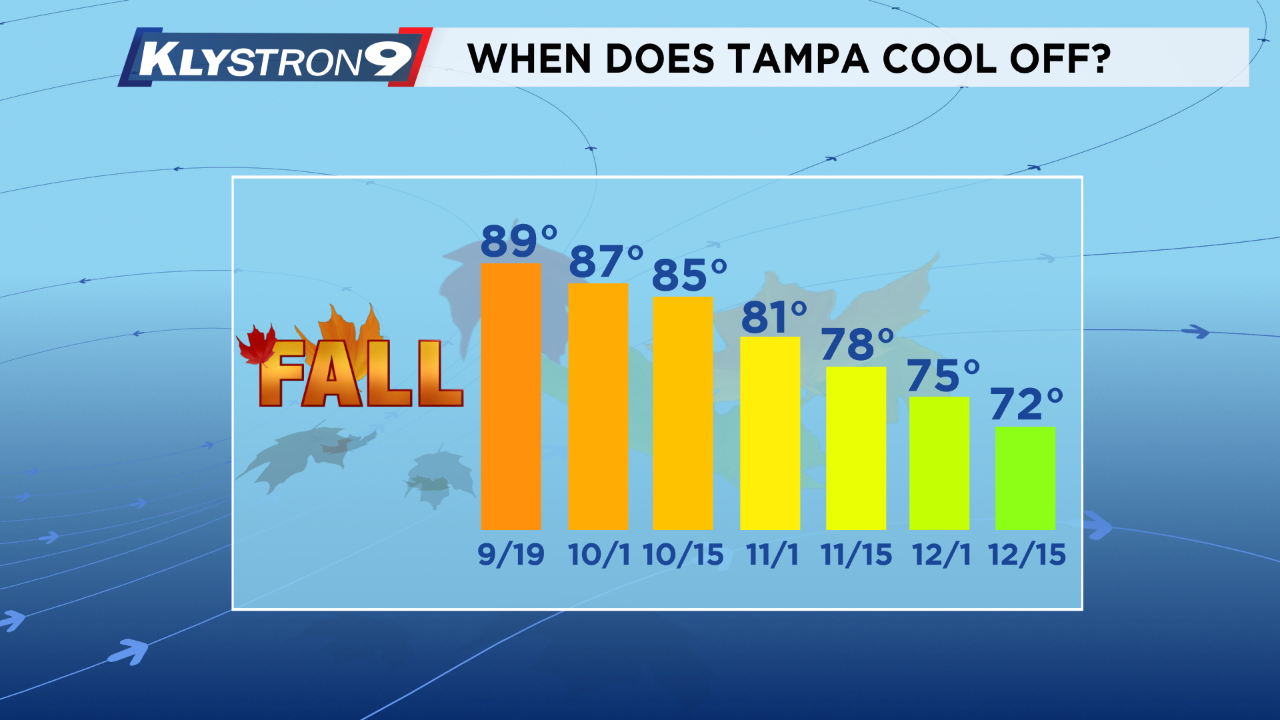
Fall: The latter half of fall, particularly October and November, marks the end of hurricane season and the beginning of the delightful cooler weather. Temperatures start to drop, and the humidity eases significantly. This period is ideal for exploring the state’s numerous festivals, enjoying outdoor dining, and engaging in activities like visiting the Kennedy Space Center Visitor Complex. The fall foliage in the northern parts of Florida can also be a beautiful sight, though it’s not as dramatic as in more northern states.
Preparing for the Heat and Humidity: Year-Round Strategies
Even during the cooler months, Florida can experience warm days, and during the summer, the heat and humidity are undeniable. Here are some strategies to stay comfortable no matter when you visit:
- Hydration is Key: Drink plenty of water throughout the day. Carry a reusable water bottle and refill it often.
- Seek Air-Conditioned Havens: Florida boasts an abundance of indoor attractions. Plan to visit museums, aquariums, shopping malls, and indoor theme park areas during the hottest parts of the day. Many hotels, such as the Grand Hyatt Hotel, offer excellent air-conditioned common areas and rooms.
- Embrace the Early Morning and Late Evening: Schedule your outdoor activities for the cooler hours of the day. Watching the sunrise over the Atlantic or enjoying a sunset stroll along the Gulf Coast can be magical.
- Dress Appropriately: Opt for lightweight, breathable fabrics like cotton and linen. Light-colored clothing reflects sunlight and helps keep you cooler. Wide-brimmed hats and sunglasses are essential for sun protection.
- Utilize Cooling Amenities: Look for accommodations with pools, both indoor and outdoor. Many resorts, like the Ritz-Carlton Amelia Island, offer fantastic pool facilities that provide a welcome respite from the heat. Staying in a villa or apartment with a private pool can also be a great way to cool off at your leisure.
- Plan for Downtime: Don’t overschedule yourself, especially during hotter months. Allow for breaks in a cool, shaded spot or back at your hotel.
- Stay Informed About Weather: Keep an eye on the weather forecast, especially during hurricane season. Mobile apps and local news can provide real-time updates.
Beyond the Weather: Factors Influencing Your “Cool Down” Timing
While the temperature is a primary driver for seeking a “cool down” in Florida, other factors might influence your decision on when to visit.
Budget and Crowds: Timing Your Visit for Value
The peak winter season (December to April) is also the most expensive time to visit Florida, with higher prices for flights and accommodations. This is due to the influx of tourists escaping colder climates. If you’re on a budget, consider visiting during the shoulder seasons of spring and fall, or even the less popular summer months. You’ll often find better deals on hotels and flights, and attractions may be less crowded. For example, while a suite at the Disney’s Grand Floridian Resort & Spa might be pricier in January, you might find better rates in September.
Specific Activities and Events: Tailoring Your Trip
Certain events and activities are best enjoyed during specific times of the year. For instance, experiencing the vibrant marine life while snorkeling or diving in the Florida Keys might be more comfortable in the warmer, drier months. The world-renowned Miami International Boat Show typically takes place in February, offering a lively experience amidst pleasant weather. If your primary interest is attending specific events or engaging in certain recreational pursuits, research the best time of year for those particular activities.
Family Travel Considerations: Balancing Fun and Comfort
For families, especially those with young children or elderly members, managing the heat and humidity is a significant concern. Summer in Florida can be challenging for younger children, with the heat and potential for sudden downpours. The cooler, drier winter months are often preferred for family vacations, allowing for more extensive exploration of theme parks and outdoor attractions like Busch Gardens Tampa Bay. However, even during summer, planning indoor activities, utilizing water parks like Disney’s Typhoon Lagoon, and taking frequent breaks can make a family trip enjoyable.
Ultimately, the answer to “When will it cool down in Florida?” depends on your definition of “cool down” and your tolerance for heat and humidity. While Florida never truly experiences a “cold” season, the period from late November to April offers a distinctly more comfortable and pleasant climate, making it the prime time for those seeking respite from the intense summer heat. By understanding the state’s climate patterns and employing smart planning strategies, you can ensure a memorable and comfortable visit to Florida, regardless of the season. Whether you’re dreaming of a luxurious stay at the Four Seasons Resort Orlando at Walt Disney World Resort or a budget-friendly beach getaway, Florida awaits with its endless sunshine and attractions.
LifeOutOfTheBox is a participant in the Amazon Services LLC Associates Program, an affiliate advertising program designed to provide a means for sites to earn advertising fees by advertising and linking to Amazon.com. Amazon, the Amazon logo, AmazonSupply, and the AmazonSupply logo are trademarks of Amazon.com, Inc. or its affiliates. As an Amazon Associate we earn affiliate commissions from qualifying purchases.