
Texas, the second-largest state in the United States, is renowned for its vast landscapes, vibrant culture, and, perhaps most notably, its notoriously hot summers. For travelers and locals alike, the arrival of cold weather marks a welcome shift, ushering in a season of outdoor comfort, festive events, and a unique charm that transforms the Lone Star State. But the question that perpetually lingers in the minds of many, especially as 2024 progresses, is: “When will it finally get cold in Texas?”
Unlike states with predictable seasonal shifts, Texas’s climate is a complex tapestry woven from diverse geographical features. From the Panhandle’s plains to the Gulf Coast beaches, the timing and intensity of colder temperatures can vary dramatically. This guide delves into the nuances of Texas weather, offering insights into when to expect the mercury to drop in 2024, and how this seasonal transition impacts travel experiences, accommodation choices, and the overall lifestyle across its captivating regions.
Unraveling Texas’s Unique Climate: A Precursor to Winter
Understanding when cold weather will arrive in Texas requires an appreciation for its intricate and often unpredictable climate. The state’s sheer size and varied topography mean that a single forecast rarely applies to all its corners. This diversity is what makes Texas an eternally fascinating travel destination, offering everything from desert adventures to coastal retreats, each with its own microclimate.
Understanding Texas’s Diverse Climates
Texas can be broadly divided into several distinct climatic regions, each influencing the onset and severity of winter.
- North Texas and the Panhandle: Regions like Dallas, Fort Worth, and Amarillo experience a semi-arid, continental climate. They are typically the first to feel the chill, often seeing significant cold fronts and even some snowfall earlier than other parts of the state. Winters here are usually colder and drier.
- West Texas: Encompassing cities like El Paso and the vast desert landscapes, West Texas has an arid to semi-arid climate. While daytime temperatures can remain mild well into winter, nights become crisp and cold, especially at higher elevations in areas like Guadalupe Mountains National Park or Big Bend National Park.
- East Texas: With its piney woods and proximity to the Gulf Coast, East Texas enjoys a humid subtropical climate. Cold fronts bring brisk temperatures, but sustained deep freezes are less common, and humidity often makes the cold feel damp.
- Central Texas and the Texas Hill Country: Home to Austin and San Antonio, this region shares characteristics of both eastern and western Texas. While it experiences distinct cold snaps, the overall winter is generally mild, with plenty of sunny days.
- South Texas and the Gulf Coast: Cities like Houston, Galveston, and South Padre Island boast the mildest winters. While cold fronts do penetrate, freezing temperatures are rare, and the season often feels more like an extended autumn with pleasant, cool days perfect for enjoying coastal attractions without the summer crowds.
The Elusive Autumn Transition
For much of Texas, the transition from scorching summer to genuine cold can be quite sudden. Unlike northern states that enjoy a prolonged autumn with gradually falling temperatures and vibrant foliage, Texas often experiences what locals affectionately call “second summer,” where warm weather persists well into October, sometimes even November. The first significant cold front typically arrives as an abrupt change, often dropping temperatures by 20-30 degrees Fahrenheit overnight.
This sudden shift impacts travel plans, as visitors hoping for crisp autumn air might find themselves still in shorts and t-shirts. However, by late November, particularly in North Texas and the Panhandle, the chances of needing a warm jacket increase significantly. The beauty of this transition, however, is the opportunity it presents for travel. As the oppressive heat recedes, outdoor attractions become far more inviting, paving the way for comfortable exploration.
Pinpointing the Onset of Cold: Forecasting Texas Winter 2024
Predicting the exact arrival of cold weather in Texas for 2024 involves looking at historical patterns, long-range climate forecasts, and understanding the meteorological phenomena that drive the state’s weather. While no forecast is ever 100% accurate, we can make informed estimations to help you plan your travel and accommodation.
Historical Patterns and Modern Predictions
Historically, the first significant cold fronts capable of dropping temperatures below 60 degrees Fahrenheit generally begin to arrive in North Texas and the Panhandle in late October to early November. For Central Texas and East Texas, this usually occurs by mid-November. South Texas and the Gulf Coast often hold onto warmer weather until late November or even early December, when persistent cool fronts finally bring consistently lower temperatures. Freezing temperatures across the northern half of the state typically become a regular occurrence from December through February.
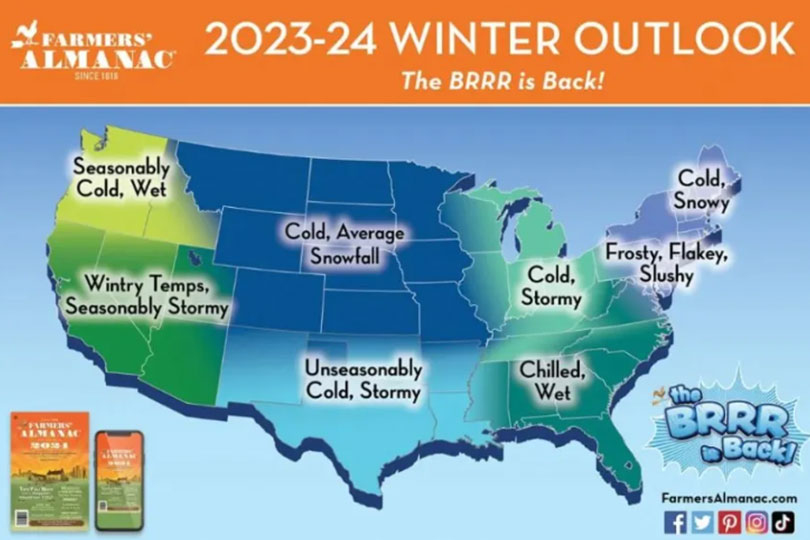
For 2024, long-range forecasts from meteorological organizations suggest a potential shift in patterns. While specific details will become clearer closer to the season, early indications often point to influences like La Niña or El Niño, which can significantly alter temperature and precipitation trends. A La Niña pattern, for instance, typically leads to warmer, drier winters in the southern United States, potentially delaying the onset of significant cold for some regions of Texas. Conversely, an El Niño could bring cooler, wetter conditions. Travelers should monitor updated forecasts from reliable sources as fall progresses.
Key Meteorological Influences for 2024
Several atmospheric factors will play a crucial role in determining when Texas gets cold in 2024:
- Arctic Blasts: The most dramatic drops in temperature in Texas are often due to powerful arctic cold fronts pushing down from the north. These can bring rapid temperature plunges, icy conditions, and even snow or sleet, particularly in the Panhandle and North Texas. The timing and strength of these blasts are key indicators of when “cold” truly arrives.
- Gulf Moisture Interaction: The proximity of the Gulf Coast means that cold fronts interacting with moist air can lead to significant precipitation, sometimes in the form of freezing rain or sleet, especially when temperatures hover around freezing. This is more common in East Texas and the Gulf Coast region.
- Upper-Level Ridge/Trough Patterns: The steering currents of the jet stream, characterized by ridges (high-pressure systems, warmer) and troughs (low-pressure systems, colder), will dictate the frequency and path of cold air masses into Texas. A persistent trough over the central United States would funnel cold air south more consistently.
Based on current general climate trends and historical data, the safest bet for experiencing genuinely cold weather suitable for winter activities in the northern and central parts of Texas in 2024 would be from mid-December through February. For those visiting South Texas or the Gulf Coast, “cold” might mean pleasant 50-60 degree Fahrenheit days, making it an ideal escape from harsher northern winters.

Embracing Winter in Texas: Travel & Lifestyle Considerations
While the chase for cooler temperatures drives many inquiries, the arrival of cold weather in Texas unveils a different kind of charm, transforming it into an exciting destination for winter travel, unique lifestyle experiences, and cozy accommodation options. Far from shutting down, the state shifts its focus, offering a plethora of activities that thrive in cooler climes.
Seasonal Activities and Destinations
When the cold air finally settles over Texas, the outdoor landscape takes on a new allure. This is an opportune time for:
- Hiking and Nature Exploration: Destinations like Big Bend National Park and the Texas Hill Country become more accessible and enjoyable for hiking and stargazing without the intense summer heat. Cooler temperatures are ideal for exploring trails and enjoying the crisp air.
- City Sightseeing: Urban centers like San Antonio, Austin, and Dallas truly shine. Strolling along the San Antonio River Walk, exploring Austin’s vibrant music scene, or visiting the museums in Dallas and Houston are far more comfortable without the humidity.
- Winter Festivals and Events: Many Texas towns host Christmas markets, holiday lights displays, and unique winter festivals. Grapevine, for instance, is known as the “Christmas Capital of Texas” and offers a plethora of holiday-themed attractions that draw visitors from across the region. Fredericksburg in the Texas Hill Country also hosts delightful German-style Christmas markets.
Accommodation Choices for Cooler Weather
With the onset of cold weather, travelers’ accommodation priorities shift from pool access to cozy comfort. Hotels, resorts, and vacation rentals catering to winter guests emphasize warmth, ambiance, and indoor amenities.
- Boutique Hotels with Fireplaces: Consider charming boutique hotels in historic districts, such as The Driskill Hotel in Austin or Hotel Emma in San Antonio. Many offer rooms with fireplaces, perfect for a romantic winter escape.
- Resorts with Heated Pools and Spas: For those seeking relaxation, resorts like the JW Marriott San Antonio Hill Country Resort & Spa often feature heated pools, luxurious spas, and indoor activities, making them ideal for a winter getaway.
- Urban Hotels with Indoor Amenities: In major cities, hotels like the Hyatt Regency Dallas, The Post Oak Hotel in Houston, Four Seasons Hotel Austin, Omni Fort Worth Hotel, or Hotel ZaZa Dallas Uptown provide a luxurious base with excellent dining options, fitness centers, and easy access to indoor cultural attractions. Booking in advance, especially around holidays, is always advisable to secure the best rates and availability.

Packing Essentials and Travel Tips
Packing for a Texas winter trip requires versatility. Given the potential for sudden temperature swings, layering is key.
- Layers are Your Best Friend: Bring sweaters, long-sleeved shirts, and a warm, waterproof jacket. Even if the day starts mild, a cold front could sweep in by evening.
- Warm Accessories: Scarves, gloves, and hats are essential, particularly for the northern and western parts of the state.
- Comfortable Footwear: Opt for closed-toe shoes or boots, especially if you plan on walking or exploring outdoor areas.
- Check the Local Forecast: Always check the specific forecast for your destination just before your trip. Texas weather can be highly localized.
- Book Ahead for Peak Season: While winter might be considered off-peak in some areas, popular holiday destinations or cities with major events can still see high demand for accommodation and attractions.
Experiencing Texas’s Winter Charm: Beyond the Cold
The onset of cold weather in Texas doesn’t just mean a change in temperature; it signals a shift in the entire lifestyle and tourism landscape. It’s a season when the state’s cultural richness, culinary excellence, and historical depth come to the forefront, offering travelers a more intimate and often less crowded experience.
Festive Fun and Culinary Delights
Texas truly embraces the holiday spirit when cold weather arrives.
- Holiday Lights and Parades: From massive light displays in Houston and Dallas to charming small-town parades, the state illuminates itself with festive cheer. The San Antonio River Walk transforms into a dazzling spectacle with millions of lights reflecting on the water, making it a truly magical experience.
- Comfort Food and Warm Beverages: Texas’s culinary scene adapts beautifully to the cold. Indulge in hearty bowls of chili, authentic barbecue, rich Tex-Mex dishes, and warm beverages. Many local breweries and distilleries offer seasonal releases, and the Texas Hill Country wineries remain open for cozy tastings. Fredericksburg’s German heritage shines through with warm Glühwein and traditional pastries.
- Live Music Venues: Head indoors to legendary venues like Gruene Hall or the smaller, intimate dance halls of Luckenbach for live music, where the warmth of the music and camaraderie chases away the chill. Austin’s vast array of music clubs offers options for every taste, making it an ideal destination for a cozy night out.
Exploring Texas Landmarks in Winter
Many of Texas’s iconic landmarks and attractions are even more enjoyable during the colder months, devoid of the intense summer crowds and heat.
- Historical Sites: Visiting The Alamo or the State Capitol in Austin becomes a more contemplative experience. The cool air allows for extended exploration of outdoor historical grounds without discomfort.
- Museums and Cultural Institutions: Dive into the rich history and art at institutions like the Sixth Floor Museum in Dallas, the NASA Johnson Space Center in Houston, or the sprawling Dallas Arts District and Houston Museum District. These indoor attractions offer hours of entertainment, perfectly suited for chilly days.
- Scenic Drives: The Texas Hill Country is stunning in winter, with barren trees offering clearer views of the undulating landscape, and the crisp air invigorating for a scenic drive.
In conclusion, while the precise timing of when Texas will “get cold” in 2024 remains subject to nature’s whims, travelers can generally anticipate the transition starting in late October for the northern regions and extending into December for the southern coast. Regardless of the exact date, the cooler months unlock a different, equally captivating side of the Lone Star State, promising unique travel experiences, luxurious accommodations, and a vibrant lifestyle that thrives beyond the summer heat. By planning thoughtfully and embracing the state’s diverse climate, visitors can enjoy an unforgettable winter adventure in Texas.