
California, a land synonymous with sun-drenched beaches, towering redwoods, and world-renowned vineyards, is an undisputed titan of global tourism. Its diverse landscapes attract millions annually, eager to explore the vibrant cities of Los Angeles and San Francisco, experience the serenity of Yosemite National Park, or indulge in the culinary delights of Napa Valley. However, beneath this shimmering facade of natural beauty and cultural richness lies an escalating environmental challenge: wildfires. The question “Are the California fires getting worse?” is no longer a rhetorical one; it’s a critical inquiry that directly impacts travel planning, tourism strategies, and the very fabric of life in the Golden State. For anyone contemplating a Californian adventure, or for those invested in the hospitality industry here, understanding the evolving landscape of these fires and their multifaceted consequences is paramount. This article delves into the trajectory of these wildfires, their profound effects on California‘s robust travel and accommodation sectors, and how both visitors and industry professionals are adapting to a new normal.
The Escalating Challenge of California Wildfires: A Changing Climate
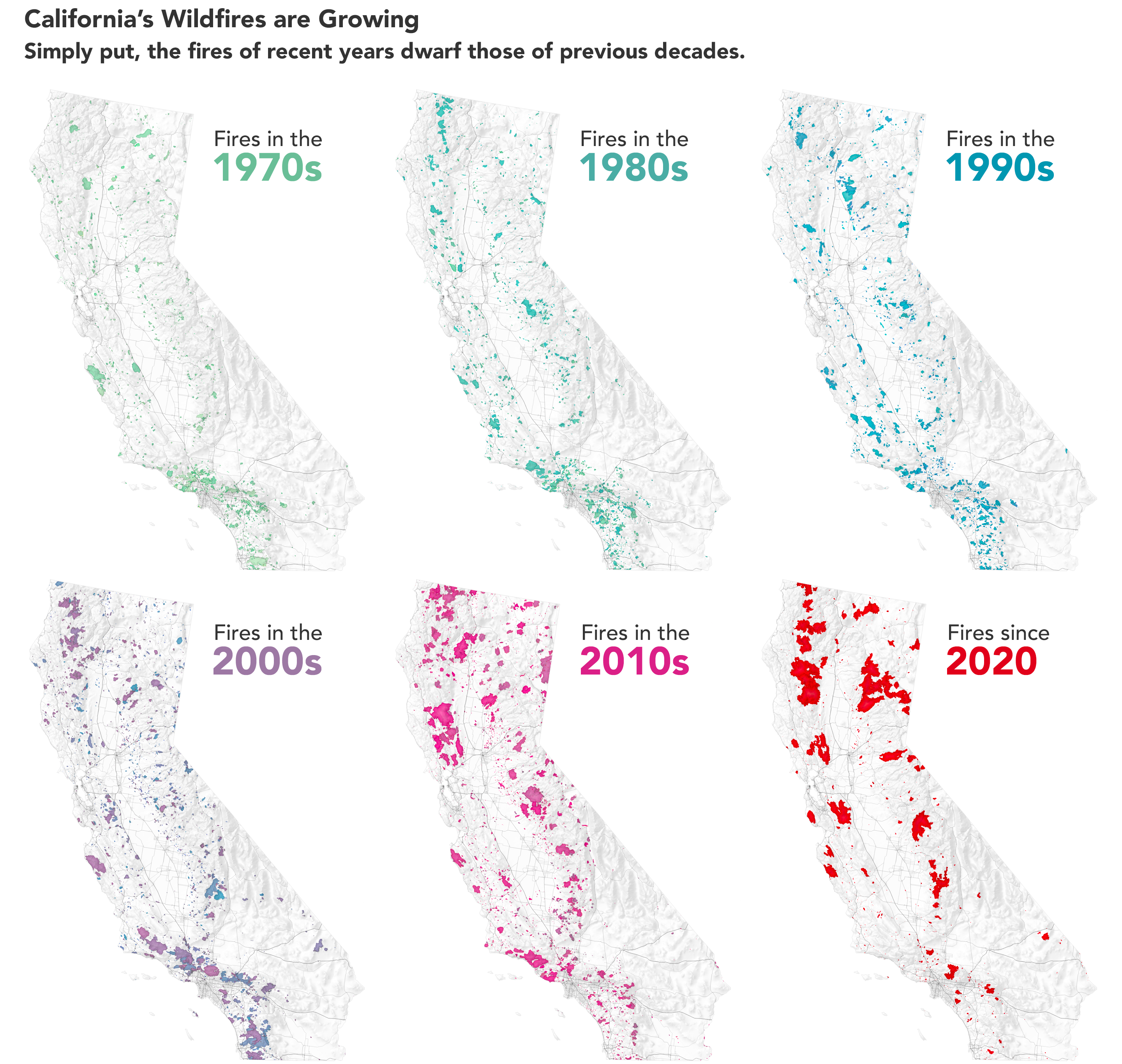
For decades, wildfires have been a natural, albeit destructive, component of California’s ecosystem. They play a role in forest regeneration and maintaining biodiversity. Yet, recent years have witnessed an undeniable shift, with fires becoming more frequent, more intense, and far more destructive than historical averages. This isn’t merely a cyclical phenomenon; it’s a profound transformation driven by complex environmental factors, primarily climate change. The combination of prolonged droughts, higher temperatures, strong winds, and an accumulation of dry vegetation creates a perfect storm for rapid fire ignition and spread.
Understanding the Causes and Trends
The science behind the increasing severity of California wildfires points to several intertwined factors. A warming climate leads to hotter, drier conditions, extending the fire season and turning forests and chaparral into highly combustible fuel. Snowpacks melt earlier, reducing water availability during the critical summer and autumn months. Furthermore, a history of fire suppression has, paradoxically, led to an accumulation of dense undergrowth, providing ample fuel for fires to burn hotter and spread faster once ignited.
Adding to this natural vulnerability is the increasing interface between wildlands and urban development, known as the Wildland-Urban Interface (WUI). As population centers expand, more homes and businesses are built in fire-prone areas, placing more lives and properties at risk. This means fires that once might have burned in remote wilderness now pose a direct threat to communities, iconic landmarks, and crucial tourism infrastructure. The destruction of towns like Paradise and significant damage in areas adjacent to Los Angeles or Santa Barbara exemplify this dangerous trend, turning scenic drives and serene retreats into zones of devastation.
Impact on California’s Vibrant Travel & Tourism Sector
The escalating nature of California’s wildfires poses a significant and evolving threat to one of its most vital economic engines: travel and tourism. From charming boutique hotels to sprawling resorts, from world-famous attractions to hidden natural gems, the industry finds itself constantly navigating the uncertainties brought about by these infernos. The repercussions extend far beyond immediate damage, influencing long-term planning, visitor perceptions, and the very definition of a Californian getaway.
Destinations and Attractions at Risk
Many of California’s most beloved destinations lie in or near fire-prone landscapes. The picturesque vineyards of Napa Valley and Sonoma County, renowned for their luxurious wine tasting experiences and elegant hotels, have repeatedly faced direct threats, leading to evacuations and substantial losses. Iconic stretches of the Pacific Coast Highway, particularly around Big Sur, are frequently closed due to fire or related mudslides, disrupting one of the world’s most famous road trips.
Even major national parks like Yosemite National Park and Sequoia National Park, home to ancient giant sequoias, have been impacted, with sections closed, air quality plummeting, and visitor access restricted. The smoke plumes from distant fires can travel hundreds of miles, affecting air quality even in cities like San Francisco or along the Lake Tahoe basin, diminishing the appeal of outdoor activities and blurring scenic vistas. This directly impacts the appeal of outdoor-centric travel, from hiking and camping to water sports and scenic drives, which are cornerstones of the California experience.
Hotels and Accommodation Adaptations
The accommodation sector bears a direct and often immediate brunt of wildfire activity. Hotels, resorts, apartments, and villas in affected areas face:
- Evacuations and Cancellations: Properties often have to evacuate guests and staff, leading to mass cancellations and significant revenue losses. For a resort like the hypothetical Carmel Valley Ranch or a collection of charming inns in Mendocino, a fire can mean an entire season’s bookings are wiped out.
- Damage and Destruction: In severe cases, properties can be damaged or completely destroyed. Rebuilding efforts are costly and time-consuming, forcing prolonged closures.
- Operational Challenges: Even properties not directly in the fire’s path can suffer from poor air quality, staff shortages (due to evacuations or concerns), and supply chain disruptions.
- Enhanced Safety Protocols: Many establishments are investing in fire-resistant landscaping, updating sprinkler systems, and implementing stricter emergency evacuation plans. Some luxury resorts are even exploring advanced air filtration systems to ensure guest comfort during smoky periods. Booking platforms are becoming more vigilant, offering real-time advisories and flexible cancellation policies for affected regions.
The challenge for these businesses is to balance offering enticing travel experiences with ensuring guest safety and demonstrating resilience.
Shifting Tourist Perceptions and Behaviors
The pervasive news coverage of California fires undeniably shapes potential tourists’ perceptions. Travelers may hesitate to book trips during peak fire season (typically late summer through fall), opting for spring or early summer instead, or choosing alternative destinations. This seasonality shift can significantly impact revenue for businesses heavily reliant on the affected periods.
Furthermore, there’s an increased emphasis on travel insurance that covers fire-related disruptions. Tourists are becoming more proactive in checking local conditions, air quality reports, and evacuation orders before and during their trips. The notion of a spontaneous, worry-free trip might be slowly giving way to more informed and cautious travel planning, especially for those considering experiences like glamping or stays in remote villas. The “luxury travel” segment, in particular, demands assurance of pristine conditions, making clear communication about safety and environmental status crucial.

Navigating Travel in Fire-Prone Regions: Tips for Responsible Tourism
Despite the challenges, California remains an incredible destination, and responsible tourism can play a vital role in its resilience. Travelers have the power to make informed choices that ensure their safety while supporting local communities through difficult times.
Planning Your California Getaway
Thoughtful planning is the cornerstone of a safe and enjoyable trip to California in this new era.
- Stay Informed: Before and during your trip, regularly check official sources like Cal Fire, the National Weather Service, and local county emergency services websites for fire updates, road closures, and air quality advisories. Apps like AirNow provide real-time air quality data.
- Travel Insurance: Invest in comprehensive travel insurance that covers natural disaster-related cancellations, medical emergencies, and evacuation. Read the fine print carefully to understand what is covered.
- Flexibility: Build flexibility into your itinerary. Consider booking accommodations and activities with clear cancellation policies. Have backup plans in mind, such as alternative destinations within California that are less prone to fire risk during your travel window (e.g., coastal cities during peak inland fire season).
- Know Your Route: If driving, especially on scenic routes like the Pacific Coast Highway or through mountain passes, check for road closures well in advance. Road conditions can change rapidly.
- Accommodation Safety: When booking hotels or villas, inquire about their fire safety protocols and emergency plans. Reputable establishments, like the Grand Hyatt San Francisco or smaller boutique hotels in mountain towns, are often proactive in communicating these details.
Supporting Local Communities and Sustainable Practices
Tourism can be a force for good, especially in areas recovering from wildfires.
- Visit When It’s Safe: When an area is declared safe, visiting responsibly can provide much-needed economic stimulus to businesses that have suffered. Always respect local guidance on when and where to travel.
- Support Local Businesses: Spend your money at local restaurants, shops, and attractions. Every purchase helps communities rebuild and recover.
- Practice Fire Safety: Be extremely careful with fire. Adhere to all local burn bans, never toss cigarette butts, and ensure campfires (if permitted) are completely extinguished. Understand that even a seemingly small spark can have catastrophic consequences.
- Engage with Nature Responsibly: If visiting natural areas, stay on marked trails, and understand and respect local ecology. Support organizations involved in reforestation and land management efforts.
- Consider Off-Season Travel: Exploring California during the spring or early summer might offer a more predictable experience in terms of fire risk and potentially fewer crowds, supporting year-round tourism.
The Path Forward: Resilience and Innovation in California Tourism
The ongoing challenge of wildfires has spurred a wave of innovation and resilience across California’s tourism and hospitality sectors. While the threat remains, there’s a concerted effort to adapt, rebuild smarter, and redefine the travel experience.
Investment in Fire Prevention and Recovery
Both governmental bodies and private industries are increasing investments in fire prevention, mitigation, and recovery. This includes:
- Improved Forest Management: Emphasizing prescribed burns, fuel reduction projects, and healthier forest ecosystems to reduce severe fire risk.
- Advanced Warning Systems: Deploying sophisticated sensor networks, AI-powered predictive models, and real-time satellite monitoring to detect fires earlier and predict their trajectory more accurately.
- Community-Wide Resilience: Implementing stricter building codes for fire-prone areas, developing comprehensive evacuation plans, and educating residents and businesses on defensible space and home hardening.
- Tourism Recovery Funds: Establishing funds and programs to help tourism businesses rebuild and market themselves post-fire, supported by entities like Visit California.
Redefining the California Travel Experience
The changing climate demands a strategic reimagining of what a California vacation entails.
- Highlighting Diverse Experiences: While iconic national parks and wine regions remain popular, there’s an opportunity to promote lesser-known destinations or urban attractions that are less susceptible to wildfires. Think vibrant art scenes in Los Angeles, historic tours in San Francisco, or coastal adventures far from dry brushland.
- Emphasizing Off-Peak Season Travel: Encouraging visitors to explore California during the spring or even winter months, when the risk of wildfires is significantly lower and the landscapes are often lush and green. This can help distribute tourism revenue more evenly throughout the year.
- Promoting Sustainable and Regenerative Tourism: Encouraging travel that not only minimizes environmental impact but actively contributes to restoration efforts. This could involve eco-lodges with strong fire-safety measures, volunteer tourism opportunities in fire-affected areas (when appropriate), or educational tours focused on California’s unique ecology and conservation efforts.
- Enhanced Digital Communication: Hotels, resorts, and destination marketing organizations are improving their digital platforms to provide accurate, up-to-date information on fire status, air quality, and safe travel routes, ensuring guests feel informed and secure.
In conclusion, the question “Are the California fires getting worse?” is met with a sobering “yes.” The frequency and intensity of these events are increasing, presenting unprecedented challenges to the state’s natural beauty and its thriving tourism industry. However, California’s spirit of innovation and resilience is equally robust. By understanding the risks, adapting our travel behaviors, and supporting responsible, sustainable practices, we can continue to experience and cherish the extraordinary allure of the Golden State, helping it to navigate this fiery future with informed optimism. California remains a destination of unparalleled wonder, and with collective effort, it will continue to captivate the hearts of travelers worldwide.
LifeOutOfTheBox is a participant in the Amazon Services LLC Associates Program, an affiliate advertising program designed to provide a means for sites to earn advertising fees by advertising and linking to Amazon.com. Amazon, the Amazon logo, AmazonSupply, and the AmazonSupply logo are trademarks of Amazon.com, Inc. or its affiliates. As an Amazon Associate we earn affiliate commissions from qualifying purchases.