
Florida, the Sunshine State, is renowned for its year-round warmth, making it a perennial favorite for travelers seeking respite from colder climates. However, even in this tropical paradise, there are distinct shifts in temperature and atmospheric conditions that mark the transition from the sweltering heat of summer to the more temperate embrace of winter. Understanding these seasonal changes is crucial for both residents and visitors looking to optimize their Florida experience, whether planning a beach vacation, exploring cultural attractions, or simply enjoying the outdoors. This article delves into the timing and characteristics of Florida’s “colder” seasons, offering insights into what to expect and how to best prepare.

Understanding Florida’s Unique Climate Patterns
Florida’s climate is largely defined by its subtropical to tropical latitude, influenced by the Atlantic Ocean and the Gulf of Mexico. This maritime influence moderates temperatures, preventing the extreme highs and lows often experienced in continental interiors. The state’s weather is characterized by two primary seasons: a hot, wet summer and a mild, dry winter. The periods between these seasons, often referred to as spring and fall, represent transitional phases where temperatures gradually adjust.
The Nuances of “Colder” in Florida
It’s important to clarify what “colder” means in the context of Florida. Unlike regions with true winter seasons featuring snow and freezing temperatures, Florida’s cooler periods are characterized by a pleasant drop in humidity, more comfortable daytime highs, and crisp evenings. Freezing temperatures are rare and typically confined to the northernmost parts of the state, particularly during cold snaps. The overall sensation is one of relief from the oppressive heat and humidity of the summer months, rather than a need for heavy winter attire.
Factors Influencing Seasonal Temperature Shifts
Several meteorological factors contribute to Florida’s seasonal temperature fluctuations. The angle of the sun, which dictates the amount of solar radiation received, plays a significant role. As the sun’s angle decreases in the fall and winter, the ground and atmosphere absorb less heat. Furthermore, the movement of air masses from the north, particularly during cold fronts, can temporarily bring significantly cooler, drier air into the state, even as far south as Miami. These cold fronts are a defining feature of Florida’s cooler season and are eagerly anticipated by many.
The Arrival of Autumn: A Gradual Transition
The shift towards cooler weather in Florida doesn’t arrive with a sudden jolt but rather as a gradual evolution from the humid intensity of summer. Autumn, while often associated with vibrant foliage in other parts of the country, manifests differently in the Sunshine State, primarily through a noticeable change in atmospheric conditions.
September: The Lingering Heat
September still largely feels like summer in Florida. While the peak of the heat and humidity may begin to wane towards the end of the month, especially in the northern regions, daytime temperatures frequently reach the high 80s and low 90s Fahrenheit. Humidity remains a significant factor, making the air feel muggy. However, as the month progresses, there’s a subtle decrease in overnight lows, offering a hint of the coming relief. This is also the tail end of the hurricane season, so tropical storm activity can still influence weather patterns.
October: The First True Taste of Autumn
October is typically when Floridians begin to feel a more distinct change. The humidity starts to drop significantly, making the air feel lighter and more pleasant. Daytime highs generally settle into the comfortable 70s and low 80s Fahrenheit across much of the state. Evenings and early mornings can become quite crisp, particularly in Central and North Florida, with temperatures sometimes dipping into the 50s and 60s. This is often considered the start of the “peak season” for outdoor activities and a prime time for visiting attractions like Walt Disney World or exploring the beaches of Clearwater.
November: The Embrace of Cooler Air
By November, Florida often experiences its most significant cooling trend. While coastal areas and South Florida might still retain a degree of warmth, much of the state can expect daytime temperatures consistently in the 60s and 70s Fahrenheit. Nights and early mornings can become genuinely cool, with temperatures in the 40s and 50s, especially in the Panhandle and northern interior regions. This is when you might actually need a light jacket or sweater for outdoor dining or evening strolls. The lower humidity makes activities like golfing at courses in Ponte Vedra Beach or hiking in Ocala National Forest particularly enjoyable.
The Winter Season: Mild but Noticeably Cooler
Florida’s winter is not defined by snowstorms or prolonged freezing, but rather by a welcome respite from the summer’s heat and humidity. It’s a season of mild temperatures and clear skies, making it an ideal time for travel and outdoor recreation.
December and January: The Coolest Months

December and January are generally the coolest months in Florida. While “cool” is relative, average daytime temperatures across the state typically range from the mid-60s to the low 70s Fahrenheit. However, these months are also when the state is most susceptible to cold fronts. These fronts can bring sharp, albeit temporary, drops in temperature. During a significant cold snap, inland areas and the northern half of Florida can experience daytime highs in the 50s and overnight lows that dip into the 30s or even 20s Fahrenheit. Tallahassee, situated in the Panhandle, is more prone to these colder temperatures than cities further south like Fort Lauderdale. The occurrence of frost is possible in these cooler regions, but prolonged freezing conditions are uncommon.
February: A Transition Back Towards Spring
February often continues the trend of mild winter weather, though it can be variable. Some years, February can be quite chilly, experiencing further cold fronts. In other years, a noticeable warming trend may begin towards the latter half of the month, signaling the early arrival of spring. Daytime temperatures typically remain pleasant, in the 60s and 70s Fahrenheit, but the intensity of the sun gradually increases, and the likelihood of widespread frost diminishes. This month still offers excellent conditions for exploring the Everglades National Park or enjoying a Key West vacation with comfortable temperatures.
Preparing for Florida’s Cooler Months
While “colder” in Florida doesn’t necessitate arctic gear, preparedness can enhance your experience during these seasons. Understanding the nuances of temperature and humidity allows for appropriate packing and activity planning.
Packing Essentials for Cooler Florida Weather
For October through February, packing a mix of lightweight layers is advisable. T-shirts and shorts are still suitable for many daytime activities, especially in South Florida. However, it’s essential to include long-sleeved shirts, light sweaters, or a fleece jacket for cooler mornings and evenings, particularly if you are visiting Central or North Florida. A light windbreaker can also be useful, especially for coastal areas where sea breezes can add to the chill. Comfortable walking shoes are a must, as you’ll likely be exploring various attractions, from the historic streets of St. Augustine to the vibrant nightlife of Ybor City in Tampa.
Activities and Attractions Suited for Cooler Weather
The cooler, drier air of autumn and winter unlocks a wealth of outdoor activities in Florida. This is the prime time for exploring the state’s numerous theme parks, such as Universal Studios Florida in Orlando, without the oppressive heat and humidity. It’s also ideal for enjoying Florida’s extensive coastline, whether for sunbathing on the beaches of Siesta Key, fishing from piers, or kayaking through mangrove tunnels. Nature enthusiasts will find this period perfect for visiting state parks, wildlife refuges, and birdwatching sanctuaries, as the cooler temperatures make wildlife more active. Cultural festivals and events, often scheduled to take advantage of the pleasant weather, also become more prevalent during these months.
The Impact of Cold Fronts on Florida Weather
Cold fronts are a defining feature of Florida’s cooler season, bringing significant, albeit temporary, changes to the weather patterns. Understanding their frequency and impact is key to appreciating the dynamic nature of the state’s climate.
What Constitutes a Cold Front in Florida?
A cold front is essentially a boundary between an advancing mass of colder air and a warmer air mass. In Florida, these fronts typically sweep in from the north or northwest, bringing a noticeable drop in temperature and humidity. They are often accompanied by gusty winds, clearer skies, and a shift in the air’s feel. The passage of a cold front can be quite rapid, transforming a warm, humid day into a cool, crisp one within a matter of hours.
Timing and Frequency of Cold Fronts
The cold front season generally begins in late September or October and can extend through March or even early April, though their intensity and frequency diminish as spring approaches. The most impactful and prolonged cold spells typically occur between December and February. During these peak winter months, cold fronts can arrive every few days to a week, bringing periods of significantly cooler weather that can last from a couple of days to over a week. The intensity of these fronts varies greatly; some are mild, bringing only a slight dip in temperatures, while others can usher in the coldest air of the season.
Regional Differences in Cold Front Impact
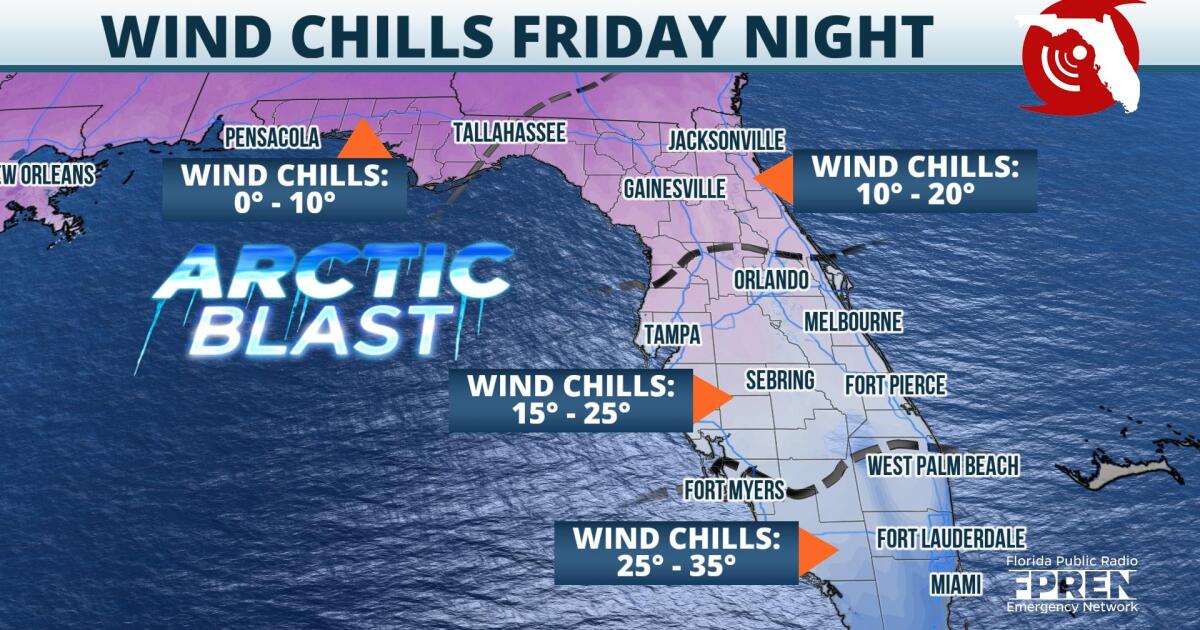
The impact of cold fronts is not uniform across Florida. North Florida and the Panhandle, being closer to the continental landmass and at a higher latitude, experience the most pronounced temperature drops. Here, daytime highs can fall into the 40s and 50s Fahrenheit, and overnight lows can dip below freezing. Central Florida also feels the chill, with daytime temperatures often in the 50s and 60s and occasional freezes in the northernmost parts of the region. South Florida, including cities like West Palm Beach and down into the Keys, is much more insulated from the full force of these fronts. While temperatures will certainly drop from their summer highs, they rarely fall to genuinely cold levels. Daytime highs typically remain in the 60s and 70s Fahrenheit, and freezing temperatures are extremely rare, usually occurring only during exceptionally severe cold snaps. This makes South Florida a reliable destination for those seeking to escape colder weather entirely.
Conclusion: Embracing Florida’s Cooler Charm
While Florida may not boast snow-covered landscapes or the biting winds of a northern winter, its cooler months offer a distinct and highly enjoyable climate. The transition from summer’s intensity to autumn’s embrace, and then to winter’s mild temperament, is a gradual yet noticeable shift. By understanding when these cooler periods typically arrive – with October marking a significant turning point and December through February representing the coolest months, punctuated by cold fronts – visitors and residents can better plan their activities and pack accordingly. Whether you’re drawn to Florida for its sunshine, its attractions, or its relaxed lifestyle, the cooler seasons provide a perfect opportunity to explore the Sunshine State in comfort and style. The crisp air, lower humidity, and pleasant temperatures create an ideal environment for discovering the diverse beauty and vibrant culture that Florida has to offer, making the question of “When Will It Get Colder In Florida?” a gateway to experiencing the state’s multifaceted charm.
LifeOutOfTheBox is a participant in the Amazon Services LLC Associates Program, an affiliate advertising program designed to provide a means for sites to earn advertising fees by advertising and linking to Amazon.com. Amazon, the Amazon logo, AmazonSupply, and the AmazonSupply logo are trademarks of Amazon.com, Inc. or its affiliates. As an Amazon Associate we earn affiliate commissions from qualifying purchases.