
The allure of a snow day, even in the Sunshine State, sparks a curious fascination. While Florida is globally renowned for its sun-drenched beaches, vibrant theme parks, and lush tropical landscapes, the prospect of snow falling on its sandy shores is a rare phenomenon that ignites the imagination. This isn’t just a whimsical notion; it’s a question rooted in meteorology, climate patterns, and a touch of historical anomaly. For those planning a visit to Florida, or for residents who fondly recall past flurries, understanding the likelihood and conditions for snowfall in this subtropical paradise offers a unique perspective on the state’s diverse climate.
The Unlikelihood of a Winter Wonderland: Florida’s Tropical Climate
Florida’s geographical location at the southern tip of the United States fundamentally dictates its climate. Situated within the subtropical and tropical zones, the state experiences long, hot summers and mild winters. The primary driver of this warmth is the proximity to the equator and the moderating influence of the Atlantic Ocean and the Gulf of Mexico. These large bodies of water absorb and release heat slowly, preventing extreme temperature fluctuations that are common in more continental climates.
Temperature Thresholds for Snowfall
For snow to form and accumulate, temperatures need to be at or below freezing (32°F or 0°C) from the cloud level all the way to the ground. In Florida, particularly in the southern half of the state, winter temperatures rarely dip this low. Average January high temperatures across the state are typically in the 60s and 70s Fahrenheit, with overnight lows occasionally dropping into the 40s and 50s. While isolated cold snaps can occur, especially in the Panhandle and northern inland areas, they are often brief and insufficient to create widespread, accumulating snow. The humidity, a constant feature of Florida’s climate, also plays a role. Even when temperatures approach freezing, the air can still hold enough moisture to produce rain rather than snow.
The Influence of Cold Air Masses
The infrequent visits of snow in Florida are almost always a result of powerful intrusions of frigid air masses originating from the north, often associated with strong winter storms or cold fronts. These cold air outbreaks are necessary to overcome the state’s inherent warmth. However, for these cold fronts to bring snow, they must also be accompanied by sufficient atmospheric moisture. This confluence of extremely cold air and ample moisture is a meteorological rarity in Florida, making snowfall events exceptionally infrequent and typically short-lived. The further south one travels in Florida, the less likely these conditions become. Cities like Miami and Fort Lauderdale, with their consistently warm winters, are virtually snow-free zones.
Historical Snowfall Events in Florida: Rare Occurrences
While snow is not a regular feature of the Florida climate, history is dotted with a few remarkable instances of frozen precipitation. These events are often the subject of local legend and cherished memories, highlighting the extraordinary nature of such weather.
The Great Snow of 1977
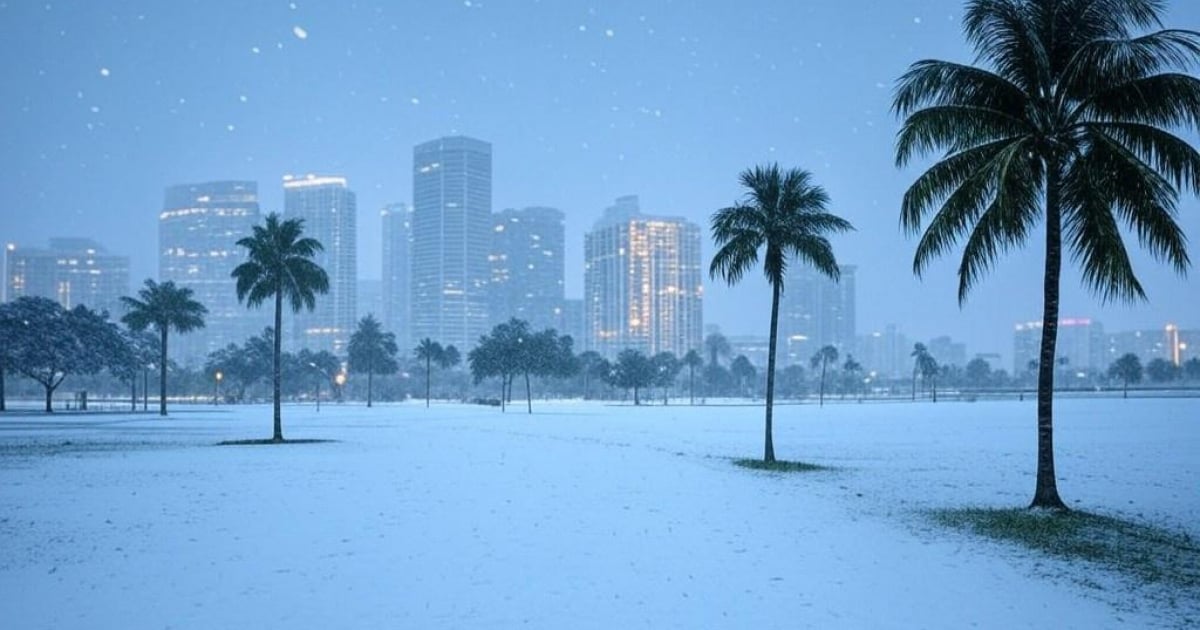
Perhaps the most significant and widely remembered snowfall event in Florida occurred on January 19, 1977. This “Great Snow” brought light snow to much of northern and central Florida, an astonishing sight for residents accustomed to perpetual sunshine. Accumulations were minor, generally less than an inch, and melted quickly in most areas. However, the novelty of seeing snow blanketing palm trees and sandy beaches captivated the state. Even parts of Orlando and Tampa experienced flurries. This event serves as a powerful reminder that even in the most unlikely locations, meteorological conditions can align to produce extraordinary weather.
Other Notable Snowfall Incidents

Beyond 1977, there have been other scattered reports of light snow or sleet in Florida. During the significant cold snap of January 2018, some northern parts of the state, including areas near the Florida Panhandle and coastal regions, saw light snow or a wintry mix. These events are typically confined to the northernmost counties and rarely produce significant accumulations. The sheer rarity of these occurrences means that many Floridians, especially younger generations or those in the southern half of the state, may never witness snow fall in their lifetime. The memory of past snowfalls often fuels the ongoing curiosity about when, or if, such an event might grace the state again.
Factors Influencing Future Snowfall Likelihood
Predicting future snowfall in Florida requires an understanding of broader climate patterns and potential shifts due to climate change. While local weather can be unpredictable, long-term climatic trends provide some insights.
Climate Change and its Potential Impact
The impact of climate change on Florida’s climate is a complex subject with varying projections. While the state is expected to experience rising temperatures and sea levels, the effect on snowfall is not as straightforward. Some climate models suggest that while overall temperatures will increase, making snow less likely, there could be an increase in the intensity of extreme weather events. This could potentially lead to more potent cold air outbreaks, which, if combined with sufficient moisture, could theoretically increase the chances of infrequent snow. However, the prevailing scientific consensus points towards a general warming trend, which would reduce the overall probability of snow. The delicate balance required for snowfall in Florida means that even a slight increase in average winter temperatures could significantly decrease the frequency of such events.
The Role of Global Weather Patterns
Florida’s weather is intrinsically linked to large-scale atmospheric circulation patterns. The behavior of the jet stream, for instance, plays a crucial role in directing cold air masses southward. Shifts in these global patterns, influenced by factors like El Niño and La Niña, can impact the frequency and intensity of cold snaps in North America. A stronger or more southerly-positioned jet stream can increase the likelihood of cold air reaching Florida. However, as global temperatures rise, the overall dynamics of these patterns are also subject to change, making precise long-term predictions challenging. The scientific community continues to study these complex interactions to better understand future climate scenarios for regions like Florida.
Experiencing Florida’s Unique Winter
Even without snow, Florida offers a unique winter experience that draws millions of visitors. The cooler temperatures provide a welcome respite from the summer heat, making it an ideal time for outdoor activities and exploring the state’s diverse attractions.
Winter Tourism in the Sunshine State
Florida’s winter months, typically from November through April, are its peak tourist season. The mild weather is perfect for exploring attractions like Walt Disney World Resort, Universal Orlando Resort, and SeaWorld Orlando. It’s also prime time for enjoying the pristine beaches of the Gulf Coast and the Atlantic Coast, from the lively shores of South Beach in Miami to the tranquil sands of Clearwater Beach. For nature enthusiasts, winter offers a fantastic opportunity to explore the unique ecosystem of the Everglades National Park or the diverse wildlife in areas like the Ocala National Forest. The absence of extreme heat and humidity makes activities like golfing, cycling, and boating particularly enjoyable.

Embracing the “Cool” Side of Florida
While the dream of a snowy Florida might persist, the reality is that the state’s charm lies in its warm climate and abundant sunshine. Visitors and residents can embrace the “cool” side of Florida by enjoying its numerous outdoor festivals, vibrant cultural scenes in cities like St. Augustine and Savannah (just a short drive away), and the relaxed pace of life that winter allows. The state’s infrastructure, from luxurious resorts like the Ritz-Carlton Orlando to charming bed and breakfasts, is geared towards providing comfortable and enjoyable experiences year-round. Instead of waiting for the improbable snow, visitors can revel in the warmth, explore the natural beauty, and experience the vibrant culture that makes Florida a perennial favorite destination. The true magic of a Florida winter lies not in frozen precipitation, but in its enduring sunshine and vibrant life.
LifeOutOfTheBox is a participant in the Amazon Services LLC Associates Program, an affiliate advertising program designed to provide a means for sites to earn advertising fees by advertising and linking to Amazon.com. Amazon, the Amazon logo, AmazonSupply, and the AmazonSupply logo are trademarks of Amazon.com, Inc. or its affiliates. As an Amazon Associate we earn affiliate commissions from qualifying purchases.