
For many travelers envisioning a winter escape, the idea of snow often conjures images of cozy cabins, crackling fires, and pristine white landscapes. However, for those planning a trip to the Sunshine State, the question “When will it snow in Florida?” reveals a delightful paradox. While renowned for its perpetually warm weather and abundant sunshine, the thought of snow in Florida is less a meteorological expectation and more a rare, historical curiosity. Understanding Florida’s unique climate is paramount for any traveler, shaping expectations for winter activities, packing lists, and overall trip planning.
Florida’s Subtropical Climate: A Traveler’s Expectation
Florida’s allure as a top travel destination stems primarily from its enviable climate. Positioned largely within a subtropical zone, with its southern tip entering a tropical climate, the state is defined by mild winters and hot, humid summers. This geographical reality is the primary reason why snow is an anomaly rather than an annual occurrence. Travelers arriving between December and February, expecting a traditional “winter,” will instead find pleasant, often warm, conditions ideal for outdoor adventures and beach relaxation.
The Rarity of Snowfall
The conditions required for snow are quite specific: temperatures must be at or below freezing throughout the entire atmospheric column from the clouds to the ground. In Florida, even when air temperatures at ground level dip below freezing, the upper atmosphere often remains too warm for snow crystals to form and persist. What might occasionally fall is usually a flurry, graupel, or ice pellets that melt almost immediately upon contact with the relatively warm ground or air. For most of the state, especially the central and southern regions, the average winter temperature hovers well above freezing, making true snowfall an exceedingly rare event.
What Winter Truly Means in the Sunshine State
Instead of snow, travelers to Florida during winter can anticipate clear skies, lower humidity, and comfortably warm days. In Orlando, the average high in January is around 70°F (21°C), while in Miami, it’s closer to 76°F (24°C). Northern Florida, including cities like Jacksonville and Tallahassee, experiences slightly cooler temperatures, with occasional cold fronts bringing lows into the 40s or 30s Fahrenheit (4-9°C), but rarely sustained freezing conditions. These mild temperatures make winter an ideal time to visit, avoiding the intense heat and humidity of summer while still enjoying all the state has to offer.
Historical Snow Events: A Glimpse into the Unlikely
While rare, snow has indeed graced parts of Florida throughout history, often making headlines due to its sheer unlikelihood. These events are often cataloged not just as meteorological data but as unique cultural moments, remembered by residents for decades.
Notable Occurrences and Their Impact on Travel
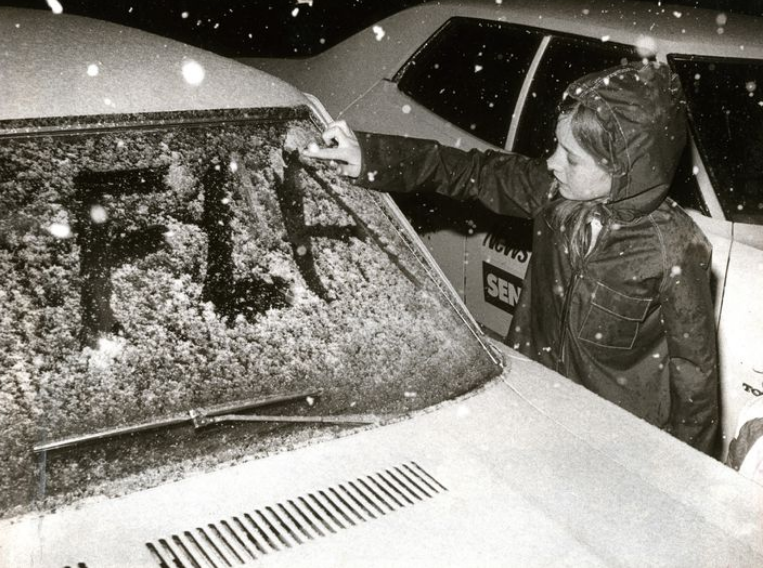
The most widespread snowfall in Florida’s recorded history occurred on January 19, 1977. Snow fell across a vast swath of the state, extending as far south as Miami Beach. While accumulations were generally light, measuring only a few inches in the northern and central parts and dusting in the south, the event caused considerable excitement and some disruption. Tourists, accustomed to tropical warmth, found themselves witnessing a spectacle few would have ever predicted. Photos from that day show palm trees lightly dusted with white, an iconic juxtaposition.
Other notable events include:
- February 13, 1899: The “Great Arctic Outbreak” brought significant snowfall to northern and central Florida, with reports of several inches as far south as Tampa.
- December 22, 1989: A severe cold snap blanketed much of North Florida in snow, even causing Walt Disney World Resort to open late for the first and only time in its history due to freezing rain.
- January 8, 2010: Light snow flurries were observed in several central Florida cities, including Orlando, creating a buzz among residents and tourists alike.
- January 3, 2018: Parts of northern Florida, particularly Tallahassee, received measurable snowfall, enough to close schools and roads temporarily, an almost unheard-of occurrence for the state capital.
These events, while memorable, underscore the fact that snow in Florida is an exception, not the rule. Travelers should not plan their trip around the hope of seeing snow, as the odds are overwhelmingly against it.
Why Snow Is So Elusive

The primary reason for snow’s elusiveness in Florida is its latitude. The state’s proximity to the equator means it receives more direct sunlight throughout the year, keeping ocean temperatures relatively warm. Even during winter cold fronts, the air masses typically warm up significantly as they pass over the Gulf of Mexico and the Atlantic Ocean before reaching Florida’s landmass. Furthermore, the land itself tends to retain heat, making ground temperatures resistant to sustained freezing. This combination of factors creates a natural barrier against widespread or prolonged snowfall, maintaining Florida’s status as a warm-weather haven.
Preparing for a Florida Winter Trip: What to Pack and Expect
Travelers should adjust their expectations for a Florida winter. Instead of heavy coats and snow boots, think layers, light jackets, and plenty of sunscreen. The travel experience during these months is often considered prime season, offering a comfortable alternative to the often scorching summers.
Beyond the Beach: Diverse Winter Activities
While beach days are still very much on the agenda, Florida’s mild winters open up a host of other activities that might be less comfortable in the summer heat.
- Theme Parks: Walt Disney World Resort and Universal Orlando Resort are delightful during winter, with pleasant temperatures for walking and shorter lines at attractions outside of holiday peak weeks.
- Outdoor Adventures: Explore natural springs, go kayaking or paddleboarding, or hike in state parks like Myakka River State Park or Everglades National Park without the intense humidity. Winter is also prime time for wildlife viewing, particularly for manatees seeking warmer waters.
- Golf and Tennis: Florida boasts thousands of golf courses and tennis facilities, which are in peak condition during the dry, cool winter months. Destinations like Palm Beach and Naples are particularly renowned for their winter sports offerings.
- Cultural Exploration: Wander through historic districts in St. Augustine, the nation’s oldest city, or explore the vibrant art scenes of Sarasota and South Florida. The cooler weather makes urban exploration much more enjoyable.
Where to Experience the “Coldest” Florida
For travelers hoping for a brush with truly cooler temperatures, focusing on North Florida can increase the odds. Cities like Pensacola, Tallahassee, and Jacksonville, being closer to the continental United States, are more susceptible to cold fronts. While still unlikely to see snow, these areas can experience frosty mornings and daytime temperatures in the 50s and 60s Fahrenheit (10-18°C), providing a distinctly different “winter” feel than the perpetually warm southern tip of the state, such as Key West.
Experiencing Winter Wonders in Florida (Without Snow)
Even without snow, Florida transforms into a magical destination during the winter months, offering unique experiences that celebrate the season in its own subtropical way.
Festive Decorations and Holiday Events
Throughout December and early January, Florida’s cities and attractions sparkle with festive cheer. Theme parks like Walt Disney World Resort and Universal Orlando Resort host spectacular holiday events, parades, and light displays that attract visitors from around the globe. Coastal towns light up their marinas with boat parades, and historic areas, like St. Augustine’s Nights of Lights, become enchanting spectacles. These events provide a “winter wonderland” feel without the need for actual snow, creating a vibrant and joyful atmosphere perfect for family travel or romantic getaways.
Nature’s Winter Spectacles (Manatees, Bird Migration)
Winter in Florida is a prime time for nature enthusiasts. As Gulf and ocean waters cool, gentle manatees seek refuge in Florida’s warmer natural springs and power plant discharge areas. Observing these magnificent creatures in their natural habitat at places like Crystal River or Blue Spring State Park is an unforgettable experience. Furthermore, Florida becomes a crucial stopover and wintering ground for numerous migratory bird species, making it a birdwatcher’s paradise. The clear, crisp air enhances visibility, providing excellent opportunities for photography and wildlife spotting in various state parks and wildlife refuges across the state.

Theme Parks During the Cooler Months
Visiting Florida’s world-famous theme parks during the cooler months offers a distinctly improved experience. The lower temperatures make walking long distances and waiting in outdoor queues far more comfortable than in the summer. Many parks also offer special holiday programming and decorations, enhancing the festive atmosphere without the crowds of peak summer or spring break periods (though major holidays like Christmas and New Year’s still draw large numbers). Attractions like Busch Gardens Tampa Bay also embrace the holiday spirit with unique events, providing another layer of appeal for travelers seeking a magical winter escape without the chill of snow.
In conclusion, while the prospect of snow in Florida remains an intriguing fantasy for many, the reality of a Florida winter offers its own unique and highly desirable travel experiences. From comfortably exploring world-class attractions to witnessing incredible wildlife and enjoying festive holiday celebrations under sunny skies, Florida truly excels as a winter destination, even without a single snowflake.
LifeOutOfTheBox is a participant in the Amazon Services LLC Associates Program, an affiliate advertising program designed to provide a means for sites to earn advertising fees by advertising and linking to Amazon.com. Amazon, the Amazon logo, AmazonSupply, and the AmazonSupply logo are trademarks of Amazon.com, Inc. or its affiliates. As an Amazon Associate we earn affiliate commissions from qualifying purchases.