
For many, the image of New York City is synonymous with the classic winter postcard: thick, white flakes falling over Central Park and glowing streetlights reflecting off the slushy pavement of Fifth Avenue. However, determining exactly when the city will see its first dusting or a transformative blizzard is an exercise in both meteorological patience and urban anticipation. As climate patterns shift, the traditional windows for snowfall in the Big Apple have become increasingly dynamic, making a trip to the city during the winter months a thrilling gamble for snow lovers.

Understanding the New York City Winter Climate
The timing of snowfall in New York is dictated by a complex interplay of Atlantic moisture, Arctic air masses, and the unique heat-island effect generated by the dense infrastructure of Manhattan.
The Historical Window for First Snowfalls
Historically, the city often records its first measurable snowfall—defined as 0.1 inches or more—sometime in early to mid-December. While late November can occasionally surprise residents with a light flurry, sustained cold fronts usually need to establish themselves across the Northeast before snow sticks to the ground in the five boroughs. December serves as the gateway month where the transition from late autumn chill to true winter sets in, though it is rarely the month for the city’s heaviest accumulation.
The Peak Snow Months
If your goal is to experience a deep, picturesque landscape, mid-January through February is statistically the most reliable period. During these months, the “Nor’easter” weather pattern often develops, drawing moisture from the Atlantic Ocean and colliding it with freezing air rushing down from Canada. These storms are responsible for the most significant accumulations, often blanketing landmarks like The Metropolitan Museum of Art and the iconic Brooklyn Bridge in a stunning, silent white coat.
Why Timing Your Visit Is a Strategic Art
Traveling to see snow in United States metropolitan hubs requires a balance of flexibility and realistic expectation. Because New York City is a coastal environment, temperature fluctuations can be extreme. A morning that starts with heavy snowfall can turn into a cold rain by the afternoon as wind directions shift.
Planning for the “Magic” Factor
To maximize your chances of catching a snow-covered Times Square or Rockefeller Center, travelers should look toward the period between January 15 and February 20. While December is undeniably festive with holiday lights, the snow is not guaranteed. By January, the “New Year” lull in tourism often results in better hotel availability and more serene viewing of snow-dusted sights like the Empire State Building.

Meteorological Nuances
It is essential to understand that snow in the city often arrives in “bursts.” Unlike the consistent powder found in the Rocky Mountains, city snow is ephemeral. It is often plowed rapidly by the Department of Sanitation, meaning the “pristine white” window may only last a few hours after the flakes stop falling. If you are visiting specifically for photography or atmosphere, being in the city during a mid-week storm offers a much more intimate experience than the crowded weekends.
Maximizing the Winter Travel Experience
When the forecast confirms an impending storm, New York City transforms into a uniquely cozy destination. Whether you are a local or a visitor, knowing how to navigate the snowy landscape enhances the experience significantly.
Top Spots for Snow Viewing
If a winter storm hits during your stay, prioritize visiting the city’s expansive outdoor spaces. The High Line offers a unique vantage point to see the city’s architecture muted by falling snow. Similarly, Bryant Park becomes incredibly atmospheric, with the ice rink providing a central focus for snow-filled activity. Walking through the New York Botanical Garden during a light snowfall is perhaps the closest one can get to a pastoral escape within the concrete jungle.
Preparedness for Travelers
- Footwear Matters: The combination of snow and city salt creates a slushy environment. Waterproof boots are not optional; they are a necessity for navigating Lower Manhattan comfortably.
- Layering Strategy: While the outdoors will be freezing, indoor spaces like Grand Central Terminal or various cafes will be highly heated. Use a modular layering system that allows you to adjust to these frequent temperature transitions.
- Public Transit Reliance: During significant snow events, surface traffic on the streets of Queens or The Bronx can come to a standstill. Relying on the underground New York City Subway is the most efficient way to maintain your itinerary when the weather turns inclement.
The Cultural Impact of a Winter Storm
There is a distinct “snow culture” in the city that is worth observing. When the flakes begin to fall, the frenetic pace of Wall Street seems to slow down. Local coffee shops become filled with people seeking warmth, and there is a shared, quiet camaraderie among those braving the elements to witness the transformation of the urban landscape.
A Photographer’s Playground
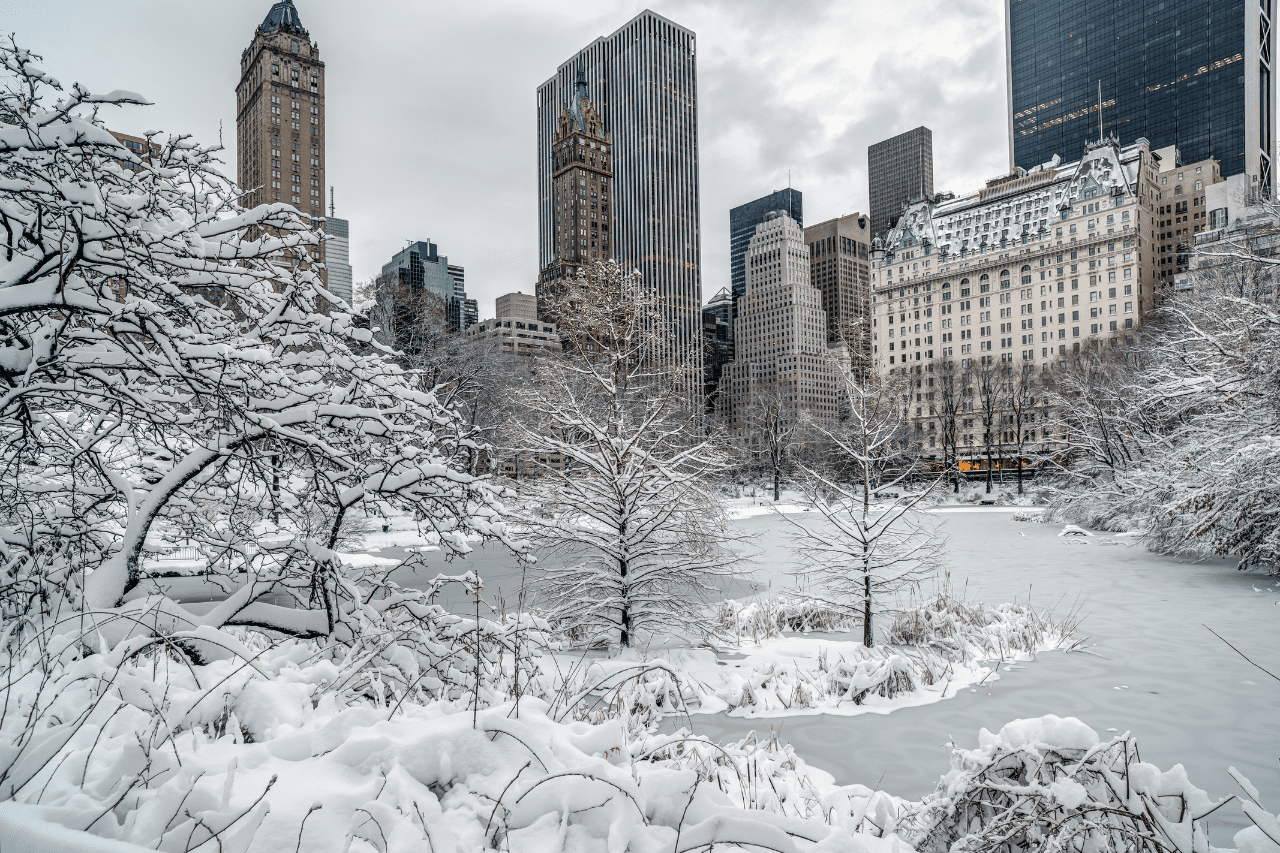
For those visiting with cameras, the time immediately following a snowfall is the “Golden Hour” of winter photography. The contrast of the orange glow from traditional lamps against the white drifts in Washington Square Park provides an unparalleled aesthetic. Because the city is so dense, the shadows and light play differently in the snow compared to open-country landscapes, creating silhouettes and textures that define the unique look of a New York winter.
Embracing the Cold
Ultimately, predicting when it will snow in New York City remains an imperfect science, but that uncertainty is part of the charm. Whether you catch a massive blizzard that shuts down the roads or a light, swirling dusting that highlights the gargoyles of St. Patrick’s Cathedral, the presence of snow elevates the city’s energy. It forces a pause, a moment of stillness in a place known for never sleeping. When you finally see that first flake land on your coat while standing near the Statue of Liberty, you understand why so many visitors make the pilgrimage in search of the elusive, perfect New York winter day. Pack your warmest coat, keep your eyes on the long-range forecasts, and be ready to embrace the magic whenever the clouds finally decide to deliver.
LifeOutOfTheBox is a participant in the Amazon Services LLC Associates Program, an affiliate advertising program designed to provide a means for sites to earn advertising fees by advertising and linking to Amazon.com. Amazon, the Amazon logo, AmazonSupply, and the AmazonSupply logo are trademarks of Amazon.com, Inc. or its affiliates. As an Amazon Associate we earn affiliate commissions from qualifying purchases.