
Texas, a state renowned for its vast landscapes, vibrant culture, and legendary hospitality, often conjures images of scorching summers and balmy winters. However, this perception, while not entirely inaccurate, misses the nuanced beauty of its changing seasons. For those planning a Texas adventure, whether for leisure, a family trip, or a discerning business stay, understanding the ebb and flow of its climate is crucial for crafting the perfect itinerary. When can you expect those crisp mornings and comfortably cool evenings that define autumn in the Lone Star State? Let’s delve into the seasonal shifts and discover when Texas truly begins to embrace the chill.
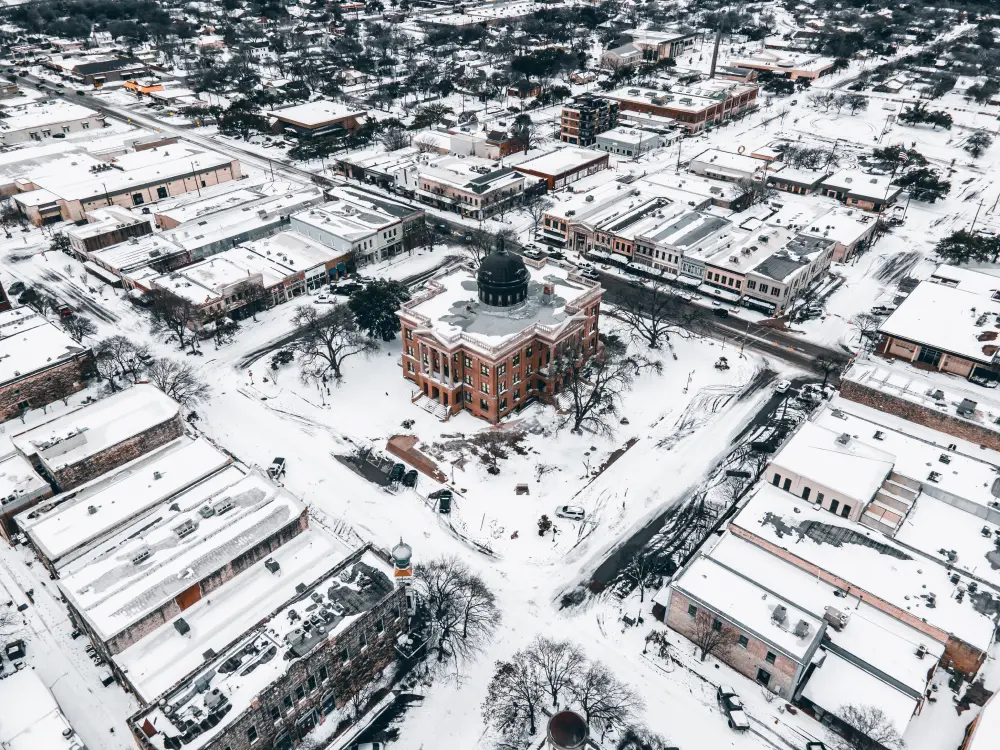
The anticipation of cooler weather in Texas is a sentiment shared by many. While the state boasts a generally warm climate, the transition from the oppressive heat of summer to the more pleasant temperatures of fall is a welcome change. This shift is not uniform across the entire state; Texas’s sheer size means that regional variations play a significant role in determining precisely when the “cold” truly arrives. From the piney woods of East Texas to the arid expansiveness of West Texas, each region experiences its own unique seasonal calendar.
The Nuances of Texas Autumn: A Tale of Two Seasons
Texas autumn is often a tale of two distinct phases. The first part of fall, particularly in September and early October, can still feel remarkably like summer. Days can remain hot, especially in the southern and western parts of the state. However, as October progresses, a noticeable change begins to sweep across Texas. This is when the magic of autumn truly begins to unfold.
The Gradual Embrace of Cooler Temperatures
The official start of autumn, typically around the autumnal equinox in late September, doesn’t immediately signal a drastic drop in temperature across Texas. Instead, the transition is a gradual one, influenced by atmospheric patterns and geographical location.
September: A Lingering Summer’s Grasp
In September, most of Texas is still under the influence of summer heat. Average daytime temperatures can hover in the high 80s to low 90s Fahrenheit, particularly in cities like Houston, Dallas, and San Antonio. The humidity, a characteristic of East Texas summers, can also persist. While nights might offer a slight reprieve, the overall feeling is still very much summer-like. This is a prime time for enjoying outdoor activities like exploring the San Antonio River Walk or visiting Galveston Island, but one should still pack for warm weather.
October: The Turning Point
October marks the significant turning point. By mid-October, temperatures across much of Texas begin to moderate noticeably. Average high temperatures often drop into the 70s Fahrenheit, and nights can become pleasantly cool, frequently dipping into the 50s. This is when the quintessential autumn experience in Texas starts to emerge. The air loses its heavy humidity, and a refreshing crispness begins to define the mornings and evenings. This is an ideal period for visiting attractions like Big Bend National Park or exploring the historic streets of Austin. For those seeking outdoor adventures, this is a prime time for hiking and camping in regions like the Texas Hill Country.
November: The Arrival of Genuine Cold
By November, “cold” in Texas takes on a more definitive meaning. While widespread snow and freezing temperatures are rare for most of the state, the month brings the potential for genuine cool weather, especially in the northern and western parts. Daytime highs can average in the 60s Fahrenheit, and nighttime lows can frequently drop into the 40s. Frost becomes a more common occurrence in some areas, particularly inland and at higher elevations. This is the time when light jackets and sweaters become essential, and cozy nights by a fireplace in a charming Texas Hill Country bed and breakfast become a cherished experience. For travelers, this means packing layers to adapt to the fluctuating temperatures.
Regional Variations: Where and When to Expect the Cold
The vastness of Texas means that its climate is far from monolithic. The timing and intensity of the cooler seasons can vary significantly from the Gulf Coast to the Panhandle. Understanding these regional differences is key for anyone planning a trip or a longer stay.
North Texas: Early Signs of Autumn
North Texas, including metropolitan areas like Dallas-Fort Worth, tends to experience the onset of cooler weather earlier than the southern parts of the state. By late September, you can often feel a subtle shift, and by mid-October, crisp autumn air is a regular feature. The humidity of summer dissipates, making outdoor activities like exploring Fort Worth’s Stockyards National Historic District or enjoying the Dallas Arboretum and Botanical Garden exceptionally pleasant. November in North Texas can bring quite cool temperatures, with highs often in the 60s and lows in the 40s, making it a good time for enjoying indoor attractions or well-heated accommodations.

Central Texas: A Mellow Transition
The Texas Hill Country and the Austin metropolitan area experience a more mellow transition into autumn. September can still be quite warm, but October brings a noticeable decrease in temperatures. The rolling hills become a picturesque backdrop for fall foliage, although the vibrant, dramatic displays seen in more northern states are less common. Instead, Texas offers a subtler beauty of changing hues. By November, Central Texas enjoys pleasant, cool days, perfect for exploring wineries, attending outdoor festivals, or enjoying the vibrant music scene in Austin.
South Texas: A Delayed Cool Down
South Texas, including cities like San Antonio and Corpus Christi, often holds onto its summer warmth the longest. September and even early October can still be very hot, with temperatures regularly in the 90s Fahrenheit. The first real sense of autumn chill may not be felt until late October or even early November. Even then, temperatures are milder compared to the rest of the state, with highs often in the 70s and lows in the 50s. This makes South Texas an attractive destination for those seeking to escape earlier cold snaps, but it also means that the “cold” season is significantly shorter and less pronounced.
West Texas: Arid Air and Sharp Temperature Swings
West Texas, characterized by its arid climate and higher elevations, experiences some of the most dramatic temperature swings. While summer days can be intensely hot, autumn nights can become surprisingly chilly very early on. By late September, evenings in areas like El Paso or near Big Bend National Park can already be cool enough for a light jacket. October and November bring consistently cooler temperatures, with significant drops after sunset. This region offers a different kind of autumn experience, with clear, starry nights and a stark, beautiful landscape that takes on a unique charm in the cooler months.
Preparing for the Texas Chill: Packing and Planning
Understanding when Texas starts to get cold is only half the battle. Knowing how to prepare for it makes all the difference in enjoying your trip. Whether you’re booking a luxury stay at a resort like the The Broadmoor (though this is in Colorado, a hypothetical Texas equivalent might be a luxury resort in the Hill Country) or a budget-friendly apartment, packing smart is essential.
Layering: The Key to Texas Fall Comfort
The most effective strategy for navigating Texas in the fall is layering. Mornings can be cool, afternoons pleasantly warm, and evenings can become quite brisk, especially in the northern and western parts of the state.
- Light Layers: Pack t-shirts, long-sleeved shirts, and light sweaters or fleeces. These can be easily added or removed as the temperature fluctuates throughout the day.
- Outerwear: A medium-weight jacket, such as a denim jacket, a light windbreaker, or a fashionable bomber jacket, is ideal for most of October and November. If you’re venturing into West Texas or North Texas in late November, a slightly warmer coat might be advisable.
- Bottoms: Jeans, comfortable trousers, and even shorts for the warmer days are all suitable.
- Footwear: Comfortable walking shoes are a must, as you’ll likely be doing a lot of exploring. Consider bringing a pair of slightly warmer shoes or boots for cooler evenings.
- Accessories: A light scarf can add warmth and style to an outfit during cooler mornings. A hat might be useful for both sun protection during warmer afternoons and for added warmth on chilly evenings.
Accommodations: Finding Your Cozy Retreat
When booking your accommodation, consider the time of year and your destination.
- Hotels and Resorts: Many hotels and resorts in Texas offer climate-controlled environments, ensuring comfort regardless of the outdoor temperature. Look for amenities like indoor pools or cozy lounges, especially if you’re visiting during a cooler spell. Many upscale resorts in the Texas Hill Country provide fireplaces and comfortable seating areas perfect for a relaxing evening.
- Vacation Rentals and Apartments: For longer stays or family trips, renting an apartment or villa can provide a home-away-from-home feel. Ensure the property has adequate heating systems, especially if you’re traveling in November.
- Bed and Breakfasts: For a more intimate and charming experience, consider a Texas bed and breakfast, particularly in historic towns like Galveston or within the Texas Hill Country. Many of these offer a cozy ambiance, often with fireplaces and home-cooked breakfasts, perfect for a crisp autumn morning.

Activities: Embracing the Seasonal Charm
The cooler weather opens up a world of possibilities for experiencing Texas.
- Outdoor Adventures: Hiking in Big Bend National Park, exploring the Texas Hill Country wineries, visiting San Antonio Missions National Historical Park, or enjoying a picnic in Houston’s Hermann Park become far more enjoyable without the intense summer heat.
- Cultural Exploration: This is a fantastic time to wander through historic districts like Galveston’s Strand, explore museums in Dallas or Fort Worth, and enjoy the vibrant outdoor music scene in Austin.
- Festivals and Events: Many of Texas‘s renowned festivals and outdoor events, from state fairs to Oktoberfests and holiday markets, take place during the fall, benefiting from the more temperate climate.
In conclusion, while Texas is often associated with its long, hot summers, the arrival of autumn brings a welcome change. From the subtle shifts in September to the genuine chill of November, and with regional variations dictating the exact timing, understanding these seasonal dynamics allows for a richer and more comfortable experience of the Lone Star State. So, when will it start getting cold in Texas? It’s a gradual embrace, beginning in earnest in October and solidifying in November, transforming the landscape and offering a perfect opportunity to explore its diverse attractions in perfect comfort.
LifeOutOfTheBox is a participant in the Amazon Services LLC Associates Program, an affiliate advertising program designed to provide a means for sites to earn advertising fees by advertising and linking to Amazon.com. Amazon, the Amazon logo, AmazonSupply, and the AmazonSupply logo are trademarks of Amazon.com, Inc. or its affiliates. As an Amazon Associate we earn affiliate commissions from qualifying purchases.