
Florida, the “Sunshine State,” is renowned for its year-round warmth and vibrant atmosphere. For many travelers and residents, the allure of the gentle breezes and less intense sun is a significant factor in planning visits or simply managing daily life. While Florida is synonymous with heat, understanding its seasonal temperature shifts is crucial for maximizing enjoyment and comfort. This article delves into the nuances of Florida’s climate, specifically addressing when visitors and locals can anticipate a reprieve from the peak summer heat and what to expect during the cooler months.

Understanding Florida’s Climate Zones and Seasons
Florida’s elongated shape and proximity to the Atlantic Ocean and the Gulf of Mexico create a diverse microclimate. Generally, the state experiences a subtropical to tropical climate, characterized by hot, humid summers and mild winters. However, there are distinct regional differences. Northern Florida, particularly areas around Jacksonville and the Panhandle, experiences more pronounced seasonal changes, with cooler winters than the southern tip of the state, such as Miami or the Florida Keys.
The Summer Peak: When Heat Dominates
From late May through September, Florida is firmly in the grip of its summer heat. This period is characterized by high temperatures, often reaching the high 80s and low 90s Fahrenheit (around 30-33°C), coupled with oppressive humidity. The “feels like” temperature, due to humidity, can frequently exceed 100°F (38°C). This is also the season for afternoon thunderstorms, which offer temporary, albeit brief, relief from the heat and humidity. These storms are a hallmark of Florida’s summer, often dramatic and intense but typically short-lived. The high sun angle and extended daylight hours contribute to the consistent warmth. For those sensitive to heat, this is generally not the prime time to explore the state’s outdoor attractions extensively without strategic planning.
The Transition: Autumn’s Gentle Approach
The most significant shift towards cooler weather typically begins in October. As the sun’s angle decreases and the humidity starts to recede, Florida experiences a noticeable change.
October: The First Whispers of Autumn
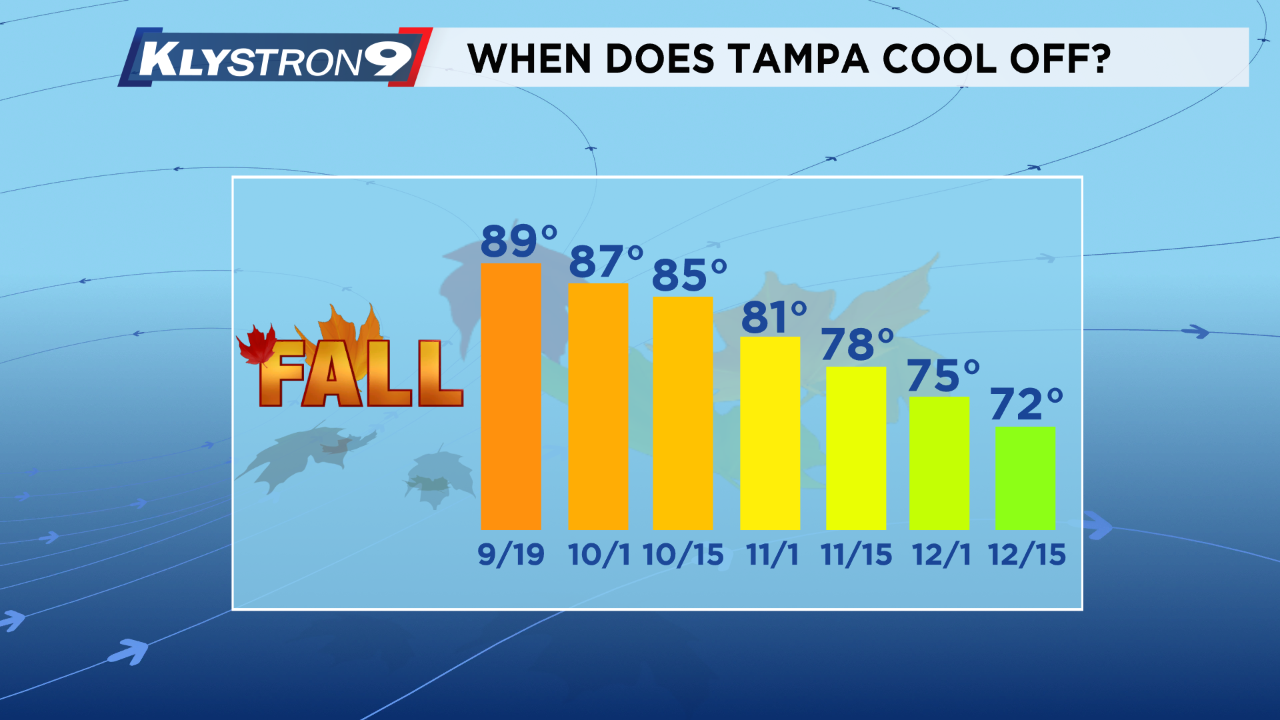
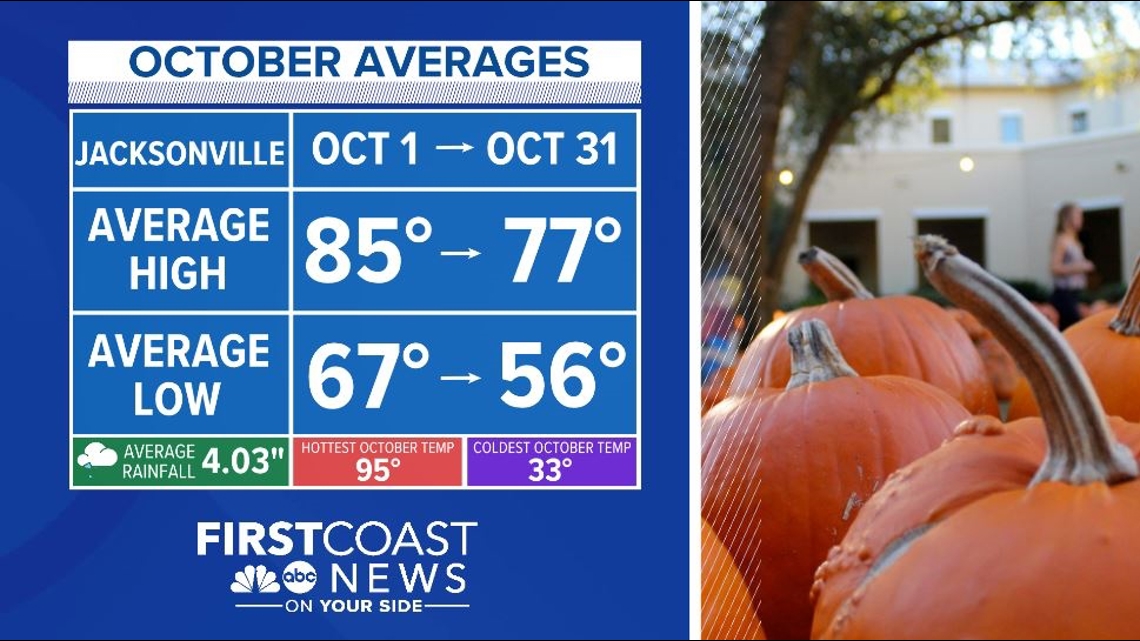
October is often considered the “shoulder season” where the intense heat of summer begins to wane. While daytime temperatures can still be warm, frequently in the mid-80s Fahrenheit (around 29°C), the evenings and mornings offer a distinctly more comfortable, cooler air. Humidity levels drop considerably, making outdoor activities much more pleasant. This makes October a fantastic month for exploring attractions like Walt Disney World Resort or the beaches of Clearwater without the overwhelming sweltering conditions. The risk of severe thunderstorms also diminishes, though occasional showers are still possible.
November: Embracing the Fall Breeze
By November, Florida truly begins to feel like it’s cooling down. Daytime highs typically settle into the 70s Fahrenheit (21-26°C) across much of the state, with northern regions experiencing cooler temperatures, especially at night, potentially dipping into the 50s Fahrenheit (10-15°C). This is a prime time for outdoor enthusiasts to visit places like Everglades National Park or enjoy golf courses without the intense heat. The air is crisp, the humidity is low, and the sunshine is bright but less scorching. This month marks the beginning of what many consider Florida’s most desirable weather for a broad range of activities.
The Coolest Months: Florida’s Winter Charm
December through February represent Florida’s coolest period, though “cool” in Florida terms is relative to the rest of the year and often considered mild by northern standards.
December and January: The Heart of Winter
These months bring the most significant temperature drop. Average daytime highs generally range from the 60s to low 70s Fahrenheit (15-22°C). However, cold fronts can occasionally sweep through, bringing temperatures into the 50s Fahrenheit (10-15°C) or even lower, particularly in northern Florida. Freezing temperatures are rare but can occur overnight in the northern parts of the state. The Gulf Coast, like Tampa, often experiences slightly milder winters than the Atlantic coast. This is an ideal time for visiting theme parks, exploring cities like St. Augustine, or simply enjoying the many outdoor festivals and events that flourish in the pleasant weather. The water in the ocean is often too cool for swimming for most people, but beachcombing and enjoying the coastal scenery remain popular.
February: A Hint of Spring’s Return
February still offers winter-like conditions, but the days begin to noticeably lengthen, and the sun’s warmth starts to increase. While still comfortably cool, temperatures gradually climb, with daytime highs often reaching the low to mid-70s Fahrenheit (22-24°C). The likelihood of cold snaps diminishes, and the overall atmosphere begins to shift, hinting at the approach of spring. This transition period is also excellent for enjoying outdoor activities before the humidity and heat of summer begin to build again.
Factors Influencing the Cool Down
Several meteorological phenomena contribute to Florida’s seasonal temperature fluctuations.
The Role of Cold Fronts
The most significant driver of cooler temperatures in Florida, especially from late autumn through winter, is the passage of cold fronts originating from North America. These fronts are characterized by a mass of colder, drier air that pushes southward. When a strong cold front moves through Florida, it can bring a rapid drop in temperature, lower humidity, clear skies, and brisk winds. The intensity and frequency of these fronts dictate how “cool” a particular period will be. Northern Florida is more directly impacted by these fronts, experiencing more dramatic temperature drops than southern Florida.
Shifting Humidity Levels
Humidity plays a crucial role in how hot Florida feels. During the summer months, high humidity traps heat and makes the air feel stifling. As autumn progresses, prevailing wind patterns shift, and the influx of drier air masses from the north leads to a significant reduction in humidity. This decrease in moisture makes even warm temperatures feel far more comfortable and less oppressive. The lower humidity is often more noticeable and appreciated than the actual drop in air temperature.
Daylight Hours and Solar Angle
The seasonal variation in daylight hours and the angle of the sun directly impacts the amount of solar radiation reaching the Earth’s surface. During summer, days are long, and the sun is high in the sky, leading to consistent heating. As winter approaches, days shorten, and the sun’s rays hit at a more oblique angle, reducing the intensity of solar heating. This natural astronomical phenomenon contributes to the overall cooling trend.
Planning Your Florida Experience Around the Cool Down
Understanding when Florida cools down can significantly enhance your travel or lifestyle plans.
Ideal Times for Outdoor Activities
For those who prefer to avoid extreme heat and humidity, the period from mid-October through April is generally considered the most pleasant time to visit Florida. This window offers comfortable temperatures perfect for exploring attractions such as Universal Orlando Resort, visiting the historic streets of Key West, enjoying outdoor cafes, hiking in nature preserves, or simply lounging on the beach without the intense sun.
Traveling During Peak Season vs. Shoulder Season
The “cool down” months, particularly December through March, also coincide with peak tourist season, especially around holidays like Christmas and spring break. This means higher prices for accommodations and flights, as well as larger crowds at popular attractions. For travelers seeking a balance of pleasant weather and fewer crowds, the shoulder seasons of late October to mid-December and late January to early March can offer the best of both worlds.
Residents’ Perspective on Cooler Weather
For Florida residents, the arrival of cooler weather is a welcome change, signaling a period of outdoor activity and enjoyment. It allows for more comfortable exploration of local parks, festivals, and everyday life without the need for constant air conditioning or seeking shade. The slightly cooler evenings are perfect for outdoor dining and evening strolls.
In conclusion, while Florida is celebrated for its warmth, a distinct cooling period does occur. This transition begins in October, solidifies through November, and peaks from December to February, offering a comfortable and enjoyable climate for a wide range of activities before the heat and humidity gradually return with the spring. Planning your visit or daily life around these seasonal shifts will ensure you experience the best of the Sunshine State.
LifeOutOfTheBox is a participant in the Amazon Services LLC Associates Program, an affiliate advertising program designed to provide a means for sites to earn advertising fees by advertising and linking to Amazon.com. Amazon, the Amazon logo, AmazonSupply, and the AmazonSupply logo are trademarks of Amazon.com, Inc. or its affiliates. As an Amazon Associate we earn affiliate commissions from qualifying purchases.