
As the mercury consistently climbs and the relentless sun beats down, many residents and visitors alike begin to ponder the age-old Texas question: “When will it start to cool down?” This isn’t just a casual musing; for a state renowned for its sweltering summers, understanding the seasonal shift is crucial for planning everything from outdoor adventures to simply enjoying a comfortable day. Texas’s climate is a tapestry woven with extremes, and its transition from the heat of summer to the more temperate embrace of autumn is a highly anticipated event.
Understanding Texas’s Climate Patterns
Texas experiences a diverse range of climates, primarily influenced by its vast size and proximity to different geographical features. The eastern and southern parts of the state generally fall under a humid subtropical climate, characterized by hot, humid summers and mild winters. The western and northern regions, however, lean towards a more semi-arid or even arid climate, with hotter summers, colder winters, and significantly less rainfall. This geographical variation means that the “cool down” can manifest differently across the Lone Star State.
The Role of Gulf Moisture
One of the primary drivers of Texas’s summer heat and humidity is the influx of moisture from the Gulf of Mexico. This warm, moist air contributes to the oppressive feeling that often accompanies high temperatures, making it feel even hotter than the thermometer might indicate. The persistence of these southerly winds is a key factor in how long the heat lingers.
Prevailing Weather Systems
The transition to cooler weather is often dictated by the arrival of cooler, drier air masses from the north or northwest. These cold fronts, as they are colloquially known in Texas, are the harbingers of change. Their frequency and intensity can vary significantly from year to year, impacting the timing and duration of the cooling trend. When these fronts are strong and push further south, they can bring a dramatic drop in temperatures, often accompanied by wind and rain.
The Typical Timeline for Autumn’s Arrival
While Texas summers can feel interminable, meteorologists and seasoned residents generally point to a predictable, albeit somewhat broad, timeline for when the most intense heat begins to recede. This isn’t an abrupt switch but a gradual transition.
Late August and Early September: A Glimmer of Hope
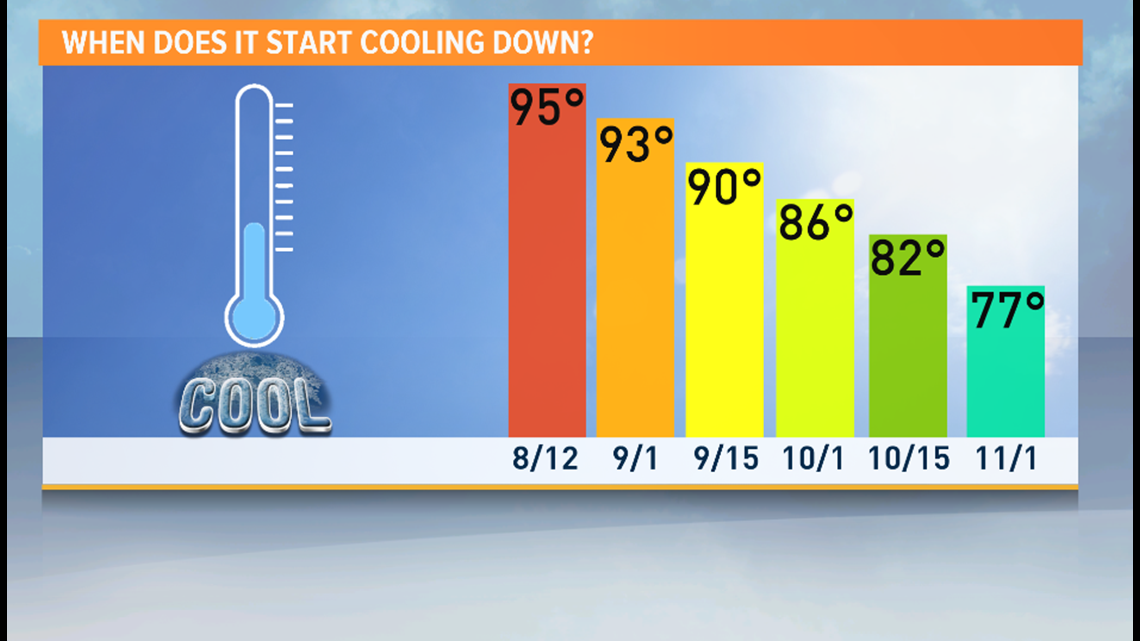
By late August and into early September, there’s often a subtle shift in the air. While daytime temperatures can still soar into the triple digits, the nights may start to offer a bit more relief. This period is characterized by a slight decrease in humidity in some regions, making the heat feel a touch less oppressive. It’s during this time that the first whispers of autumn begin to circulate.
Mid to Late September: The First Real Signs
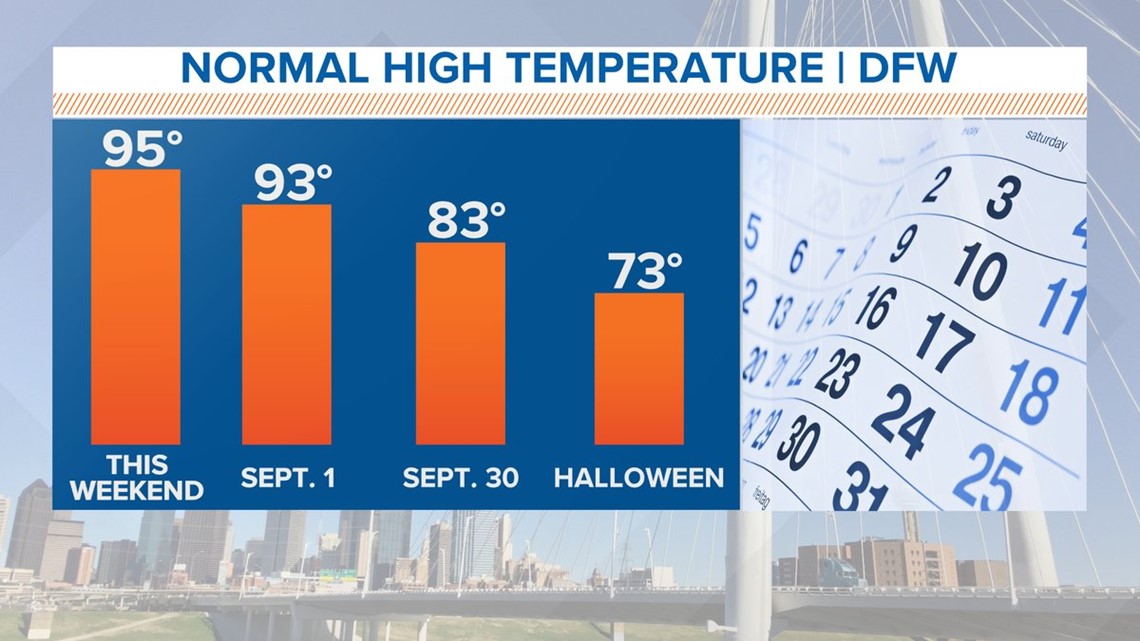
The most significant and noticeable cooling typically begins in earnest in mid to late September. This is when the frequency of significant cold fronts increases. These fronts can bring cooler temperatures, lower humidity, and the welcome scent of fall. For many, this is the unofficial start of autumn, even if the calendar still marks it as summer. Cities like Dallas and Fort Worth often experience a noticeable drop in average temperatures during this period.
October and November: The True Autumnal Embrace
By October, Texas weather is usually much more pleasant. Daytime highs in many parts of the state are comfortably in the 70s and 80s Fahrenheit, with cooler nights becoming the norm. This is prime time for outdoor activities and exploring the state’s many attractions without the overwhelming heat. November often solidifies this shift, bringing even cooler temperatures and the crispness associated with fall. The Texas Hill Country becomes particularly appealing during these months, with its rolling landscapes and charming small towns.
Factors Influencing the Cool Down
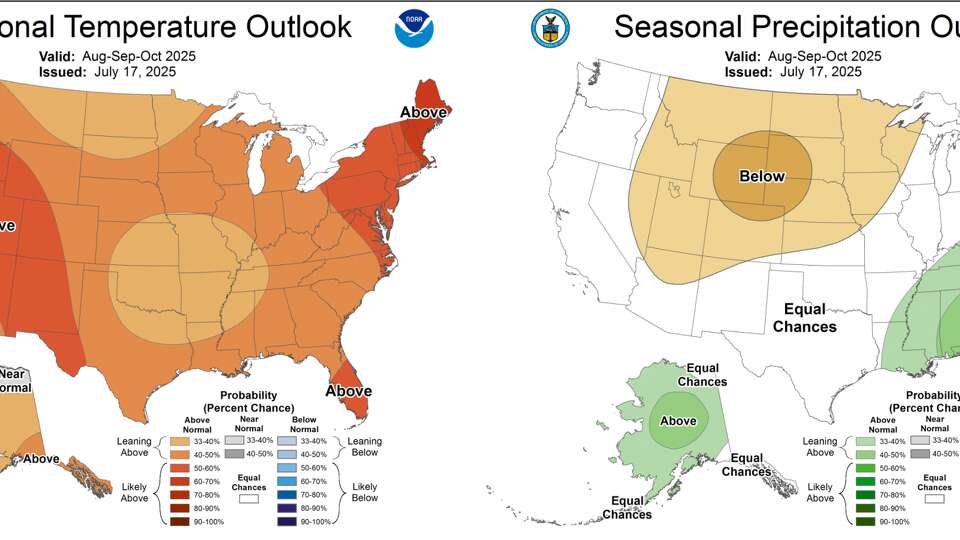
Several variables can influence when the heat breaks and autumn truly settles in. Understanding these factors can help in predicting the seasonal shift.
El Niño and La Niña Cycles
Global weather patterns, such as El Niño and La Niña (ENSO cycles), can have a significant impact on Texas weather. During El Niño years, Texas may experience a wetter and cooler fall and winter. Conversely, La Niña can lead to warmer and drier conditions. These cycles can subtly alter the timing and intensity of the seasonal transition.
Atmospheric Rivers and Upper-Level Ridges
The presence or absence of strong atmospheric rivers can influence precipitation patterns, which in turn can affect temperatures. Similarly, persistent upper-level ridges of high pressure can trap hot air over the state, prolonging the heat. The weakening of these ridges is a critical component of the eventual cool down.
The Intensity of the Polar Vortex
While more directly associated with winter weather, the behavior of the polar vortex can sometimes influence the strength and trajectory of cold air masses that eventually reach Texas. A more volatile polar vortex can lead to more unpredictable weather patterns, potentially bringing earlier or more intense cold snaps, or conversely, keeping the cold air further north.
Planning Your Texas Adventures Around the Seasons
Knowing when the temperatures are likely to moderate is key to maximizing your enjoyment of the Lone Star State. Texas offers a wealth of experiences that are best enjoyed when the oppressive summer heat has subsided.
Experiencing Texas Cities in Comfort
While cities like Austin and Houston are vibrant year-round, the cooler months of fall and spring offer a far more comfortable experience for urban exploration. Walking tours of historic districts, exploring outdoor markets, and enjoying al fresco dining become significantly more appealing when temperatures are in the 70s and 80s. The fall foliage in some parts of East Texas also adds a picturesque element to city visits.
Outdoor Recreation and Natural Wonders
For those drawn to the natural beauty of Texas, the period from September through November is ideal. Hiking in Big Bend National Park, exploring the state parks like Enchanted Rock State Natural Area, or enjoying water activities on the coast before the water becomes too chilly are all best undertaken when the extreme heat has passed. The cooler temperatures also make it more pleasant to visit popular attractions like the San Antonio River Walk without the need to constantly seek shade.
Fall Festivals and Events
Texas comes alive with festivals and events during the fall. From the State Fair of Texas in Dallas to numerous harvest festivals and Oktoberfests across the state, these celebrations are a direct result of the cooling weather. Planning a trip around these events allows visitors to immerse themselves in local culture and enjoy the festive atmosphere that accompanies the arrival of autumn. The milder temperatures are perfect for enjoying the outdoor entertainment and culinary delights these festivals offer.
When to Expect Relief: A Summary
In conclusion, while the exact date can fluctuate, Texans can generally anticipate the most intense summer heat beginning to subside in late August and early September. The more significant and noticeable cooling, driven by the arrival of cold fronts, typically kicks in around mid to late September. By October and November, the state is firmly in the grip of autumn, offering pleasant temperatures ideal for a wide range of activities and exploration. Monitoring weather forecasts and understanding the typical climatic patterns will allow you to best plan your Texas adventures, ensuring you experience the Lone Star State at its most comfortable and enjoyable.
LifeOutOfTheBox is a participant in the Amazon Services LLC Associates Program, an affiliate advertising program designed to provide a means for sites to earn advertising fees by advertising and linking to Amazon.com. Amazon, the Amazon logo, AmazonSupply, and the AmazonSupply logo are trademarks of Amazon.com, Inc. or its affiliates. As an Amazon Associate we earn affiliate commissions from qualifying purchases.