
The allure of a New York winter, dusted with a fresh blanket of snow, is a perennial draw for visitors and a celebrated spectacle for residents. From the iconic Central Park transformed into a winter wonderland to the twinkling lights of Times Square reflecting off snowy pavements, the city takes on a magical, almost cinematic, quality. Understanding when this transformation typically begins is crucial for those planning winter getaways, seeking specific winter activities, or simply wanting to experience the quintessential New York snowy landscape. While precise dates are as elusive as a quiet moment in the city, meteorological patterns and historical data offer valuable insights.

Understanding Winter’s Arrival in the Empire State
Winter in New York is a season defined by its dramatic shifts in weather. The transition from autumn’s crisp air to the deep chill of winter is a gradual process, often marked by fluctuating temperatures and unpredictable precipitation. For snow enthusiasts, the question isn’t just if it will snow, but when the first significant snowfall will grace the city and surrounding areas. This anticipation is a significant factor for a range of tourism-related activities, influencing everything from booking travel dates to packing the right gear.
The Science of Snowfall
Snowfall, at its core, is a meteorological phenomenon dependent on a delicate balance of atmospheric conditions. For snow to form and reach the ground, several key elements must align:
- Moisture: The atmosphere must contain sufficient water vapor to form clouds and precipitation.
- Cold Temperatures: The temperature in the clouds where snow crystals form must be at or below freezing (0°C or 32°F).
- Freezing Temperatures to the Ground: Critically, the air temperature from the cloud base all the way to the ground must also remain at or below freezing. If the air near the surface is too warm, snowflakes will melt before they reach the ground, resulting in rain or sleet.
- Atmospheric Instability: For significant snowfall, there often needs to be a degree of atmospheric instability that allows for the lifting and cooling of air parcels, leading to cloud formation and precipitation.
In the context of New York, these conditions are most frequently met during the months of December, January, and February. However, early or late season snow events are not unheard of, adding an element of delightful surprise for many.
Factors Influencing Snowfall Timing
Several geographical and atmospheric factors contribute to the timing and intensity of snowfall in New York:
- Latitude and Proximity to Water: New York City‘s coastal location plays a role. While the Atlantic Ocean can moderate temperatures, it also can be a source of moisture for developing storm systems, potentially leading to significant snow if other conditions are right. Further upstate, areas like the Adirondacks experience more pronounced continental winter weather, with colder temperatures and heavier snowfalls.
- Jet Stream Position: The position and strength of the jet stream, a fast-flowing air current high in the atmosphere, are pivotal. A southward-dipping jet stream can bring frigid arctic air masses into the Northeastern United States, creating the necessary cold temperatures for snow.
- Storm Tracks: The specific paths that low-pressure systems, often referred to as “nor’easters” when they move up the East Coast, take are crucial. A storm that tracks just offshore can deliver heavy snow inland, while one tracking further inland might bring more rain or a wintry mix.
Historical Snowfall Patterns in New York City
Examining historical data provides a valuable benchmark for when to expect the first snow in New York City. While averages are useful, it’s important to remember that actual snowfall can vary significantly from year to year.
The Average First Snowfall
On average, New York City typically sees its first measurable snowfall (defined as at least 0.1 inches) in late November or early December. However, this is a broad average. Some years can experience snow as early as October, a rare but memorable event, while others might wait until well into December or even January for the first flakes to accumulate.
Notable Early and Late Snow Events
- Early Snows: The most exceptional early snowfalls can occur in late October or early November. For instance, a significant storm in October 2011 brought heavy, wet snow to the region, causing widespread power outages and impressive accumulations in parts of the Northeast, though typically not in the heart of Manhattan.
- Late Snows: Conversely, some winters can be remarkably mild, delaying the first significant snowfall until January. These occurrences can be frustrating for those anticipating a classic snowy winter but can also be a blessing for businesses reliant on milder conditions during the early holiday season.
Quantifying Snowfall: Inches and Frequency
The amount of snow New York City receives annually is also variable. The average annual snowfall for Central Park is around 25 inches. However, this average masks a wide range of variability. Some winters are characterized by multiple moderate snowfalls, while others might experience one or two major blizzards that account for a significant portion of the season’s total. The frequency of snow days (days with at least 0.1 inches of snow) is also an important metric for planning. These tend to be more common in January and February.
Planning Your Winter Visit to New York
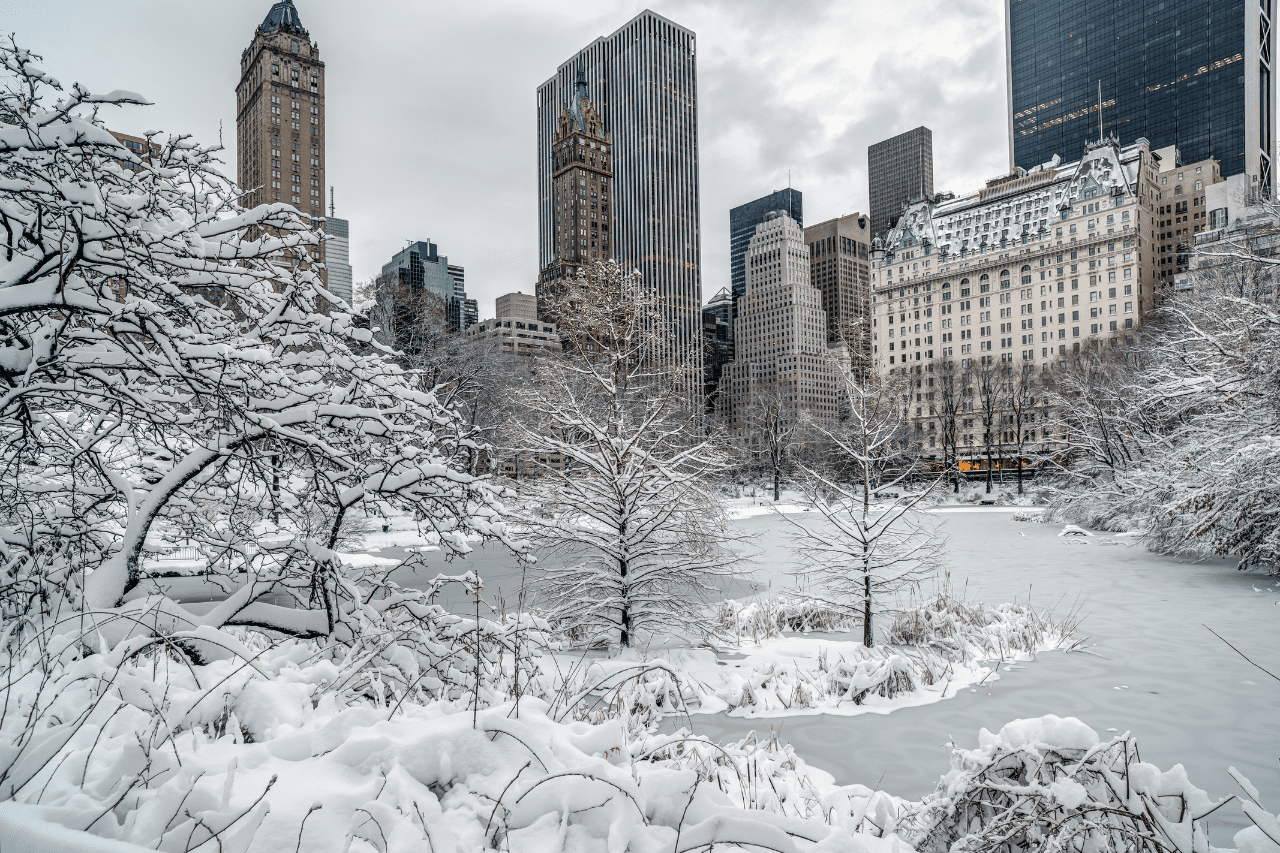
For travelers aiming to experience the magic of a snowy New York, timing is everything. Knowing the typical snow season can help shape your itinerary and enhance your visit.
Ideal Times for a Snowy Experience
If witnessing snow is a primary goal for your New York trip, the period from mid-December through February generally offers the highest probability.
- Mid-December to Early January: This period often coincides with the first significant snowfalls of the season. The city is still adorned with holiday decorations, creating a festive and picturesque atmosphere. Imagine strolling through Bryant Park or watching skaters at the Rockefeller Center rink with a light dusting of snow – a truly iconic scene.
- Late January to February: These months are typically the coldest and most prone to heavier snow events. While less festive in terms of holiday decorations, these periods offer the best chance for substantial snow cover, making activities like snowball fights in Central Park or building snowmen a distinct possibility.
Activities Enhanced by Snowfall
A snowy New York opens up a unique set of activities and experiences that are simply not possible during other seasons.
- Winter Strolls through Iconic Landmarks: Imagine walking through the snow-draped pathways of Central Park, with the city skyline peeking through bare trees. The High Line, usually a vibrant green space, takes on an ethereal beauty under a blanket of snow.
- Ice Skating: Several outdoor ice rinks, most famously at Rockefeller Center and Bryant Park, become even more enchanting with a snowy backdrop. The Wollman Rink in Central Park also offers stunning views of the Manhattan skyline.
- Cozy Café and Museum Visits: After a day exploring in the cold, nothing beats ducking into a warm, inviting café for hot chocolate or visiting one of New York’s world-class museums, such as the Metropolitan Museum of Art or the American Museum of Natural History, to escape the chill.
- Photography Opportunities: The visual transformation of New York under snow is unparalleled. The stark contrast of white snow against the city’s architecture, illuminated by streetlights, offers incredible photographic potential.
Practical Tips for a Snowy Trip
- Check Forecasts Regularly: While historical data provides a guide, actual snowfall is weather-dependent. Keep a close eye on weather forecasts as your travel dates approach.
- Pack Appropriately: Warm, waterproof layers are essential. This includes a good winter coat, hat, gloves, scarf, and waterproof boots. Thermal undergarments will also be your best friend.
- Book Accommodations Wisely: Consider hotels or rentals that offer easy access to public transportation, as navigating the city can be slower during snowy conditions. Many hotels offer package deals that include winter activities.
- Be Prepared for Transportation Delays: Snowstorms can impact air travel and local transit. Build some flexibility into your schedule. The MTA (Metropolitan Transportation Authority) generally operates through snow, but delays can occur.
- Embrace the Unexpected: Sometimes, the most magical New York experiences happen when you least expect them. Be open to spontaneous adventures and enjoy the unique beauty that a snowy cityscape offers.
Beyond the City: Snowfall in Upstate New York
While New York City experiences its share of winter charm, the further north you travel within the state, the more pronounced and reliable the snowfall becomes. For those seeking a more robust winter sports experience or a true escape into a snow-covered landscape, upstate New York is the place to be.
The Adirondack Mountains and Snow Sports
The Adirondack Mountains, a vast wilderness area in upstate New York, are synonymous with winter. This region receives significantly more snowfall than the city, making it a premier destination for skiing, snowboarding, snowshoeing, and cross-country skiing.
- Ski Resorts: Destinations like Lake Placid, home to two Winter Olympics, and areas around Ticonderoga boast numerous ski resorts and trails. The season here typically begins earlier, often in late November or early December, and extends well into March.
- Snowfall Totals: Annual snowfall in the higher elevations of the Adirondacks can easily exceed 60-100 inches, providing consistent snow cover for winter activities.
Other Upstate Snow Destinations
- Catskill Mountains: Located closer to New York City, the Catskill Mountains also offer excellent opportunities for winter sports and scenic beauty. Resorts like Hunter Mountain and Windham Mountain are popular choices.
- Finger Lakes Region: While known for its wineries, the Finger Lakes region also experiences winter weather, with opportunities for snowshoeing and cross-country skiing around its frozen lakes and rolling hills.

Timing Your Upstate Winter Adventure
For upstate adventures, the window for snow is broader.
- Early Season (Late November – December): This is when resorts begin opening, and the landscape starts to transform. It’s a good time for those who want to be among the first on the slopes.
- Peak Winter (January – February): This period guarantees the most consistent and deepest snow cover, ideal for all winter activities.
- Late Season (March): While the snow may begin to melt in lower elevations, higher resorts often still offer excellent skiing and snowboarding conditions.
Planning a trip to New York with the hope of experiencing snow requires an understanding of meteorological patterns and historical trends. Whether you dream of a snowy Central Park or the vast, snow-covered peaks of the Adirondacks, the beauty of a New York winter awaits. By consulting weather forecasts and understanding the typical seasonal patterns, you can increase your chances of experiencing this magical facet of the Empire State.
LifeOutOfTheBox is a participant in the Amazon Services LLC Associates Program, an affiliate advertising program designed to provide a means for sites to earn advertising fees by advertising and linking to Amazon.com. Amazon, the Amazon logo, AmazonSupply, and the AmazonSupply logo are trademarks of Amazon.com, Inc. or its affiliates. As an Amazon Associate we earn affiliate commissions from qualifying purchases.