
The vibrant, soul-stirring city of New Orleans is a paradox. It’s a place synonymous with life, with music that spills onto the streets, flavors that ignite the palate, and a history as rich and layered as its famous praline. Yet, lurking beneath this effervescent surface is a stark reality: the city is sinking, and the rising Atlantic Ocean is steadily encroaching. The question “When will New Orleans be underwater?” isn’t a morbid fascination; it’s a pressing concern for its residents, its visitors, and the global community invested in preserving such a unique cultural gem.
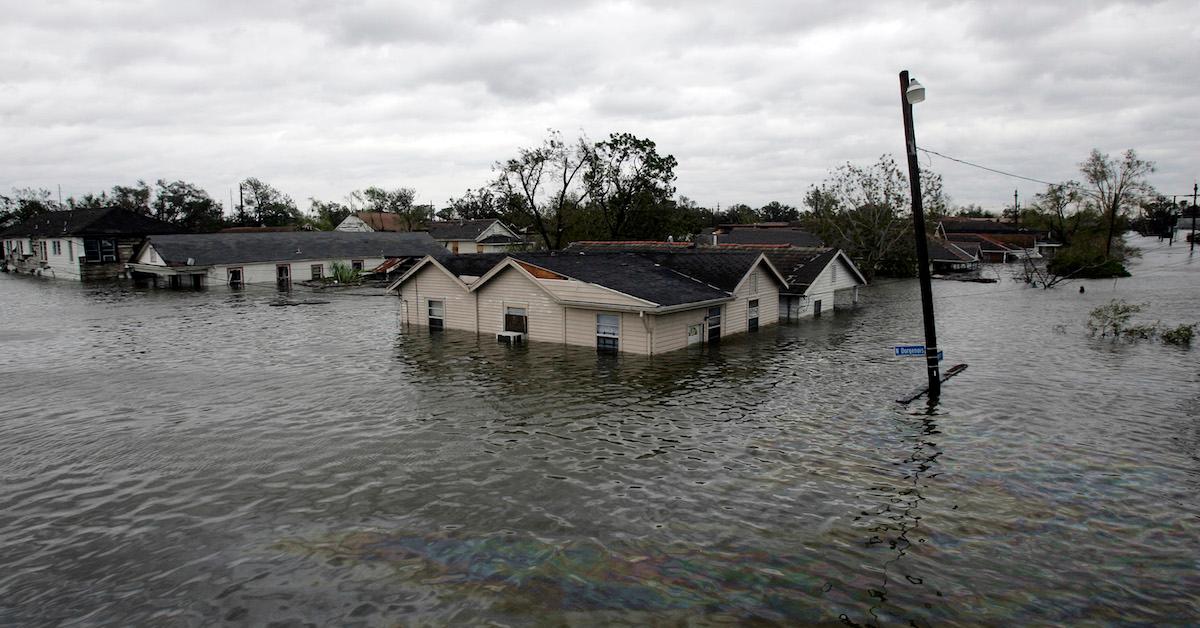
This existential threat is a complex interplay of natural geological processes and human-induced environmental changes. New Orleans sits precariously in the Mississippi River Delta, a region built on layers of sediment deposited over millennia by the mighty Mississippi River. This land is naturally subsiding, a process exacerbated by the widespread draining of Louisiana’s vital wetlands. These wetlands act as natural sponges and buffers, absorbing floodwaters and stabilizing the coastline. As they disappear, the city becomes more vulnerable to both land loss and storm surges.
Adding to this natural vulnerability is the accelerating pace of climate change. Global warming is causing sea levels to rise worldwide, and the Gulf Coast is experiencing this phenomenon at an even faster rate than many other coastal regions. The combination of sinking land and rising seas creates a double threat that shrinks the habitable areas of New Orleans and amplifies the destructive potential of hurricanes.
The Sinking City: Understanding Land Loss
The very foundation of New Orleans is slowly giving way. The land it occupies is not solid rock but a deltaic formation, a vast accumulation of silt and mud that has been compacting and subsiding for centuries. This natural process, known as subsidence, is an intrinsic characteristic of deltaic environments. However, human activities have dramatically accelerated this phenomenon, turning a slow geological shift into a critical crisis.
The Role of the Mississippi River and Wetlands
Historically, the Mississippi River was the lifeblood of the delta, constantly replenishing the land with new sediment. Levees and dams, while essential for controlling floods and enabling development, have disrupted this natural process. By confining the river and preventing it from spilling over its banks and depositing sediment, we’ve starved the wetlands of their vital nourishment. This has led to widespread wetland degradation and loss.
The Louisiana coast loses football-field-sized areas of land every hour. These wetlands are more than just beautiful landscapes; they are a crucial natural defense system. They absorb storm surge, filter water, and provide critical habitats for an astonishing array of wildlife. Their erosion means less protection for inland communities, including New Orleans, from the increasingly powerful storms brewing in the Gulf of Mexico. The loss of these natural barriers is a direct contributor to the city’s vulnerability to flooding, both from storm surges and from the ingress of saltwater into freshwater ecosystems.
Human Infrastructure and its Impact
The development of New Orleans itself has also played a role in its subsidence. The extraction of oil and gas from beneath the delta has caused significant land loss through subsidence and the creation of a vast network of canals that allow saltwater to penetrate inland, killing vegetation and accelerating erosion. Moreover, the compaction of soil due to urbanization, the draining of marshes for construction, and the pumping of groundwater all contribute to the city sinking further into the sea.
The Rising Tide: Climate Change and Sea Level Rise
While land subsidence is a significant factor, the global phenomenon of sea level rise, driven by climate change, is an equally formidable threat to New Orleans. The Intergovernmental Panel on Climate Change (IPCC) has repeatedly warned about the accelerating rate of global sea level rise, and coastal cities like New Orleans are on the front lines of this crisis.

Global Warming’s Impact on Oceans
The primary drivers of sea level rise are the thermal expansion of ocean water as it warms and the melting of glaciers and ice sheets in polar regions. As the planet’s average temperature increases, the oceans absorb a significant portion of this heat, causing the water to expand. Simultaneously, the colossal ice masses in places like Greenland and Antarctica are melting at unprecedented rates, adding vast quantities of freshwater to the oceans. This combination is causing sea levels to climb, and the effects are particularly pronounced along the US Gulf Coast.
Amplified Vulnerability on the Gulf Coast
The Gulf Coast is disproportionately affected by sea level rise due to a combination of factors, including land subsidence and ocean currents. Studies have shown that sea levels are rising faster in this region than the global average. This means that the protective wetlands that once buffered New Orleans are now being inundated more frequently, and storm surges are reaching further inland with greater destructive power. The iconic beauty of the French Quarter, the historic charm of the Garden District, and the vibrant energy of the Frenchmen Street nightlife are all under threat.
The Future of New Orleans: Adaptation and Resilience
The question of “When will New Orleans be underwater?” is not easily answered with a specific date. Projections vary widely depending on future emission scenarios and the success of adaptation efforts. However, the scientific consensus is clear: without significant intervention, parts of the city will become increasingly uninhabitable, and some areas may eventually be permanently submerged.
Engineering and Infrastructure Solutions
The city and its partners are not passively waiting for this future. A multi-pronged approach is underway, focusing on both engineered solutions and natural restoration. The Post-Katrina Hurricane Protection System, a massive network of levees, floodwalls, and pumps, significantly improved the city’s defenses against storm surges following the devastation of Hurricane Katrina. Ongoing projects aim to strengthen and expand this system, while also exploring innovative approaches like elevating homes and critical infrastructure.
However, engineered solutions alone are not enough. The long-term survival of New Orleans hinges on the restoration of its natural defenses. Massive projects are underway to rebuild the Louisiana wetlands, using techniques such as sediment diversions from the Mississippi River to recreate marshes and barrier islands. These efforts aim to slow down land loss, buffer the coastline, and restore the ecological integrity of the delta.

Community and Cultural Preservation
Beyond engineering and environmental restoration, the resilience of New Orleans lies in its people and its vibrant culture. The city has a long history of overcoming adversity, from yellow fever epidemics to devastating hurricanes. This spirit of endurance, coupled with a deep connection to place, fuels the determination to adapt and thrive.
Discussions about the future of New Orleans often involve challenging conversations about managed retreat from the most vulnerable areas, alongside investments in making other parts of the city more resilient. This might involve changes to building codes, promoting sustainable development practices, and fostering a deeper understanding of flood risk among residents and visitors.
For travelers, understanding this complex situation adds another layer to the experience of visiting New Orleans. It means appreciating the city not just for its music, food, and history, but also for its tenacious spirit in the face of an undeniable environmental challenge. Supporting local businesses, engaging with the community, and learning about the ongoing efforts to protect this unique American city are all ways to be a conscious and respectful visitor. The future of New Orleans is uncertain, but its spirit remains indomitable, a testament to the enduring power of culture and community in the face of profound environmental change. The city is a living, breathing example of adaptation, a place where past, present, and a precarious future converge in a symphony of resilience.
LifeOutOfTheBox is a participant in the Amazon Services LLC Associates Program, an affiliate advertising program designed to provide a means for sites to earn advertising fees by advertising and linking to Amazon.com. Amazon, the Amazon logo, AmazonSupply, and the AmazonSupply logo are trademarks of Amazon.com, Inc. or its affiliates. As an Amazon Associate we earn affiliate commissions from qualifying purchases.