
The prospect of New York City disappearing beneath the waves is no longer the sole domain of science fiction thrillers. As global temperatures rise and polar ice caps retreat, the iconic skyline of the “Big Apple” faces a precarious future. For travelers and historians who cherish the architectural marvels and the storied geography of this coastal metropolis, the question is not just one of environmental science, but of how the city’s identity as a global maritime landmark will evolve in the coming century.
The Geography of Risk in the Five Boroughs
New York City is defined by its relationship with the water. From the historic shores of Lower Manhattan to the expansive coastlines of Queens and Brooklyn, the city’s very foundation is at stake. Rising sea levels, coupled with the increased intensity of storm surges, threaten to reshape the map of the region.
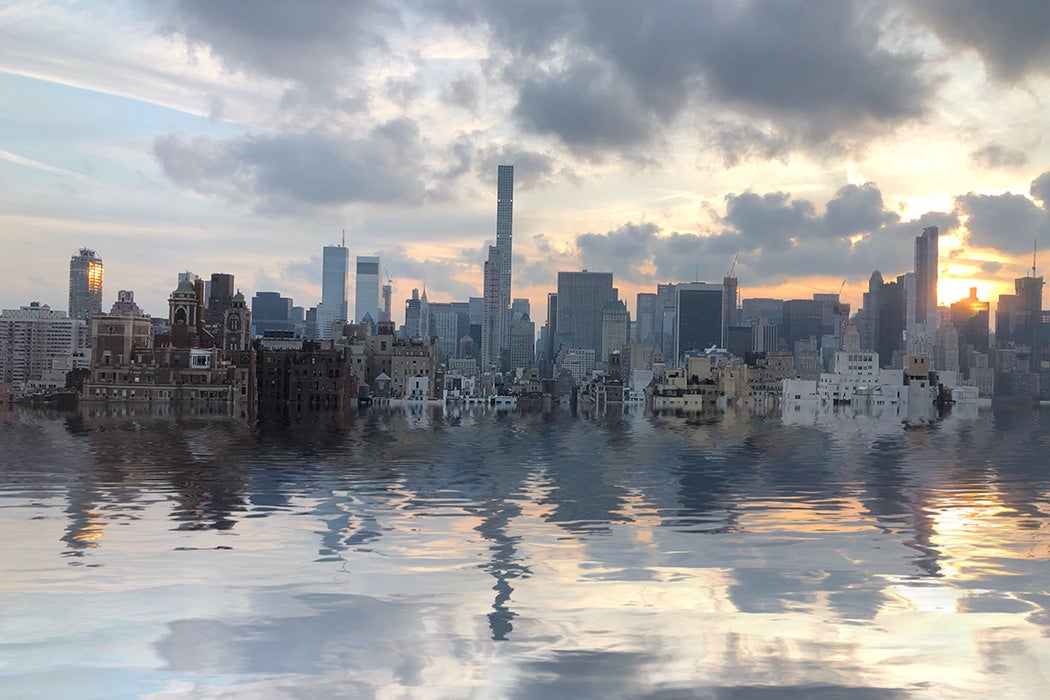
The Vulnerability of Lower Manhattan
The financial and historical heart of the city, Lower Manhattan, sits at a low elevation, making it particularly susceptible to tidal flooding. Landmarks such as Battery Park and the Financial District are already undergoing extensive retrofitting. Architects and urban planners are currently debating the efficacy of massive seawalls and “living shorelines” designed to keep the Atlantic Ocean at bay. For the casual visitor, these construction projects are becoming a standard part of the urban landscape, signaling a permanent change in how we interact with the city’s perimeter.
Coastal Neighborhoods and Barrier Islands
Beyond the high-rises, the outer boroughs face even steeper challenges. The Rockaways in Queens and Coney Island in Brooklyn act as the city’s front line against the sea. These areas, which have historically served as playgrounds and summer retreats, are experiencing increased erosion and structural damage. The survival of these communities depends on ongoing beach replenishment and the fortification of dune systems, initiatives that attempt to hold back the tide while maintaining the recreational character of these historic shorelines.
Engineering a Resilient Future
The city is not standing idly by as the tides creep higher. A massive, multi-billion-dollar effort, often referred to as the East Side Coastal Resiliency Project, is underway. This initiative seeks to integrate flood protection into public parkland, transforming the way Manhattan connects to the East River.
Architectural Adaptation
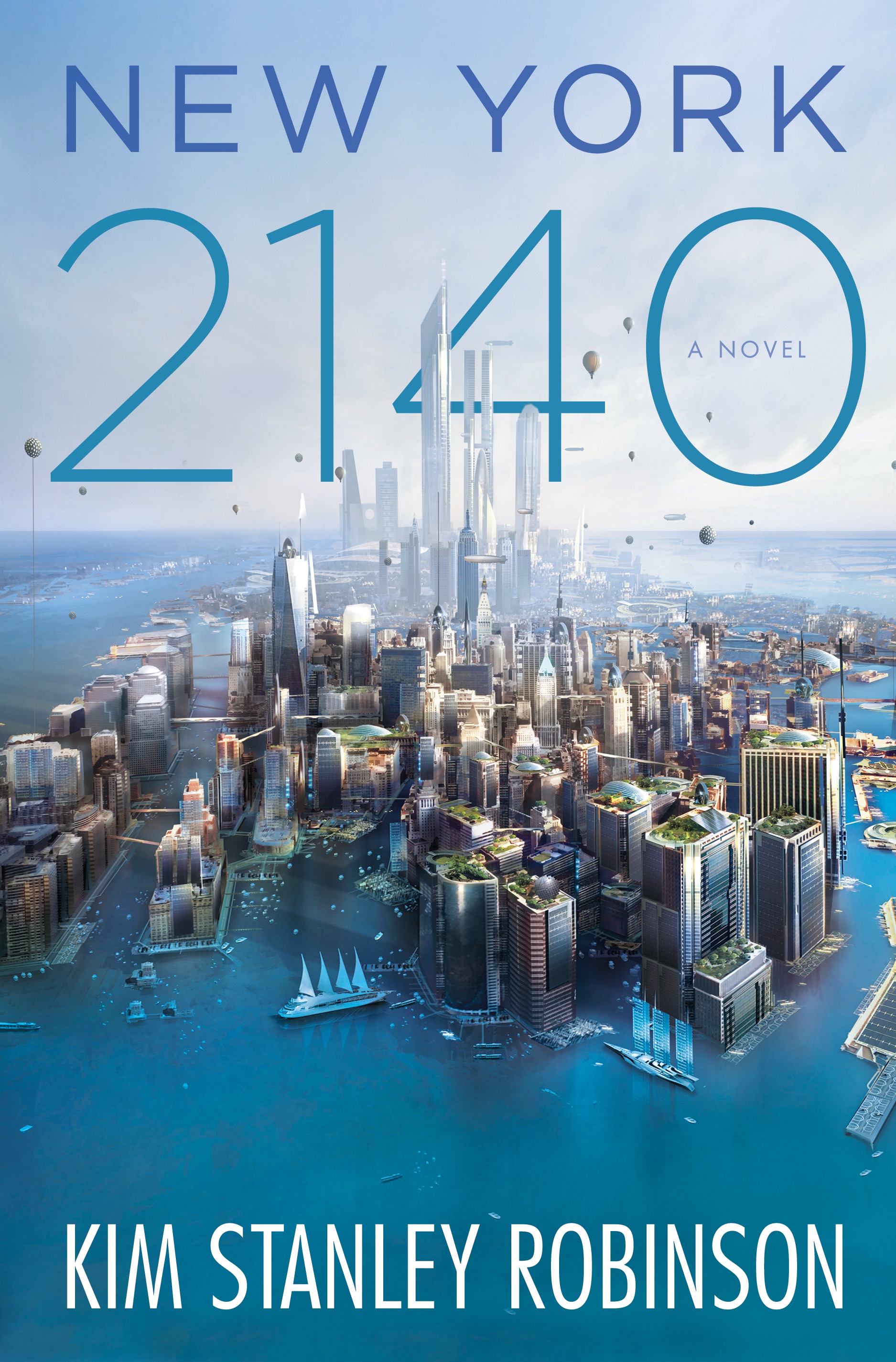
The challenge is how to preserve the historical integrity of New York City while adapting to a watery reality. Many of the city’s older structures, particularly those near South Street Seaport, were built in an era where the harbor was the primary artery of commerce. Modern engineering now focuses on “floodable design,” where ground floors are constructed to withstand temporary inundation, allowing the rest of the building to remain functional. This approach is changing the aesthetic of the city’s waterfront, blending industrial utility with innovative protection strategies.
Lessons from Global Cities
New York City is looking to other global urban centers for inspiration. The strategies used in Amsterdam and Venice—cities that have lived in harmony or defiance of water for centuries—are being closely studied. Whether it is the implementation of advanced flood gates or the creation of floating infrastructure, New York is beginning to embrace the concept of “living with water” rather than just fighting against it.
The Cultural Impact of a Shifting Shoreline
As the physical footprint of the city is reconsidered, so too is its cultural legacy. New York City has always been a city of reinvention, and its adaptation to climate change will likely become its next great chapter.
Preserving Iconic Landmarks
How do we preserve the cultural memory of Ellis Island or the Statue of Liberty as the water encroaches? These landmarks are not just monuments; they are symbols of the nation’s history. Long-term preservation plans now incorporate sophisticated climate modeling to ensure these sites remain accessible. For the traveler, this means that the experience of visiting Liberty Island may evolve, shifting from a simple excursion to a study in resilience and historical conservation.
The Evolution of Tourism
Tourism in New York City will undoubtedly adapt. Future guides may highlight the engineering feats that protect the city rather than just the architecture of the past. The narrative of the city is shifting toward one of survival and ingenuity. Walking tours that focus on the Hudson River and the harbor will likely emphasize the delicate balance between the urban environment and the natural forces that surround it. This change in perspective offers a new way to appreciate the city: seeing it not as a static entity, but as a living, breathing organism that is actively evolving to ensure its own survival.
Planning Your Visit to a Changing Metropolis
For those who wish to experience the majesty of New York City today, there is a certain poignancy in the knowledge that the landscape is dynamic. While the threat of being “underwater” remains a long-term projection—one that spans decades and centuries rather than months—it informs the current atmosphere of the city.
Supporting Sustainable Urbanism
Visitors can choose to engage with the city in ways that support its long-term goals. Staying in hotels that prioritize sustainable energy or visiting parks that serve as natural flood defenses, such as Brooklyn Bridge Park, allows tourists to be part of the city’s ongoing resilience narrative. Every visit contributes to the economic vitality required to fund the massive infrastructure projects necessary for the city’s defense.

A Legacy of Resilience
Ultimately, the story of New York City is one of grit and transformation. Whether it is rebuilding after a hurricane or redesigning a shoreline to accommodate rising tides, the city continues to assert its place on the global stage. Travelers who explore the docks, the parks, and the skyscrapers of this great city are witnessing a pivotal moment in urban history. The fear of rising waters is the catalyst for the next great era of New York design, one that will likely ensure that even as the sea levels rise, the city remains an enduring beacon of culture and human determination. For as long as the Atlantic Ocean laps at the shores of Manhattan, the world will continue to look toward New York to see how humanity rises to the challenge of an changing climate.
LifeOutOfTheBox is a participant in the Amazon Services LLC Associates Program, an affiliate advertising program designed to provide a means for sites to earn advertising fees by advertising and linking to Amazon.com. Amazon, the Amazon logo, AmazonSupply, and the AmazonSupply logo are trademarks of Amazon.com, Inc. or its affiliates. As an Amazon Associate we earn affiliate commissions from qualifying purchases.