
The pulsating heart of global finance, the New York Stock Exchange (NYSE), is more than just a trading floor; it’s a global icon, a landmark of immense historical and economic significance, and a must-visit for anyone exploring New York City. While its primary function revolves around the buying and selling of stocks, for many, the question “When will the New York Stock Exchange open?” isn’t just about market hours, but about experiencing the energy of Wall Street and understanding its place in the vibrant tapestry of Lower Manhattan.
This article delves into the practicalities of the NYSE’s operational schedule, but more importantly, it offers a comprehensive guide for travelers, history buffs, and curious minds looking to immerse themselves in the surrounding Financial District. From its imposing architecture to the dynamic atmosphere it creates, the NYSE and its environs provide a unique blend of history, culture, and undeniable financial prowess, making it a pivotal point for any New York itinerary.
The Rhythms of Wall Street: Trading Hours Unveiled
For those primarily concerned with its core function, understanding the New York Stock Exchange’s operating hours is straightforward. The NYSE operates on a standard schedule, mirroring many other global financial markets.
Standard Trading Hours and Key Considerations
The main trading session for the New York Stock Exchange runs from 9:30 AM to 4:00 PM Eastern Time (ET), Monday through Friday. This seven-and-a-half-hour window is when the vast majority of trading activity occurs, marked by the iconic opening and closing bells that symbolize the start and end of the trading day. These bells, often rung by corporate executives or celebrity guests, are broadcast globally and are a significant part of the NYSE’s public image.
It’s crucial for visitors to note that the NYSE is closed on weekends and all United States federal holidays. This includes days like New Year‘s Day, Martin Luther King, Jr. Day, Presidents’ Day, Good Friday, Memorial Day, Juneteenth National Independence Day, Independence Day, Labor Day, Thanksgiving Day, and Christmas Day. On certain days preceding or following holidays, the NYSE may have a shortened trading session, typically closing at 1:00 PM ET. While these specific times are primarily relevant for investors, they also inform the atmosphere of the Financial District. Visiting on a weekday during trading hours guarantees a more bustling, energetic experience around Wall Street, whereas weekends offer a calmer, more reflective exploration of the historic area.
Pre-Market and After-Hours Trading
Beyond the standard session, there are also pre-market and after-hours trading periods. Pre-market trading typically begins around 4:00 AM ET and extends until the market opens at 9:30 AM ET. After-hours trading, on the other hand, usually starts immediately after the 4:00 PM ET closing bell and can continue until 8:00 PM ET. These extended hours are primarily used by institutional investors and provide liquidity outside of regular market hours. For the average traveler, these periods are largely invisible and do not impact the visitor experience, as the public access areas and street-level vibrancy remain tied to the core trading window. However, understanding these extended hours reinforces the non-stop, global nature of the financial markets centered in New York City.
Experiencing Wall Street: A Visitor’s Guide to the Financial District
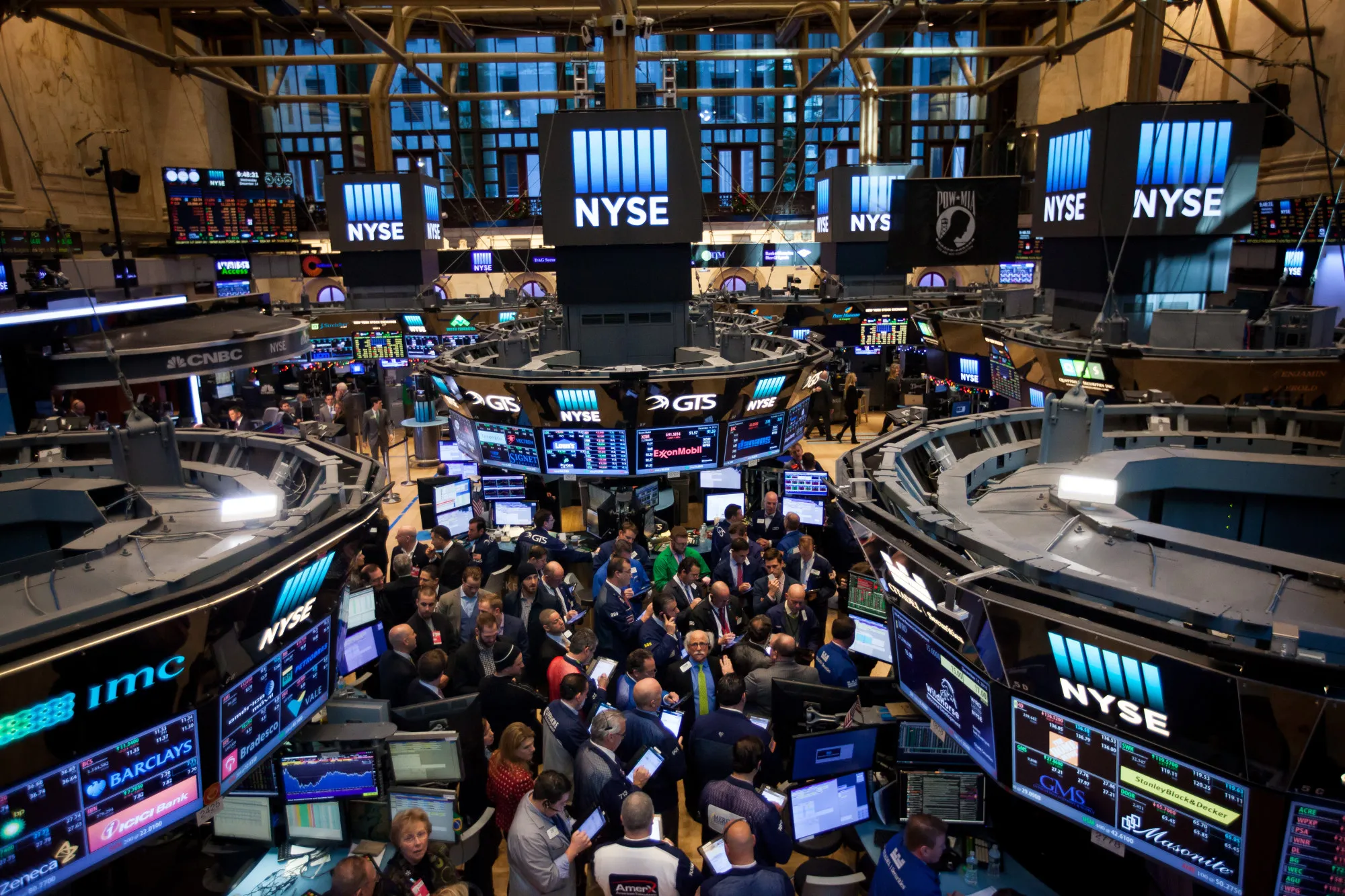
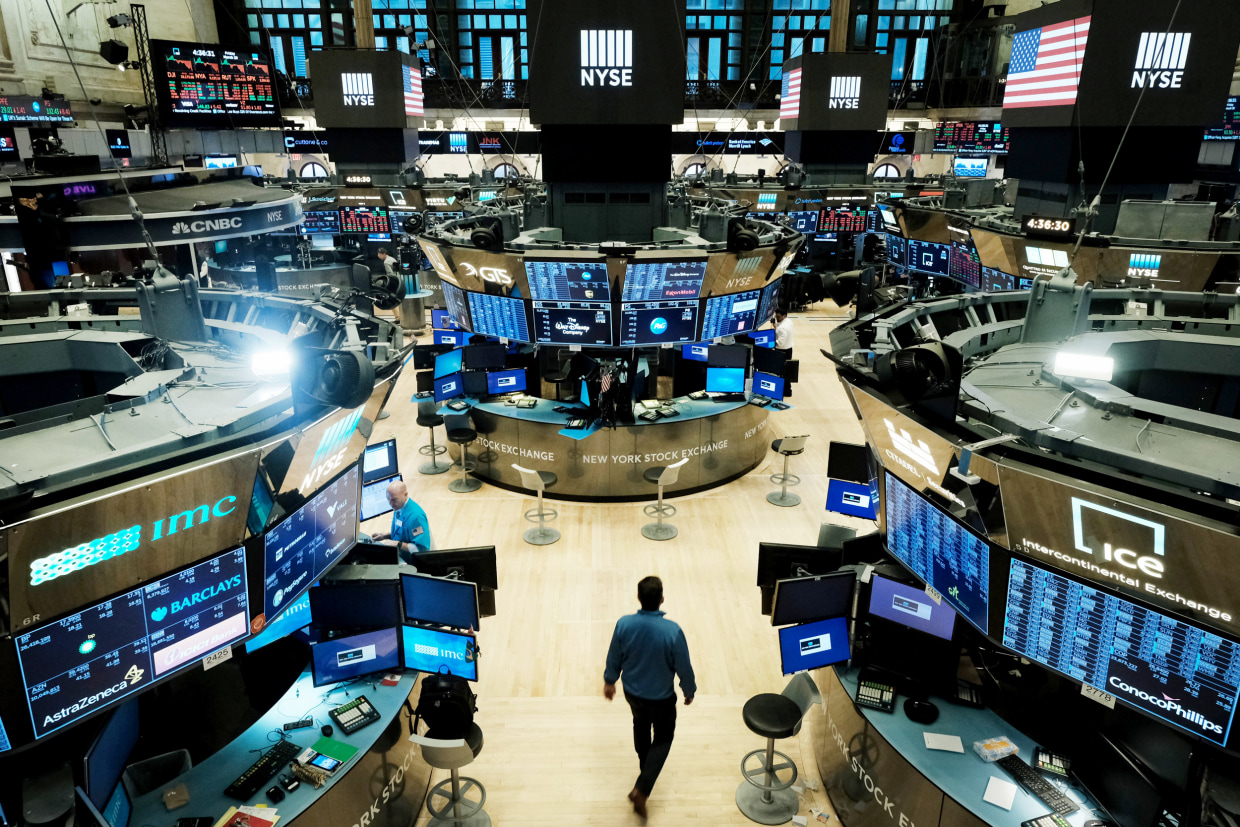
While public access to the actual trading floor of the NYSE ceased after the 9/11 attacks for security reasons, the allure of Wall Street and the broader Financial District remains undiminished for tourists. This historic area of Lower Manhattan offers a wealth of sights, sounds, and stories that extend far beyond the stock market’s opening and closing bells. It’s a perfect destination for those interested in history, architecture, and the palpable energy of one of the world’s most influential cities.
Iconic Sights Beyond the Trading Floor
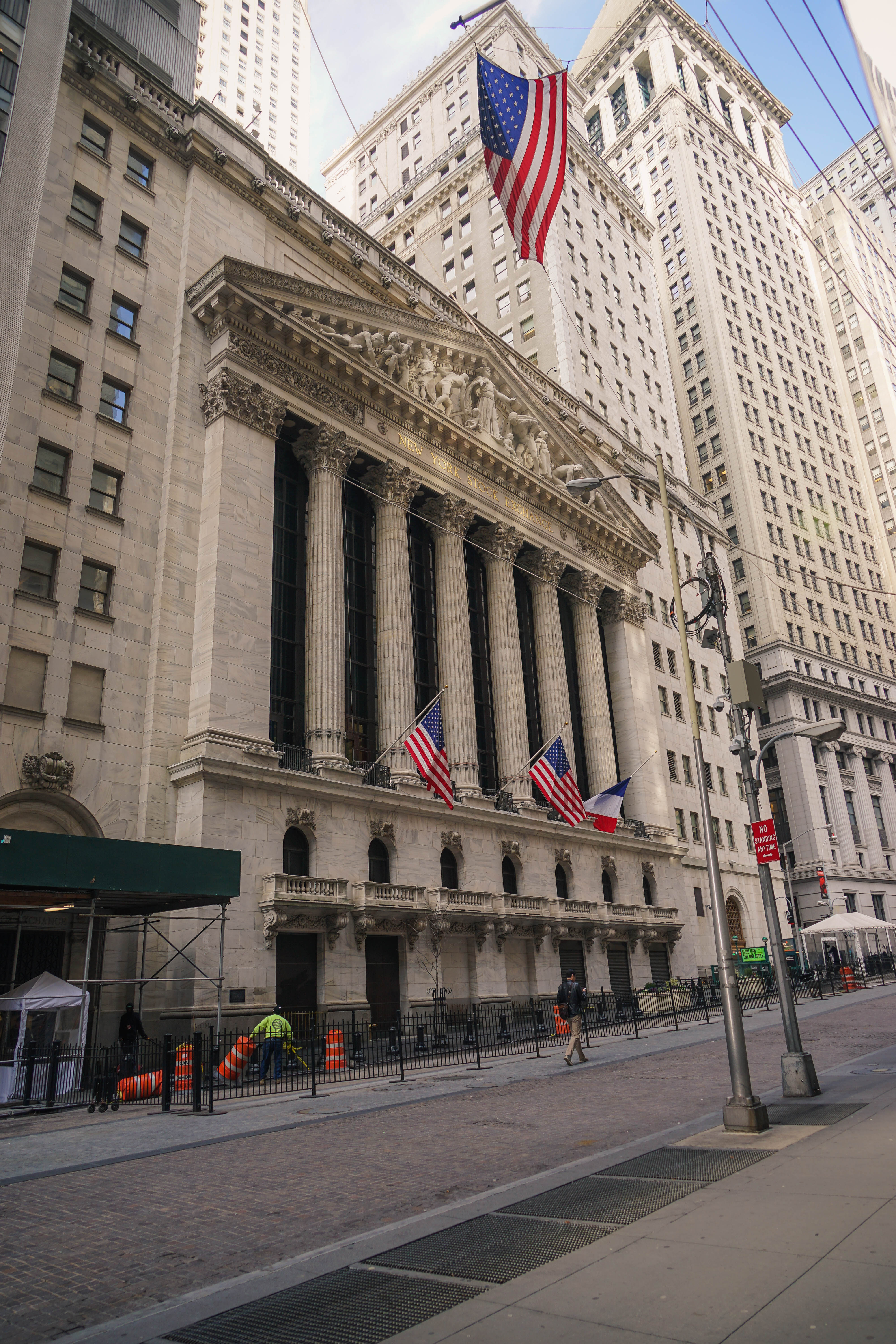
A visit to the Financial District is an immersion in both financial might and historical depth. The imposing facade of the NYSE building itself, located at 11 Wall Street, is a magnificent example of Neoclassical architecture. Its Corinthian columns and ornate carvings make for a striking photo opportunity. The street outside is often bustling with activity, from hurried businesspeople to street performers and tourists soaking in the atmosphere.
Just a short walk away, you’ll encounter two of the most photographed public art installations in the city: the Charging Bull and the Fearless Girl. The Charging Bull, a bronze sculpture symbolizing aggressive financial optimism and prosperity, is a powerful image. The Fearless Girl statue, originally placed defiantly opposite the bull, has become a symbol of female empowerment and leadership. Both draw large crowds, embodying the dynamic dialogue between power and progress in the financial world.
Across the street from the NYSE stands Federal Hall National Memorial. This historical landmark is where George Washington took the oath of office as the first President of the United States and where the United States Bill of Rights was introduced. Now a museum, it offers a fascinating glimpse into the birth of the nation and its economic foundations, a perfect blend of governmental and financial history.
Delving Deeper: Museums, Monuments, and More
The Financial District is rich with further opportunities for exploration. The poignant 9/11 Memorial & Museum provides a solemn and powerful experience, honoring the victims of the 2001 terrorist attacks. The twin reflecting pools, set within the footprints of the Twin Towers, are a deeply moving tribute, and the museum offers an immersive and educational journey through the events of that day and its aftermath. It serves as a vital reminder of New York City’s resilience and spirit.
For breathtaking panoramic views, the One World Observatory, located atop One World Trade Center, is an absolute must-see. From this vantage point, you can take in the entire Manhattan skyline, the Hudson River, the East River, the Statue of Liberty, and Ellis Island, offering a unique perspective on the city’s vastness.
History enthusiasts will also appreciate a visit to Trinity Church on Broadway. This historic Episcopal church and its graveyard contain the final resting places of many prominent Americans, including Alexander Hamilton and Robert Fulton. Its Gothic Revival architecture provides a serene contrast to the surrounding skyscrapers. For those interested in the city’s maritime heritage, the South Street Seaport Museum offers a fascinating look at New York’s history as a major port. The revitalized Seaport District itself is a charming area with cobblestone streets, historic ships, and a growing selection of shops and restaurants.
Planning Your NYC Financial District Visit: Logistics and Lifestyle
Visiting the Financial District requires a bit of planning, especially if you want to optimize your experience. From choosing the right accommodation to navigating transportation and dining, understanding the logistics can significantly enhance your trip to this iconic part of New York City.
Navigating Accommodation and Dining in Lower Manhattan
Lower Manhattan boasts an impressive array of accommodation options, catering to various budgets and travel styles, from luxury business stays to comfortable tourist lodgings. Staying in the Financial District itself offers unparalleled access to its landmarks, as well as convenient subway connections to other parts of Manhattan and Brooklyn.
Luxury travelers might consider options like the Four Seasons Hotel New York Downtown, known for its impeccable service and opulent amenities, or The Wall Street Hotel, which marries historical charm with contemporary comfort. The Conrad New York Downtown offers spacious suites and stunning Hudson River views, ideal for both business and leisure. For a more modern, energetic vibe, the W New York Downtown provides stylish rooms and a vibrant rooftop bar. Mid-range and boutique hotels are also plentiful, offering comfortable bases for exploring the area. Booking in advance, especially during peak travel seasons, is highly recommended to secure the best rates and availability.
The dining scene in Lower Manhattan is as diverse as its population. From high-end steakhouses and Michelin-starred restaurants frequented by the financial elite to charming cafes and casual eateries, there’s something to satisfy every palate. You can find quick bites from street vendors, enjoy a classic diner experience, or indulge in international cuisine. Exploring the area around Stone Street offers a lively atmosphere with outdoor dining options, particularly popular during warmer months. The Seaport District also provides a fantastic selection of seafood and trendy restaurants with scenic waterfront views.
The Best Times to Explore: Tying into Market Activity
While the NYSE itself isn’t directly accessible, the surrounding area comes alive during its operating hours. The optimal time to visit the Financial District to experience its unique buzz is on a weekday morning, especially between 9:00 AM and 10:30 AM, or in the afternoon closer to the market close, around 3:00 PM to 4:30 PM. During these times, you’ll witness the flurry of activity, the stream of professionals heading to and from their offices, and the general energy that defines Wall Street. The opening and closing bells, though not visible from the street, signify heightened excitement that often spills out into the surrounding blocks.
Weekends offer a different, yet equally rewarding, experience. The absence of the weekday rush transforms the Financial District into a quieter, more contemplative space. This is an ideal time for leisurely strolls, deeper exploration of historical sites like Federal Hall or Trinity Church, and a more relaxed visit to the 9/11 Memorial. The choice depends on your preference: the dynamic pulse of finance during the week or the tranquil exploration of history on the weekend.
Public transportation, particularly the subway, is the most efficient way to reach the Financial District. Numerous lines (2, 3, 4, 5, A, C, J, Z, R, W) converge in the area, with stops directly serving Wall Street, Fulton Street, and the World Trade Center Transportation Hub (the “Oculus”). Walking is the best way to explore once you’re there, as many attractions are within close proximity.
Beyond the Bell: The NYSE’s Impact on Global Tourism and Economy
The New York Stock Exchange’s influence extends far beyond the trading floor. As a global financial benchmark, its “opening” and “closing” reverberate through economies worldwide, but its physical presence also profoundly impacts New York City’s identity as a premier destination for both business and leisure travel.
From Business Hub to Tourist Hotspot: The Financial District’s Evolution
For decades, the Financial District was primarily a nine-to-five business hub, emptying out significantly after market close. However, in recent years, Lower Manhattan has undergone a remarkable transformation. A surge in residential development, coupled with an influx of new restaurants, shops, and cultural attractions, has made it a vibrant, 24/7 neighborhood. This evolution has significantly broadened its appeal, transforming it from merely a place of commerce into a bona fide tourist hotspot and a desirable place to live and stay.
This shift benefits various traveler types. Business travelers, who come to New York for meetings on Wall Street or in the surrounding corporate towers, now have a wealth of upscale hotels and fine dining options, providing a luxurious and convenient lifestyle experience. Families can explore a rich historical narrative, from the early days of America at Federal Hall to the sobering lessons of the 9/11 Memorial, all within walking distance. Budget travelers can enjoy the free public art installations and the unparalleled experience of simply walking the historic streets, soaking in the atmosphere that defines global finance.
The presence of the NYSE also drives a certain type of luxury travel and unique experiences. Exclusive tours, often privately arranged, can sometimes offer glimpses into the financial world, while nearby hotels cater to an elite clientele with concierge services tailored to the demands of high-stakes business. The Financial District’s proximity to other iconic Manhattan attractions like the Statue of Liberty ferries, the Brooklyn Bridge, and countless museums and theaters further cements its role as a cornerstone of the New York City tourism ecosystem.
Ultimately, the question of “When will the New York Stock Exchange open?” becomes a gateway to a much richer narrative. It’s an invitation to explore a district where monumental history meets modern innovation, where the echoes of financial giants mingle with the footsteps of curious tourists, and where the pulse of the global economy beats in harmony with the vibrant rhythm of city life. Whether you’re an investor, a history buff, or simply a traveler seeking an unforgettable experience, the Financial District and its iconic NYSE offer a unique and compelling chapter in the grand story of New York City.
LifeOutOfTheBox is a participant in the Amazon Services LLC Associates Program, an affiliate advertising program designed to provide a means for sites to earn advertising fees by advertising and linking to Amazon.com. Amazon, the Amazon logo, AmazonSupply, and the AmazonSupply logo are trademarks of Amazon.com, Inc. or its affiliates. As an Amazon Associate we earn affiliate commissions from qualifying purchases.