
California, a state synonymous with innovation, glamour, and a vibrant tourism industry, stands on the cusp of a potentially transformative shift: the legalization of sports betting. For millions of tourists who flock to the Golden State each year, from the sun-kissed beaches of San Diego to the majestic redwoods of the north, the prospect of legal sports wagering introduces an entirely new dimension to their travel experiences. As visitors plan trips around world-class attractions, iconic landmarks, and a diverse cultural tapestry, understanding the current status and future outlook of sports betting is becoming an increasingly relevant factor. It’s not just about the potential for a new activity; it’s about how this integration could reshape the state’s tourism landscape, offering unique experiences that blend sporting excitement with leisure travel.
The Golden State’s Tourism Appeal and the Betting Question
California has long been a global magnet for tourism, drawing diverse crowds with its unparalleled natural beauty, cultural richness, and entertainment prowess. From the sprawling urban centers of Los Angeles and San Francisco to the serene vineyards of Napa Valley and the pristine slopes of Lake Tahoe, the state offers an almost limitless array of activities. Visitors immerse themselves in theme parks like Disneyland and Universal Studios Hollywood, explore historic sites, indulge in world-class dining, and, crucially for sports enthusiasts, witness professional sports teams in action across virtually every major league.
The sports landscape in California is immense, boasting numerous franchises in the NBA, NFL, MLB, NHL, and MLS, alongside a thriving collegiate sports scene. Tourists often plan their visits to coincide with major games, creating an atmosphere of anticipation and excitement. Imagine attending a Los Angeles Lakers game at Crypto.com Arena or catching the San Francisco 49ers at Levi’s Stadium, with the added thrill of placing a legal wager on the outcome. This potential intertwining of live sports attendance and legal betting creates a powerful synergy for sports tourism, promising to elevate the overall experience for visitors.
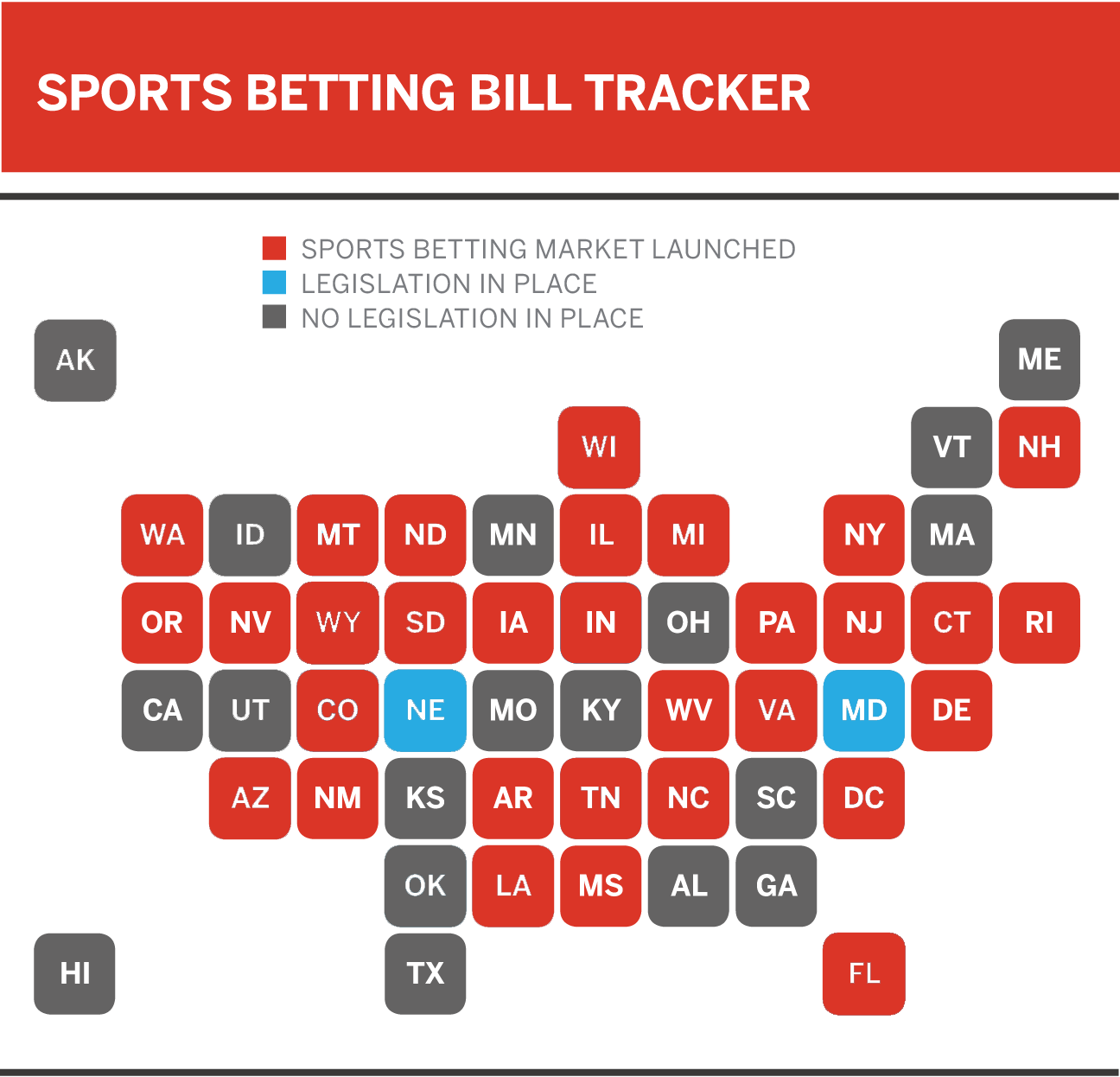
However, despite its progressive image and vast economic footprint, California remains one of the largest states yet to legalize sports betting. This has led to a significant “tourism leakage,” where residents and visitors keen on sports wagering must travel to neighboring states like Arizona or Nevada (specifically Las Vegas) to participate legally. The question of “when” sports betting will be legal in California is thus not just a matter of legislative procedure, but a critical consideration for the state’s future tourism competitiveness and its ability to capture a share of this rapidly growing market.
Understanding the Legislative Hurdles and Tourist Implications
The path to legalizing sports betting in California has been complex and contentious, primarily revolving around two competing approaches that have previously faced voters. These initiatives typically involve significant differences regarding who would operate sports betting (tribal casinos, racetracks, or online operators), where it would take place (retail locations, online, or both), and how the revenue would be allocated. For tourists, these distinctions are paramount as they directly influence the accessibility and nature of the betting experience.
The Retail vs. Mobile Divide
One major point of contention has been whether sports betting should be limited to retail locations, such as tribal casinos and horse racing tracks, or extended to statewide mobile platforms.
- Retail Sportsbooks: If betting were restricted to brick-and-mortar establishments, tourists would need to visit specific locations to place wagers. This might involve planning trips to tribal casinos like Pechanga Resort Casino in Temecula or Yaamava’ Resort & Casino in Highland, or to horse racing venues such as Santa Anita Park or Del Mar Racetrack. While these locations offer a comprehensive entertainment experience, they require specific travel plans and may not be convenient for all visitors, especially those primarily focused on sightseeing in major metropolitan areas like San Francisco or Oakland.
- Mobile Betting: The legalization of online and mobile sports betting would be a game-changer for tourism. It would allow visitors to place wagers from virtually anywhere within state lines—whether they are relaxing at a hotel in Hollywood, exploring the beaches of Santa Monica, or even watching a game live from a stadium seat. This ubiquitous access would significantly enhance the convenience and spontaneity of sports betting as a tourist activity, aligning with the “on-demand” nature of modern travel.
The legislative process has seen powerful stakeholders, including California’s influential tribal nations and major online sports betting companies, advocate for their respective interests. The ongoing dialogue means that tourists must remain aware that the form of legal sports betting, whenever it arrives, will dictate how easily they can engage with it during their visit.
Envisioning the Tourist Experience: What Legalization Could Mean
When sports betting eventually becomes legal in California, it promises to unlock a wealth of new and enhanced tourism experiences. The integration of sports wagering into the state’s existing entertainment and hospitality infrastructure could be seamless and highly appealing to a broad demographic of visitors.
Stadiums and Sports Venues as Tourist Hubs
Imagine attending a Los Angeles Rams game at SoFi Stadium or a Golden State Warriors match at the Chase Center in San Francisco. With legal sports betting, these venues could transform into comprehensive entertainment destinations where fans can not only watch the game but also place bets at dedicated kiosks or via mobile apps. This could include:
- On-site Sportsbooks: Specially designed lounges or kiosks within stadiums where tourists can place wagers, check odds, and enjoy a premium viewing experience.
- Enhanced Mobile Connectivity: Robust Wi-Fi and mobile app access would allow visitors to bet from their seats, adding an interactive layer to live sports attendance. This mirrors the experience already available in states like New Jersey and Pennsylvania, where stadium betting has become a popular draw.

Resorts and Casinos: Integrated Entertainment
California’s tribal casinos are already major tourist attractions, offering gaming, dining, entertainment, and hotel accommodations. Legalized sports betting would allow these resorts to open state-of-the-art sportsbooks, complete with massive video walls, comfortable seating, and a vibrant atmosphere. For tourists, this means:
- Destination Wagering: Visitors could plan resort stays specifically to enjoy a full-service sports betting experience, combining it with spa treatments, fine dining, and live performances.
- Expanded Gaming Options: Sportsbooks would complement existing casino offerings, providing a diverse portfolio of entertainment that caters to a wider range of preferences, potentially attracting new demographics who are more interested in sports than traditional casino games.
The Everyday Tourist: Mobile Accessibility
Perhaps the most significant impact on tourism would come from widespread mobile access. Tourists visiting California for reasons unrelated to sports could still engage with sports betting if they wished.
- Casual Engagement: While exploring Hollywood Boulevard, enjoying a meal in Napa, or relaxing by the pool at a Palm Springs resort, a tourist could easily open an app and place a wager on a game.
- Connectivity to Home Teams: Many tourists are keen followers of their home sports teams. Legal mobile betting would allow them to continue supporting and betting on their favorite teams even while vacationing in California, making their trip feel more connected to their everyday passions.
This flexibility would position California as a truly comprehensive tourism destination, offering both traditional attractions and modern, digital-first entertainment options.
Economic and Cultural Impact on California Tourism
The legalization of sports betting in California is widely expected to generate substantial economic benefits, a significant portion of which would flow directly into the tourism sector. Beyond the direct revenue generated from betting, the ripple effects on tourism could be profound.
Attracting New Visitor Segments
Sports betting has the potential to attract a new segment of tourists who prioritize destinations where they can combine travel with legal wagering. This could include:
- Sports Enthusiasts: Individuals and groups who follow sports intently and seek destinations that offer comprehensive sports entertainment, including the ability to bet on games.
- “Experiential” Travelers: Tourists looking for unique and engaging activities that go beyond traditional sightseeing, viewing sports betting as an interactive part of their travel experience.
Increased Tourist Spending and Extended Stays
With more reasons to visit and new activities to engage in, tourists might be inclined to extend their stays in California. This leads to increased spending on accommodations, dining, retail, and other local services. If sports betting is available statewide via mobile, visitors might spend more time in various regions, rather than concentrating solely on areas with physical casinos. Cities like Los Angeles, San Francisco, San Diego, and Sacramento, with their major sports teams and existing tourist infrastructure, stand to benefit significantly.
Enhancing California’s Brand as an Entertainment Hub
California has always marketed itself as a global leader in entertainment. Legalized sports betting would further cement this image, placing the state on par with or ahead of other major tourism destinations like Las Vegas and New York that have embraced the industry. This could boost international appeal and reinforce California’s reputation as a cutting-edge destination that caters to diverse interests. The cultural impact would also be significant, as sports betting becomes an integrated part of the fan experience, much like it has in other major sports-loving regions around the world.
Preparing for the Future: Tips for Prospective Betting Tourists
While the precise timeline for legal sports betting in California remains uncertain, prospective tourists can still prepare for its eventual arrival.
Stay Informed on Legislative Developments
Keep an eye on news from the California State Legislature and voter initiatives. The nuances of any future law will determine where and how tourists can place bets. Understanding whether mobile betting will be allowed is particularly crucial for planning.
Research Operational Sportsbooks
Once legislation passes, research which casinos, racetracks, or online operators will be licensed. Many tribal casinos already have robust infrastructure that could quickly adapt to include sportsbooks. Familiarize yourself with their locations and offerings if retail betting is a priority.

Understand Responsible Gaming Practices
Regardless of when or where you bet, responsible gaming should always be a priority. Set limits, understand the odds, and only wager what you can afford to lose. Many states with legal betting offer resources for responsible gaming, and California would undoubtedly follow suit.
The question of “When Will Sports Betting Be Legal In California?” continues to be a subject of intense debate and anticipation. For the millions of tourists who choose the Golden State for their adventures, the answer holds the key to an exciting new chapter in California’s already illustrious tourism story, promising to blend the thrill of competition with the unparalleled beauty and entertainment of one of the world’s most beloved destinations.
LifeOutOfTheBox is a participant in the Amazon Services LLC Associates Program, an affiliate advertising program designed to provide a means for sites to earn advertising fees by advertising and linking to Amazon.com. Amazon, the Amazon logo, AmazonSupply, and the AmazonSupply logo are trademarks of Amazon.com, Inc. or its affiliates. As an Amazon Associate we earn affiliate commissions from qualifying purchases.