
California, a land synonymous with sunshine, innovation, and breathtaking natural beauty, also lies atop one of the most active and formidable seismic zones on Earth. The specter of “The Big One,” a massive earthquake anticipated to strike the state, looms large in the collective consciousness. While the exact timing remains an enigma, understanding the science behind it, the potential impacts, and crucially, how to prepare, is paramount for anyone considering visiting, living in, or investing in this dynamic region. This exploration delves into the geological realities and preparedness strategies essential for navigating the Golden State’s seismic future.

The Science of a Seismic Giant
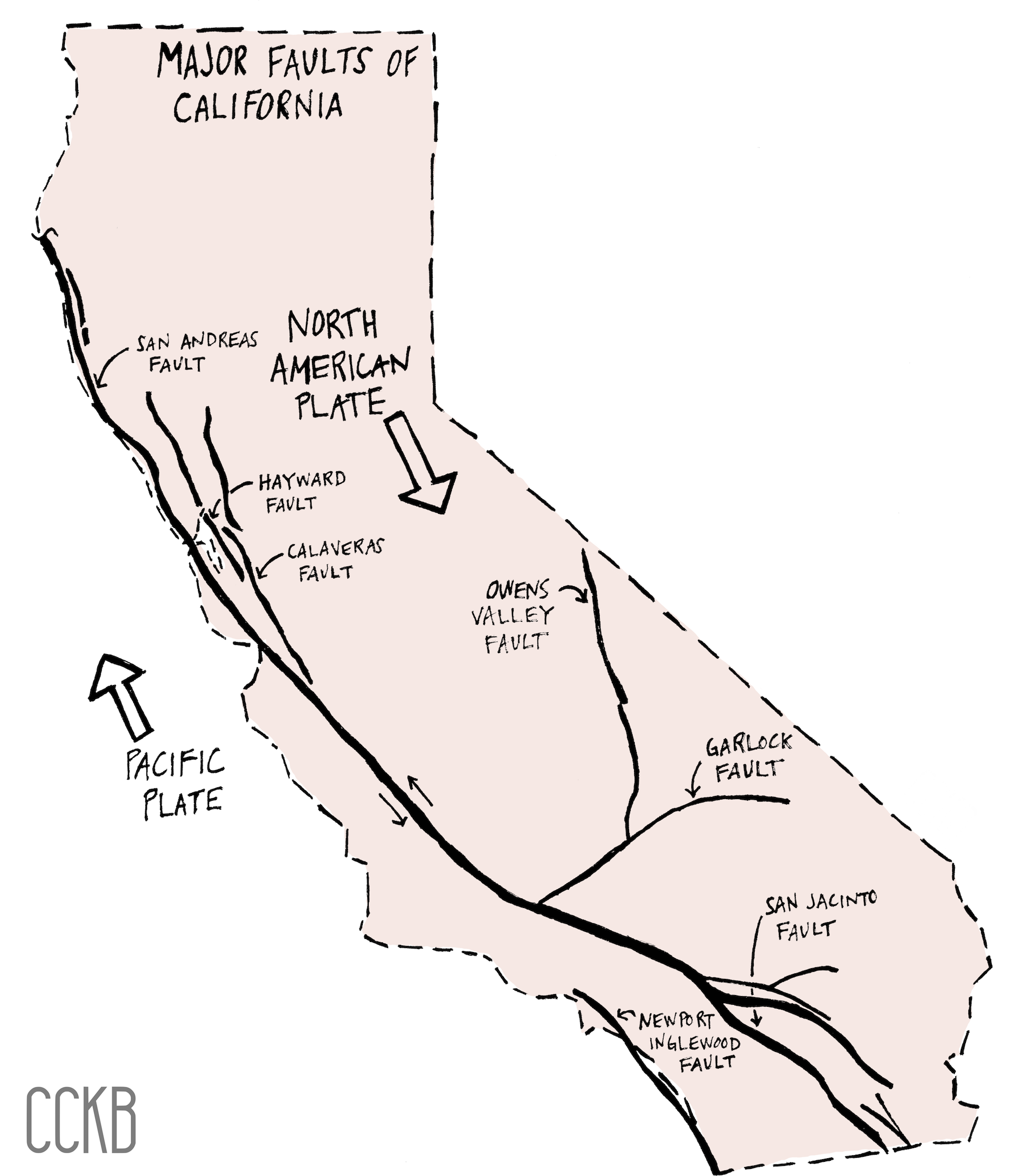
California’s seismic activity is primarily driven by its position along the boundary of two of Earth’s largest tectonic plates: the Pacific Plate and the North American Plate. This boundary is not a single, clean line but a complex network of faults, the most famous being the San Andreas Fault. These plates are in constant motion, grinding past, colliding with, and pulling away from each other. The immense stress that builds up along these fault lines is eventually released in the form of earthquakes.
Understanding Fault Lines and Plate Tectonics
The San Andreas Fault is a transform fault, meaning the plates slide horizontally past each other. However, the movement is not smooth; friction causes the plates to lock, accumulating strain energy. When this strain exceeds the friction’s resistance, a sudden rupture occurs, propagating along the fault and causing ground shaking.
Beyond the San Andreas Fault, California is crisscrossed by numerous other significant faults, including the Hayward Fault in the Bay Area, the Puente Hills Fault beneath Los Angeles, and the Garlock Fault in the Mojave Desert. These lesser-known but equally capable faults contribute to the state’s overall seismic risk. Earthquakes are a natural and inevitable process, a consequence of the dynamic geological forces shaping our planet.
Predicting the Unpredictable
Predicting the exact timing, magnitude, and location of earthquakes remains one of science’s most significant challenges. While seismologists can identify areas with high seismic potential and estimate the probability of a large earthquake occurring within a certain timeframe, precise prediction is not yet possible.
Current scientific efforts focus on:
- Seismic Monitoring: Networks of seismometers constantly record ground motion, helping scientists understand the frequency and intensity of smaller tremors that might precede a larger event.
- Geodetic Measurements: Techniques like GPS are used to measure the slow deformation of the Earth’s crust, indicating where strain is accumulating along fault lines.
- Paleoseismology: Studying ancient earthquake evidence preserved in geological layers helps reconstruct the earthquake history of a fault, providing long-term probability estimates.
- Computer Modeling: Sophisticated simulations help researchers understand how faults behave and how seismic waves propagate through different geological structures.
While these advancements provide invaluable insights, they do not offer a crystal ball for earthquake prediction. The focus for residents and visitors alike must therefore shift from prediction to preparedness.
The Potential Impact of “The Big One”
The term “The Big One” typically refers to a major earthquake along the southern section of the San Andreas Fault, with an estimated magnitude of 7.8 or greater. However, other scenarios, such as a magnitude 7.0 event on the Hayward Fault in the densely populated Bay Area, could also be devastating. The consequences of such events would be far-reaching and profound, impacting infrastructure, the economy, and the daily lives of millions.
Infrastructure and Urban Resilience
California’s modern infrastructure, including its transportation networks, utilities, and buildings, has undergone significant seismic retrofitting over the decades. However, older structures and critical facilities remain vulnerable.
- Transportation: Bridges, overpasses, and roadways could be severely damaged, disrupting emergency response and the movement of goods. Major airports like Los Angeles International Airport and San Francisco International Airport are designed to withstand seismic events, but disruptions are still likely.
- Utilities: Water mains, gas lines, and electrical grids are susceptible to rupture, leading to widespread outages and potential fires, especially in densely populated urban centers like Los Angeles and San Francisco.
- Buildings: While modern building codes are stringent, older unreinforced masonry buildings and soft-story structures pose a significant risk. The collapse of these buildings could lead to widespread casualties and impede rescue efforts.
- Landslides and Liquefaction: In hilly areas, seismic shaking can trigger devastating landslides. In coastal regions and areas with sandy, water-saturated soil, liquefaction can occur, where the ground behaves like a liquid, causing buildings to sink or tilt.
Economic and Social Disruptions
The economic fallout from a major earthquake could be staggering. Business closures, supply chain disruptions, and the cost of reconstruction would impact not only California but also the broader national and global economies. Beyond the economic toll, the social fabric of communities would be tested. Displacement of residents, loss of homes, and the long road to recovery would require immense resilience and community support.

Preparing for the Inevitable: A Traveler’s Perspective
For travelers planning a visit to California, understanding the state’s seismic reality is not about creating fear, but about fostering informed decision-making and promoting personal safety. The vast majority of visits to California are safe and enjoyable, but a basic level of preparedness can significantly enhance peace of mind.
Choosing Your Accommodation Wisely
When booking your stay, consider the following:
- Modern Hotels and Resorts: Newer hotels and established resort chains generally adhere to strict building codes and have robust safety protocols. Look for properties that have undergone seismic retrofitting or are built with modern earthquake-resistant materials. Many luxury resorts, such as those found along the California coast, are often built to the highest standards.
- Location: While earthquakes can occur anywhere, some areas are statistically more prone to significant shaking due to their proximity to major fault lines. Researching the specific location of your accommodation within cities like San Diego or Sacramento can be beneficial.
- Emergency Preparedness: Inquire about the hotel’s emergency evacuation plans and the availability of emergency supplies. Many hotels will have this information readily available on their websites or at the front desk.
During Your Stay: Safety First
While visiting California’s iconic landmarks, enjoying its vibrant culinary scene, or exploring its natural wonders, keep seismic safety in mind.
- Familiarize Yourself: Upon arriving at your accommodation, locate the nearest emergency exits and identify a safe place to take cover within your room or public areas.
- “Drop, Cover, Hold On”: This is the universally recommended procedure during an earthquake.
- DROP to the ground.
- COVER your head and neck with your arms and crawl under a sturdy table or desk.
- HOLD ON to your shelter until the shaking stops.
- Stay Informed: Monitor local news and emergency broadcasts for any official advisories. Mobile alert systems are also an invaluable tool.
- Respect Local Guidance: Follow instructions from hotel staff, emergency personnel, and local authorities during and after an event.
Exploring California’s Natural and Cultural Treasures
California’s allure lies in its diverse attractions, from the redwood forests of Northern California to the beaches of Southern California, and its world-class museums and theme parks.
- National Parks: Destinations like Yosemite National Park and Joshua Tree National Park are geologically active areas. While designed for visitor safety, be aware of potential rockfalls in mountainous regions.
- Urban Exploration: When visiting cities like Oakland or exploring historic districts in Santa Barbara, be mindful of older building structures.
- Coastal Areas: While beautiful, coastal regions are also susceptible to tsunamis following major offshore earthquakes. Heed any tsunami warnings and evacuate to higher ground if instructed.
Beyond Tourism: Investing and Residing in California
For those considering a longer stay, investment, or permanent relocation to California, seismic preparedness becomes a more significant aspect of lifestyle planning.
Homeowner’s Insurance and Retrofitting
- Earthquake Insurance: Standard homeowner’s insurance policies typically do not cover earthquake damage. Purchasing a separate earthquake insurance policy is highly recommended for residents.
- Home Retrofitting: If you own or are purchasing an older home, consider seismic retrofitting. This can include reinforcing foundations, strengthening cripple walls, and installing automatic gas shut-off valves. Consulting with qualified structural engineers and contractors is essential.
Community Preparedness and Emergency Kits
- Personal Emergency Kit: Assemble a kit with essential supplies for at least 72 hours, including water, non-perishable food, a first-aid kit, flashlights, batteries, a multi-tool, medications, and copies of important documents.
- Family Emergency Plan: Develop a plan with your family, outlining communication strategies, meeting points, and responsibilities in case of an emergency.
- Community Involvement: Participate in local emergency preparedness drills and community initiatives. Understanding your neighborhood’s specific risks and resources is crucial.
Navigating California’s Dynamic Landscape
California is a state that lives in harmony with its dynamic geological environment. While the question of “When will The Big One hit?” remains unanswered, the scientific understanding of seismic activity and the strategies for preparedness are well-established. For travelers and residents alike, embracing this reality with informed awareness and proactive measures allows for the continued enjoyment and appreciation of all that California has to offer, from its vibrant cities and cultural landmarks to its awe-inspiring natural landscapes. The Golden State’s resilience is built not just on its infrastructure, but on the preparedness of its people.
LifeOutOfTheBox is a participant in the Amazon Services LLC Associates Program, an affiliate advertising program designed to provide a means for sites to earn advertising fees by advertising and linking to Amazon.com. Amazon, the Amazon logo, AmazonSupply, and the AmazonSupply logo are trademarks of Amazon.com, Inc. or its affiliates. As an Amazon Associate we earn affiliate commissions from qualifying purchases.