
The ominous plume of smoke, a stark silhouette against the often-azure Californian sky, has become an all too familiar sight. For residents and visitors alike, the question echoing through the golden state is a desperate one: “When will the California fires stop?” This isn’t just a fleeting concern; it’s a growing crisis that profoundly impacts the very fabric of life, travel, and the tourism industry in one of the world’s most coveted destinations. The allure of California’s diverse landscapes – from the sun-drenched beaches of Southern California to the majestic redwood forests of the north, the vibrant cities like Los Angeles and San Francisco, and the iconic national parks like Yosemite – is increasingly challenged by the destructive and unpredictable nature of these wildfires.
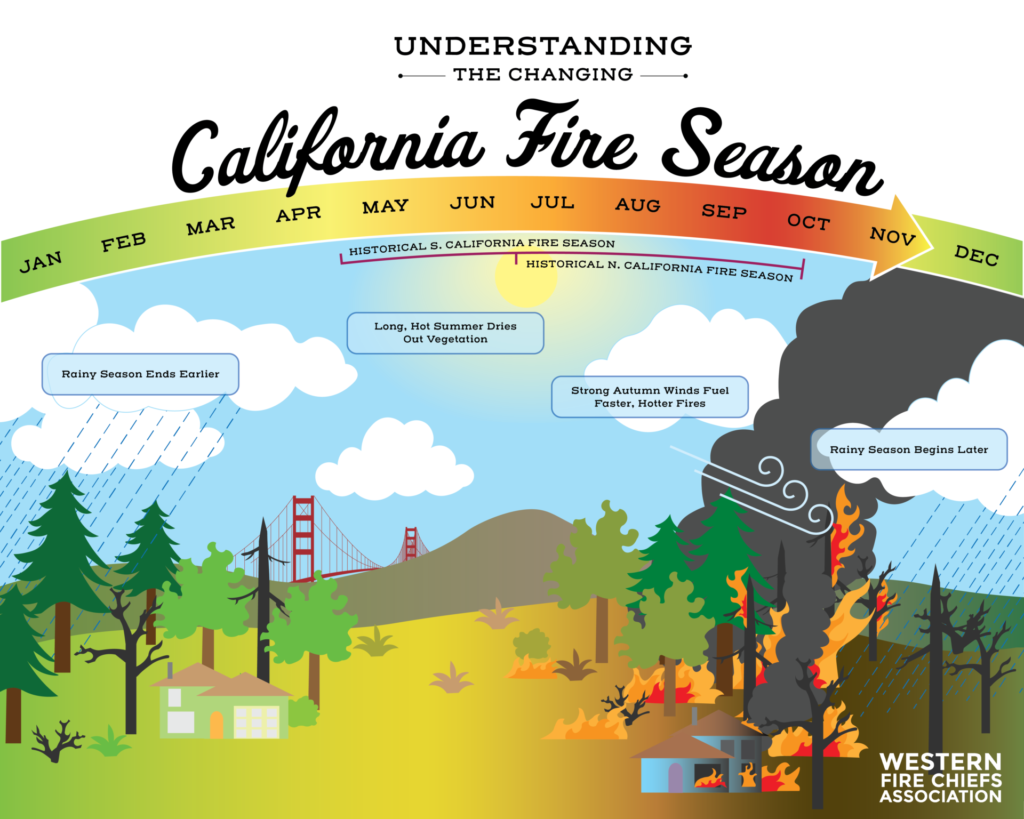
The annual wildfire season, once a predictable period, has morphed into a year-round threat. Driven by a complex interplay of climate change, historical land management practices, and human activity, these fires are becoming larger, more intense, and harder to contain. Understanding the factors contributing to their persistence is crucial to grasping when we might see a reprieve, and what this means for the future of California as a travel and tourism hub.
The Escalating Threat: Understanding the Dynamics of California Wildfires
The escalating threat of California wildfires is a multi-faceted issue, rooted in environmental changes and exacerbated by human presence. The state’s Mediterranean climate, characterized by dry summers and mild, wet winters, has always made it susceptible to fire. However, recent decades have witnessed a dramatic intensification of these conditions.
Climate Change: The Unseen Accelerator
The undeniable impact of climate change on California’s wildfire crisis cannot be overstated. Rising global temperatures lead to hotter, drier conditions across the state, creating a tinderbox environment. Longer and more severe drought periods bake the vegetation, turning forests and grasslands into highly flammable fuel. Even in areas that receive rainfall, the intensity and timing of precipitation can be affected, with less frequent but more intense downpours potentially leading to rapid vegetation growth followed by prolonged dry spells. This creates a cyclical problem where periods of extreme dryness are followed by the potential for explosive fire growth.
Furthermore, warming temperatures are contributing to changes in forest health. Pests and diseases, often thriving in stressed ecosystems, are weakening and killing trees, leaving behind more deadwood that serves as potent fuel. The frequency and intensity of heatwaves are also increasing, pushing ecosystems beyond their natural resilience and making them more vulnerable to ignition and rapid fire spread. The interconnectedness of these climatic factors creates a feedback loop, where each element amplifies the others, leading to more extreme fire events.
Fuel Accumulation and Land Management Practices
For decades, fire suppression policies in California aimed to extinguish all fires as quickly as possible. While seemingly logical, this approach led to the unintended consequence of fuel accumulation. Natural fire cycles, which historically cleared out undergrowth and smaller, dead vegetation, were interrupted. This has resulted in dense forests with a significant buildup of flammable material on the forest floor and on tree canopies.
When fires do ignite in these environments, they are often more intense and destructive due to the sheer volume of fuel available. This has led to a paradigm shift in land management, with an increased focus on prescribed burns and other fuel reduction techniques. Prescribed burns, carefully controlled fires set under specific weather conditions, are designed to mimic natural fire cycles and reduce fuel loads. However, the effectiveness and scale of these efforts are often challenged by air quality regulations, public perception, and the ever-present risk of escaped fires in a warming climate. Restoring ecological balance through responsible land management is a long-term endeavor, and its success is intimately tied to addressing the underlying climate challenges.
Human Factors: Ignition and Spread
While natural causes like lightning strikes are a factor, a significant percentage of wildfires in California are ignited by human activity. Campfires left unattended, sparks from vehicles, faulty power lines, and intentional arson all contribute to the ignition problem. As California’s population grows and human development encroaches further into wildland areas, the interface between human settlements and flammable vegetation – known as the Wildland-Urban Interface (WUI) – becomes larger and more vulnerable.
The rapid spread of fires is often facilitated by weather conditions. Strong, erratic winds, particularly the infamous Santa Ana winds in Southern California and Diablo winds in Northern California, can push flames at astonishing speeds, making evacuation and containment incredibly difficult. These wind events are becoming more frequent and intense, further complicating firefighting efforts and increasing the risk to communities and natural landscapes.
Impact on Travel and Tourism: A Shifting Landscape
The persistent threat of wildfires has a profound and multifaceted impact on California’s vibrant travel and tourism industry. What was once a predictable and idyllic travel season is now subject to disruption and uncertainty, forcing a reassessment of how we experience and promote the Golden State.
Disruptions to Travel and Infrastructure
Wildfires directly impact travel by necessitating road closures, diverting traffic, and potentially stranding travelers. The smoke plumes can cause hazardous air quality across vast regions, leading to flight cancellations and delays at major airports like Los Angeles International Airport (LAX) and San Francisco International Airport (SFO). Attractions and natural landmarks, from the awe-inspiring Yosemite National Park to the picturesque coastlines, can be temporarily or permanently closed due to active fires or ongoing safety concerns.
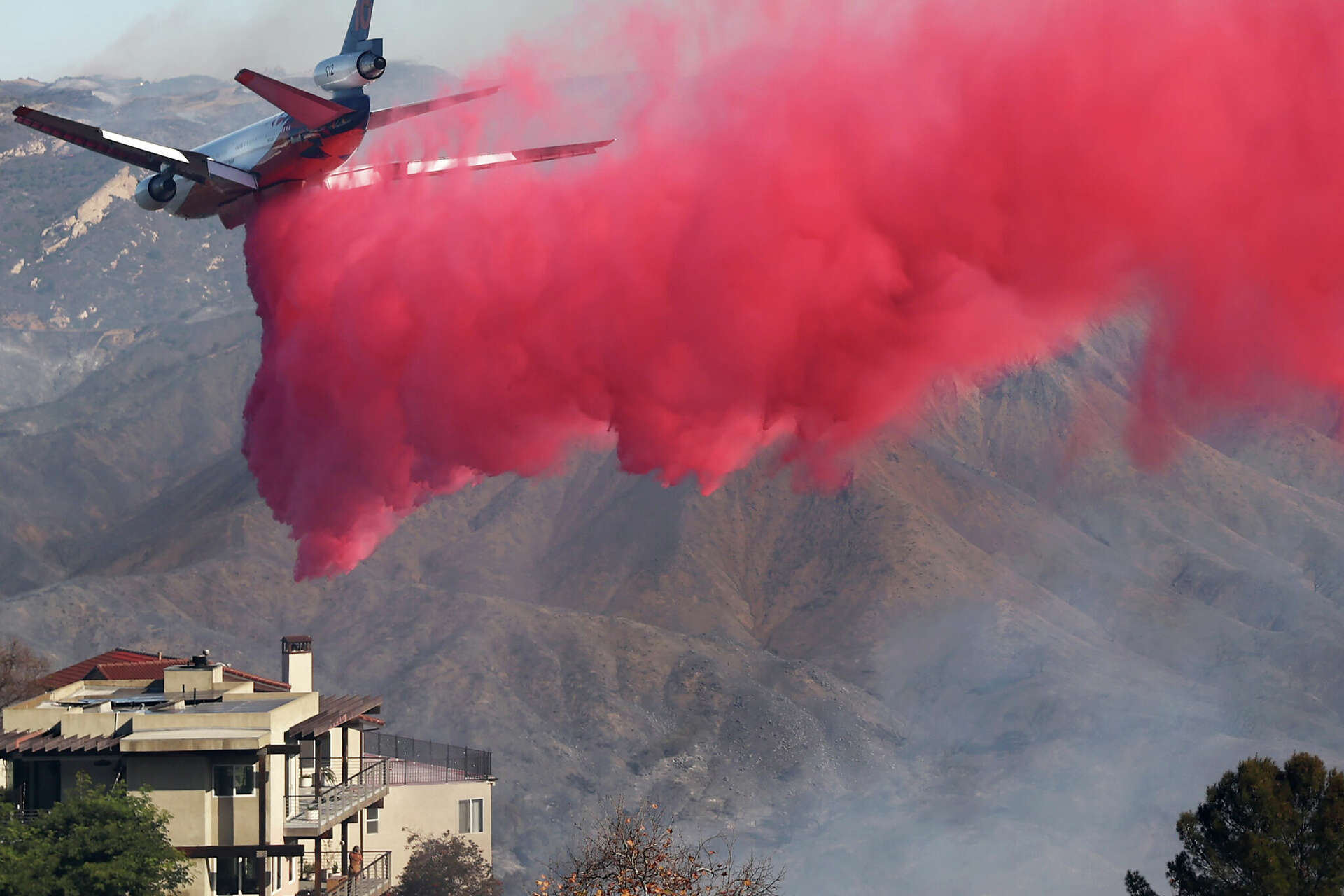
The infrastructure supporting tourism – hotels, resorts, restaurants, and transportation networks – also faces significant challenges. While direct fire damage to these establishments can occur, the indirect impacts are often more widespread. Smoke-filled skies deter visitors, even in areas not directly affected by flames. Power outages due to wildfire risk mitigation by utility companies, such as Pacific Gas and Electric Company (PG&E), can disrupt operations and leave guests without essential services. The economic repercussions for businesses that rely on tourism are substantial, leading to lost revenue and potential closures.
Shifting Tourist Behavior and Perceptions
The recurring news cycles of devastating wildfires inevitably shape public perception of California as a travel destination. Potential visitors may become hesitant to book trips, fearing exposure to smoke, potential evacuations, or the loss of their vacation experience. This is particularly true for international travelers who may have limited familiarity with the nuances of California’s wildfire season and its localized impacts.
Travelers who do visit may find their itineraries altered or their planned experiences curtailed. Instead of hiking through pristine forests, they might be seeking indoor activities or choosing destinations less affected by the current fire activity. This shift in behavior can lead to a redistribution of tourism within the state, with some areas experiencing a decline in visitors while others might see a temporary surge in demand as people seek safer havens. The long-term perception of California as a safe and reliable travel destination is at stake, necessitating proactive communication and adaptive tourism strategies.
Opportunities for Responsible and Resilient Tourism
Despite the challenges, the wildfire crisis also presents an opportunity to redefine and promote responsible and resilient tourism in California. This involves educating travelers about wildfire safety and preparedness, encouraging them to be mindful of their environmental impact, and supporting businesses that adopt sustainable practices.
Promoting “off-season” travel to California can help distribute visitor numbers throughout the year, reducing pressure on popular attractions during peak fire periods. Highlighting destinations and activities that are less susceptible to fire impacts, such as coastal towns or urban centers with robust indoor offerings, can provide alternative travel options. Furthermore, supporting local communities affected by wildfires through tourism initiatives can aid in their recovery and demonstrate solidarity. The focus can shift from simply visiting iconic landmarks to experiencing the resilience and spirit of California in a more conscious and sustainable manner, perhaps through eco-tours that educate about forest health or culinary experiences that celebrate local produce grown in fire-wise landscapes.
The Path Forward: Adaptation and Resilience
Addressing the question “When will the California fires stop?” is not about finding a single date. It’s about understanding that this is a complex, evolving challenge that requires a long-term commitment to adaptation and resilience. The future of California, its environment, and its vital tourism sector hinges on our collective ability to innovate and collaborate.
Investing in Fire Prevention and Mitigation
The most effective way to mitigate the impact of future fires is through robust investment in prevention and mitigation strategies. This includes:
- Continued funding for land management: Supporting initiatives that focus on controlled burns, forest thinning, and the removal of invasive species to reduce fuel loads.
- Enhanced early detection systems: Utilizing advanced technology like satellite imagery, drones, and sensor networks to identify fires in their nascent stages.
- Infrastructure hardening: Investing in making power grids more resilient to prevent ignitions caused by electrical equipment, a significant driver of past fires, as seen with the Camp Fire. This includes undergrounding power lines in high-risk areas and improving maintenance protocols for existing infrastructure.
- Community preparedness and education: Empowering residents in the Wildland-Urban Interface with knowledge about defensible space around their homes, evacuation plans, and fire-resistant landscaping.
Embracing Technological Innovation
Technology will play an increasingly crucial role in managing wildfire risks and their aftermath. Innovations in:
- Predictive modeling: Developing sophisticated models that forecast fire behavior based on weather patterns, fuel types, and topography, allowing for better resource allocation and evacuation planning.
- Firefighting technology: Exploring new tools and techniques for suppressing fires, such as advanced aerial firefighting methods and robotic firefighting units.
- Rehabilitation and restoration: Utilizing technology to monitor and accelerate the recovery of burned ecosystems, including reforestation efforts and soil stabilization.
Fostering Collaboration and Policy Change
Ultimately, tackling the California wildfire crisis requires a united front involving government agencies, private entities, local communities, and individuals.
- Inter-agency cooperation: Strengthening collaboration between state agencies like CalFire and federal entities such as the U.S. Forest Service to ensure a coordinated response.
- Policy reform: Re-evaluating and updating regulations related to land use, building codes in the WUI, and utility company responsibilities to better address wildfire risks.
- Climate action: Recognizing that addressing the root cause of increased fire intensity – climate change – is paramount. This involves supporting policies that promote renewable energy, reduce greenhouse gas emissions, and foster sustainable practices across all sectors.
The question of “When will the California fires stop?” may not have a simple answer, but by embracing adaptation, investing in resilience, and fostering collaboration, we can work towards a future where the threat of wildfires is better managed, allowing California’s natural beauty and vibrant tourism industry to thrive for generations to come. The journey is long, but the commitment to a safer and more sustainable California is essential.
LifeOutOfTheBox is a participant in the Amazon Services LLC Associates Program, an affiliate advertising program designed to provide a means for sites to earn advertising fees by advertising and linking to Amazon.com. Amazon, the Amazon logo, AmazonSupply, and the AmazonSupply logo are trademarks of Amazon.com, Inc. or its affiliates. As an Amazon Associate we earn affiliate commissions from qualifying purchases.