
Orlando, Florida, often dubbed the “Theme Park Capital of the World,” is a magnet for millions of visitors annually, drawn to its world-class attractions, vibrant culture, and endless entertainment. From the magical realms of Walt Disney World Resort to the thrilling adventures at Universal Orlando Resort and the aquatic wonders of SeaWorld Orlando, this Central Florida city offers an unparalleled experience for families, couples, and solo travelers alike. However, planning a trip to Orlando requires careful consideration of its climate, particularly the annual hurricane season. The question “When will the hurricane hit Orlando, Florida?” is a common concern for prospective travelers, and understanding the nuances of this natural phenomenon is key to a smooth and enjoyable vacation.
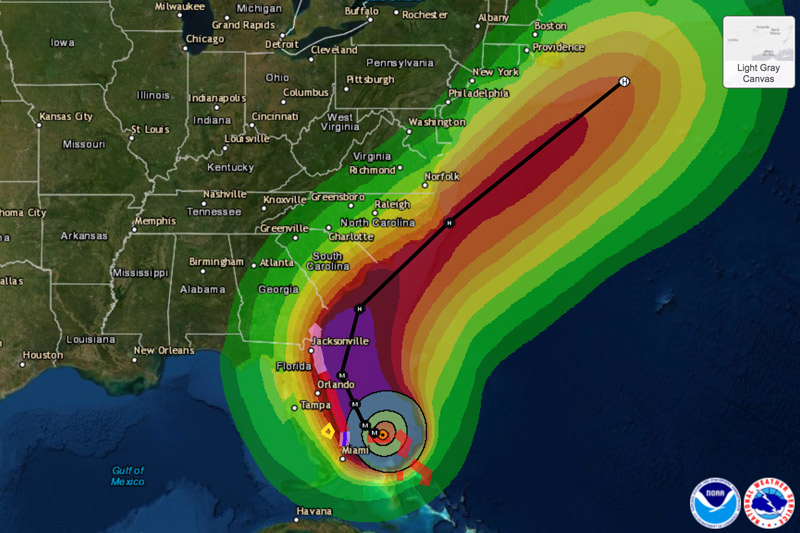
While Florida is known as the Sunshine State, it also lies within the Atlantic Hurricane Season belt. This article aims to demystify hurricane season for those looking to explore Orlando, providing essential insights into timing, potential impacts, and proactive planning strategies to ensure your travel experience remains exceptional, regardless of the weather forecast. Our comprehensive guide will cover everything from monitoring official advisories and securing travel insurance to understanding cancellation policies for accommodation and knowing what to do if a storm approaches. With a clear understanding of the risks and preparation steps, you can confidently plan your visit to this incredible destination, focusing on the magic rather than the meteorological worries.
Understanding Hurricane Season in Florida and Orlando
The prospect of a hurricane can be daunting, but with accurate information and a calm approach, travelers can navigate the season with confidence. Florida’s location makes it susceptible to tropical weather systems, yet Orlando’s inland position often provides a different experience than coastal regions.
The Atlantic Hurricane Season Calendar
The official Atlantic Hurricane Season runs from June 1st to November 30th each year. During this six-month period, tropical storms and hurricanes can form in the Atlantic Ocean, Caribbean Sea, and Gulf of Mexico. While the season spans half the year, historical data indicates that the peak activity typically occurs from mid-August through October. This is when sea surface temperatures are warmest, providing the necessary fuel for these powerful weather systems to develop and intensify. Early season storms (June and July) and late season storms (November) are less frequent but can still occur.
It’s important to differentiate between tropical storms and hurricanes. Tropical storms carry strong winds and heavy rainfall, but hurricanes are more intense, categorized by wind speeds reaching 74 mph (119 km/h) or higher. While a tropical storm can certainly impact travel plans with rain and wind, a hurricane presents a more significant threat, potentially leading to widespread power outages, flooding, and substantial disruptions. Planning your trip during the quieter months, such as early June or late November, might reduce the likelihood of encountering a major storm, but preparedness remains key throughout the entire season.
Orlando’s Unique Geographical Position
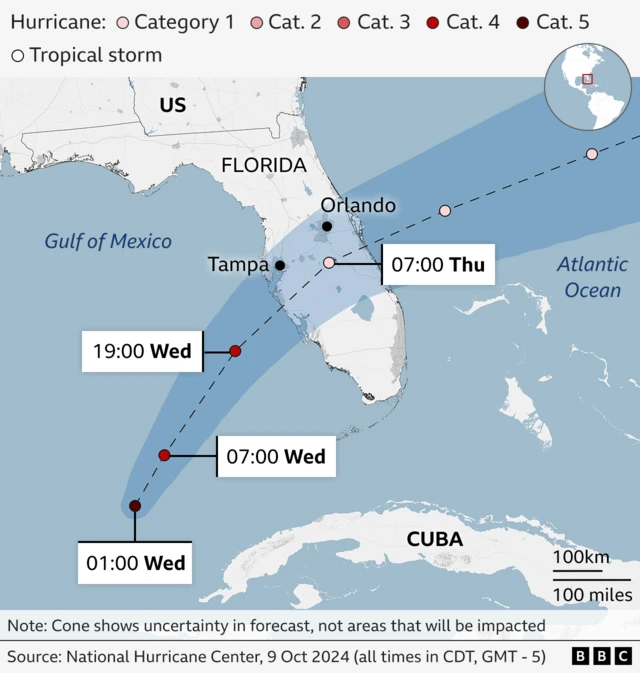
Unlike coastal cities such such as Miami, Tampa Bay, or Jacksonville, Orlando is situated approximately 45-75 miles inland, depending on the specific location within the greater Orlando metropolitan area, away from the immediate brunt of a hurricane’s storm surge. This inland location offers a degree of natural protection, as the most destructive element of many hurricanes—the storm surge—primarily impacts coastal areas. By the time a hurricane reaches Orlando from either the Atlantic or the Gulf of Mexico, it has often weakened significantly, sometimes downgrading to a tropical storm or tropical depression.
However, “weakened” does not mean “harmless.” Even a downgraded storm can bring substantial impacts to Orlando. Travelers should anticipate:
- Heavy Rainfall: Tropical systems are notorious for drenching rains, which can lead to localized flooding, especially in low-lying areas or those with poor drainage. This can affect road conditions and outdoor activities.
- Strong Winds: While not at coastal hurricane force, winds can still be powerful enough to cause property damage, knock down trees, and disrupt power lines. Gusts can make driving difficult and impact outdoor attractions.
- Power Outages: Widespread power outages are a common consequence of hurricanes and tropical storms, affecting everything from hotel services to traffic lights.
- Disruptions to Travel and Attractions: Orlando International Airport (MCO) may experience delays or cancellations, and major theme parks like Walt Disney World Resort and Universal Orlando Resort may close for safety if severe weather is anticipated.
Understanding this balance—reduced direct hurricane force but continued vulnerability to significant impacts—is crucial for travelers preparing for an Orlando vacation during these months.
Planning Your Orlando Trip During Hurricane Season
While the peak hurricane season months align with popular travel times, especially for families looking to take advantage of school breaks, smart planning can mitigate potential disruptions and ensure a worry-free experience.
Monitoring Weather and Official Advisories
The most critical step in planning a trip during hurricane season is to stay informed. Rely on reputable and official sources for weather forecasts and storm updates. Key resources include:
- National Oceanic and Atmospheric Administration (NOAA): The primary source for all weather-related information in the United States.
- National Hurricane Center (NHC): A division of NOAA, the NHC provides real-time tracking, forecasts, and advisories for tropical cyclones in the Atlantic. Their website is an indispensable tool for understanding a storm’s projected path and intensity.
- Florida Emergency Management: This state agency offers specific guidance for residents and visitors on preparedness, evacuation routes, and post-storm recovery.
- Local News Outlets: Tune into Orlando-specific news channels or websites for localized impacts and instructions, as they will provide the most relevant information for your immediate area.
Begin monitoring these sources several weeks before your trip and continue daily as your departure date approaches. Pay attention to terms like “tropical depression,” “tropical storm watch,” “tropical storm warning,” “hurricane watch,” and “hurricane warning,” understanding what each implies for your safety and travel plans. Many hotels and resorts in Orlando also have robust communication systems in place to inform guests of severe weather and their operational plans.
The Role of Travel Insurance
For anyone traveling to Florida during hurricane season, travel insurance is highly recommended, if not essential. It provides a financial safety net against unforeseen events that could disrupt or cancel your trip. Not all policies are created equal, so read the fine print carefully.
Look for policies that specifically cover:
- Trip Cancellation/Interruption: This protects you if you have to cancel your trip before departure or cut it short due to a covered reason, such as a named storm threatening your destination.
- Travel Delay: Reimburses you for additional expenses (like extra accommodation or meals) if your journey is delayed due to weather.
- Baggage Delay/Loss: Useful if flights are rerouted or delayed, leading to lost luggage.
- “Cancel for Any Reason” (CFAR) Coverage: This is the most flexible and comprehensive option, allowing you to cancel your trip for any reason (including fear of a hurricane, even if no official warning is issued) and receive a partial refund (typically 50-75% of non-refundable costs). However, CFAR policies are usually more expensive and must be purchased within a short window of your initial trip deposit.
Remember that most standard policies will not cover cancellations if a storm has already been named and is tracking towards Florida before you purchase the insurance. Always buy travel insurance early in your planning process to ensure maximum coverage.
Accommodation and Booking Flexibility
When booking your hotel, resort, or villa in Orlando, prioritize flexibility. Many properties, especially those affiliated with major brands like Marriott, Hilton, or Hyatt, offer flexible cancellation policies that allow you to modify or cancel your reservation without penalty up to a certain number of days before arrival.
- Understand Cancellation Policies: Before committing, read the terms and conditions for your chosen accommodation and flights. Some airlines and hotels may issue waivers during hurricane threats, allowing fee-free changes, but this is not guaranteed for every situation.
- Consider On-Site Resorts: Staying at an on-site Walt Disney World Resort hotel or Universal Orlando Resort hotel can offer advantages during severe weather. These resorts often have robust emergency plans, backup generators, and may even offer limited activities or dining options if the parks close. Their transportation systems can also be a benefit if driving conditions become hazardous.
- Look for Generator-Equipped Properties: If power outages are a concern, inquire whether your chosen hotel has backup generators to maintain essential services.
Booking refundable options for both accommodation and flights, combined with comprehensive travel insurance, creates a strong safety net for your Orlando travel during hurricane season.
What to Expect and How to Prepare if a Storm Approaches
Despite all planning, a storm might still approach during your visit. Knowing what to expect and how to react is crucial for your safety and peace of mind.
Potential Impacts on Attractions and Services
The biggest concern for tourists is often how a hurricane might impact their planned activities. Orlando’s major theme parks have well-established hurricane policies and typically operate until conditions are deemed unsafe.
- Theme Parks: Walt Disney World Resort, Universal Orlando Resort, and SeaWorld Orlando prioritize guest and employee safety. They will typically announce closures or altered operating hours well in advance if a severe storm is imminent. These closures are infrequent but possible, especially for direct hits or strong tropical storms. Check their official websites or apps for the latest updates.
- Flights: Orlando International Airport (MCO) and nearby airports like Orlando Sanford International Airport (SFB) will likely experience delays, cancellations, and even full closures if hurricane-force winds or severe weather impact the region. Always confirm your flight status directly with your airline.
- Roads and Transportation: Heavy rains can lead to flooded roads, making driving hazardous. Public transportation services may also be curtailed or suspended. If you have a rental car, be aware of conditions and avoid driving through standing water.
- Other Attractions and Landmarks: Smaller attractions, museums, shopping centers, and restaurants might also close or operate with limited hours. Even beautiful outdoor spaces like Lake Eola Park or the attractions at Icon Park would be impacted by severe weather.
If the parks close, your resort or hotel may offer indoor activities, special character greetings, or additional dining options to keep guests entertained and fed. This is where staying at a full-service resort can be particularly beneficial.
Essential Hurricane Preparedness Kit
If you find yourself in Orlando when a storm approaches, having a small personal preparedness kit is a good idea. While many hotels will have emergency supplies, having your own essentials adds an extra layer of readiness.
Consider packing or purchasing these items upon arrival:
- Water: At least one gallon per person per day for several days.
- Non-Perishable Food: Snacks, energy bars, and easy-to-prepare items.
- Flashlight and Extra Batteries: Essential for power outages.
- Portable Phone Charger/Power Bank: Keep your devices charged to stay informed.
- First-Aid Kit: Basic supplies for minor injuries.
- Prescription Medications: Ensure you have enough for several days.
- Important Documents: Keep identification, insurance policies, and reservation confirmations handy, preferably in a waterproof bag.
- Cash: ATMs may be unavailable during power outages.
- Entertainment: Books, games, or downloaded movies/shows for downtime.
Most importantly, follow the instructions of hotel staff and local authorities. They are best equipped to guide you through any emergency situation.
Evacuation Plans and Local Resources
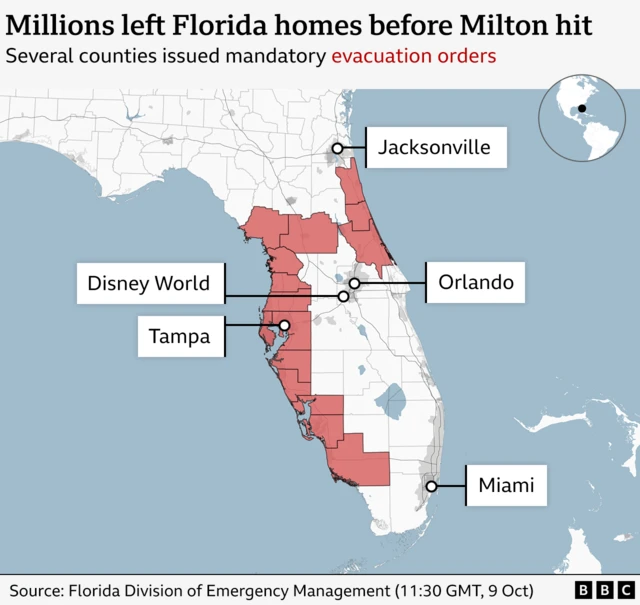
In rare instances, and typically for more severe storms, local authorities may issue evacuation orders for certain areas. While Orlando is less likely to be under mandatory evacuation than coastal regions, it’s still prudent to be aware.
- Know Your Evacuation Zone/Route: Though primarily for residents, understanding if your accommodation falls within a flood-prone area or designated evacuation zone can be helpful. Florida’s emergency management website offers interactive maps.
- Local Shelters: If evacuation is necessary and you don’t have alternative plans, local emergency shelters are established. Your hotel will typically provide information on the nearest shelter.
- Communication: Have a communication plan with your family or travel companions. Text messages often get through when phone calls won’t. Inform someone outside the area of your whereabouts and plans.
The vast majority of hurricane season visits to Orlando pass without incident. However, being prepared means you can react calmly and effectively if a storm does develop.
Embracing Orlando Beyond the Storm Season: A Year-Round Destination
While hurricane season demands vigilance, it’s vital to remember that Orlando is a fantastic destination year-round. Many travelers intentionally visit during the hurricane season months, and for good reason.
The Advantages of Off-Peak Travel
Traveling during parts of the hurricane season can offer distinct benefits:
- Fewer Crowds: The peak hurricane months, particularly September and early October, often coincide with lower crowd levels at the theme parks and attractions. This can mean shorter wait times for rides, easier dining reservations, and a more relaxed overall experience. Imagine walking onto your favorite ride at Magic Kingdom with minimal wait or enjoying the wizarding world at Universal Studios Florida without the summer crush.
- Potentially Lower Prices: With lower demand, hotels, flights, and even park tickets might be available at reduced rates. This can lead to significant savings, making a luxury Orlando experience more accessible or freeing up budget for more activities or dining. For budget-conscious travelers, this timing can be highly appealing.
- Comfortable Weather (outside of storms): While humid, the temperatures in early June and late November can be quite pleasant, avoiding the intense heat of mid-summer. Even during the peak season, the mornings and evenings can be delightful.
Beyond the theme parks, Orlando offers a wealth of tourism experiences. Explore the upscale boutiques and charming streets of Winter Park, discover the vibrant arts scene downtown, or venture to nearby attractions like the Kennedy Space Center Visitor Complex near Cocoa Beach or the family-friendly fun in Kissimmee. Shopping along International Drive, experiencing the innovative community of Lake Nona, or indulging in Orlando’s diverse culinary scene are all fantastic options that often continue unimpeded by distant weather systems.
Orlando’s Resilience and Continuous Appeal
Florida’s tourism industry, particularly in Orlando, is incredibly resilient and well-practiced in managing tropical weather. The infrastructure is designed to withstand strong winds and heavy rain, and emergency services are highly efficient. The major theme parks and resorts invest heavily in weather monitoring and guest safety protocols, ensuring they can react swiftly and effectively to any threat.
The reality is that direct hurricane strikes on Orlando are rare occurrences. Many years pass with no significant impact, and when storms do affect the area, they are usually much weaker than their coastal counterparts. The city quickly bounces back, and the magic continues.
By understanding the risks, implementing smart planning strategies like purchasing travel insurance and booking flexible accommodation, and staying informed, you can confidently experience all that Orlando has to offer. The unforgettable experiences, from thrilling rides to enchanting character encounters and delectable dining, await. Don’t let the weather forecast overshadow the immense joy and wonder that a trip to Orlando promises. Plan wisely, travel safely, and get ready for an adventure of a lifetime.
LifeOutOfTheBox is a participant in the Amazon Services LLC Associates Program, an affiliate advertising program designed to provide a means for sites to earn advertising fees by advertising and linking to Amazon.com. Amazon, the Amazon logo, AmazonSupply, and the AmazonSupply logo are trademarks of Amazon.com, Inc. or its affiliates. As an Amazon Associate we earn affiliate commissions from qualifying purchases.