
Florida, often dubbed the Sunshine State, is a magnet for travelers worldwide, drawn to its pristine beaches, vibrant cities, and world-class attractions. From the thrilling theme parks of Orlando to the art deco charm of Miami and the serene natural beauty of the Florida Keys, the state offers an unparalleled array of destinations and experiences. However, like any tropical paradise, Florida is also nestled within a region prone to tropical storms and hurricanes, particularly during specific months of the year. For any prospective visitor, understanding the nuances of Florida’s storm season isn’t about fear, but about smart planning, ensuring a safe, enjoyable, and uninterrupted journey.
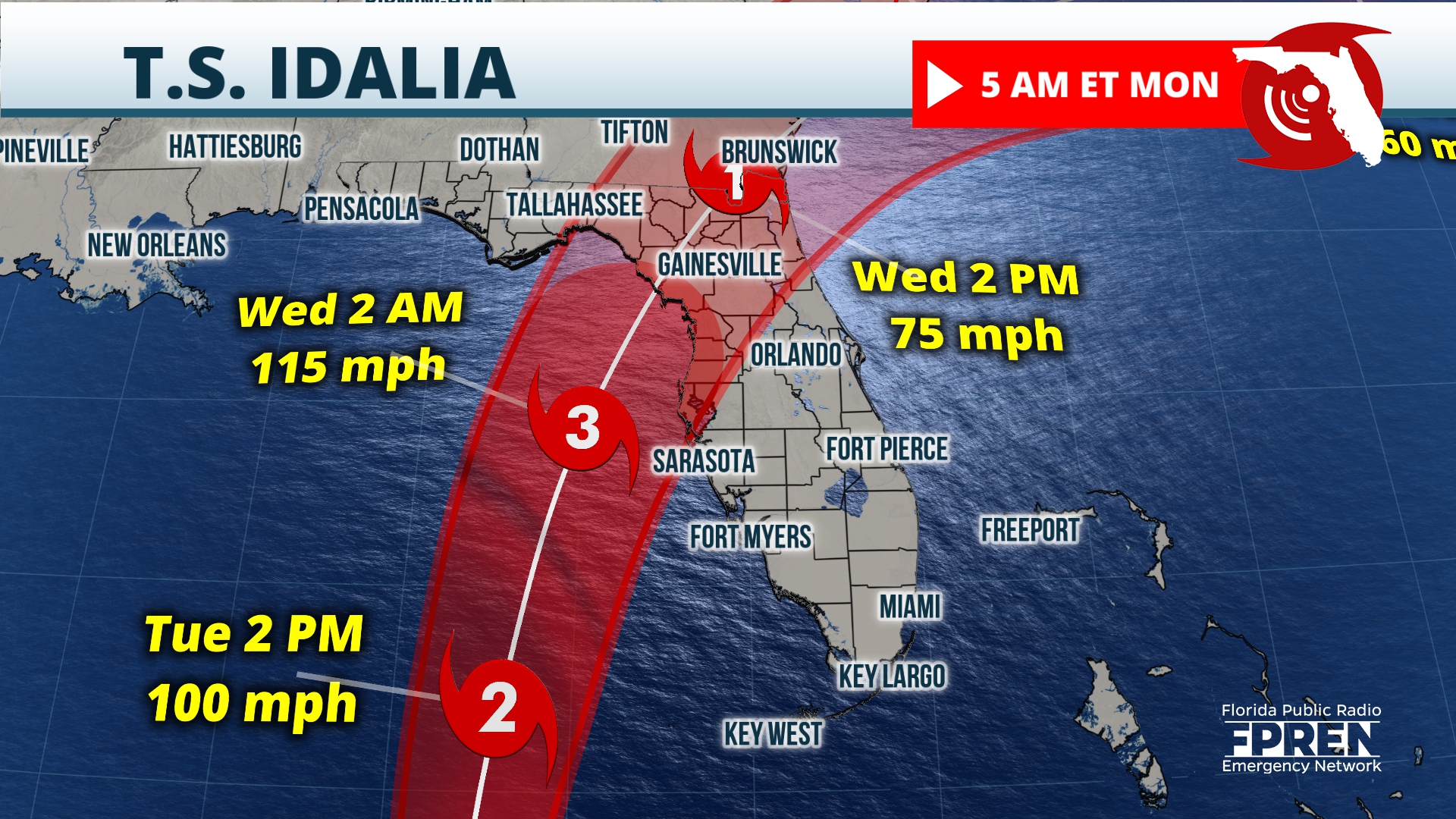
This comprehensive guide, tailored for savvy travelers, aims to demystify the question, “When will the storm hit Florida?” by providing actionable insights, expert tips, and essential information for planning your perfect Florida getaway. We’ll delve into the typical storm patterns, how Florida’s robust tourism infrastructure prepares, and how you can safeguard your travel plans while still experiencing the best of what the state has to offer.
Navigating Florida’s Storm Season: A Traveler’s Guide
Understanding the rhythm of Florida’s weather is the first step in planning a seamless vacation. While the state enjoys abundant sunshine for much of the year, its geographical position makes it susceptible to tropical weather systems during certain months.
Understanding the Atlantic Hurricane Season
The official Atlantic Hurricane Season runs from June 1st to November 30th each year. Within this six-month window, the peak activity typically occurs between mid-August and late October. This is when the ocean waters are warmest, providing the necessary energy for tropical depressions to intensify into tropical storms and, potentially, hurricanes.
It’s crucial to remember that “storm season” doesn’t mean constant storms. Most days during this period are sunny and beautiful, ideal for enjoying Florida’s beaches and outdoor activities. However, it does mean that visitors should be aware of the possibility and take proactive steps in their planning. Monitoring reputable weather sources like the National Hurricane Center (NHC) and NOAA is highly recommended, especially in the week leading up to and during your trip. These organizations provide timely and accurate forecasts, giving travelers ample notice should a system begin to develop.
Key Considerations for Planning Your Trip
When planning your Florida adventure, especially during the storm season, several factors come into play, influencing everything from your accommodation choices to your itinerary.
- Best Times to Visit: If avoiding the storm season entirely is your priority, consider visiting Florida between December and May. These months typically offer cooler temperatures, lower humidity, and significantly reduced risk of tropical weather. However, this also coincides with peak tourist season, meaning higher prices for hotels and flights. For those willing to embrace the shoulder season (early June or late November), you might find better deals and fewer crowds, with a slightly increased but manageable risk of weather disruption.
- Flexibility is Key: During hurricane season, building flexibility into your travel plans is paramount. Look for hotels, resorts, and airlines that offer flexible cancellation or rebooking policies. Many providers, especially in Florida, are accustomed to adjusting to weather events and often have specific policies in place for named storms. This flexibility can be a lifesaver if you need to postpone, reroute, or cut your trip short.
- Travel Insurance: This cannot be stressed enough. Comprehensive travel insurance is your best friend when traveling to Florida during hurricane season. Policies can cover trip cancellations or interruptions due to mandatory evacuations, flight delays, or closures of destinations or attractions. Carefully read the policy details to understand what is covered, especially regarding weather-related incidents. Purchasing insurance well in advance of a storm being named is critical, as policies often exclude coverage for foreseeable events.
Protecting Your Florida Vacation: Before, During, and After a Storm
Florida’s tourism industry is well-versed in storm preparedness and recovery, but individual traveler readiness remains crucial. Taking proactive steps can ensure your safety and minimize disruption.
Essential Pre-Trip Preparations
Before you even pack your suitcases for your Florida adventure, there are several vital preparations to make, especially if you’re traveling during the hurricane season.
- Stay Informed: Beyond checking weather forecasts, sign up for local emergency alerts for the cities or regions you plan to visit. Many Florida counties offer text or email alerts that provide real-time updates on weather conditions, evacuation orders, and shelter information. Follow reputable local news outlets online.
- Know Your Accommodation’s Policies: Contact your hotel, resort, or villa rental company directly to inquire about their hurricane policies. Do they offer refunds or rebooking for weather-related cancellations? What are their emergency procedures? Are their buildings designed to withstand strong winds? Understanding these details can provide peace of mind and guide your booking decisions. Many major hotel chains like Marriott, Hilton, and Hyatt have robust crisis management plans.
- Emergency Contact List: Keep a digital and physical list of important contacts: your family and friends, your hotel, rental car company, airline, travel insurance provider, and the local emergency services number (911 in the USA).
- Digital Copies of Documents: Scan or photograph your passport, ID, travel insurance policy, airline tickets, and hotel reservations. Store them in a cloud service (like Google Drive or Dropbox) and email them to yourself or a trusted family member. This ensures access even if physical documents are lost or damaged.
On-the-Ground Safety and Resources

If a storm does threaten during your Florida stay, knowing what to do and where to find help is paramount.
- Heed Local Authorities: This is the golden rule. If local authorities issue evacuation orders, follow them immediately and without hesitation. These decisions are made for your safety. Information will be disseminated via local news, official government websites, and emergency alerts.
- Emergency Kit (If Staying Long-Term): For longer stays or long-term stays in a self-catering apartment or villa, consider assembling a small emergency kit with bottled water, non-perishable snacks, a flashlight, batteries, a first-aid kit, and any necessary medications. Most hotels will have emergency provisions, but it’s always wise to be prepared.
- Communication: Ensure your phone is fully charged. Portable power banks are invaluable during power outages. Inform family and friends of your whereabouts and plans.
- Hotel Emergency Plans: Familiarize yourself with your hotel’s specific emergency plans. Where are the emergency exits? What is the shelter-in-place procedure? Many Florida resorts and suites have designated safe areas and staff trained for emergency response.
Post-Storm Recovery and Resilience
Florida is renowned for its swift and efficient recovery efforts. While a severe storm can cause temporary disruption, the state’s tourism infrastructure is incredibly resilient.
- Patience and Understanding: Recovery takes time. Roads might be cleared quickly, but power restoration can take longer. Beaches may need cleaning, and some attractions might have delayed reopenings for safety inspections. Patience and understanding for local communities and service workers are highly appreciated.
- Check Before You Go: After a storm, always verify the operational status of attractions, restaurants, and transportation services before heading out. Official tourism boards for cities like Miami, Orlando, Tampa, or Jacksonville will provide updated information.
- Supporting Local Businesses: During recovery, supporting local businesses, from restaurants serving local food to boutique shops, can be a valuable way to contribute to the community’s rebuilding efforts. Many offer special deals or events to welcome visitors back.
Exploring Florida’s Resilience and Beauty Beyond the Forecast
Despite the potential for storms, Florida’s appeal as a premier travel destination remains undiminished. The state’s natural beauty, vibrant culture, and world-class entertainment offer compelling reasons to visit, even with careful weather awareness.
Iconic Landmarks and Attractions That Stand Strong
Florida’s major landmarks and attractions are built with resilience in mind, and their operators have sophisticated plans for guest safety and operational continuity.
- Theme Parks: Walt Disney World Resort in Orlando and Universal Orlando Resort are paragons of preparedness. They have detailed hurricane plans, including guest sheltering procedures and protocols for reopening as quickly and safely as possible. Closures are rare and only occur under severe threat, typically with ample warning. Guests with existing bookings are usually offered options for rebooking or refunds.
- Coastal Cities and Beaches: From the iconic South Beach in Miami to the sugary sands of Clearwater Beach on the Gulf Coast, Florida’s coastal areas are meticulously maintained. While some beaches might experience temporary erosion or debris after a storm, local authorities work diligently to restore them for public enjoyment. The vibrant culture and architecture of Miami and Key West often rebound quickly.
- Natural Wonders: Everglades National Park, a unique ecosystem, and other natural parks and nature preserves throughout Florida have their own hurricane protocols. While certain areas might be temporarily inaccessible, the broader beauty of Florida’s diverse landscapes, from its springs to its forests, remains a constant draw. Similarly, the Kennedy Space Center Visitor Complex on the Atlantic Coast has robust infrastructure to weather storms and is typically quick to resume operations.
Adapting Your Lifestyle for Uninterrupted Enjoyment
Travel is not just about destinations; it’s a lifestyle. Adapting your approach during Florida’s storm season allows for continued enjoyment, whether you’re seeking luxury travel or navigating on a [budget].
- Embrace the Off-Season Perks: Traveling during the storm season, particularly in the early or late parts of it, often means fewer crowds, shorter lines at attractions, and potentially lower prices on hotels and flights. This can translate into a more relaxed and affordable experience, offering excellent value for those who plan meticulously.
- Family Trips and Business Stays: For family trips, the smaller crowds can be a huge advantage. Many resorts and suites cater to families and have indoor amenities that can be enjoyed regardless of weather. For business stays, the increased flexibility offered by hotel chains and airlines during this period can be beneficial. Companies with offices in Florida are accustomed to contingency planning.
- Discovering Indoor Attractions: If a rainy day or a minor storm prevents outdoor activities, Florida boasts an incredible array of indoor attractions. Think museums, aquariums, indoor shopping malls, art galleries, and diverse culinary experiences. This highlights the richness of Florida’s tourism offerings beyond just its beaches.
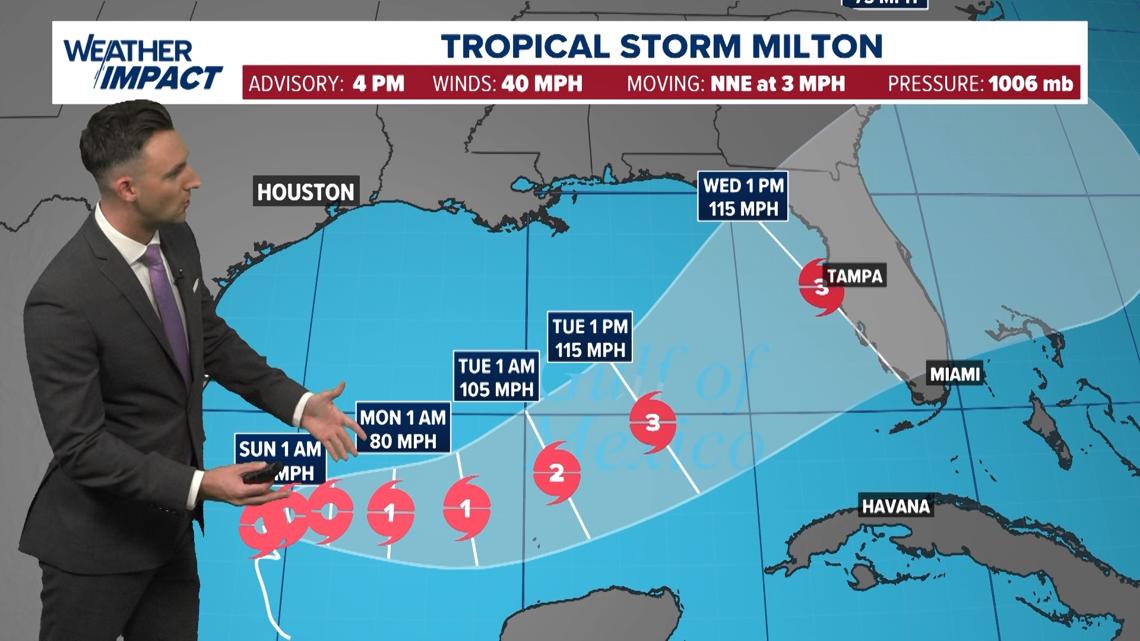
Making Informed Decisions for Your Florida Journey
The question “When will the storm hit Florida?” doesn’t have a single, simple answer. Instead, it invites a deeper understanding of meteorological patterns, risk management, and the incredible resilience of a state that thrives on welcoming visitors. While the Atlantic Hurricane Season presents a period of heightened awareness, it shouldn’t deter you from experiencing the magic of Florida.
By choosing the right time to visit, investing in robust travel insurance, staying informed through official channels, and understanding the preparedness measures taken by Florida’s hotels, attractions, and local authorities, you can significantly mitigate potential disruptions. Florida’s dedication to tourism means that safety and visitor experience are always top priorities.
Ultimately, a trip to Florida during hurricane season can still be an incredibly rewarding and unforgettable experience. With smart planning and a flexible mindset, you can enjoy the sunshine, the beaches, the thrills, and the vibrant culture that make the Sunshine State a beloved destination year-round. So, pack your bags, but also pack your common sense and an informed approach, and get ready to discover the endless wonders of Florida.
LifeOutOfTheBox is a participant in the Amazon Services LLC Associates Program, an affiliate advertising program designed to provide a means for sites to earn advertising fees by advertising and linking to Amazon.com. Amazon, the Amazon logo, AmazonSupply, and the AmazonSupply logo are trademarks of Amazon.com, Inc. or its affiliates. As an Amazon Associate we earn affiliate commissions from qualifying purchases.