
Hawaii, a paradise of volcanic landscapes, lush rainforests, and pristine beaches, beckons travelers with its unique blend of natural beauty and vibrant culture. Planning a trip to the Aloha State can be an overwhelming endeavor, especially when it comes to pinpointing the optimal time to visit. The “best” time to go to Hawaii is subjective, hinging on your personal priorities, whether you’re chasing the best weather, seeking fewer crowds, looking for specific activities like whale watching, or aiming for budget-friendly accommodations. This comprehensive guide will navigate you through the nuances of each season, empowering you to make an informed decision for your unforgettable Hawaiian adventure.
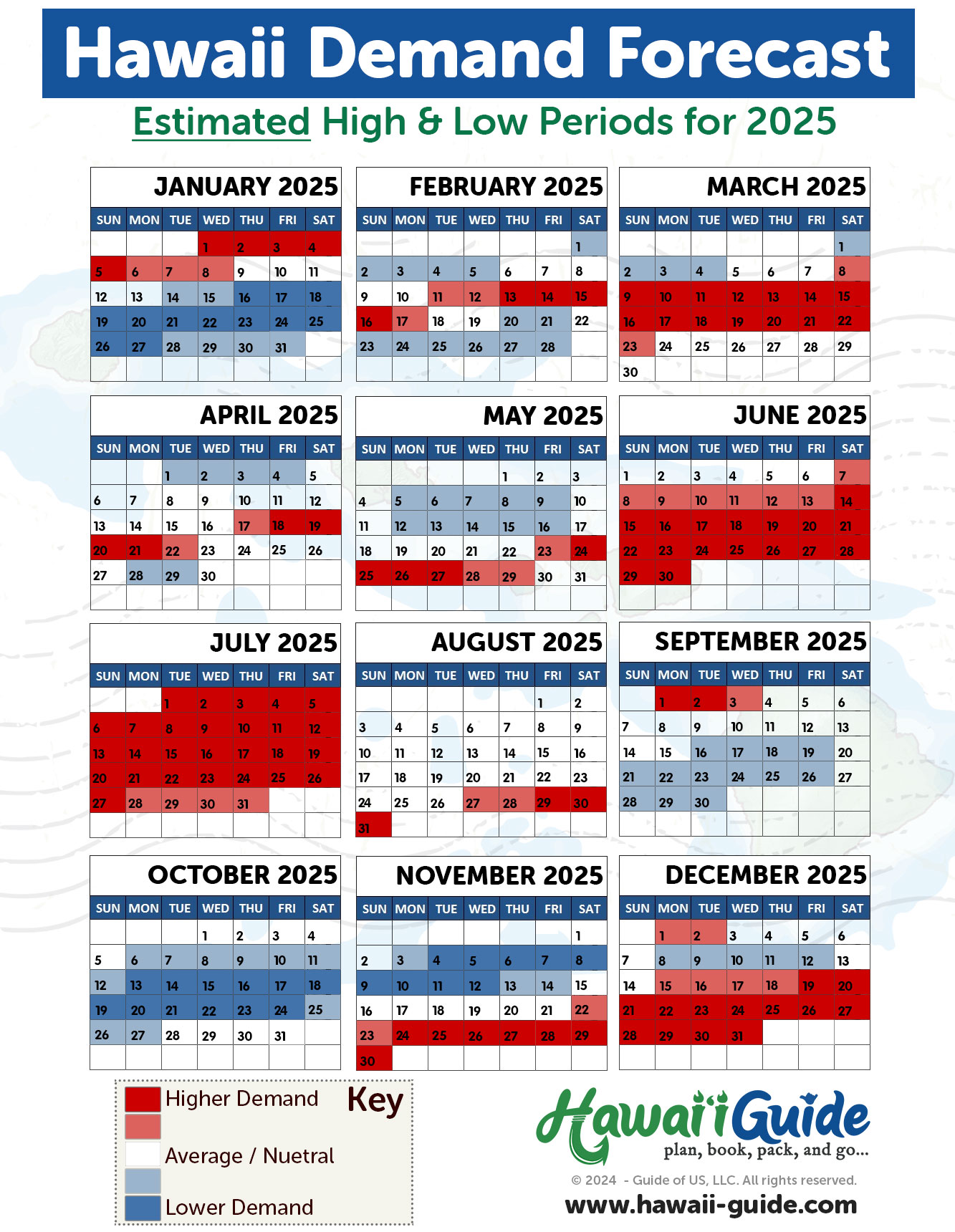
Understanding Hawaii’s Climate and Seasons
Unlike many destinations, Hawaii doesn’t experience distinct four seasons with drastic temperature shifts. Instead, it boasts a tropical climate characterized by two primary seasons: a warmer, drier summer (May to October) and a cooler, wetter winter (November to April). However, “wetter” in Hawaii doesn’t necessarily mean constant rain. The islands receive varying amounts of rainfall depending on the location and elevation. For instance, the windward sides of the islands tend to be wetter than the leeward sides, which are often sunnier and drier.
Temperatures remain pleasantly warm year-round, typically ranging from the mid-70s to the mid-80s Fahrenheit (around 24-30 degrees Celsius). Ocean temperatures are also consistently inviting, hovering between the mid-70s and low 80s Fahrenheit (24-28 degrees Celsius). This consistent warmth makes Hawaii a desirable destination any time of year.
However, subtle differences in weather patterns, along with tourism fluctuations, create distinct periods that might align better with your travel aspirations.
The Dry Season: May to October
The period from May to October is generally considered Hawaii‘s dry season, also known as the summer months. This is when you’ll likely experience the most sunshine and the least rainfall. This makes it an ideal time for sunbathing on world-renowned beaches like Waikiki Beach on Oahu, exploring the dramatic cliffs of the Na Pali Coast on Kauai, or embarking on hiking adventures through the lush interior of Maui.
Key characteristics of the dry season:
- Weather: Warmest temperatures, lowest humidity, and minimal rainfall, especially on the leeward sides of the islands. Expect average highs in the upper 80s Fahrenheit.
- Ocean Conditions: Generally calmer seas, particularly on the south shores, making them perfect for swimming, snorkeling, and beginner surfing. The waters are also at their warmest during this period.
- Crowds: This is peak tourist season, especially during summer school holidays. Expect larger crowds at popular attractions and on beaches.
- Prices: Accommodation and flight prices tend to be at their highest due to increased demand. Booking well in advance is crucial to secure desirable lodging and better rates.
Ideal for: Travelers who prioritize sunshine, warm ocean waters, and are less concerned about budget or crowds. It’s a fantastic time for families, honeymooners, and anyone looking for a classic Hawaiian beach vacation.
The Wet Season: November to April
The period from November to April marks Hawaii‘s wet season, often referred to as winter. While this season brings more rain, it’s important to remember that Hawaii‘s rainfall is often localized and intermittent. You can still enjoy plenty of sunshine, particularly on the leeward coasts. The rain showers, when they occur, are often brief and refreshing, contributing to the islands’ vibrant green landscapes.
Key characteristics of the wet season:
- Weather: Slightly cooler temperatures, higher humidity, and increased rainfall. Highs typically range in the mid-70s Fahrenheit. While the north shores can experience more significant waves and storms, the south shores usually remain calmer.
- Ocean Conditions: The north shores of the islands come alive with powerful surf, attracting professional surfers to iconic spots like Banzai Pipeline on Oahu. For swimmers and snorkelers, the south shores often offer more tranquil waters.
- Crowds: While the holiday season (late December to early January) sees a surge in visitors, the rest of the wet season generally experiences fewer crowds compared to the summer months. This can lead to a more relaxed experience at attractions.
- Prices: You can often find more affordable deals on flights and accommodations during the shoulder months of the wet season (e.g., November, February, March), excluding the peak holiday period.
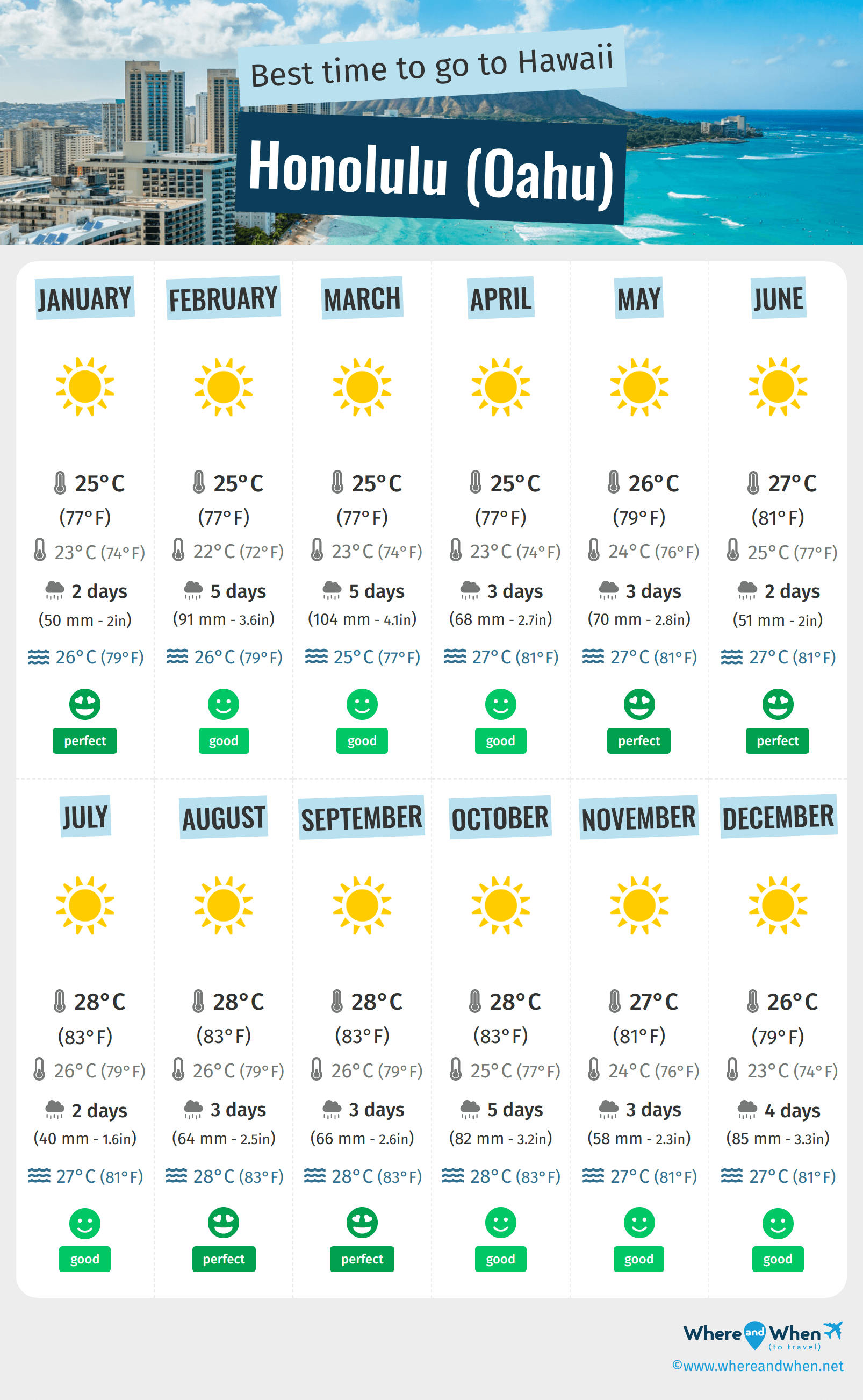
Ideal for: Budget-conscious travelers, surfers seeking world-class waves, and those who don’t mind the possibility of occasional rain showers in exchange for fewer crowds and potentially lower costs. It’s also the prime time for whale watching.
Special Considerations for Your Visit
Beyond the general climate and crowd patterns, several other factors can influence your decision on when to visit Hawaii. These include specific events, wildlife migrations, and personal travel preferences.
The Magic of Whale Watching Season
One of the most compelling reasons to visit Hawaii during the wet season is the incredible opportunity to witness the majestic humpback whales. From December to April, thousands of these gentle giants migrate from Alaska to the warm waters of Hawaii to breed and give birth. The waters off Maui, particularly around the island of Molokai and Lanai, are renowned as one of the best places in the world for whale watching.
Highlights of whale watching season:
- Peak Activity: January and February typically offer the highest chances of spotting whales.
- Prime Locations: Maui‘s west and south shores are exceptionally popular for whale watching tours. You can also spot them from shore at various viewpoints.
- Tours and Experiences: Numerous boat tours are available, offering close-up encounters with these magnificent creatures. Many offer educational insights from experienced guides.
- Other Islands: While Maui is the undisputed champion, whales can also be seen around the other Hawaiian islands.
For wildlife enthusiasts, this period is an absolute must. Even if you’re not specifically going for whale watching, the presence of these marine mammals adds a unique dimension to any Hawaiian trip during these months.
Festivals, Events, and Local Culture
Hawaii is rich in cultural traditions and hosts numerous festivals and events throughout the year. These celebrations offer a deeper immersion into the local way of life, providing unique experiences that go beyond typical tourist attractions.
- Merrie Monarch Festival (April): Held on Big Island around Easter, this is the most prestigious hula competition in the world. It’s a week-long celebration of Hawaiian culture, featuring mesmerizing performances, crafts, and food. It draws significant crowds and requires booking accommodations far in advance.
- Kona Coffee Festival (November): Celebrating the world-renowned Kona coffee, this festival on Big Island features coffee tasting, farm tours, and local entertainment.
- Aloha Festivals (September/October): This statewide celebration honors Hawaiian culture and history with parades, music, dance, and storytelling events across the islands.
- Chinese New Year (Late January/Early February): Celebrated with vibrant parades and festivities, particularly in Chinatown on Oahu.
Attending these events can significantly enrich your travel experience, but they also mean increased demand and higher prices for lodging and flights during those specific dates. Researching local events during your intended travel period can add a fascinating cultural layer to your trip.

Budget Travel and Avoiding Crowds
If your primary concern is maximizing your budget or enjoying a more tranquil experience, timing your visit strategically is key.
- Shoulder Seasons: The periods just before and after the peak seasons often offer the best value and fewer crowds.
- Spring: April and May (after the wet season and before the summer rush).
- Fall: September and October (after the summer holidays and before the winter surge).
- Avoid Major Holidays: Prices and crowds skyrocket around Christmas, New Year’s, and during major school breaks like spring break and summer vacation. Traveling during the weeks immediately before or after these periods can offer a significant cost saving.
- Island Choice: Some islands are naturally less crowded than others. For instance, Molokai and Lanai are generally quieter than Oahu or Maui. Consider exploring these less-traveled gems for a more serene escape.
- Accommodation Booking: Regardless of the season, booking your accommodation well in advance is crucial. Whether you’re looking for a luxurious suite at the Halekulani on Oahu, a family-friendly resort like the Grand Wailea on Maui, or a private villa, early booking often secures better rates and availability. Exploring options on comparison websites can also help you find the best deals.
By carefully considering these factors, you can tailor your Hawaiian vacation to your specific needs, whether you’re a family seeking sun-drenched days at Kaanapali Beach, a couple looking for a romantic getaway with sunset views from the Fairmont Kea Lani, or an adventurer eager to explore the volcanic landscapes of Hawaii Volcanoes National Park. Ultimately, the best time to go to Hawaii is the time that best suits you.
LifeOutOfTheBox is a participant in the Amazon Services LLC Associates Program, an affiliate advertising program designed to provide a means for sites to earn advertising fees by advertising and linking to Amazon.com. Amazon, the Amazon logo, AmazonSupply, and the AmazonSupply logo are trademarks of Amazon.com, Inc. or its affiliates. As an Amazon Associate we earn affiliate commissions from qualifying purchases.