
Deciding when to book your flight to the middle of the Pacific Ocean is a task that depends entirely on what you hope to experience. Hawaii is a destination of eternal allure, offering everything from the adrenaline-pumping surf of Oahu to the volcanic majesty of the Big Island. Because the islands enjoy a tropical climate year-round, there is no “bad” time to visit; however, there is certainly a “best” time depending on your travel preferences, budget, and tolerance for crowds.
Understanding the Hawaiian Climate and Peak Seasons
To navigate the best times for a vacation, one must first understand that Hawaii essentially experiences two seasons: “kau” (summer) and “hooilo” (winter).
The Summer Sweet Spot
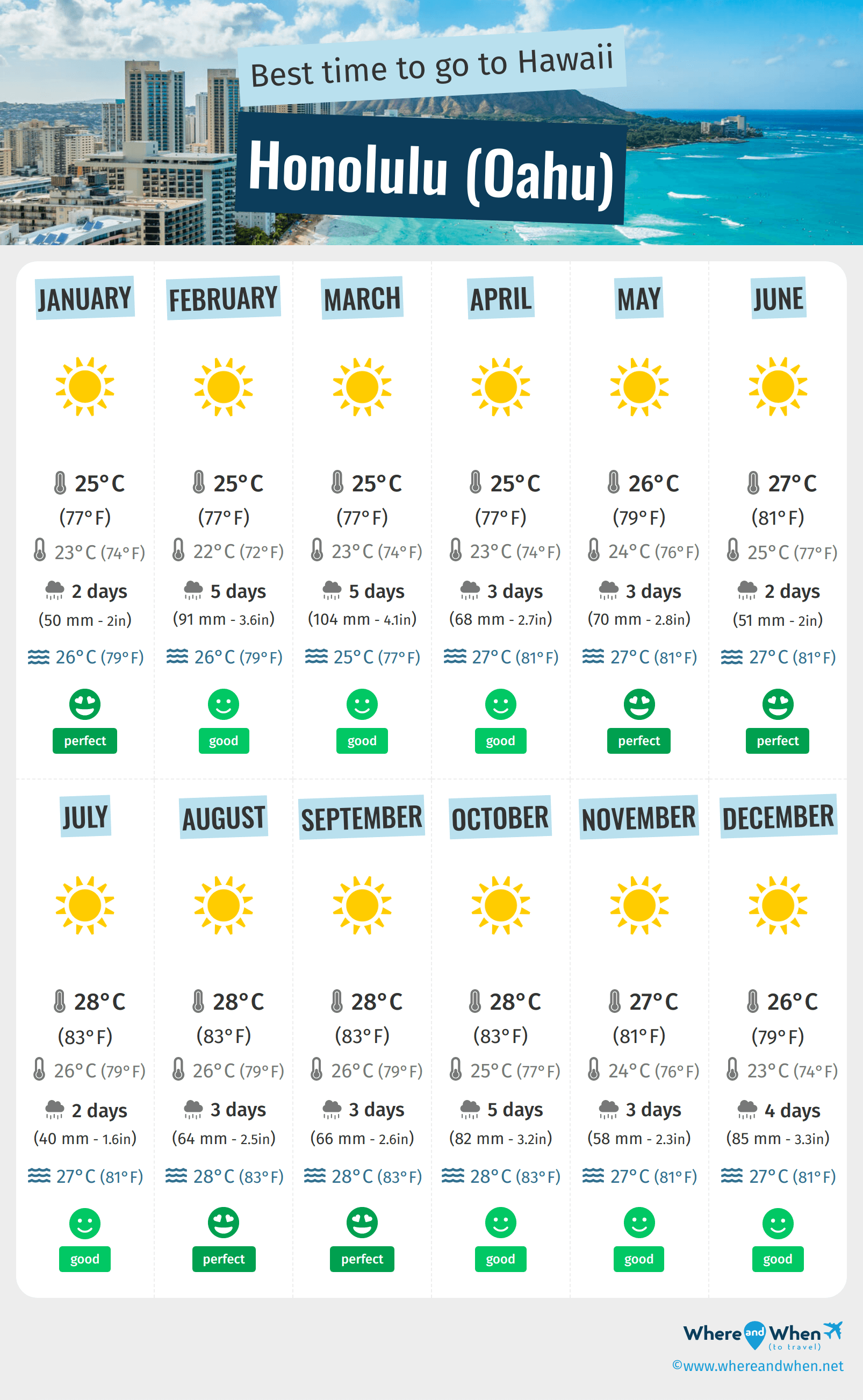
Summer in Hawaii, lasting from May through October, brings warmer temperatures and drier weather. This is arguably the most popular time for families because it coincides with school holidays. If you are traveling to Maui or Kauai during these months, expect vibrant sunshine and calm, crystal-clear waters perfect for snorkeling at Hanauma Bay or swimming near Waikiki Beach. The trade-off is the increased volume of visitors and higher pricing for flights and lodging.
The Winter Charm
Winter, running from November to April, is characterized by slightly cooler temperatures and increased rainfall, particularly on the windward sides of the islands. However, this is also when the North Shores become a mecca for professional surfers and when the humpback whales migrate through the channel. If you prioritize solitude and can brave a brief afternoon shower, the shoulder months of November or April often provide the perfect balance of reasonable prices and pleasant, manageable weather.
Timing Your Visit by Interest and Activity
Beyond the weather, your choice of when to visit should be dictated by the specific bucket-list items you intend to check off.
Chasing the Waves and Wildlife
If you are a surf enthusiast, the winter months are non-negotiable. The North Shore of Oahu hosts world-class competitions like the Vans Triple Crown of Surfing. During this period, the waves at Banzai Pipeline are legendary, attracting the most elite talent in the world.
For those interested in marine life, whale watching is a highlight. From December through April, thousands of humpback whales return to the warm, shallow waters of the Maui Nui Basin to mate and give birth. Taking a boat tour off the coast of Lahaina or Kihei during February or March offers some of the best wildlife viewing opportunities on the planet.
Hiking and Exploring Volcanic Landscapes
For hikers aiming to tackle the summit of Haleakala National Park or the rugged trails of Waimea Canyon, the drier months are superior. Muddy trails during the winter can make trekking treacherous and less enjoyable. If your primary goal is to hike the Kalalau Trail on the Na Pali Coast, aiming for June or September will provide the most stable ground conditions and clearer vistas of the lush, serrated cliffs.

Navigating Crowds and Budget Constraints
One of the most significant factors for any traveler is the interplay between crowd density and cost. Hawaii is a premium destination, and pricing fluctuates dramatically based on the global travel calendar.
Avoiding the Holiday Surges
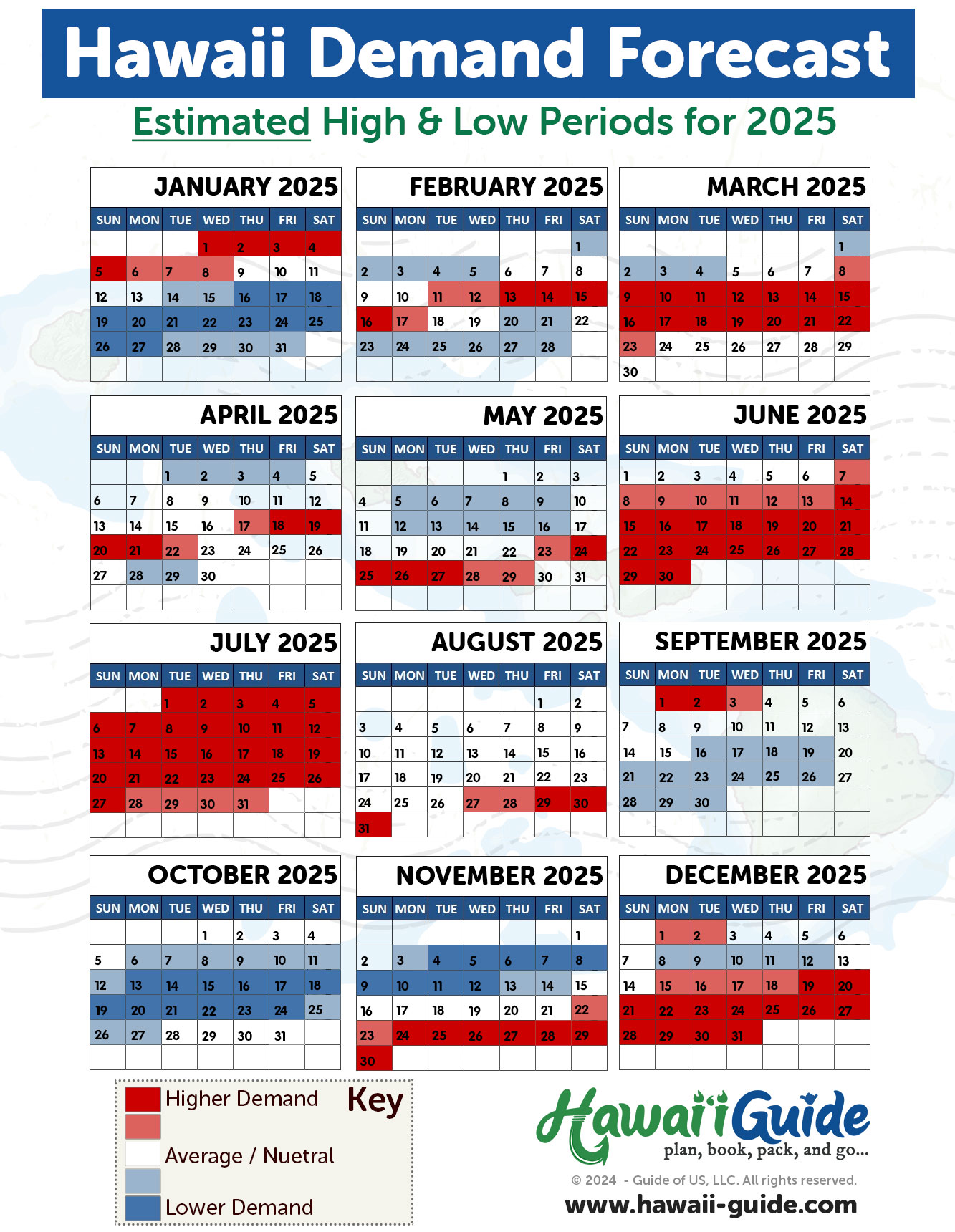
Travelers should be aware of the “peak of the peaks.” The weeks surrounding Christmas and New Year’s, as well as the mid-summer period of July and August, see the highest demand for Honolulu and other major hubs. During these times, accommodation rates at premium properties skyrocket, and popular spots like the Pearl Harbor National Memorial require advanced bookings months in advance.
The Financial Benefits of Shoulder Seasons
The most savvy travelers look to the “shoulder seasons”: mid-April to early June, and mid-September to mid-December. During these windows:
- Reduced Pricing: Airfare and resort rates often see a significant decline as the heavy vacation traffic subsides.
- Availability: You will find it much easier to secure reservations at top-tier restaurants and guided tours.
- Authentic Atmosphere: With fewer tourists clogging the trails and beaches, you get a much better sense of the local rhythm of life in towns like Hilo or Kailua-Kona.
Cultural Considerations and Seasonal Festivities
Hawaii is a place of deep-rooted culture and tradition. Choosing your time to visit based on local events can elevate your experience from a standard vacation to a deeply meaningful encounter with Hawaiian heritage.
Festivals and Events
If you visit in late September, you might catch the Aloha Festivals, a statewide celebration of Hawaiian culture that includes parades, street festivals, and music. Similarly, visiting in May allows you to witness Lei Day, an annual celebration held across all islands that showcases the intricate art of lei-making.
Respecting the Land and Culture
Regardless of the month you choose, being a respectful visitor is paramount. This means observing the “kapu” (taboo/forbidden) areas, practicing reef-safe habits when swimming at Hanauma Bay Nature Preserve, and supporting local businesses rather than solely focusing on massive international chains. Whether you are walking through the historic sites of the Iolani Palace or enjoying a sunset on the Kohala Coast, your timing should always be secondary to your demeanor.
Final Recommendations for Your Planning
To synthesize the best approach:
- For Perfect Weather & Families: Plan for June or August, keeping in mind the higher costs and crowds.
- For Surfers & Whale Lovers: Target February or March. Prepare for the possibility of intermittent rain.
- For Budget-Conscious Explorers: Aim for late April, May, or the weeks between Labor Day and Thanksgiving.
Hawaii is an archipelago that changes its mood with the shifting tides and seasonal winds. By aligning your itinerary with these natural and social cycles, you ensure that your visit to Polynesia is not just a standard holiday, but a journey tailored to your specific passions. Whether you spend your days exploring the botanical beauty of the Tropical Botanical Garden or simply resting on the sands of Poipu Beach, knowing when to go is the first and most important step in crafting the perfect getaway.
LifeOutOfTheBox is a participant in the Amazon Services LLC Associates Program, an affiliate advertising program designed to provide a means for sites to earn advertising fees by advertising and linking to Amazon.com. Amazon, the Amazon logo, AmazonSupply, and the AmazonSupply logo are trademarks of Amazon.com, Inc. or its affiliates. As an Amazon Associate we earn affiliate commissions from qualifying purchases.