
Imagine a landscape where swaying palm trees replace frosted evergreens, where the warmth of the sun kisses your skin instead of a biting chill, and where the sound of ocean waves drowns out the crunch of snow underfoot. This is the quintessential image of Florida, the Sunshine State, a perennial magnet for those seeking escape from winter’s grasp. Yet, the question lingers in the minds of many: “When’s the last time it snowed in Florida?” The very idea seems almost mythical, a curious anomaly in a state renowned for its year-round warmth, vibrant beaches, and world-class attractions. For travelers planning their next getaway, understanding Florida’s unique climate – and the rare instances of snow – offers a fascinating glimpse into its meteorological history and underscores its enduring appeal as a mild-weather destination.

A Rare Meteorological Phenomenon in the Sunshine State
The concept of snow in Florida is, for many, an oxymoron. It’s a state synonymous with warmth, humidity, and an abundance of sunshine. This fundamental climatic identity is precisely what makes any mention of snowfall such a captivating topic. For visitors accustomed to bracing winters in other parts of the world or the United States, the notion of snowflakes drifting over orange groves or sandy beaches adds an almost surreal touch to the travel narrative.
The Climate of Florida
Florida’s climate is primarily subtropical in the northern and central regions and tropical in the southern parts, including the Florida Keys. This geographic positioning, coupled with the warming influence of the Atlantic Ocean and the Gulf of Mexico, particularly the powerful Gulf Stream current, ensures that temperatures rarely plummet below freezing for extended periods. Winters are generally mild, characterized by pleasant, sunny days and cool, comfortable evenings. While cold fronts do occasionally sweep through, they typically bring only brief dips in temperature, making extended snowfall virtually impossible under normal circumstances. This consistent warmth is a cornerstone of Florida’s appeal as a travel destination, offering an ideal setting for outdoor activities, beach holidays, and explorations of its diverse natural landscapes even in the deepest months of winter elsewhere. It’s why so many choose Florida for their winter escapes, confident in the promise of sunshine and warmth.
Defining “Snow” in Florida
When Floridians and meteorologists talk about snow in Florida, it’s crucial to understand the distinction between various types of winter precipitation. True snow, requiring temperatures at or below freezing throughout the entire atmospheric column, is exceedingly rare. More commonly, what Florida experiences are “flurries” – light, sporadic snow that melts upon contact with the ground, often not even accumulating. On even rarer occasions, a “trace” amount might be reported, meaning there was some visible snowfall but not enough to measure. Accumulation, where snow actually settles and covers the ground, is a truly historic event, primarily confined to the northernmost parts of the state. These distinctions are important because while a fleeting flurry might cause a momentary stir, it’s the more significant, ground-covering events that truly capture the public imagination and become etched in local lore. For those considering a trip, rest assured that even during the coldest snaps, the chance of needing a snow shovel is negligible, and your winter wardrobe can safely remain light and summery.
A Historical Journey Through Florida’s Snowfalls
Given Florida’s climatic profile, any instance of snow is treated with a mix of awe and disbelief, quickly becoming a talking point across generations. These rare events serve as fascinating historical markers, revealing how unique and impactful such occurrences can be even in a state built on sunshine.
Documented Snow Events (Pre-20th Century)
While modern meteorological records are more precise, historical accounts paint a picture of sporadic snowfalls in Florida dating back centuries. One of the earliest widely cited records comes from January 1774, when snow was reported in what is now Jacksonville. Descriptions from the period noted that “the inhabitants were much surprised.” Fast forward to the 19th century, several significant cold snaps brought snow to various parts of the state. January 1800 saw snow reported as far south as St. Augustine. Perhaps the most impactful early event was the “Great Freeze” of February 1835, which saw temperatures plunge across the state and snow reportedly fall as far south as Tampa Bay, causing widespread damage to citrus crops – an economic staple even then. Another notable snowfall blanketed North Florida in February 1899, with some accounts suggesting light flurries even reached the vicinity of Miami. These early accounts, though sometimes less detailed than modern records, highlight that while rare, snow has always been a surprising, albeit fleeting, part of Florida’s natural history, often linked to extreme cold fronts that occasionally push deep into the southeastern United States.
The Great Florida Snow of 1977
For many Floridians, particularly those who lived through it, the “Great Florida Snow of 1977” remains the benchmark for significant snowfall in the state. On January 19, 1977, an unprecedented cold front, combined with moisture in the atmosphere, created the perfect, albeit rare, conditions for snow. For the first and only time in recorded history, snow fell in Miami. While only a dusting, it was a moment etched into the collective memory of residents.
The snowfall was more substantial further north. Jacksonville received several inches of snow, prompting school closures and creating a surreal, temporary winter wonderland. Reports of accumulating snow came from across North Florida, and light flurries were observed in Orlando and even parts of Central Florida. The event captivated the state and the nation, making headlines and showcasing a side of Florida rarely seen. Children, many of whom had never witnessed snow before, delighted in the fleeting opportunity to build miniature snowmen or simply touch the flakes. The economic impact was also significant, particularly for agriculture, but the lasting memory was the sheer wonder of the phenomenon. This event solidified the idea that while improbable, snow in Florida is not entirely impossible, adding a unique chapter to the state’s tourism and lifestyle narrative, where such an event becomes a shared cultural experience rather than a regular occurrence.
Subsequent Flurries and Frost (Post-1977)
Following the memorable snow of 1977, Florida has experienced several other, albeit less dramatic, winter weather events. These have largely consisted of flurries or trace amounts, predominantly in the northernmost counties. In December 1989, a severe cold snap brought light snow to portions of North Florida, including Jacksonville and Tallahassee, with some minor accumulation reported. These events, while exciting locally, didn’t extend as far south or create the same widespread impact as the 1977 snowfall.
More recently, a series of cold fronts in the early 2010s also brought isolated reports of flurries. For instance, in January 2010, residents in the Panhandle region reported brief snow showers. These instances are often localized and fleeting, serving as a reminder of how precise the atmospheric conditions must be for snow to even form, let alone reach the ground, in Florida’s mild climate.
The Most Recent Significant Sightings

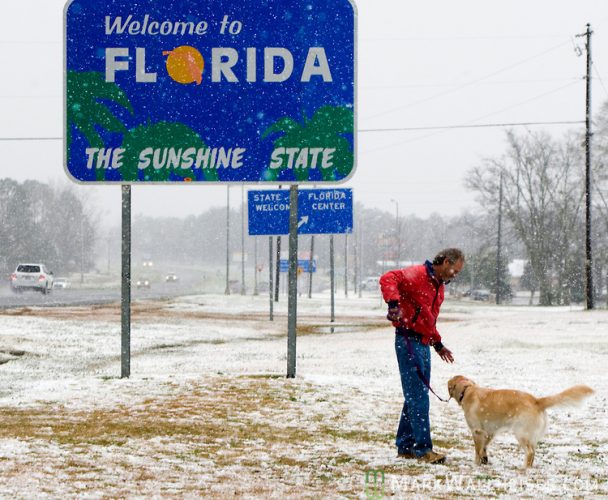
The most recent significant snowfall event in Florida occurred on January 3, 2018. A powerful “bomb cyclone” storm system, which brought unusually cold air down the United States East Coast, led to widespread reports of snow and sleet across the Florida Panhandle and into parts of North Florida. Cities like Tallahassee received a measurable accumulation, marking its first snow in nearly three decades. Schools and businesses closed, and roads became slick, a highly unusual sight for the capital city. While this event brought more substantial snow than typical flurries, it remained geographically limited to the northernmost part of the state and did not extend into Central Florida or South Florida in any measurable way. Thus, while 1977 remains the last time snow fell in Miami, the 2018 event in Tallahassee serves as the most recent instance of significant, accumulating snow in the state. These occurrences, while rare, offer a unique perspective on Florida’s dynamic weather patterns and provide delightful anecdotes for both locals and travelers, proving that even the Sunshine State can offer a fleeting glimpse of winter’s embrace.
The Uniqueness of a Florida Winter Experience
While the quest for snow in Florida is typically in vain, the allure of the state during its mild winter months is undeniable. Travelers flock to Florida precisely because of its predictable warmth, offering a stark contrast to the frosty landscapes elsewhere. This period transforms into a prime season for exploring the state’s diverse attractions without the sweltering heat of summer, making it an ideal destination for those seeking a different kind of winter escape.
Beyond Snow: Florida’s Unique Winter Attractions
Florida’s winter is not about snowmen and hot cocoa, but rather about vibrant outdoor experiences, sun-drenched beaches, and world-class entertainment. This is the peak season for visiting iconic theme parks like Walt Disney World and Universal Orlando Resort, where cooler temperatures make navigating the parks far more comfortable. The beaches, from the lively shores of South Beach in Miami to the tranquil sands of the Gulf Coast, remain inviting for swimming, sunbathing, and water sports.
Beyond the well-trodden paths, Florida’s natural beauty truly shines in winter. It’s the perfect time for wildlife viewing, as manatees gather in warm spring waters and migratory birds descend upon the state. Kayaking through crystal-clear springs, exploring the unique ecosystem of Everglades National Park, or cycling along coastal trails become highly enjoyable activities. Moreover, winter in Florida is synonymous with a packed calendar of cultural festivals, art fairs, and outdoor concerts, particularly in cities like Miami, Sarasota, and Naples, offering rich local experiences that connect visitors with Florida’s vibrant culture. This abundance of attractions positions Florida as a top-tier travel destination, offering an extensive array of experiences for every type of traveler.
Accommodation Choices for a Mild Winter
The mild winter weather also opens up a plethora of accommodation options that cater to every taste and budget, enhancing the overall travel experience. For those seeking luxury and indulgence, Florida boasts an impressive collection of five-star resorts in destinations like Palm Beach, Miami, and Orlando, complete with world-class spas, golf courses, and exquisite dining. Many resorts offer special winter packages, inviting guests to escape the cold and bask in tropical splendor.
For families or groups, spacious villas and vacation rentals, particularly popular around Orlando’s theme parks and along the coasts, provide a home-away-from-home experience with private pools and ample space. Boutique hotels in historic districts like St. Augustine or vibrant neighborhoods in South Beach offer unique charm and personalized service, immersing guests in local culture. For budget-conscious travelers, a wide range of comfortable and well-located hotels across the state ensures that a Florida winter getaway is accessible to all. From bustling city hotels to tranquil beachfront properties, the choices are vast, making booking and comparison an essential part of planning.
Planning Your Florida Winter Getaway
Successfully planning a winter trip to Florida requires a few considerations to maximize the experience. While snow is unlikely, packing layers is always a good idea, as evenings can be cool, especially in North Florida. Daytime temperatures are typically perfect for light clothing, swimwear, and comfortable walking shoes.
The winter months (roughly November to April) are Florida’s peak tourist season. This means popular attractions can be crowded, and accommodation prices may be higher. Booking well in advance, particularly for desirable hotels and resorts, is highly recommended. Utilizing travel guides and comparison sites for flights and lodging can help secure the best deals. Consider visiting in the shoulder months of November or May for slightly fewer crowds and still excellent weather. Additionally, exploring local culture through food tours, farmers’ markets, and smaller towns can offer a more authentic and less crowded experience, providing valuable tips for any visitor. Florida’s mild winter truly redefines the concept of a cold-weather escape, proving that the best kind of winter often involves sunshine and warmth.
The Allure of Florida: A Lifestyle Unaffected by Snow
Florida’s identity is inextricably linked to its climate. It’s a state where the outdoors is an extension of daily life, and the promise of perpetual sunshine shapes everything from architecture to agriculture. The absence of traditional winter weather isn’t merely a climatic fact; it’s a foundational element of the Florida lifestyle and a significant draw for its thriving tourism industry.
Embracing the Subtropical Lifestyle
The subtropical climate of Florida cultivates a distinctive lifestyle focused on outdoor living, recreation, and a laid-back pace. Unlike regions that hunker down for winter, Floridians embrace their pleasant “cold” season with open arms, enjoying activities year-round that would be impossible elsewhere. From dining al fresco almost every night to engaging in water sports in December, the daily rhythm here is one of constant connection with nature. The local culture thrives on this warmth, reflected in its vibrant food scene, which celebrates fresh, local produce and seafood. Citrus groves flourish, tropical fruits abound, and outdoor markets are a year-round staple. This seamless blend of nature and daily life, unhindered by snow, defines the true essence of Florida living and is a significant part of what makes it an attractive destination for both short-term visitors and those seeking a long-term stay. The lifestyle offers a refreshing change of pace, whether one is seeking luxury travel or a family trip.
Landmarks and Natural Wonders in Any Season
Florida’s’s iconic landmarks and natural wonders are accessible and captivating regardless of the season, a testament to its consistent climate. While a fleeting snowflake might be a story for the ages, the enduring appeal lies in the state’s stable beauty.
The raw, untamed wilderness of Everglades National Park continues to draw adventurers seeking to witness alligators, panthers, and diverse bird species in their natural habitat. The historic charm of St. Augustine, the nation’s oldest city, invites visitors to explore ancient forts and cobblestone streets under a benevolent sun. The futuristic marvels of the Kennedy Space Center Visitor Complex continue to inspire, providing a unique blend of history and innovation that never shutters for winter. Even the vibrant street art of Wynwood Walls in Miami or the serene beauty of the Florida Keys are best experienced without the distraction of cold weather. These attractions, alongside countless others, form the bedrock of Florida’s tourism, providing diverse experiences rooted in its geography, history, and natural splendor, all available year-round. They embody the architectural, historical, and natural richness that makes Florida a unique and highly sought-after travel destination.
So, when’s the last time it snowed in Florida? The answer depends on your location within the state, with the most recent significant accumulation occurring in Tallahassee in 2018, and the truly historic, widespread event reaching South Florida in 1977. While these rare meteorological events are fascinating footnotes in the state’s history, they are far from characteristic of a Florida winter. The true charm of the Sunshine State lies not in its ability to mimic northern winters, but in its steadfast refusal to do so. It’s a place where winter means sunshine, outdoor adventures, and a vibrant lifestyle that continues uninterrupted, solidifying its reputation as a premier destination for those seeking an eternal summer escape.
LifeOutOfTheBox is a participant in the Amazon Services LLC Associates Program, an affiliate advertising program designed to provide a means for sites to earn advertising fees by advertising and linking to Amazon.com. Amazon, the Amazon logo, AmazonSupply, and the AmazonSupply logo are trademarks of Amazon.com, Inc. or its affiliates. As an Amazon Associate we earn affiliate commissions from qualifying purchases.