
For the residents of Louisiana, snow is more than just a weather event; it is a mythical anomaly, a brief interruption of the subtropical rhythm that defines the American South. Known for its sweltering humidity, Mississippi River floods, and the vibrant, neon-soaked streets of New Orleans, the Pelican State is rarely associated with winter wonderlands. When the mercury drops and the sky turns gray, the atmosphere shifts from the laid-back pace of the bayou to a state of collective, breathless anticipation.
The Most Recent Widespread Phenomenon
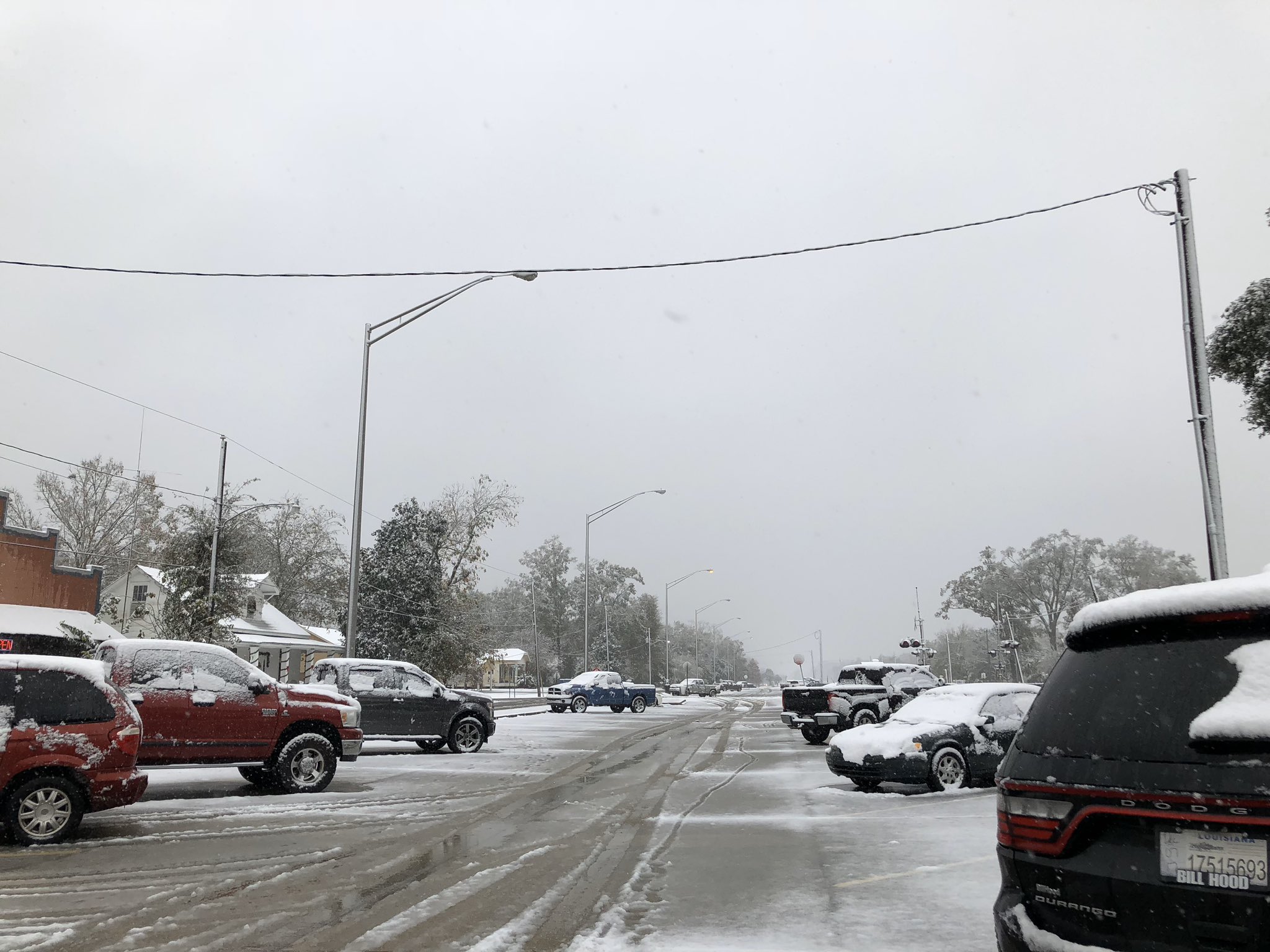
To answer the question of when it last snowed, one must look toward the historic events of February 2021. While Louisiana often sees trace amounts of “flurries” that disappear upon contact with the ground, the winter storm of mid-February 2021 was an unprecedented event that brought the state to a standstill. Arctic air plunged deep into the Gulf of Mexico, creating a rare meteorological collision.
The Impact on the Pelican State
In cities like Baton Rouge and Lafayette, residents woke up to a landscape transformed. The moss-draped Oak trees of City Park were dusted in white, and the iron balconies of the French Quarter were coated in a layer of sleet and snow. It was a visual contrast that photographers and locals captured with fervor—the juxtaposition of tropical architecture against a harsh, frozen backdrop. For a state unequipped for sub-freezing temperatures, the event served as both a beautiful spectacle and a reminder of the fragility of local infrastructure.
A Comparative Look at History
While 2021 remains the most vivid in recent memory, Louisiana has seen similar events in the past. The Great Blizzard of 1899, often referred to as the “Cold Wave of 1899,” is legendary among climate historians. During that event, temperatures in New Orleans plummeted to record lows, and snow blanketed the entire state from the Shreveport area all the way to the Gulf Coast. Unlike the quick-melting snows of modern times, the 1899 event left a lasting frozen impression that stayed on the ground for days, paralyzing commerce and travel throughout the region.
The Cultural Significance of Southern Snow
In a region where the culture is built around outdoor festivals, crawfish boils, and street parades, the arrival of snow functions as a “snow day” in the truest sense of the word. Everything stops. The usual hustle of Canal Street quiets down as people retreat indoors, not out of fear, but out of a rare, childlike delight at the transformation of their home environment.
Community Reactions and Shared Experiences
When the flurries start, the reaction is universally joyous. Social media feeds across the state become flooded with pictures of makeshift snowmen—often diminutive and muddy—standing proudly in front of Creole cottages. Neighbors share hot chocolate, children who have never seen snow rush to touch the ground, and the unique architecture of Louisiana, designed to vent heat and humidity, suddenly becomes a cozy, fire-warmed refuge. It is a time when the high-energy, music-filled atmosphere of Bourbon Street gives way to a hush that feels almost reverent.

Tourism and the “Snowfall” Travel Niche
For the adventurous traveler, catching a glimpse of snow in the deep South is considered a “bucket list” item. Because it is so rare, there is no infrastructure for skiing or winter sports, but the tourism sector experiences a unique uptick in curiosity. Visitors who happen to be in Louisiana during these rare windows find a state that feels entirely different. The absence of the typical stifling heat allows for long walks through the Garden District, where the white dusting emphasizes the intricate woodwork and wrought iron of the historic mansions.
Meteorological Realities in the Bayou State
The science behind why it rarely snows here is as fascinating as the events themselves. Louisiana sits at a latitude where the climate is dominated by warm, moisture-rich air currents. Snow requires a perfect synchronization of freezing temperatures throughout the entire atmospheric column, which is rarely achieved in this region.
The Role of Geography
The state’s proximity to the Gulf of Mexico acts as a thermal regulator. Even when a cold front pushes down from the Midwest or Canada, the warming influence of the water often creates a buffer. For snow to accumulate, the cold air must arrive with enough force to displace the warm maritime air that sits over New Orleans and the surrounding parishes. When this fails to happen, the precipitation usually falls as freezing rain or sleet rather than the light, powdery snow preferred for building snowmen.
Planning for the Unpredictable
Because these events are so infrequent, the state does not maintain a fleet of snowplows or extensive salt stockpiles. This reality makes even a light dusting of snow a significant logistical challenge. The roads, which are frequently subject to the intense heat and heavy rainfall of the region, react poorly to freezing conditions. Consequently, when the weather turns, the message from local authorities is always the same: stay home. This “forced downtime” is a rare, quiet chapter in the otherwise bustling narrative of Louisiana.
Looking Toward Future Winters
Will it snow again soon? According to climatologists, extreme weather events are becoming less predictable. While the average temperature in Louisiana continues to rise, the frequency of “polar vortex” events—where arctic air is pushed unusually far south—has led to some of the coldest winter days in recent history.
Embracing the Temporary
Whether it happens once a decade or once in a generation, snow in Louisiana is cherished as a fleeting treasure. It reminds residents and visitors alike of the interconnectedness of global climate patterns. When the next flurry descends upon the Atchafalaya Basin or the bustling corridors of Downtown Baton Rouge, it will surely be greeted with the same enthusiasm that it has been throughout history.

Final Thoughts for the Visitor
If you find yourself traveling through the South in the dead of winter, keep an eye on the forecast. While you should never pack for an arctic expedition, the possibility of a surprise snowfall provides a rare, magical glimpse into a side of Louisiana that most never get to see. From the quiet, snow-covered oaks of City Park to the silent streets of the French Quarter, the experience of seeing this vibrant state under a white blanket is a memory that stays with you long after the sun comes out and the ground returns to the familiar, humid earth of the bayou.
LifeOutOfTheBox is a participant in the Amazon Services LLC Associates Program, an affiliate advertising program designed to provide a means for sites to earn advertising fees by advertising and linking to Amazon.com. Amazon, the Amazon logo, AmazonSupply, and the AmazonSupply logo are trademarks of Amazon.com, Inc. or its affiliates. As an Amazon Associate we earn affiliate commissions from qualifying purchases.