
When travelers envision a trip to New Orleans, the mental imagery usually involves the humid, subtropical warmth of the Mississippi River delta, the rhythmic brass notes echoing through Bourbon Street, and the lush, sprawling oaks of City Park. Snow is rarely, if ever, a part of the equation. Yet, the question of when the city last saw a dusting of white remains a frequent curiosity for those fascinated by the meteorological quirks of the United States.
The Rare Winter Wonderland: Examining the Records
New Orleans is defined by its Southern charm and proximity to the Gulf of Mexico, which acts as a thermal blanket, keeping freezing temperatures at bay for the vast majority of the year. However, nature occasionally disrupts the rhythm of the Deep South, creating moments of bewilderment and wonder for its residents.
The Historic Event of 2008
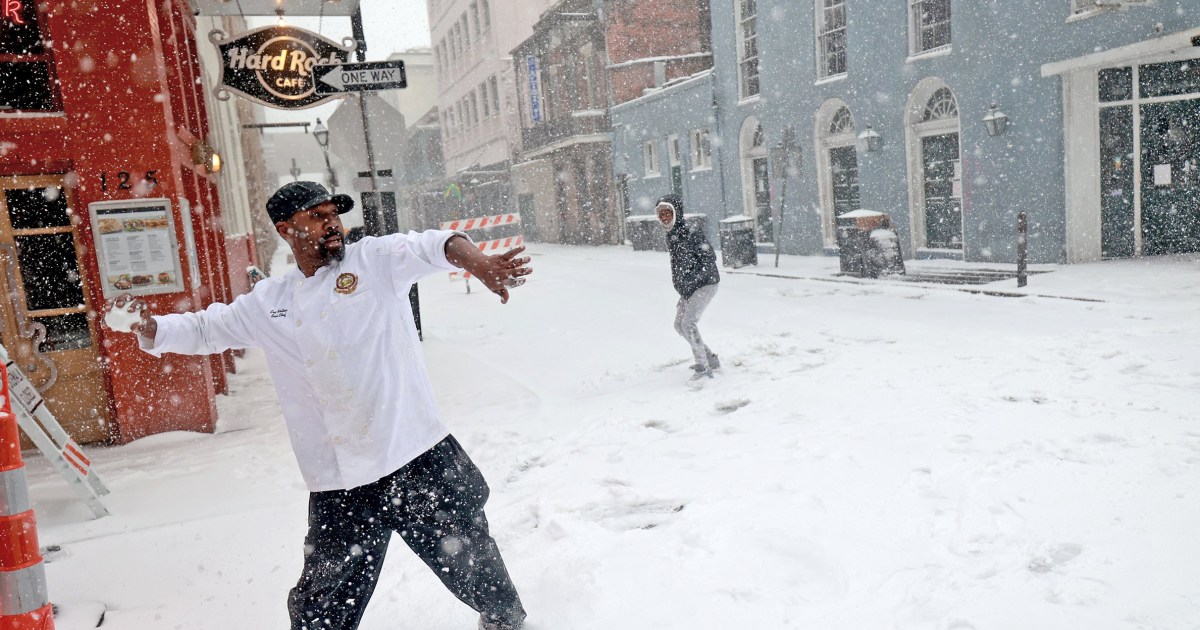
The most recent significant snowfall occurred on December 11, 2008. During this brief but memorable event, a cold front swept across Louisiana, resulting in a light accumulation of snow that dusted everything from the wrought-iron balconies of the French Quarter to the majestic facades of the St. Louis Cathedral. For many, this was a once-in-a-lifetime sight, as the city’s tropical climate is entirely unequipped to handle wintry precipitation.
Memories of the 1989 Freeze
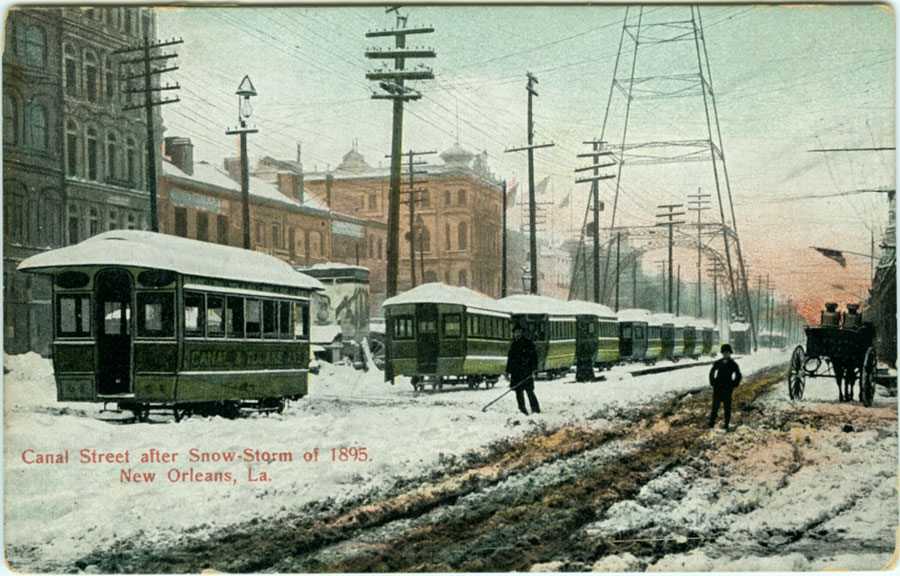
Before the 2008 event, the most legendary snowfall occurred during the Christmas season of 1989. This particular cold snap was far more intense, with several inches of snow blanketing the Crescent City and paralyzing local infrastructure. For many who lived through that winter, it remains a defining historical marker—a time when the iconic streetcars of St. Charles Avenue sat quiet, covered in a rare, icy mantle.
Why New Orleans Defies the Winter Elements
To understand why snow is such an anomaly here, one must look at the geography and climate patterns that govern the region. New Orleans sits at a low elevation, often below sea level, and is surrounded by water. This positioning ensures that the atmosphere is usually too warm to support the formation and accumulation of snow.
The Role of the Gulf of Mexico
The Gulf Coast is heavily influenced by the warm, moist air rising off the gulf waters. Even when arctic air masses push south from Canada, they typically lose their intensity by the time they reach the Gulf South. The result is usually cold rain or sleet rather than the light, fluffy snow often experienced in more northern locales like New York or Chicago.

Infrastructure and Urban Adaptation
Because snow is a statistical outlier, the city lacks the snowplows, salt trucks, and infrastructure found in colder climates. When flakes do fall, the impact is instantaneous. Public transportation often halts, schools close, and residents venture outside in awe, capturing photos of a city that looks vastly different than its usual self. Unlike Denver or other mountainous regions, New Orleans isn’t built to survive a deep freeze, which makes any accumulation a major social and logistical event.
Experiencing New Orleans Beyond the Weather
While the prospect of snow is enticing for the novelty it provides, the true beauty of New Orleans lies in its perennial resilience and vibrancy. Whether the sun is beating down on the Garden District or the air is crisp on a rare winter night, the city offers an unparalleled atmosphere that draws millions of visitors annually.
Exploring the Cultural Heart
If you are planning a visit, focus on the unique cultural landscape that makes the city a world-class destination. Spend your afternoons wandering through Jackson Square, where artists display their work in the shadows of history. Explore the depths of local culinary traditions, from the deep-fried indulgence of Café Du Monde to the sophisticated flavors found in the restaurants of Magazine Street.
Architecture and History
History enthusiasts often find that the city is best experienced on foot. Walking through the Treme neighborhood or admiring the Creole cottages provides a sense of connection to the past that few other cities can match. Even without a blanket of snow, the city feels like a museum brought to life, with every corner reflecting the diverse influences of France, Spain, and Africa.
Is Snow in the Forecast? Understanding Local Climate Trends
With global climate patterns shifting, many tourists and residents ask if we should expect more frequent winter precipitation in the coming years. Meteorologists suggest that while extreme weather events are becoming more common, predicting snow in New Orleans remains a difficult science.
The Impact of Climate Variability
The occasional cold surge that reaches the deep south is often the result of a polar vortex displacement—a phenomenon where cold air from the Arctic spills further south than usual. While these events are monitored closely, they are not indicative of a long-term trend toward colder winters in the South. The city remains, by all accounts, a bastion of subtropical climate.
Preparing for Your Trip
For those concerned about weather-related disruptions, the best strategy is to embrace the unexpected. If you find yourself in the city during a rare cold snap, don’t view it as a travel inconvenience; view it as a rare opportunity to witness a historic transformation of the landscape. Pack layers if you are visiting between December and February, as temperatures can fluctuate wildly between balmy afternoons and chilly evenings. Whether the city stays warm or experiences a rare frost, the spirit of Louisiana remains constant.
From the vibrant nightlife of Frenchmen Street to the serene beauty of Audubon Park, New Orleans is a destination that transcends seasons. Its identity is forged in its music, its history, and its people, all of which remain warm and inviting regardless of the thermometer. While a white Christmas might not be a seasonal guarantee, the magic of the city is present every single day of the year, waiting to be discovered by those who venture to the Delta.
LifeOutOfTheBox is a participant in the Amazon Services LLC Associates Program, an affiliate advertising program designed to provide a means for sites to earn advertising fees by advertising and linking to Amazon.com. Amazon, the Amazon logo, AmazonSupply, and the AmazonSupply logo are trademarks of Amazon.com, Inc. or its affiliates. As an Amazon Associate we earn affiliate commissions from qualifying purchases.