
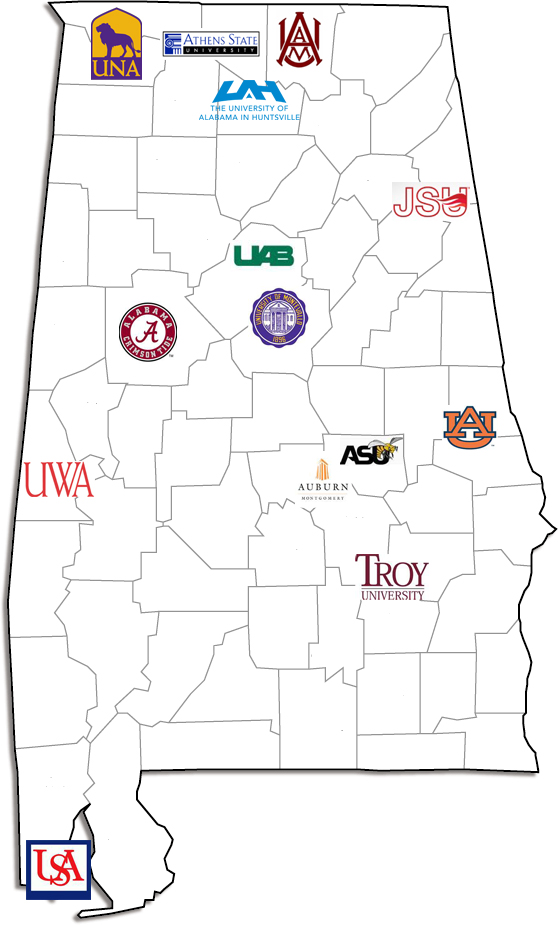
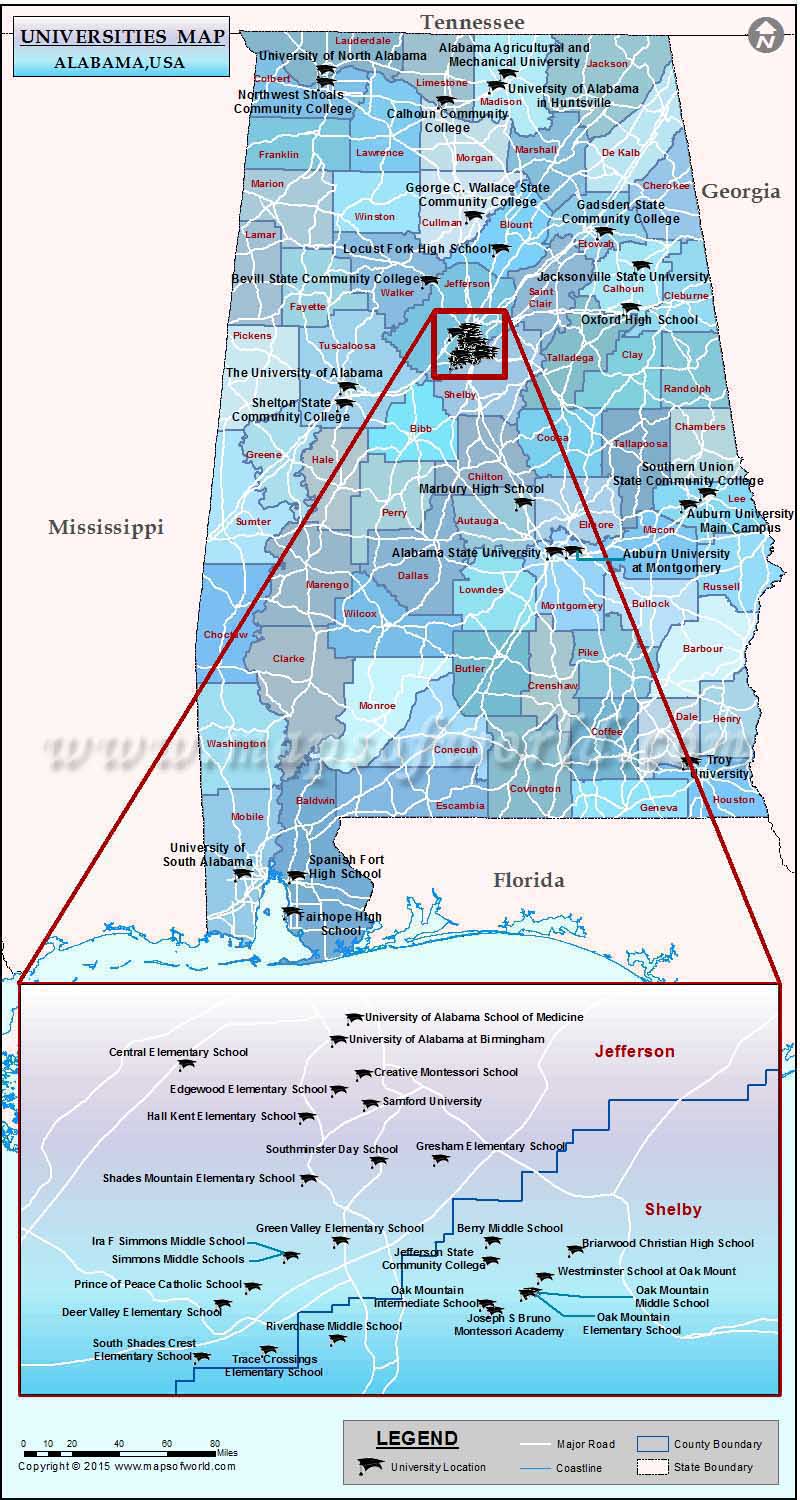
For many, the name Alabama University evokes images of collegiate athletics, vibrant campus life, and a deep-rooted sense of tradition. However, beyond the iconic crimson and white, lies a distinct geographic location that serves as a cornerstone for both academic pursuits and rich travel experiences. Understanding where this esteemed institution is situated is the first step in unlocking a world of exploration, history, and Southern charm. The University of Alabama, as it is formally known, is nestled in the heart of Tuscaloosa, a picturesque city in the west-central region of the state of Alabama, within the United States. This prime location offers visitors, prospective students, and residents alike a unique blend of urban amenities, natural beauty, and historical significance, making it a compelling destination for a variety of travel interests.

The Geographic Heart of the Crimson Tide
The precise location of the University of Alabama is not merely a dot on a map; it’s a vibrant hub that anchors the city of Tuscaloosa. This strategic positioning provides a gateway to exploring the greater Alabama region, offering travelers diverse experiences ranging from historical tours to outdoor adventures. The university campus itself is a significant draw, characterized by its stunning architecture, expansive green spaces, and a palpable sense of academic energy that permeates the air. Its central role in the city’s identity means that any visit to Tuscaloosa invariably involves engaging with the university’s presence and its myriad contributions to the local landscape.
The City of Tuscaloosa: A Historic Gem
Tuscaloosa, often referred to as “The Druid City” due to the numerous water oaks lining its streets, boasts a history as rich and profound as the university it hosts. Established in 1819, Tuscaloosa briefly served as Alabama’s state capital from 1826 to 1846, leaving an indelible mark of historical significance that is evident in its antebellum architecture and preserved heritage sites. The city sits on the banks of the Black Warrior River, a vital waterway that has played a crucial role in its development, offering both scenic beauty and recreational opportunities. The downtown area, affectionately known as Downtown Tuscaloosa, has undergone significant revitalization, transforming into a bustling district filled with unique boutiques, art galleries, and diverse dining establishments. For travelers, this means a walkable city center where history and modernity intertwine, providing a charming backdrop for exploration. The city’s grid layout, especially around the university, makes navigation straightforward, whether on foot, by bike, or via public transportation. This accessibility enhances the travel experience, allowing visitors to seamlessly move between campus attractions and city highlights without extensive logistical planning.
Accessibility and Getting There
Reaching Tuscaloosa and the University of Alabama is relatively straightforward, thanks to its proximity to major transportation arteries and regional airports. For air travelers, the most convenient option is Birmingham-Shuttlesworth International Airport (BHM), located approximately 60 miles northeast of Tuscaloosa. This airport serves a wide range of domestic flights, connecting Tuscaloosa to major cities across the United States. From BHM, visitors can rent a car, utilize ride-sharing services, or book shuttle transfers directly to Tuscaloosa. Another option, albeit further, is Atlanta Hartsfield-Jackson International Airport (ATL), roughly a three-hour drive away, offering a broader selection of international and domestic flights for those who don’t mind a scenic drive through the heart of the South.
For those traveling by car, Tuscaloosa is easily accessible via Interstate 20/59, which runs directly through the city, connecting it to Birmingham to the northeast and Meridian, Mississippi, to the southwest. U.S. Highway 82 also provides a significant east-west corridor, linking Tuscaloosa to Montgomery and beyond. The well-maintained road network makes driving a pleasant experience, allowing travelers the flexibility to explore surrounding areas at their own pace. Within Tuscaloosa itself, the university campus is well-integrated with the city’s infrastructure, making it easy to navigate once you’ve arrived. Public transportation options like the Crimson Ride bus system, though primarily serving the university community, can also be useful for visitors navigating specific routes within and around campus.
Exploring Tuscaloosa: Beyond the Campus Gates
While the University of Alabama is undoubtedly the centerpiece, Tuscaloosa offers a wealth of attractions and experiences that extend far beyond the academic realm. From hallowed sports grounds to significant historical sites and vibrant cultural hubs, the city provides a diverse itinerary for any traveler looking to immerse themselves in Southern culture and history. Its unique blend of university town energy and deep historical roots creates an engaging environment for exploration.
University Attractions and Points of Interest
A visit to the University of Alabama campus itself is an attraction worthy of several hours, if not a full day. The iconic Bryant-Denny Stadium, home to the legendary Crimson Tide football team, is a must-see, even outside of game day. Tours are often available, offering a glimpse into the storied history of one of college football’s most successful programs. Adjacent to the stadium, the Paul W. Bryant Museum celebrates the life and legacy of Coach Bear Bryant, along with the entire history of Alabama football. This museum is a treasure trove of memorabilia, trophies, and interactive exhibits that captivate sports enthusiasts.
Beyond sports, the university’s academic and cultural offerings are equally compelling. The Alabama Museum of Natural History, housed in historic Smith Hall, showcases Alabama’s natural heritage, from dinosaurs to diverse ecosystems. The Moundville Archaeological Park, a National Historic Landmark located just a short drive south of campus, preserves one of North America’s most important Native American heritage sites, offering insights into Mississippian culture with its impressive earthen mounds and a comprehensive museum. These on-campus and nearby attractions provide a rich educational and historical experience, complementing the energetic atmosphere of a modern university.
Cultural and Historical Sites in Tuscaloosa
Tuscaloosa’s history extends well beyond the university, offering visitors numerous opportunities to step back in time. The historic Capitol Park marks the site of Alabama’s former state capital, with preserved ruins and informative markers that tell the story of its early statehood. Nearby, the Old Tavern Museum, an original structure dating back to the 1820s, provides a fascinating look at the city’s early days as a stagecoach stop and social hub. For art lovers, the Westervelt Warner Museum of American Art houses an impressive collection of American art from the 18th to the 20th centuries, reflecting various artistic movements and regional styles.
The city also played a significant role in the Civil Rights Movement, and visitors can explore sites that commemorate this pivotal era. The Foster Auditorium on campus, for instance, was the site of Governor George Wallace’s “Stand in the Schoolhouse Door” in 1963, a moment captured in history. While not a formal museum, understanding the historical context of such places provides a deeper appreciation for the city’s journey. These historical and cultural sites are not just relics of the past; they are living narratives that enrich the travel experience, providing context and depth to Tuscaloosa’s vibrant present.
Outdoor Adventures and Local Experiences
Beyond its historical and academic allure, Tuscaloosa offers ample opportunities for outdoor recreation and engaging local experiences, making it an ideal destination for travelers seeking both relaxation and adventure. The region’s natural landscapes, combined with a thriving local scene, ensure there’s always something new to discover.
Recreational Activities and Natural Beauty
The majestic Black Warrior River is central to Tuscaloosa’s outdoor offerings. The Tuscaloosa Riverwalk is a scenic paved pathway stretching for miles along the riverbanks, perfect for walking, jogging, or cycling. Along the Riverwalk, visitors can enjoy picturesque views, access to playgrounds, and even launch kayaks or canoes for a leisurely paddle. Boating, fishing, and stand-up paddleboarding are popular activities on the river, providing a refreshing escape from urban life. For those who prefer land-based adventures, several parks like Lake Lurleen State Park, located a short drive outside the city, offer extensive hiking and biking trails, camping facilities, and a tranquil lake for swimming and fishing. The park’s diverse ecosystems provide opportunities for birdwatching and wildlife spotting, immersing visitors in Alabama’s natural beauty. Golf enthusiasts will also find several well-maintained courses in and around Tuscaloosa, offering challenging play amidst beautiful Southern landscapes.
Culinary Scene and Local Flavors
Tuscaloosa’s culinary scene is a delightful blend of traditional Southern comfort food and innovative contemporary cuisine, reflective of its diverse community and university influence. Downtown Tuscaloosa and the Strip, adjacent to campus, are bustling areas offering everything from casual eateries to upscale dining. Travelers can savor classic Alabama barbecue at local institutions, enjoy fresh seafood, or explore international flavors. The city also boasts a growing craft brewery scene, with local breweries offering tours and tastings, providing a taste of Tuscaloosa’s burgeoning artisanal culture. Farmer’s markets are common, especially on weekends, providing an opportunity to sample local produce and handcrafted goods, connecting visitors with the region’s agricultural heritage. Experiencing the local food scene is an integral part of any travel experience, and Tuscaloosa delivers with a range of options that cater to every palate and budget, reflecting the authentic flavors and hospitality of the South.
Planning Your Visit: Logistics and Travel Tips
To make the most of your trip to the University of Alabama and Tuscaloosa, a bit of planning can go a long way. Understanding the best times to visit, where to stay, and how to navigate the city will enhance your overall travel experience, ensuring a memorable and stress-free journey.
Accommodation Options for Every Traveler
Tuscaloosa offers a wide range of accommodation options to suit various preferences and budgets, from luxury hotels to budget-friendly motels and charming bed-and-breakfasts. For those looking to stay close to the university campus, several national hotel chains are conveniently located, offering modern amenities and easy access to university events and attractions. These include properties like the Hotel Capstone, which is on campus, offering unparalleled convenience for university visitors. Downtown Tuscaloosa also features boutique hotels and historic inns, providing a more localized and character-filled stay, often within walking distance of popular restaurants and entertainment venues. For longer stays or group travel, vacation rentals through platforms like Airbnb or VRBO are readily available, offering homelike comforts and additional space. It is highly recommended to book accommodation well in advance, especially if planning a visit during major university events like football game weekends, graduation ceremonies, or orientation days, as rooms can fill up quickly and prices may surge.
Best Times to Visit
The ideal time to visit Tuscaloosa largely depends on your travel objectives. For sports enthusiasts, fall is undoubtedly the most exciting time, with the energy of college football season permeating the entire city. Game days are an unparalleled experience, though they come with larger crowds and higher prices for accommodation and flights. Spring brings pleasant weather, making it perfect for exploring the outdoors, walking the Riverwalk, and enjoying the numerous festivals and events that begin to take place. The campus is also particularly beautiful in spring, with blooming flowers and lush greenery. Summer can be quite hot and humid, but it’s a great time for budget travelers as university-related crowds are fewer, and many attractions are still open. Winter offers milder temperatures compared to many other parts of the United States, making it a good option for those seeking a quiet getaway, though some outdoor activities might be less appealing. Regardless of the season, checking the university calendar for special events or holidays before planning your trip is advisable to either embrace the vibrant atmosphere or avoid peak crowds, depending on your preference.
In conclusion, the University of Alabama’s location in Tuscaloosa is far more than just an address; it’s a dynamic destination offering a rich tapestry of experiences for every type of traveler. From its storied history and vibrant campus life to its beautiful natural surroundings and engaging culinary scene, Tuscaloosa provides a compelling reason to explore the heart of Alabama. Whether you’re visiting for an athletic event, exploring academic opportunities, or simply seeking a charming Southern getaway, understanding its geographic context is the first step toward a truly memorable journey.
LifeOutOfTheBox is a participant in the Amazon Services LLC Associates Program, an affiliate advertising program designed to provide a means for sites to earn advertising fees by advertising and linking to Amazon.com. Amazon, the Amazon logo, AmazonSupply, and the AmazonSupply logo are trademarks of Amazon.com, Inc. or its affiliates. As an Amazon Associate we earn affiliate commissions from qualifying purchases.